
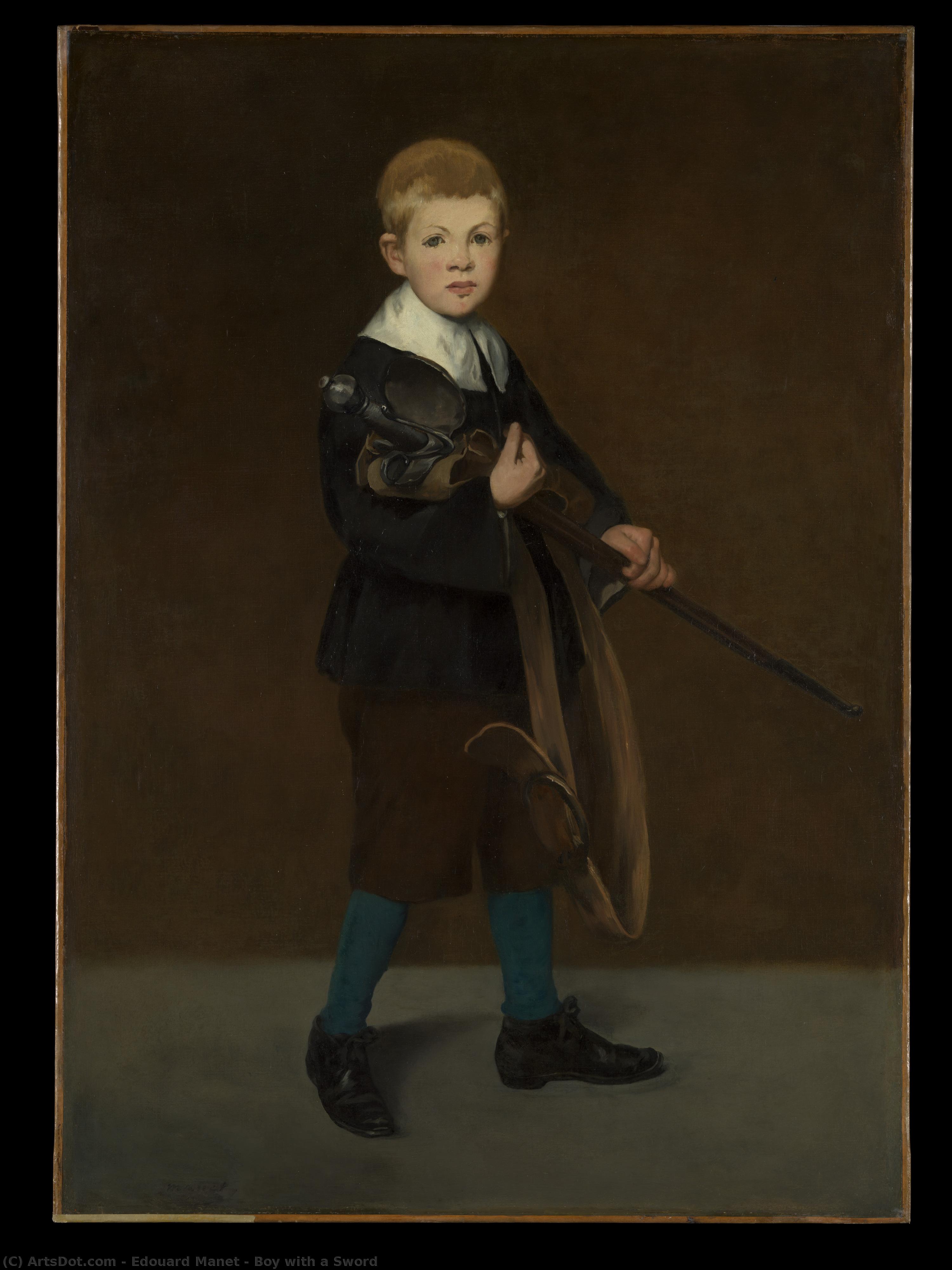
Shown: · With its frame:
 Preview

 Send
 Share
 Details
 Fact sheet


 Download
 Similars
 X-Ray
 Diaporama
 Q&A

 Stats
Boy with a Sword (Édouard Manet, 1861)

- 131.0 x 93.0 cm


Hand-painted in oil from $178 at 37 x 27 cm
Also available as Fine Art Print from $47
- Free Worldwide Express Shipping
- Delivered in 4 to 5 weeks
- 100-day returns, money back
- Rated 4.9/5 by 241 customers on ArtShopReviews.com
$ 269
Hand Made Oil Reproduction
Hand-painted oil on canvas in your size and frame, made to order by our artists. ( Impressionist Print Impressionist Oil Digital Copy
)
Size
·Pick from our preset sizes that match the artwork's original proportions.
Loading sizes...

width
height
Type the width and the height you need, to fit your frame or your wall. This is hand-painted, so for a size with a different shape the artist can paint a bit more around the picture, or cut a bit — you choose. We send you a digital mockup to approve before the painting starts. The picture shown on this page does not show the real result — only the mockup does.
 Read more
Standard
custom
CM
INCH
Finish
·
White $1

Blurside $1

Extended $1

P118B $10

P118H $10

P118W $10

P438Z $10

P508JH $12

P508YH $12

P805H $10

P805Z $10

P919BZ $10

P919G $10

P919XJ $10

P959ZH $10

P968JZ $12

W106C $8

W218G $10

W218JH $8

W218Y $10

W307PJ $10

W316G $10

W316PJ $8

W316Y $10

W398PJ $8

W4111J $10

W500HY $15

W500JH $15

W692G $12

W849H $8

W940BG $15

W953PJ $8
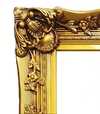
H24-GOLD $30
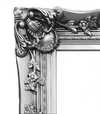
H24-SILVER $30
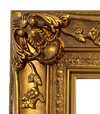
H36-GOLD $45
H36-SILVER $45
Shipped in a protective tube, ready for your own framer.
Above 105 cm the frame is shipped as a kit for a professional framer — read the details.
Extras
optionalWhat do the extras include?
Examples of what can be changed: Replace face with customer photo; Add pet (e.g., replace cat with dog); Include hidden message in background; Change background landscape or elements.
After order, TopImpressionists.com team will email client for instructions and provide a mockup preview
Worldwide Delivery () in 3/4 weeks instead of standard 4/5 weeks. (3 December). No compromise on quality.
Protective Varnish
Nameplate
Engraved Bronze Plaque Details
This elegant plaque features the artist's name and the title of the artwork, finely engraved for a timeless presentation.
It is made from bronze with a refined, elegant finish. The text is precisely laser-engraved for a sharp and permanent result. Measuring 9x2 cm, the plaque is compact yet easy to read. It's built to be durable and scratch-resistant, offering a professional, museum-quality look. Mounting is simple thanks to the included adhesive backing.
Transparent Acrylic Plaque Details
The plaque includes essential engraved details such as the artist's name, the title of the artwork, the date it was created, the type of media used-like oil on canvas or watercolor-a brief description of the piece, and a QR code that links to the complete artwork information.
It is crafted from clear acrylic, offering a sleek, modern appearance. The text is UV-engraved in black to ensure strong visual contrast. With a size of 10x15 cm, it ensures optimal readability. It comes equipped with two metal hooks for secure wall mounting. The plaque is designed to be weather-resistant, making it suitable for various environments, and it includes interactive features that work seamlessly with smartphone scanning.
Black Acrylic Plaque Details
This elegant plaque includes engraved information such as the artist's name, the title of the artwork, the date it was created, the type of media used (like oil on canvas or watercolor), a short description of the artwork, and a QR code for quick access to more information.
The plaque itself is made from refined black acrylic with a premium finish. The text is laser-engraved in white for high contrast and readability. Its size is 10x15 cm, designed to be easy to read. It comes with two metal hooks for professional mounting. The design is sleek and fits any interior style. It is also weather-resistant and durable, with built-in digital integration for mobile compatibility.
Glass option is only available in size under 110 CM
 Glass option is only available in size under 110 CM
- Free Worldwide Express Shipping
- High-Quality Linen Canvas
- Full Shipping Insurance
- Customs Tax Refund Guarantee
- True Color Matching Guarantee
- 100-day returns, money back
- 100% Money-Back Guarantee
- Bulk Discount Offer


Boy with a Sword: Édouard Manet and the Modernism moment
Explore Édouard Manet's 'Boy with a Sword,' a pivotal work bridging Realism & Impressionism. Witness the young Léon Koëlla-Leenhoff, inspired by Velázquez, in this iconic 1861 masterpiece – now available as a stunning reproduction.
Édouard Manet: biography
French modernist painter of Parisian café scenes and bold, direct brushwork who bridged the gap between Realism and Impressionism.
About the painting
Édouard Manet’s “Boy with a Sword”: A Bridge Between Realism and Modernity
Édouard Manet's "Boy with a Sword," painted in 1861, isn’t merely a portrait; it’s a pivotal moment in the trajectory of modern art. Often overlooked amidst the more flamboyant canvases that defined his career, this seemingly simple work—a young boy posed with a period sword—holds within it a complex interplay of historical reference, artistic innovation, and burgeoning psychological depth. It represents a deliberate step away from the rigid conventions of academic painting and toward a more direct, observational approach to depicting human experience – a hallmark of the Impressionists who would follow.
The genesis of this captivating image lies in Manet’s personal life. His stepson, Léon Koëlla-Leenhoff, a boy of approximately ten years old at the time, served as the model. Manet, deeply influenced by Spanish masters like Velázquez, sought to capture a sense of dignified solemnity reminiscent of the great painter's royal children. The choice of costume—a meticulously recreated seventeenth-century outfit—and the inclusion of the sword are not arbitrary; they’re deliberate nods to artistic tradition and a conscious effort to evoke a specific historical atmosphere. However, Manet doesn’t simply replicate the past; he subtly transforms it, imbuing the boy with an air of vulnerability and quiet contemplation that transcends mere imitation.
A Study in Light, Shadow, and Composition
Technically, “Boy with a Sword” is characterized by its remarkable simplicity. Manet employs a restrained palette—primarily muted browns, grays, and ochres—that emphasizes the textures of the fabric and the boy’s clothing. He utilizes loose brushstrokes and a broken color technique, anticipating Impressionist methods, to create an atmospheric effect rather than a meticulously rendered surface. The lighting is diffused and naturalistic, casting soft shadows that subtly shape the boy's features and contribute to his melancholic expression. Notice how Manet avoids sharp contrasts or dramatic highlights, opting instead for a delicate balance of light and dark.
The composition itself is carefully considered. The boy stands slightly off-center, drawing the viewer’s eye across the canvas. His gaze is averted, suggesting introspection and perhaps even a hint of sadness. The sword, held casually in his hand, acts as both a prop and a symbol—a marker of youthful privilege and potential danger. The background wall, rendered with minimal detail, serves to further isolate the subject and intensify the focus on his emotional state.
Historical Context and Artistic Legacy
Manet’s decision to exhibit “Boy with a Sword” five times between 1862 and 1872 reveals its significance within the evolving art world. Initially, the painting garnered favorable reviews, recognizing Manet's innovative approach to depicting contemporary life. However, it also sparked debate and criticism, particularly regarding its perceived lack of finish and its departure from traditional academic standards. Despite this initial resistance, “Boy with a Sword” played a crucial role in bridging the gap between Realism and Impressionism, paving the way for future generations of artists.
The painting’s eventual donation to The Metropolitan Museum of Art in 1889 marked a significant milestone in Manet's artistic recognition. It signaled a shift in critical opinion and established “Boy with a Sword” as one of his most enduring works. Its influence can be seen in the subsequent paintings of artists like Renoir, Degas, and Monet, who embraced Manet’s emphasis on capturing fleeting moments and conveying subjective experience.
Bringing "Boy with a Sword" into Your Home
At TopImpressionists, we are proud to offer meticulously crafted, hand-painted oil painting reproductions of Édouard Manet’s “Boy with a Sword.” Our artisans replicate the artist's distinctive style and techniques with exceptional detail, ensuring that your reproduction captures the essence of this remarkable masterpiece. Available in sizes ranging from 131 x 93 cm to larger formats, you can bring this iconic work into your own space and enjoy its timeless beauty and profound emotional resonance. Explore our collection today: Édouard Manet: Boy with a Sword and Painting by 'Edouard Manet' | Edouard Manet: Boy with a Sword.
For further insights into Édouard Manet’s life and work, we encourage you to visit Édouard Manet on Wikipedia.
Questions & Answers
Is this reproduction of Boy with a Sword painted by hand or printed?
Painted by hand: a trained painter copies Boy with a Sword in oil on linen canvas.
What size should I choose for Boy with a Sword?
The original measures 131 x 93 cm. Sizes run from 36.5 x 27.4 cm ($178) to 243.1 x 182.4 cm ($1475); the table on this page lists the main steps and their prices.
How long does delivery take?
Delivery takes 4 to 5 weeks, with free worldwide express shipping; an urgent production option is offered on this page. You can return it within 100 days for a full refund, with no condition.
Where is the original Boy with a Sword?
The original is in the collection of the Metropolitan Museum of Art, new york.
What medium did Édouard Manet use for Boy with a Sword?
Oil On Canvas.
Quick facts and art quiz
About Édouard Manet

Édouard Manet
1832 - 1883, France
About Édouard Manet: life, works and biography
Quick facts about Édouard Manet
- Artistic Movement Or Style: Realism, Impressionism, Avant-garde
- Artists Or Movements Influenced By This Artist:
- Impressionism
- Avant-garde
- Claude Monet
- Berthe Morisot
- Edgar Degas
- Gauguin
- Artists Who Influenced This Artist:
- Caravaggio
- Diego Velázquez
- Francisco Goya
- Titian
- Raphael
- Frans Hals
- Peter Paul Rubens
- Full Name: Édouard Manet
- Nationality: French
- Notable Artworks:
- Olympia
- Le Déjeuner sur l'herbe
- A Bar at the Folies-Bergère
- Place Of Birth: Paris, France
- Date Of Birth: 1832
- Date Of Death: 1883
Related Artworks
Kindred canvases that echo this painting's light, palette and mood.


Explore artworks organized by themes, styles, and characteristics.




Édouard Manet
Boy with a Sword
() ·
With its frame: · Hand-painted in oil on linen
Total