

Shown: · With its frame:
 Preview

 Send
 Share
 Details
 Fact sheet


 Download
 Similars
 X-Ray
 Diaporama
 Q&A

 Stats
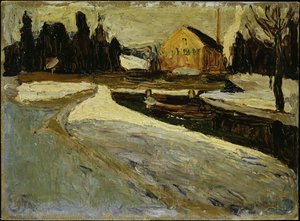
Schwabing, Wintersonne (Schwabing, Winter Sun) (Wassily Kandinsky, 1901)


Hand-painted in oil from $178 at 27 x 37 cm
Also available as Fine Art Print from $47
- Free Worldwide Express Shipping
- Delivered in 4 to 5 weeks
- 100-day returns, money back
- Rated 4.9/5 by 241 customers on ArtShopReviews.com
$ 269
Hand Made Oil Reproduction
Hand-painted oil on canvas in your size and frame, made to order by our artists. ( Impressionist Print Impressionist Oil Digital Copy
)
Size
·Pick from our preset sizes that match the artwork's original proportions.
Loading sizes...

width
height
Type the width and the height you need, to fit your frame or your wall. This is hand-painted, so for a size with a different shape the artist can paint a bit more around the picture, or cut a bit — you choose. We send you a digital mockup to approve before the painting starts. The picture shown on this page does not show the real result — only the mockup does.
 Read more
Standard
custom
CM
INCH
Finish
·
White $1

Blurside $1

Extended $1

P118B $10

P118H $10

P118W $10

P438Z $10

P508JH $12

P508YH $12

P805H $10

P805Z $10

P919BZ $10

P919G $10

P919XJ $10

P959ZH $10

P968JZ $12

W106C $8

W218G $10

W218JH $8

W218Y $10

W307PJ $10

W316G $10

W316PJ $8

W316Y $10

W398PJ $8

W4111J $10

W500HY $15

W500JH $15

W692G $12

W849H $8

W940BG $15

W953PJ $8

H24-GOLD $30
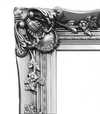
H24-SILVER $30
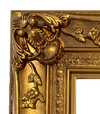
H36-GOLD $45
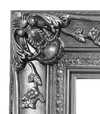
H36-SILVER $45
Shipped in a protective tube, ready for your own framer.
Above 105 cm the frame is shipped as a kit for a professional framer — read the details.
Extras
optionalWhat do the extras include?
Examples of what can be changed: Replace face with customer photo; Add pet (e.g., replace cat with dog); Include hidden message in background; Change background landscape or elements.
After order, TopImpressionists.com team will email client for instructions and provide a mockup preview
Worldwide Delivery () in 3/4 weeks instead of standard 4/5 weeks. (5 December). No compromise on quality.
Protective Varnish
Nameplate
Engraved Bronze Plaque Details
This elegant plaque features the artist's name and the title of the artwork, finely engraved for a timeless presentation.
It is made from bronze with a refined, elegant finish. The text is precisely laser-engraved for a sharp and permanent result. Measuring 9x2 cm, the plaque is compact yet easy to read. It's built to be durable and scratch-resistant, offering a professional, museum-quality look. Mounting is simple thanks to the included adhesive backing.
Transparent Acrylic Plaque Details
The plaque includes essential engraved details such as the artist's name, the title of the artwork, the date it was created, the type of media used-like oil on canvas or watercolor-a brief description of the piece, and a QR code that links to the complete artwork information.
It is crafted from clear acrylic, offering a sleek, modern appearance. The text is UV-engraved in black to ensure strong visual contrast. With a size of 10x15 cm, it ensures optimal readability. It comes equipped with two metal hooks for secure wall mounting. The plaque is designed to be weather-resistant, making it suitable for various environments, and it includes interactive features that work seamlessly with smartphone scanning.
Black Acrylic Plaque Details
This elegant plaque includes engraved information such as the artist's name, the title of the artwork, the date it was created, the type of media used (like oil on canvas or watercolor), a short description of the artwork, and a QR code for quick access to more information.
The plaque itself is made from refined black acrylic with a premium finish. The text is laser-engraved in white for high contrast and readability. Its size is 10x15 cm, designed to be easy to read. It comes with two metal hooks for professional mounting. The design is sleek and fits any interior style. It is also weather-resistant and durable, with built-in digital integration for mobile compatibility.
Glass option is only available in size under 110 CM
 Glass option is only available in size under 110 CM
- Free Worldwide Express Shipping
- High-Quality Linen Canvas
- Full Shipping Insurance
- Customs Tax Refund Guarantee
- True Color Matching Guarantee
- 100-day returns, money back
- 100% Money-Back Guarantee
- Bulk Discount Offer


About Schwabing, Wintersonne (Schwabing, Winter Sun) by Wassily Kandinsky
Wassily Kandinsky's "Schwabing, Wintersonne" captures a serene winter scene with snow-covered roads and boats, reflecting his pioneering abstract style & Munich’s charm.
Wassily Kandinsky: biography
Russian pioneer of abstraction and the Blue Rider movement, known for spiritual, colorful forms and the musical interplay of shapes and lines.
About the painting
A Frozen Reverie: Unpacking Kandinsky’s Schwabing, Wintersonne
Wassily Kandinsky's 1901 painting, “Schwabing, Wintersonne” (Schwabing, Winter Sun), isn’t merely a depiction of a snowy street; it’s a profound distillation of emotion and the nascent seeds of abstract art. Painted during a pivotal period in his artistic development, this work captures a fleeting moment in Munich's Schwabing district – a vibrant, bohemian neighborhood that served as a crucible for artistic innovation at the turn of the 20th century. The scene is rendered with an almost dreamlike quality, a hazy recollection filtered through Kandinsky’s intensely personal and evolving visual language.
Kandinsky, then grappling with his own burgeoning understanding of color and form, moved away from representational painting to explore the inner world of feeling. “Schwabing, Wintersonne” exemplifies this shift. The recognizable elements – a snow-covered road, trees silhouetted against a muted sky, a distant house – are subtly distorted and imbued with an emotional resonance that transcends simple observation. Notice how the forms aren’t sharply defined; instead, they bleed into one another, creating a sense of fluidity and movement within the stillness of winter.
The Language of Color: Kandinsky's Pioneering Approach
Kandinsky’s masterful use of color is central to understanding this painting. He employs a restrained palette – predominantly blues, greys, and browns – punctuated by flashes of ochre and white. These colors aren’t used to mimic reality but rather to evoke specific moods and sensations. The cool blues and greys suggest the quiet solitude of winter, while the warmer tones hint at a hidden warmth beneath the surface. Crucially, Kandinsky believed that color possessed an inherent spiritual quality, capable of directly affecting the viewer's emotions. He sought to translate these feelings into visual form, moving beyond mere depiction to create paintings that communicated directly with the soul.
The technique itself is characteristic of Kandinsky’s early work – a blend of Impressionistic color theory and nascent abstraction. He builds up layers of oil paint on board, creating textured surfaces that invite close examination. The brushstrokes are visible, yet they're not used to create detailed representations; instead, they contribute to the overall sense of atmosphere and movement. This layering technique is reminiscent of his later explorations in composition, where he would build complex arrangements of shapes and colors to achieve a desired emotional effect.
Schwabing: A Hub of Artistic Spirit
To fully appreciate “Schwabing, Wintersonne,” it’s essential to understand the context in which it was created. Schwabing was a magnet for artists, writers, and intellectuals at the turn of the 20th century – a place where bohemian ideals flourished and artistic experimentation thrived. The district's proximity to Munich’s universities and its vibrant cultural scene fostered an environment of creativity and intellectual exchange. Kandinsky himself spent considerable time in Schwabing during this period, absorbing the atmosphere and drawing inspiration from the neighborhood’s unique character.
The painting captures a specific moment within that dynamic landscape – a quiet winter afternoon in Schwabing, imbued with a sense of melancholy beauty. The empty road suggests solitude and introspection, while the distant house offers a hint of domesticity and warmth. It's a scene that invites contemplation, prompting viewers to consider their own relationship to the natural world and the emotional landscapes within themselves.
A Legacy in Abstraction
“Schwabing, Wintersonne” is more than just a beautiful winter landscape; it’s a crucial stepping stone on Kandinsky's path toward abstract art. It represents a decisive break from traditional representation and a bold exploration of the expressive potential of color and form. This painting foreshadows his later, more radical works, where he would dismantle recognizable imagery altogether to create paintings that communicated solely through their emotional impact. Reproductions of this piece offer a powerful glimpse into the genesis of modern art and the enduring legacy of one of its most visionary pioneers.
Questions & Answers
Is this reproduction of Schwabing, Wintersonne (Schwabing, Winter Sun) painted by hand or printed?
Painted by hand: a trained painter copies Schwabing, Wintersonne (Schwabing, Winter Sun) in oil on linen canvas.
What size should I choose for Schwabing, Wintersonne (Schwabing, Winter Sun)?
Sizes run from 27.2 x 36.8 cm ($178) to 181.0 x 244.9 cm ($1475); the table on this page lists the main steps and their prices.
How long does delivery take?
Delivery takes 4 to 5 weeks, with free worldwide express shipping; an urgent production option is offered on this page. You can return it within 100 days for a full refund, with no condition.
Where is the original Schwabing, Wintersonne (Schwabing, Winter Sun)?
The original is in the collection of the Centre Pompidou, Paris.
What medium did Wassily Kandinsky use for Schwabing, Wintersonne (Schwabing, Winter Sun)?
Oil On Board.
Quick facts and art quiz
About Wassily Kandinsky

Wassily Kandinsky
1866 - 1944, Russia
About Wassily Kandinsky: life, works and biography
Quick facts about Wassily Kandinsky
- Artistic Movement Or Style:
- Expressionism
- Abstract painting
- Der Blaue Reiter
- Artists Or Movements Influenced By This Artist: ['Abstract expressionism']
- Artists Who Influenced This Artist: ['Claude Monet']
- Full Name: Wassily Wassilyevich Kandinsky
- Nationality: Russian
- Notable Artworks:
- Papeln (Poplars)
- Several Circles
- Composition VIII
- Composition VII
- An Intimate Party
- Place Of Birth: Moscow, Russia
- Date Of Birth: 1866
- Date Of Death: 1944
Explore artworks organized by themes, styles, and characteristics.


Wassily Kandinsky
Schwabing, Wintersonne (Schwabing, Winter Sun)
() ·
With its frame: · Hand-painted in oil on linen
Total