

 Преглед в реален мащаб
 Сподели
 Сподели
 Подробности
 Ръководство

 Изтегляне
 Подобни артикули
 Рентгенова снимка
 Слайдшоу
 Статистика
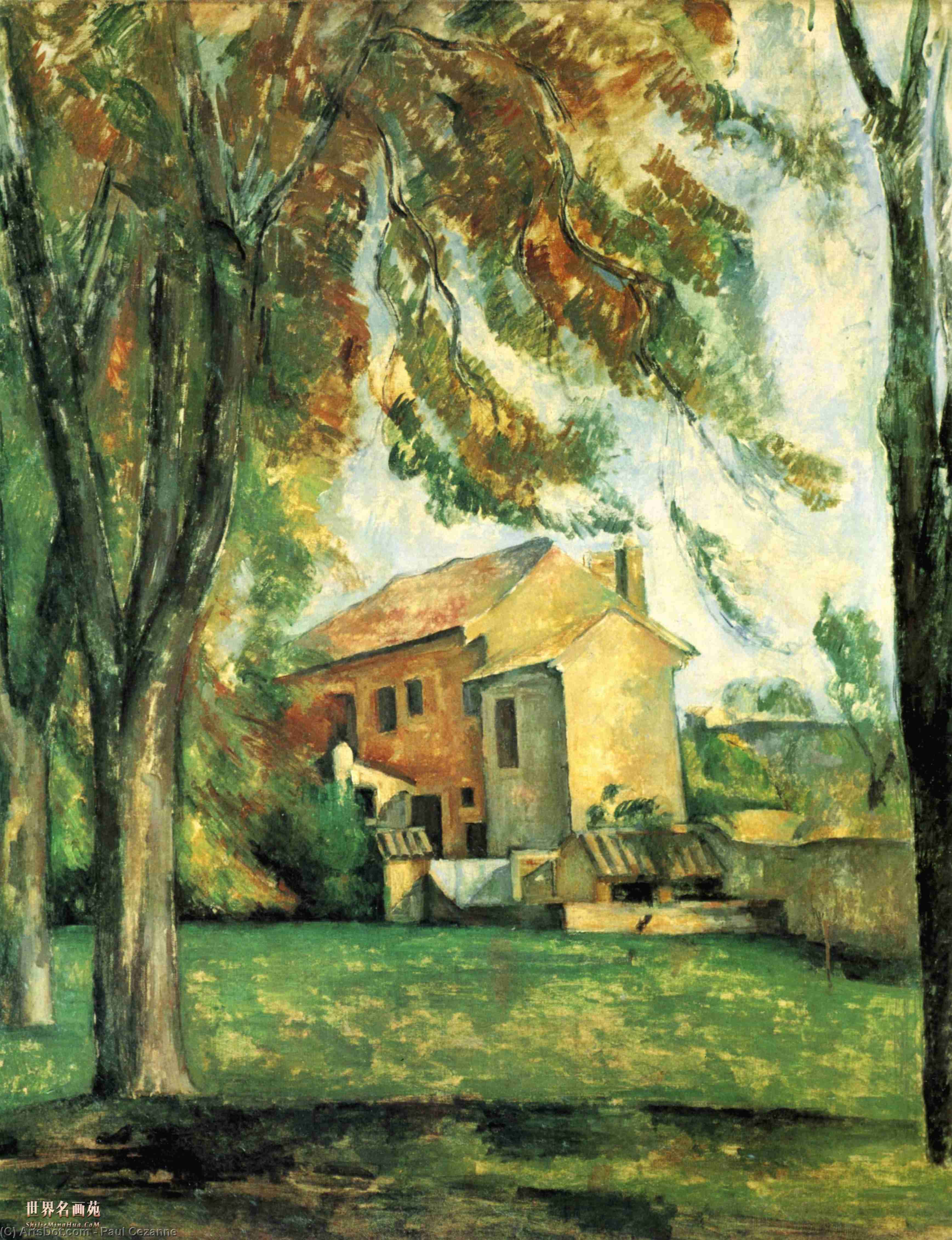
Басейнът на Жас дьо Буфона
 Масло върху платно
- Стени и декорация
- Post-Impressionism
 1878
1878- ти век
 52.0 x 56.0 cm
Почувствайте шедьовъра на Пол Сезан – ‘Басейнът на Жас дьо Буфона’! Този пост-импресионистичен памук улавя спокойната красота на селския пейзаж с уникални геометрични форми и ярки цветове. Вечно произведение, отразяващо еволюцията на съвременното изкуство.
 Разгърни целия текст
Key Works and Recurring Motifs</h2>
Cézanne’s oeuvre is remarkably diverse
Ръчно изработена маслена репродукция
Ръчно рисувана маслена картина върху платно във вашия размер и рамка, изработена по поръчка от нашите художници. ( Избор на принт Превключване към дигитално изображение)




P118B $10

P118H $10

P118W $10

P438Z $10

P508JH $12

P508YH $12

P805H $10

P805Z $10

P919BZ $10

P919G $10

P919XJ $10

P959ZH $10

P968JZ $12

W106C $8

W218G $10

W218JH $8

W218Y $10

W307PJ $10

W316G $10

W316PJ $8

W316Y $10

W398PJ $8

W4111J $10

W500HY $15

W500JH $15

W692G $12

W849H $8

W940BG $15

W953PJ $8




Стандартен размер
по поръчка
CM
INCH
Изберете от нашите предварително зададени размери, които съответстват на оригиналните пропорции на произведението.
Loading sizes...

ширина
височина
Можете да въведете свои собствени размери, за да паснат на конкретна рамка или пространство. Ако избраният от вас размер не съответства на пропорциите на оригиналното изображение, ние ще изрежем произведението или ще разширим картината с допълнителни ръчно рисувани елементи. Дигитален макет ще бъде изпратен за ваше одобрение преди започване на производството.
Моля, обърнете внимание, че предпрогледа на екрана не отразява действителното изрязване или разширяване. Само макетът ще покаже точно финалната композиция.
Въпреки че са налични персонализирани размери, препоръчваме да изберете размер от предварително дефинирания списък, за да запазите оригиналните пропорции.
Примери за възможности за персонализация: Заменете лицето с фотография на клиента; Добавете домашен любимец (например заменете котка с куче); Включете скрито послание на фона; Променете пейзажа или елементите на фона.
След получаване на поръчка, екипът на TopImpressionists.com ще изпрати имейл до клиента с инструкции и ще предостави примерен макет за преглед.
След получаване на поръчка, екипът на TopImpressionists.com ще изпрати имейл до клиента с инструкции и ще предостави примерен макет за преглед.
Доставка по целия свят () в рамките на 3-4 седмици вместо стандартните 5 седмици. (23 Септември). Без компромис с качеството.

Безплатна експресна доставка по целия свят

Висококачествено ленено платно

Пълно застраховане на доставката

Гаранция за възстановяване на митнически такси

Гаранция за пълно съответствие на цветовете

Политика за връщане в рамките на 100 дни (само при дефекти)

100% Гаранция за връщане на сумата

Отстъпка при поръчка на повече произведения
 Опцията със стъкло е налична само за размери под 110 см

Басейнът на Жас дьо Буфона
Техника на репродукция
Размер на репродукцията
-


Крайна цена
$ 269
The Serene Embrace of Nature: Paul Cézanne’s *The Pond of the Jas de Bouffan*
Paul Cézanne's *The Pond of the Jas de Bouffan*, painted in 1878, is more than a simple landscape; it’s a pivotal moment in art history—a bridge between the fleeting impressions of Impressionism and the nascent geometric explorations of Cubism. This captivating oil on canvas, measuring just 52 x 56 cm, offers a profound meditation on nature, light, and the very act of seeing. Nestled within the picturesque setting of the Jas de Bouffan estate near Aix-en-Provence—a place deeply intertwined with Cézanne’s family history—the painting captures a tranquil scene dominated by a shimmering pond reflecting the sky above. The composition is deceptively simple: a modest dwelling, its white roof a beacon against the verdant hillside, sits poised beside the water's edge, framed by an array of trees that seem to lean in towards the viewer, creating a sense of intimate observation.
Cézanne’s artistic journey was one of constant refinement. Initially influenced by Romanticism and Realism—evident in his early murals at Jas de Bouffan – he meticulously studied the techniques of Impressionists like Monet and Pissarro, absorbing their focus on capturing the effects of light and color. However, Cézanne wasn't content to merely replicate what he saw; he sought a deeper understanding of form and structure. *The Pond of the Jas de Bouffan* exemplifies this shift. He doesn’t simply depict the scene as it appears; instead, he dissects it, analyzing its underlying geometry—the planes of the trees, the receding perspective of the hillside, and the reflective surface of the water. This process is strikingly evident in his brushwork: short, broken strokes that build up to create a sense of volume and solidity, rather than dissolving into atmospheric haze.
A Revolutionary Approach to Representation
Cézanne’s approach to color is equally revolutionary. He employs a palette of muted greens, blues, and browns—earthy tones that evoke the natural world—but he applies them with an almost sculptural quality. The colors aren't blended smoothly; they are applied in distinct patches, creating a sense of depth and texture. Notice how the reflections on the water’s surface shimmer with variations of blue and green, mirroring the sky above and adding to the painting’s overall dynamism. This deliberate manipulation of color—a hallmark of Cézanne's style—was groundbreaking at the time, challenging traditional notions of representation and paving the way for future generations of artists.
The significance of *The Pond of the Jas de Bouffan* extends far beyond its aesthetic qualities. It’s a testament to Cézanne’s evolving artistic vision – a visual record of his ongoing experimentation with form, color, and perspective. His work had a profound impact on modern art, directly influencing artists such as Pablo Picasso and Henri Matisse, who were deeply inspired by his exploration of geometric abstraction and his rejection of traditional academic conventions. The painting's influence can be seen in the way these artists approached composition, color, and form—breaking down objects into their essential shapes and exploring new ways of representing space and volume.
Symbolism and Emotional Resonance
While seemingly a straightforward depiction of a rural landscape, *The Pond of the Jas de Bouffan* is rich in symbolic meaning. The pond itself represents tranquility and reflection—a place for contemplation and escape from the pressures of daily life. The dwelling, with its white roof, symbolizes domesticity and stability, anchoring the scene within a recognizable reality. The surrounding trees, rendered with such meticulous detail, evoke a sense of timelessness and connection to nature. Cézanne’s deliberate use of light and shadow further enhances the painting's emotional impact—creating a mood of serene beauty and quiet contemplation.
Replicating Masterpiece: A TopImpressionists Reproduction
At TopImpressionists, we are dedicated to preserving the essence of masterpieces like *The Pond of the Jas de Bouffan*. Our hand-painted reproductions capture every nuance of Cézanne’s brushwork and color palette with meticulous attention to detail. Each reproduction is crafted by skilled artists using traditional oil painting techniques, ensuring that the artwork retains its original depth, texture, and emotional resonance. Whether you're an art enthusiast, a collector, or simply seeking to add a touch of timeless beauty to your home, our reproductions offer a stunning way to experience Cézanne’s vision firsthand. Explore the full reproduction here.
- Size: 52 x 56 cm
- Date: 1878
- Style: Post-Impressionism
- Medium: Oil on Canvas
Learn more about Paul Cézanne and his works at: Paul Cézanne
Свързани произведения


Биография на художника
Ранни години и формиране на художника
Пол Сезан, роден през 1839 г. в Екс-ан-Прованс, е фигура с огромно значение в историята на изкуството, свързваща импресионизма с кубизма. Неговият път не бил белязан от незабавен успех, а по-скоро от бавно и упорито търсене, изпълнено със съмнения и критика, което в крайна сметка промени хода на модерното изкуство. Сезан е роден в заможно семейство – баща му първоначално бил шапкар, а по-късно банкер – което му осигурило финансова стабилност, необичайна за стремящите се художници. Това му позволило да посвети живота си на страстта си без непосредствения натиск на комерсиалния успех. Въпреки първоначалното желание на баща му да го насочи към юридическа кариера, влечението към изкуството надделяло и той изоставил правото в полза на живописта – решение, което определило живота му. Ранните влияния включвали романтизма, популярен през младостта му, и отдадеността на пейзажа от Барбизонската школа, но именно срещите с художници като Пол Гоген и Жорж Серат, и техните новаторски подходи към цвета и формата, помогнали на Сезан да изгради свой собствен уникален път.От тъмнината към структурата: Еволюция на стила
Ранните творби на Сезан често отразявали драматичните, емоционално заредени теми, характерни за романтичната живопис – тъмни палитри и експресивна четка. Този начален период обаче бил само стъпало към много по-аналитичен и новаторски подход. Недоволен от простото улавяне на мимолетните впечатления от светлината, както предпочитали импресионистите, Сезан се впуснал в търсене на разбирането и представянето на основната структура на самите обекти. Той не искал само *какво* вижда, а *как* възприема фундаменталните форми, които съставляват реалността. Това го накарало да разложи естествените форми на техните геометрични еквиваленти – конуси, цилиндри, сфери – предвиждайки кубистичната революция десетилетия преди нейното осъществяване. Неговата техника се характеризирала с малки, повтарящи се щрихи, прецизно насложени за изграждане на сложни полета от цвят и текстура, създавайки усещане за солидност и дълбочина, невиждано дотогава в живописта. Той не се интересувал от илюзорното пространство; вместо това често представял обектите от множество гледни точки едновременно, предизвиквайки традиционните представи за перспектива и принуждавайки зрителя да участва активно в конструирания характер на неговите композиции. Това умишлено изкривяване не било произволно, а опит да се предаде по-пълно разбиране на формата, представяйки не само един момент във времето, но и синтез на възприятието.Пейзажи, натюрморти и човешката форма: Ключови творби и повтарящи се мотиви
Творчеството на Сезан е забележително разнообразно, обхващащо пейзажи, натюрморти, портрети и изображения на къпещи се жени, но всички са обединени от неговия уникален подход към формата и цвета. Езерото в Жа де Буфан, нарисувано през 1880 г., е пример за пейзажната му работа, демонстрирайки способността му да улови същността на природата чрез внимателно подреждане на форми и тонове. Портрет на Емил Зола, създаден през 1866 г., разкрива развиващия се стил на художника и предлага завладяващ поглед върху интелектуалната интензивност на неговия близък приятел и писател. Неговите натюрморти, като тези с ябълки и други плодове, не са просто представяния на обекти, а изследвания на обема, светлината и пространствените взаимоотношения. Серията Света планина Виктуар се превърнала в мания за Сезан – повтарящ се мотив, който му позволил да разследва безмилостно формата и перспективата в продължение на десетилетия. Тези картини не са просто изображения на планина; те са изследвания върху това как възприемаме дълбочината, обема и взаимодействието на светлината и сянката. И накрая, неговите серии с Къпещи се жени, изобразяващи голи фигури в идилични пейзажи, представляват задълбочено изследване на човешката форма и нейната връзка с природата, често изпълнени със смисъл за вечност и тиха съзерцание.Наследство, ковано в иновации: Влиянието на Сезан върху модерното изкуство
Въздействието на Пол Сезан върху следващите поколения художници е неизмеримо. Той е широко признат за „бащата на модерното изкуство“ заради новаторния си принос към пикториалния език, проправяйки пътя за много от основните художествени движения на 20-ти век. Пабло Пикасо и Жорж Брак били дълбоко задължени на Сезан за акцента му върху геометричните форми и множество гледни точки, които се превърнали в централни принципи на кубизма. Смелата му употреба на цвят също вдъхновила движението на фовистите, водено от художници като Анри Матис, който възприел ярки, неестествени нюанси. Дори сюрреалистите открили резонанс в изследването на Сезан на субективното възприятие и психологическата дълбочина. Отвъд конкретните движения, настояването на Сезан за личния поглед на художника и отхвърлянето му на традиционните академични ограничения освободили поколения художници да изследват нови форми на изразяване. Той оспорил самото определение за представяне, измествайки фокуса от имитирането на реалността към конструирането на визуално преживяване, основано на основната структура и субективно възприятие. Неговата смърт през 1906 г. не ознаменувала край, а начало – зората на нова ера в историята на изкуството, дълбоко оформена от неговото революционно виждане.
Пол Сезан
1839 - 1906 , Франция
Бързи факти
- Дата На Раждане: 19 януари 1839 г.
- Дата На Смърт: 22 октомври 1906 г.
- Известни Творби:
- Езерцето в Жа де Буфан
- Портрет на Емил Зола
- Гора
- Серия Мон Сен-Виктоар
- Къпещите се
- Място На Раждане: Екс-ан-Прованс, Франция
- Националност: Французин
- Пълно Име: Пол Сезан
- Художествено Течение: Постимпресионизъм
- Художници Повлияли Му:
- Романтизъм
- Барбизонска школа
- Пол Гоген
- Жорж Серат
- Художници Повлияни От Него:
- Кубизъм
- Фовизъм
- Сюрреализъм
Свързани статии

Топ 10 шедьоври на импресионизма: История, артисти и красота за вашия дом
Потопете се в света на импресионизма с нашия списък от 10 шедьовъра! От Моне до Реноар, разкрийте историите зад най-емблематичните картини. Вдъхновете дома си с изкуство – купете репродукции на високо качество на TopImpressionists.com

Топ 25 шедьоври на Франсиско Гоя: Изкуство, история и лукс за вашия дом
Разгледайте топ 25 шедьоври на Франсиско Гоя – от портрети до исторически картини. Открийте историите, техниките и емоциите зад неговите най-известни творби. Луксозни репродукции за вашия дом в TopImpressionists.com!

Топ 25 шедьовъра на Пол Сезан: Открийте вечния гений в изкуството и декора
Открийте 25 шедьовъра на Пол Сезан – импресионизъм, постимпресионизъм и революционен стил! Разгледайте историите зад картините, техниките и вдъхновението. Купете висококачествени репродукции за вашия дом на TopImpressionists.com.

Относно нас
Открийте нашата история! Ние внасяме световнокласно изкуство във вашия живот чрез експертен подбор, персонализирани творения и безплатни прегледи. Одобрено от частни лица и фирми от 2000 г. насам.

Beyond Impressionism: Exploring the Emotional Depth of Post-Impressionist Painting
Explore the profound emotional depth & innovative techniques of Post-Impressionism with TopImpressionists. Discover Cézanne, Van Gogh, Gauguin & more – and their lasting impact on modern art.
Разгледайте произведения на изкуството, организирани по теми, стилове и характеристики.


