A Symphony of Color: Exploring Mark Rothko’s ‘No. 5/No. 22’
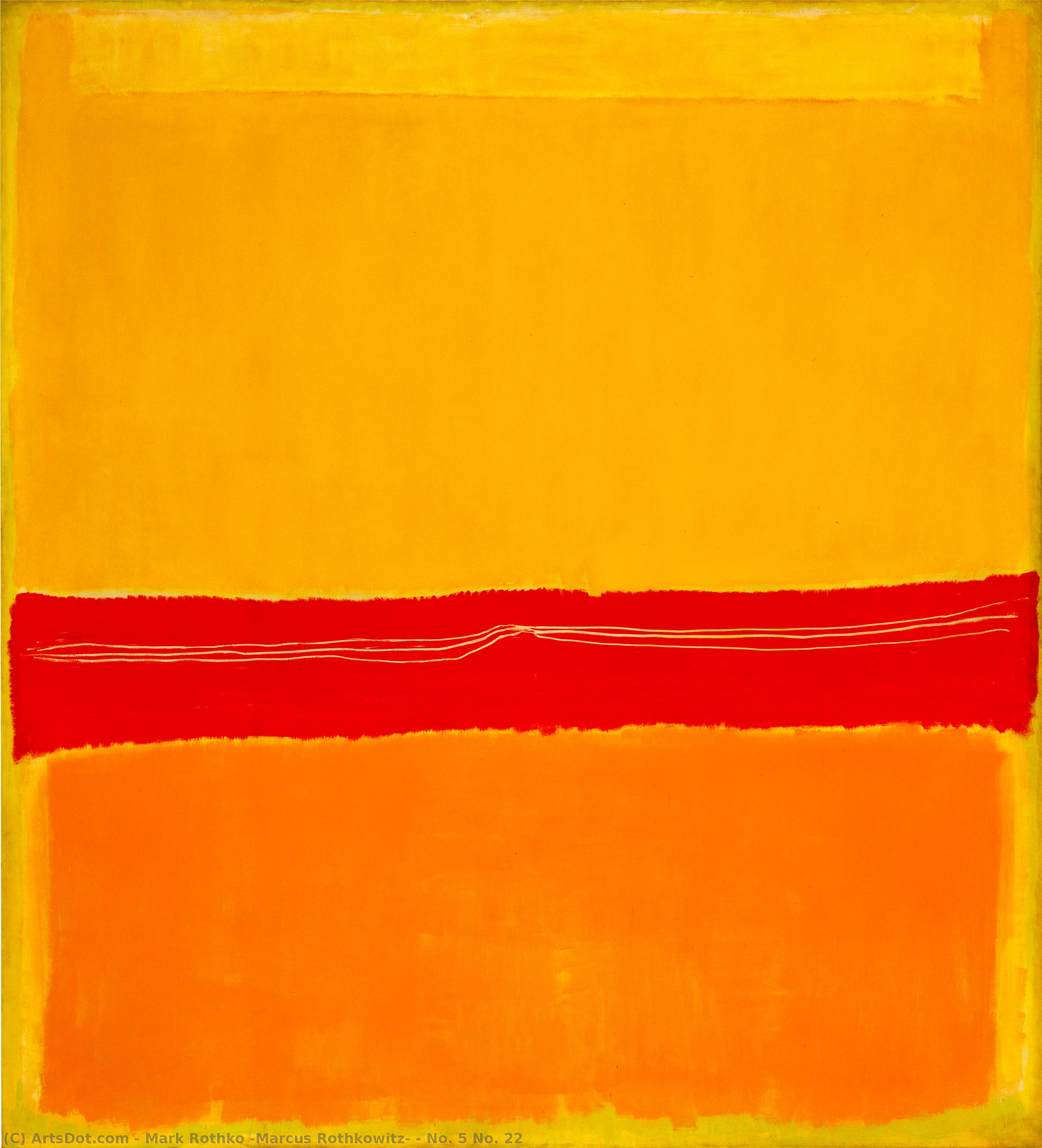
Mark Rothko's *No. 5/No. 22* (1949-1950) stands as an emblem of Color Field painting and a cornerstone within the American Abstract Expressionist movement. More than just pigment on canvas, it embodies a profound quest for emotional resonance—a deliberate attempt to bypass representational imagery altogether and tap into primal human feelings. Situated in the Museum of Modern Art (MoMA), this monumental artwork continues to fascinate viewers with its understated grandeur and enduring enigma. Its impact transcends mere visual aesthetics; it invites contemplation on themes of spirituality, grief, and the sublime.
From Figuration to Feeling: Rothko’s Artistic Journey
Rothko's artistic evolution was marked by a gradual relinquishing of representational forms. Initially drawn to figurative painting—particularly portraits—he progressively stripped away recognizable subjects, driven by an unwavering conviction that true art could communicate directly with the viewer’s subconscious. This transformative process culminated in the *Multiform* series (1947-1949), a pivotal step toward establishing his signature style characterized by large, rectangular blocks of color. *No. 5/No. 22*, born from this formative period, exemplifies this decisive shift—a conscious rejection of depicting the external world in favor of expressing its inner essence.
Technique and Texture: A Deliberate Spontaneity
What distinguishes *No. 5/No. 22* is Rothko’s innovative application of paint – a technique that defies conventional categorization. Unlike many Color Field painters who favored smooth, blended surfaces, this piece reveals a textured surface achieved through a process of gouging into the layers of cadmium red pigment with a blunt instrument. These purposeful incisions create subtle white lines that disrupt the apparent flatness of the canvas and introduce an element of visual tension—a deliberate counterpoint to Rothko’s ambition to evoke profound emotion. The composition is dominated by three horizontal bands of color: deep orange, vibrant yellow, and intense crimson red. Each band is applied in luminous layers, creating a palpable sense of depth and luminosity. This method isn't merely about color; it’s about experiencing it—its weight, its warmth, its ability to resonate within the viewer’s psyche.
Emotional Resonance: Tragedy, Ecstasy, and Beyond
Rothko wasn’t interested in crafting aesthetically pleasing artworks designed for passive admiration. Instead, he pursued a radically different artistic goal – to provoke visceral emotional responses—to elicit feelings of sorrow, joy, or awe. He believed that color relationships alone were insufficient; it was the *interaction* between hues, their luminosity, and their scale that triggered these profound sensations. In *No. 5/No. 22*, the rectangular forms don’t simply occupy space on the canvas; they seem to breathe—to pulsate with an inner vitality—enhancing the painting's contemplative atmosphere through chromatic afterimage effects – where prolonged observation of one color influences our perception of adjacent shades. This subtle interplay contributes to the artwork’s hypnotic quality and invites viewers to confront their own emotional landscape.
Historical Context & Legacy
Created in the immediate aftermath of World War II, *No. 5/No. 22* reflects a broader cultural preoccupation with existential anxieties—the confrontation with mortality, the questioning of meaninglessness. Abstract Expressionism emerged as an artistic response to these turbulent times, offering a new visual language for articulating fundamental human experiences. Rothko’s unwavering commitment to emotional honesty and his pioneering technique profoundly impacted subsequent generations of artists, securing his place as one of the most influential figures in modern art history. His enduring legacy resides not only in its aesthetic beauty but also in its capacity to inspire contemplation on profound philosophical questions—a testament to the transformative power of art.
Integrating Rothko into Your Space
- For Collectors: Acquiring a high-quality reproduction of *No. 5/No. 22* represents an investment in artistic heritage, bringing a touch of contemplative serenity and intellectual depth to any curated collection.
- For Interior Designers: This artwork’s rich chromatic palette and subdued mood harmonize beautifully with minimalist furnishings and neutral color schemes—serving as a striking focal point in living rooms or meditation areas.
- For Art Lovers: Allow yourself to immerse fully in the painting's atmosphere. Spend time observing how the colors shift subtly over time, inviting introspection and fostering a deeper appreciation for Rothko’s artistic vision.
*No. 5/No. 22* remains an unforgettable masterpiece—a beacon of color and emotion that continues to captivate audiences worldwide.


 Купи принт
 Изпрати
 Сподели
 Детайли

 Изтегляне
 Подобни
 Рентгенова снимка
 Слайдшоу

 Прочетете повече






































 Стъклото е налично само в размери под 110 см



