Ателие — Безплатна доставка по целия свят — Срок на доставка: 2–6 седмици
      Pere Serra, 1357 – 1406

      12-те най-известни картини на Pere Serra

      Madonna and Child with Angels Playing Music (1390) е картината, с която Pere Serra е най-известен; тя се намира в Национален музей за изкуствата в Каталония, Барселона. Madonna And Child With Saints George And Martin и Monestir De Sant Cugat - Retaule De Pere Serra допълват трио от най-обичаните платна. В нашия каталог са включени 12 произведения на Pere Serra. Ето 12-те най-известни, с годината, музея и историята на всяко платно.

      Класирани според нашия коефициент за популярност, който съчетава търсенията, посещенията и поръчките за всяко произведение. Обновено Октомври 2026. Всяка картина на тази страница може да бъде поръчана като ръчно рисувано маслено репродукция върху ленен хол или като висококачествен арт принт, изработен според избран от Вас размер.

      Портрет на Pere Serra
      Pere Serra · 1357 – 1406
      Роден · починал
      1357 – 1406
      Движение
      Gothic
      Работи в нашия каталог
      12
      Най-известни
      Madonna and Child with Angels Playing Music (1390)
      Най-много творби в
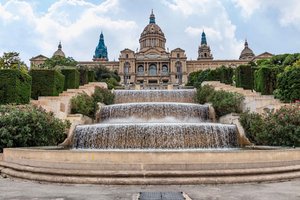
      Национален музей за изкуствата в Каталония

      Десетте най-обичани картини на Pere Serra

      Madonna and Child with Angels Playing Music (1390) на Pere Serra
      1

      Madonna and Child with Angels Playing Music

      In the quiet halls of the Museu Nacional d'Art de Catalunya, there exists a window into a more spiritual age, a moment where the earthly and the divine converge through the brushstrokes of Pere Serra. His masterpiece, Madonna and Child with Angels Playing Music, is not merely a painting but a profound sensory experience that transcends the boundaries of the fourteenth century. As one gazes upon this tempera on wood…

      Pere Serra: платна от 11 до 12 в класирането

      Най-често рисувано от Pere Serra

      Четирите найчесто срещани сюжета на тези платна, всеки с най-обичания си пример.

      Къде са изложени картините на Pere Serra

      Музеят, който притежава най-голям брой от картините на тази страница.

      Музеи Град Творения на Pere Serra Картини от този списък
      Национален музей за изкуствата в Каталония, БарселонаНационален музей за изкуствата в Каталония Барселона 4 Madonna and Child with Angels Playing Music, Saint John The Baptist, Saint Mary Magdalene, Saint James The Less And Saint Paul, Aint Peter, Saint Claire, Saint James The Great And Saint John The Evangelist

      Най-известните картини на Pere Serra, една след друга

      Картините на Pere Serra от 1390 г. на тази страница са подредени според тяхната известност.

      1. 1390
        Madonna and Child with Angels Playing Music (1390) на Pere Serra
        Класиран 1 от 12

        Madonna and Child with Angels Playing Music

        Възраст 33 · Национален музей за изкуствата в Каталония

        In the quiet halls of the Museu Nacional d'Art de Catalunya, there exists a window into a more spiritual age, a moment where the earthly and the divine…

      2. 1390

      Картините на Pere Serra, въпрос по въпрос

      С кое платно е най-известен Pere Serra?Прочетете отговора

      Madonna and Child with Angels Playing Music (1390), Национален музей за изкуствата в Каталония, Барселона. Следват Madonna And Child With Saints George And Martin и Monestir De Sant Cugat - Retaule De Pere Serra.

      Madonna and Child with Angels Playing Music: на каква възраст беше Pere Serra, когато е нарисувана?Прочетете отговора

      Pere Serra, роден в 1357, е на 33 години: Madonna and Child with Angels Playing Music е от 1390 г.

      Кои са десетте най-известни картини на Pere Serra?Прочетете отговора

      Madonna and Child with Angels Playing Music, Madonna And Child With Saints George And Martin, Monestir De Sant Cugat - Retaule De Pere Serra, Virgem, Monestir De Sant Cugat - Retaule De Pere Serra - Verge, Crucifixió De Sant Pere. Pintura Gòtica De Pere Serra, Madonna With Angels Playing Music, Saint John The Baptist, Saint Mary Magdalene, Saint James The Less And Saint Paul, Aint Peter, Saint Claire, Saint James The Great And Saint John The Evangelist и Taula De La Nativitat, Rpocedent D'un Retaule De L'església De Sant Pere De Cubells. Всяко платно в горната класация е придружено с годината на създаване и музея, в който се намира.

      Колко картини е създал Pere Serra?Прочетете отговора

      В нашия каталог има 12 произведения на Pere Serra.

      Къде се намират най-известните платна на Pere Serra днес?Прочетете отговора

      Предимно в Национален музей за изкуствата в Каталония (Барселона); списъкът по-горе изброява всеки музей и неговите платна.

      Кога Pere Serra е създал най-известните си картини?Прочетете отговора

      В 1390, който включва 2 от 12 произведения на тази страница, Madonna and Child with Angels Playing Music сред тях.

      Кои са най-често изобразяваните сюжети на Pere Serra?Прочетете отговора

      Virgin mary (5), Angels (3) и Saints (3), разпределени в 12 произведения на тази страница.

      С кое художествено направление е свързан(а) Pere Serra?Прочетете отговора

      Gothic, както показват картините на тази страница.

      Кои картини на Pere Serra се съхраняват в Национален музей за изкуствата в Каталония?Прочетете отговора

      В Национален музей за изкуствата в Каталония, Барселона се съхраняват 4 от произведенията на тази страница, сред които са Madonna and Child with Angels Playing Music, Saint John The Baptist, Saint Mary Magdalene, Saint James The Less And Saint Paul и Aint Peter, Saint Claire, Saint James The Great And Saint John The Evangelist.

      Къде мога да купя репродукция от картина на Pere Serra?Прочетете отговора

      Да. Всяка картина на тази страница може да бъде поръчана от нейната собствена страница като ръчно рисувано маслено репродукция или като висококачествен арт-принт в избран от Вас размер.

      Запознайте се с художника: Pere Serra

      The Refined Vision of Pere Serra: A Catalan Master of the Late Gothic

      Pere Serra, also known as Jaume Serra, stands as a compelling figure in the transition from the International Gothic style to the burgeoning Renaissance aesthetic within Catalonia. Born around 1357 and passing away in 1406, his life coincided with a period of significant artistic and cultural change across Europe, yet he maintained a distinctly Catalan sensibility throughout his career. While biographical details remain scarce – a common fate for artists working before widespread documentation – Serra’s surviving works speak volumes about his skill, refinement, and the patronage that supported his endeavors. He was deeply embedded in the artistic community surrounding Barcelona and, crucially, the influential monastery of Sant Cugat del Vallès, where much of his most important work can still be found today. His paintings weren't merely decorative; they were integral to religious devotion, designed to inspire contemplation and convey complex theological narratives to a largely illiterate populace.

      Early Influences and Artistic Development

      Serra’s formative years likely saw him apprenticed within one of the numerous workshops flourishing in Barcelona during the 14th century. The city was a vibrant hub for trade and artistic exchange, exposed to influences from Italy, France, and Flanders. The International Gothic style, characterized by elegant figures, rich colors, lavish ornamentation, and meticulous detail, would have been dominant at this time. However, Serra’s work quickly distinguishes itself through a subtle yet profound shift in emphasis. While he embraced the decorative qualities of the Gothic tradition, he infused his compositions with a greater sense of naturalism and emotional depth than many of his contemporaries. The influence of Italian painting is often cited, particularly the works of artists like Simone Martini, though Serra adapted these influences to suit the Catalan context, creating a uniquely lyrical and expressive style. His early paintings demonstrate a mastery of tempera technique, employing layered glazes to achieve luminous colors and delicate modeling. He wasn’t simply copying existing styles; he was synthesizing them into something new – a distinctly Catalan Gothic voice.

      The Monestir de Sant Cugat: A Center for Serra's Art

      The monastery of Sant Cugat del Vallès proved to be the defining artistic environment for Pere Serra. He received numerous commissions from the monastic community, undertaking extensive work on the altarpieces and devotional panels within the church. This long-term patronage allowed him to develop a cohesive visual language and explore complex iconographic programs. The ‘Virgem’ (Virgin Mary) series, in particular, showcases Serra's exceptional skill in depicting religious figures with grace, dignity, and profound emotional resonance. These panels weren’t isolated images; they were part of a larger devotional scheme intended to guide the faithful through their spiritual journey. His work at Sant Cugat also reveals his understanding of architectural space, as he carefully considered how his paintings would interact with the surrounding environment – the light filtering through stained glass windows, the arrangement of sculptural elements, and the overall atmosphere of the church. The altarpieces were not merely artworks; they were integral components of a sacred space designed to facilitate worship.

      Themes, Symbolism, and Technical Mastery

      Serra’s paintings are deeply rooted in Christian iconography, but he imbued these traditional themes with a distinctly Catalan sensibility. He frequently depicted scenes from the life of the Virgin Mary, emphasizing her compassion, humility, and maternal role. The Annunciation, the Nativity, and the Crucifixion were common subjects, each rendered with meticulous detail and emotional intensity.
      • His use of gold leaf wasn’t merely decorative; it symbolized divine light and the heavenly realm.
      • The vibrant colors – deep blues, rich reds, and luminous greens – evoked a sense of spiritual transcendence.
      • Serra's figures are characterized by their elegant drapery, expressive gestures, and individualized features.
      Technically, Serra was a master of tempera painting, employing layered glazes to achieve remarkable depth and luminosity. He also demonstrated a keen understanding of perspective, though his approach differed from the more mathematically precise methods that would emerge during the Renaissance. His perspective was intuitive rather than calculated, creating a sense of spatial recession through subtle shifts in scale and color. He skillfully combined realism with stylization, resulting in paintings that are both visually captivating and deeply symbolic.

      Legacy and Historical Significance

      Pere Serra’s influence on Catalan painting is undeniable. He bridged the gap between the International Gothic style and the emerging Renaissance aesthetic, paving the way for a new generation of artists who would embrace more naturalistic forms and innovative techniques. While his work was not widely disseminated beyond Catalonia during his lifetime, it exerted a profound impact on local artistic traditions. His refined style, characterized by its elegance, emotional depth, and meticulous detail, became a hallmark of Catalan painting in the 15th century. Serra’s paintings continue to inspire awe and admiration today, offering a glimpse into the religious beliefs, artistic sensibilities, and cultural values of late medieval Catalonia. He represents a pivotal moment in Spanish art history – a master who skillfully blended tradition with innovation, creating a uniquely lyrical and expressive vision that continues to resonate centuries later.

      Всички 12 произведения на Pere Serra →