1of 100
Леонардо Да Винчи 1452–1519
Италианец Born in Винчи Висок Ренесанс Wikipedia, 32 of 32 languages

Renaissance, master by master
Among the Renaissance painters, Леонардо Да Винчи (1452–1519) holds the first place, celebrated for Мона Лиза (Ла Джоконда) and Тайната вечеря. Микеланджело Буонароти, Албрехт Дюрер, Рафаело Санцио and Джото follow. The catalogue spans 100 masters, from Чимабуе (born 1240) to Лука Джордано (born 1634), across 6 countries.
About this catalogue. This catalogue gathers the artists whose works our collection records as Renaissance, ordered by our fame ranking. Artists born after 1955 with no Wikidata record await verification. Beside each name, the number of our 32 languages in which Wikipedia devotes an article to the artist.
The collection in brief
Master by master
1of 100
Италианец Born in Винчи Висок Ренесанс Wikipedia, 32 of 32 languages
2of 100
Италианец Born in Капрезе Микеланджело Висок Ренесанс, Маниеризъм Wikipedia, 32 of 32 languages

3of 100
Германец Born in Нюрнберг Северен Ренесанс Wikipedia, 32 of 32 languages

He did not merely observe the surface of things; he applied a rigorous, analytical approach to the way light falls upon a limb or how a body occupies space. He moved beyond the simple imitation of nature, striving instead to grasp the underlying rules that govern its form. Even in his later years, his curiosity remained active, leading him through the Netherlands between 1520 and 1521.
On view at In London, the British Museum holds a vast assembly of sixty-seven of his works, offering a deep look into the precision of his vision.
4of 100
Италианец Born in Урбино Висока ренесансна школа Wikipedia, 32 of 32 languages

6of 100
Италианец Born in Пиеве ди Кадоре Венециански Ренесанс Wikipedia, 32 of 32 languages

His subjects were as varied as the people who walked the streets of Venice. In works like Venus of Urbino, he redefined how the human form was presented, using color to create a sense of presence that felt almost tactile. His paintings remain in the great collections of the world, from the Prado in Madrid to the National Gallery in London, serving as a permanent record of a man who mastered the art of seeing.
7of 100
Италианец Born in Флоренция Ранен Ренесанс Wikipedia, 31 of 32 languages

8of 100
Италиански Born in Сан Джовани Валдарно Ранен Ренесанс Wikipedia, 31 of 32 languages

9of 100
Нидерландски Born in 'c-Хертогенбос Сюрреализъм, Символизъм Wikipedia, 32 of 32 languages

He does not seek the smooth, invisible surface favored by many of his contemporaries. Through the precise use of glazing—layering thin, translucent washes of color—he achieves a sense of luminous depth and intricate texture. Salvador Dalí and Max Ernst looked toward his canvases to find a visual language for the subconscious, drawing direct inspiration from his ability to render the impossible with startling clarity.
On view at The weight of Bosch's legacy is concentrated heavily in Madrid.
10of 100
Италианец Born in Сансеполкро Ранен Ренесанс Wikipedia, 30 of 32 languages

11of 100
Фламандска Born in Бреда Северно Ренесанс Wikipedia, 32 of 32 languages

12of 100
Италианец Born in Викио Ранен Ренесанс Wikipedia, 31 of 32 languages

Museo di San Marco, Флоренция: Този музей съхранява най-голямата и значима колекция от творби на фра Анжелика, включително зашеметяващите фрески от манастира. The Louvre Museum (Париж): Няколко важни картини на фра Анжелика могат да бъдат намерени в обширната колекция на Лувъра. The National Gallery (Лондон): Националната галерия се гордее с подбор от негови творби, предлагайки на посетителите поглед към неговия художествен гений.
13of 100
Италианец Born in Падуа Ранен Ренесанс Wikipedia, 30 of 32 languages

14of 100
Италианец Born in Кастелфранко Венето Венецианска школа Wikipedia, 31 of 32 languages

16of 100
Германец Born in Аугсбург Северен Ренесанс Wikipedia, 29 of 32 languages

17of 100
Италианец Born in Сиена Сиенска школа, Треченто готика Wikipedia, 31 of 32 languages

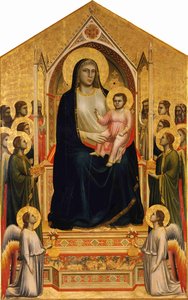
Maestà, 1308-1311. Еволюцията на майсторския почерк на Дучио Ди Буонисегна е отчетливо видима в създадената през 1285 г. Rucellai Madonna (1285). Христос, прощаващ се с апостолите (1308).
18of 100
Италианец Born in Флоренция Византиански и Ренесансов Wikipedia, 28 of 32 languages

19of 100
Италианец Born in Верона Маниеризъм, Натурализъм, Венецианска школа Wikipedia, 31 of 32 languages

20of 100
Италианец Born in Венеция Венецианска ренесансна школа Wikipedia, 30 of 32 languages

Dead Christ Supported by the Madonna and St John (1460 г.).
21of 100
Италианец Born in Флоренция Ренесанс Wikipedia, 31 of 32 languages

He left behind a legacy that extends far beyond the numerous frescoes and paintings he created; it’s enshrined within the works of those he trained, most notably Michelangelo.
22of 100
Германец Born in Кронах Германски Ренесанс Wikipedia, 31 of 32 languages

23of 100
Италиански Born in Чита дела Пиеве Ренесанс Wikipedia, 30 of 32 languages

"Девата и Младенчето, заобиколени от два ангела": Смятана за едно от най-великите постижения на Ле Перумуджино, тази шедьовър е пример за неговото майсторство в цвета и композицията, улавяйки нежността на Мария и Исус с спираща дъха чувствителност.
24of 100
Италианец Born in Венеция Венециански Ренесанс Wikipedia, 26 of 32 languages

25of 100
Италиански Born in Кремона Ренесанс изкуство Wikipedia, 29 of 32 languages

26of 100
Италианец Born in Флоренция Ранен Ренесанс Wikipedia, 30 of 32 languages

28of 100
Германец Born in Вюрцбург Германски Ренесанс, Поздна готика Wikipedia, 29 of 32 languages

29of 100
Фламандска Born in Брюксел Златен век на Нидерландия Wikipedia, 27 of 32 languages

His ability to translate biblical narratives, such as the Massacre of the Innocents, into contemporary Netherlandish settings allowed his art to resonate with the political and social tensions of the Eighty Years' War, making his work deeply embedded in the historical consciousness of his era. Ultimately, the legacy of Brueghel the Younger is one of continuity and expansion. His early years were shaped by a household steeped in creativity, nurtured by his mother, Mayken Coceke van Aelst —an accomplished miniature painter—and guided by the foundational artistic wisdom of his grandmother, Mayken Verhulst.
30of 100
Италианец Born in Флоренция Висок Ренесанс и Маниеризъм Wikipedia, 28 of 32 languages

31of 100
Германец Born in Регенсбург Данубската школа, Ренесанс Wikipedia, 28 of 32 languages

Altdorfer is most prominently recognized as a key figure within the Danube School, an influential artistic circle active throughout southern Germany during the early 16th century. This shift was dramatically catalyzed by a transformative journey down the Danube River and into the heart of the Alps around 1511. His collaboration with Emperor Maximilian I in Innsbruck from 1513 further expanded his artistic horizons and provided opportunities to undertake large-scale projects for the imperial court.
34of 100
Италиански Born in Перуджа Ренесанс Wikipedia, 28 of 32 languages

While he may not have achieved the widespread fame enjoyed by Leonardo da Vinci or Michelangelo, his influence on subsequent generations of artists remains undeniable—particularly in the realm of decorative painting.
36of 100
Фламелски Born in Гент Ранно фламандско изкуство Wikipedia, 25 of 32 languages

Van der Goes’s artistic signature lies in his ability to infuse religious scenes with a startling sense of immediacy and emotional weight. The influence of Jan van Eyck’s meticulous detail is evident, but Van der Goes transcends imitation, forging a style uniquely his own. Perhaps Van der Goes’s most celebrated work is the Portinari Altarpiece, commissioned by Tommaso Portinari, an Italian banker residing in Bruges.
38of 100
Италианец Born in Флоренция Ранен Ренесанс Wikipedia, 31 of 32 languages

39of 100
Италианец Born in Флоренция Ранен Ренесанс Wikipedia, 31 of 32 languages

40of 100
Италианец Born in Венеция Ренесанс, Маниеризм Wikipedia, 29 of 32 languages

The influence of Raphael is noticeable in the more structured compositions and precise detailing found in works like The Entombment, demonstrating Lotto’s growing command of perspective and anatomical accuracy. Later, during his extended stay in Bergamo, he absorbed elements of Lombard realism, adding a grounded physicality to his figures—a shift away from the purely Venetian idealism. The Portrait of Bishop Bernardo de’ Rossi exemplifies this Lombard influence, presenting a realistic portrayal of the subject's age and character.
41of 100
Италиенец Born in Флоренция Ренесансова скулптура Wikipedia, 24 of 32 languages

42of 100
Италианска Born in Венеция Ренесанс Wikipedia, 29 of 32 languages

43of 100
Италиански Born in Флоренция Ренесанс Wikipedia, 23 of 32 languages

44of 100
Германия Born in Швебиш Гмюнд Ренесанс, Маниеризъм Wikipedia, 25 of 32 languages

The pivotal moment in Baldung's career arrived in 1503 when he became a workshop apprentice to Albrecht Dürer in Nuremberg. He absorbed the lessons of the Renaissance masters, particularly Dürer’s mastery of perspective and engraving, but infused them with a uniquely German sensibility – one characterized by expressive color, imaginative compositions, and an increasingly unsettling psychological depth. His initial training commenced around 1500 in the Upper Rhineland with an artist from Strasbourg, providing him with a foundational understanding of draftsmanship and composition.
45of 100
Италианец Born in Флоренция Международна готическа Wikipedia, 25 of 32 languages

47of 100
Италиански Born in Сиена Ранен Ренесанс Wikipedia, 27 of 32 languages

48of 100
Фламандски Born in Мобьож Романистична живопис Wikipedia, 23 of 32 languages

49of 100
Италиански Born in Флоренция Изкуствено движение или стил Wikipedia, 27 of 32 languages

50of 100
Италианец Born in Венеция Ренесанс, Маниеризм Wikipedia, 23 of 32 languages

51of 100
Италиански Born in Паникале Ранен Ренесанс Wikipedia, 23 of 32 languages

53of 100
Нидерландски художник Born in Оудъоутер Ранно нидерландско изкуство Wikipedia, 22 of 32 languages

Early works reveal a clear debt to painters who dominated the visual landscape of Northern Europe during his formative years: Jacob Janszoon, Dieric Bouts, and Geertgen tot Sint Jans – masters known for their meticulous attention to detail and their ability to imbue religious narratives with profound emotional resonance.
54of 100
English Born in Ексетър Elizabethan Art Wikipedia, 19 of 32 languages

56of 100
Италиенец Born in Верчели Висок Ренесанс и Маниеризъм Wikipedia, 25 of 32 languages

58of 100
Италианец Born in Пиза Барокко, Караваджизъм Wikipedia, 22 of 32 languages

The turn of the 17th century marked a turning point in Gentileschi’s artistic trajectory. However, he wasn’t merely an imitator; rather, he filtered Caravaggio’s innovations through his existing artistic sensibilities. The revolutionary naturalism of Caravaggio burst onto the Roman art scene, challenging established conventions with its dramatic use of light and shadow – tenebrism – and unflinching realism.
59of 100
Френски Born in Тур Ренесансова портретна живопис Wikipedia, 21 of 32 languages

Jean Clouet, originating from the Southern Netherlands, brought with him to the French court the meticulous detail and realistic approach characteristic of Flemish painting. Jean Clouet's meticulous style—characterized by precise anatomical rendering and skillful use of hatching—served as a blueprint for François’s own artistic endeavors. Born around 1510 in Tours, France, his life unfolded against a backdrop of evolving artistic sensibilities and the opulent world of the Valois monarchy.
60of 100
Италиански Born in Венеция Ранен Ренесанс Wikipedia, 21 of 32 languages

61of 100
Тиролски Born in Фалцес Ренесанс и Готика Wikipedia, 18 of 32 languages

62of 100
Италиенец Born in Флоренция Ранен Ренесанс Wikipedia, 23 of 32 languages

63of 100
Германец Born in Ротвайл Късноготически реализъм Wikipedia, 18 of 32 languages

64of 100
Италианец Born in Серина Висока ренесансна епоха Wikipedia, 22 of 32 languages

65of 100
Италианска Born in Ферара Италиански Ренесанс Wikipedia, 17 of 32 languages

67of 100
Нидерландска Born in Харлем Ранно нидерландска живопис Wikipedia, 22 of 32 languages

68of 100
Фламандска Born in Антверпе Северен маньеризъм Wikipedia, 18 of 32 languages

69of 100
Италианец Born in Кортона Италиански Ренесанс Wikipedia, 27 of 32 languages

In 1472, he is working in Arezzo, followed by a period in Città di Castello in 1474. His ability to render the human body in motion helped bridge the gap between the early Renaissance and the more complex compositions of the High Renaissance.
70of 100
Италиенец Born in Сиена Късна готика, Сиенска школа Wikipedia, 17 of 32 languages

71of 100
Италианец Born in Конелиано Венецианска ренесансова живопис Wikipedia, 19 of 32 languages

Cima’s distinctive style is characterized by its remarkable stillness—a deliberate antithesis to the turbulent emotional expressions prevalent in contemporary art. Unlike many artists of his time who sought dramatic visual impact, Cima favored subtle nuances of color and light—creating canvases that radiate an aura of contemplative peace. Cima’s artistic output comprises a considerable number of Madonna and Child paintings, many adorned with saints—most notably “ Madonna and Child with Saints Francis and Clare ” (National Gallery London) and “ Sacra Conversazione or Rest on the Flight into Egypt,” currently housed in Venice's Santa Maria dei Carmini church.
72of 100
Германец Born in Витенберг Ренесансова живопис Wikipedia, 25 of 32 languages

73of 100
Италиански Born in Флоренция Кватроченто Wikipedia, 24 of 32 languages

74of 100
Италианец Born in Венеция Късна готика, Венецианска готика Wikipedia, 23 of 32 languages

75of 100
Италиански Born in Сиена Международна готическа школа Wikipedia, 22 of 32 languages

76of 100
Италианец Born in Ферминяно Висока ренесансна епоха Wikipedia, 30 of 32 languages

77of 100
Италиански Born in Прато Висока ренесанс Wikipedia, 27 of 32 languages

78of 100
Венециански Born in Басано дел Грапа Венециански Ренесанс Wikipedia, 24 of 32 languages

80of 100
Италиански Born in Флоренция Венецианска школа Wikipedia, 22 of 32 languages

81of 100
Италиански Born in Сиена Ренесанс Wikipedia, 19 of 32 languages

82of 100
Italian Born in Флоренция Gothic, Early Renaissance Wikipedia, 20 of 32 languages

Agnolo’s formative years were steeped in the shadow of Giotto di Bondone, whose revolutionary frescoes at Assisi and Padua had irrevocably altered artistic conventions. This influence is palpable in Gaddi’s earliest works – notably the triptych now residing in Parma’s Galleria Nazionale—where monumental figures convey profound emotion through expressive gestures and carefully crafted drapery.
83of 100
Френска Born in Брюксел Ренесансова портретна живопис Wikipedia, 20 of 32 languages

84of 100
Италианец Born in Думенца Ренесанс, Маниеризм Wikipedia, 20 of 32 languages

Luini’s artistic development wasn't simply imitation; it was a sensitive assimilation of Leonardo’s techniques, filtered through his own Lombard sensibility. Early works like the Adoration of the Magi (c. 1505) in San Pietro, Luino, already hint at this emerging style – showcasing a delicate handling of light and shadow, a masterful use of perspective, and a growing mastery of composition.
85of 100
Италиански Born in Сан Годенцо Ренесанс Wikipedia, 24 of 32 languages

Like Giotto, Castagno championed a departure from the stylized conventions of Gothic art, prioritizing emotional resonance and anatomical accuracy—a stylistic decision that would resonate throughout his oeuvre. This early preoccupation foreshadowed Castagno’s later mastery of fresco technique, particularly evident in monumental commissions like the Crucifixion and Saints, executed at the Ospedale di Santa Maria Nuova (1440-1441).
86of 100
Италиански Ренесанс Born in Ферара Ферарска и Болонска школа Wikipedia, 22 of 32 languages

87of 100
Нидерландски Born in Лайден Ранно нидерландско изкуство Wikipedia, 20 of 32 languages

Geertgen tot Sint Jans distinguished himself through several key artistic innovations that set him apart from many of his contemporaries. He possessed an exceptional sensitivity to landscape, seamlessly integrating it into the narrative structure of his paintings – a departure from the more conventional practice of using landscapes merely as decorative backdrops. The devastating siege of 1573 during the Eighty Years' War proved particularly destructive, resulting in the loss of countless artworks – including a significant portion of Geertgen’s production.
89of 100
Италианска Born in Тревизо Маниеризъм Wikipedia, 18 of 32 languages

90of 100
Born in Аугсбург Renaissance portraiture Wikipedia, 19 of 32 languages

91of 100
Италиански Born in Болоня Сиенски живописен стил Wikipedia, 19 of 32 languages

92of 100
Фламандска Born in Бувийн-сюр-Мьоз Ренесансов пейзаж Wikipedia, 18 of 32 languages

However, it was the fantastical world-building of Hieronymus Bosch that arguably exerted the most significant influence. Patinir absorbed Bosch's penchant for imaginative landscapes populated with peculiar creatures and symbolic motifs, but he steered away from the moralizing allegories that characterized Bosch’s work. While concrete details about his training are scarce, scholars suggest a possible apprenticeship under Gerard David in Bruges.
94of 100
Италианец Born in Флоренция Ранен Ренесанс Wikipedia, 28 of 32 languages

In 1401, Florence held a contest of unparalleled significance: the selection of an artist to create new bronze doors for the city’s magnificent Baptistery – a commission considered the most prestigious in the entire region. Lorenzo di Bartolo – a name destined to become synonymous with artistic innovation as Lorenzo Ghiberti – was born near Florence in 1378, into a world brimming with both opportunity and challenge.
95of 100
Нидерландска Born in Антверпе Ренесансова портретна живопис Wikipedia, 20 of 32 languages

96of 100
Italian Born in Бреша Renaissance art Wikipedia, 16 of 32 languages

98of 100
Нидерландска Born in Шорл Романистски, Ренесанс Wikipedia, 20 of 32 languages

99of 100
Италианска Born in Милано Висок Ренесанс Wikipedia, 15 of 32 languages

100of 100
Герман Born in Аугсбург Италиански Ренесанс Wikipedia, 20 of 32 languages

Plates
Chronology
Notes and figures
| Италия | 69 |
|---|---|
| Германия | 10 |
| Белгия | 9 |
| Нидерландия | 8 |
| Франция | 3 |
| Обединено кралство | 1 |
| 13th century | 5 |
|---|---|
| 14th century | 11 |
| 15th century | 69 |
| 16th century | 14 |
| 17th century | 1 |
| Национална галерия | 20 |
|---|---|
| Галерия Уфици | 19 |
| Лувър | 15 |
| Kunsthistorisches Museum | 11 |
| Държавните музеи в Берлин | 9 |
| Музей Прадо | 8 |
| Gemäldegalerie | 8 |
| Метрополитън Музей на изкуствата | 8 |
Index of artists
Леонардо Да ВинчиИталианец · 1452–1519Микеланджело БуонаротиИталианец · 1475–1564Албрехт ДюрерГерманец · 1471–1528Рафаело СанциоИталианец · 1483–1520 Джото1267–1337ТицианИталианец · 1490–1576Сандро БотичелиИталианец · 1445–1510МазачоИталиански · 1401–1428Йеронимус БошНидерландски · 1450–1516Пиеро Дела ФранческаИталианец · 1415–1492Питер Брьогел СтарияФламандска · 1525–1569Фра АнджеликоИталианец · 1395–1455Андреа МантеняИталианец · 1431–1506ДжорджонеИталианец · 1478–1510
 Паоло УчелоИталианец · 1397–1475Ханс Холбайн МладияГерманец · 1497–1543Дучо ди БуонинсеняИталианец · 1255–1319ЧимабуеИталианец · 1240–1302Паоло ВеронезеИталианец · 1528–1588Джовани БелиниИталианец · 1430–1516Доменико ГирландайоИталианец · 1448–1494Лукас Кранах СтариГерманец · 1472–1553Пиетро ПеруджиноИталиански · 1448–1523Витторе КарпачоИталианец · 1465–1526Софонизба АнгуисолаИталиански · 1532–1625Филипо ЛипиИталианец · 1406–1469
 Антонио да Кореджо1489–1534Матиас ГрюневалдГерманец · 1480–1528Питер Брюгел МладиятФламандска · 1564–1638Андреа Дел СартоИталианец · 1486–1530Албрехт АлтдорферГерманец · 1480–1538
 Антонело Да МесинаИталиански · 1430–1479
 Филипино Липи1457–1504ПинтурикиоИталиански · 1454–1513
 Амброджо Лоренцети1290–1348Хюго ван дер ГусФламелски · 1440–1482
 Квинтен Масейс1466–1530ДонателоИталианец · 1386–1466Андреа ВерокиоИталианец · 1435–1488Лоренцо ЛотоИталианец · 1480–1556Лука Дела РобяИталиенец · 1399–1482Джентиле БелиниИталианска · 1429–1507Антонио Дел ПолайуолоИталиански · 1429–1498Ханс Балдунг ГрийнГермания · 1485–1545Беноцо ГоцолиИталианец · 1420–1497
 Лука ДжорданоИталианец · 1634–1705Пиетро ЛоренцетиИталиански · 1280–1348Ян Госарт (Мабюс)Фламандски · 1478–1532Пиеро ди КозимоИталиански · 1462–1522Себастиано дел ПиомбоИталианец · 1485–1547Мазолино Да ПаникалеИталиански · 1383–1447
 Лукас Ван Лейден1494–1533Герард ДавидНидерландски художник · 1460–1523Николас ХайлирдEnglish · 1547–1619
 Якопо БелиниИталиански · 1400–1470СодомаИталиенец · 1477–1549
 Козимо ТураИталиански · 1430–1495Орацио ДжентилескиИталианец · 1563–1639Франьойс КлоеФренски · 1510–1572Доменико ВенецианоИталиански · 1410–1461Михаел ПахерТиролски · 1435–1498Тадео ГадиИталиенец · 1300–1366Конрад ВицГерманец · 1400–1445Палма ВекиоИталианец · 1480–1528Франческо Дел КосаИталианска · 1436–1477
 Жан Фукефранцуз · 1420–1478Дирик БаутсНидерландска · 1415–1475Бартоломеус СпрангерФламандска · 1546–1611Лука СиньорелиИталианец · 1450–1523Стефано ди Джовани СасетаИталиенец · 1392–1450Джовани Батиста Чима Да КонелианоИталианец · 1459–1517Лукас Кранах МладиГерманец · 1515–1586Козимо РоселиИталиански · 1439–1507Карло КривелиИталианец · 1435–1495Лоренцо МонакоИталиански · 1370–1425Донато БрамантеИталианец · 1444–1514Фра БартоломеоИталиански · 1472–1517Якопо БасаноВенециански · 1510–1592
 Филипео Брунелески1377–1446Лоренцо Ди КредиИталиански · 1459–1537Франческо ди ДжорджоИталиански · 1439–1501Агноло ГаддиItalian · 1350–1396Жан КлуеФренска · 1480–1541Бернардино ЛуиниИталианец · 1480–1532Андреа дел КастаньоИталиански · 1420–1457Лоренцо КостаИталиански Ренесанс · 1460–1535Геертген ван ХааремНидерландски · 1460–1490
 Франс ФлорисФламанд · 1517–1570Парис БордонеИталианска · 1500–1571Ханс Холбайн Старши1465–1524Франческо ФранчаИталиански · 1447–1517Йоахим ПатинирФламандска · 1480–1524
 Йоахим ПатенирФланден · 1481–1524Лорънцо ГибетиИталианец · 1378–1455Антонис МорНидерландска · 1519–1575Моретто Да БрешиаItalian · 1498–1554
 Маертен Де Вос1532–1603Ян Ван СкорелНидерландска · 1495–1562Франческо МелциИталианска · 1491–1570Ханс Бургкмайр СтаршиГерман · 1473–1531
The visitor asks
Леонардо Да Винчи (#1) is first in this ranking, followed by Микеланджело Буонароти (#2) and Албрехт Дюрер (#3).
Леонардо Да Винчи (#1), Микеланджело Буонароти (#2), Албрехт Дюрер (#3), Рафаело Санцио (#4) and Джото (#5).
Most painters in this list were born in the 15th century (69 of 100), between 1240 and 1634 overall.
Италия: 69 of the 100 painters in this list were born there, then Германия (10) and Белгия (9).
This list includes 1 women: Софонизба Ангуисола (#25).
“He even adopted the subtle blending of tones known as sfumato, using it to soften transitions and add a sense of atmospheric depth to his compositions.” — from our biography of Албрехт Дюрер (#3).
The earliest-born painter in this list is Чимабуе (#18), born in 1240.
The highest-ranked painters born in Италия are Леонардо Да Винчи (#1), Микеланджело Буонароти (#2), Рафаело Санцио (#4), Джото (#5) and Тициан (#6).
The highest-ranked painters born in Германия are Албрехт Дюрер (#3), Ханс Холбайн Младия (#16), Лукас Кранах Стари (#22), Матиас Грюневалд (#28) and Албрехт Алтдорфер (#31).
Флоренция: 17 of the painters in this list were born there.
The museums holding the most key works of this list are Национална галерия (20), Галерия Уфици (19) and Лувър (15).
Our catalogue holds 19,218 works by these painters. Each one can be ordered as a hand-painted oil reproduction or a print.
Reading room
Further rooms