Convent of Las Descalzas Reales – A Tapestry of Faith and Artistic Legacy
The Convent of Las Descalzas Reales stands as an unparalleled testament to Spanish Habsburg grandeur, a place where royal patronage intersected with profound religious devotion and yielded one of Europe’s most extraordinary artistic collections. Located in the heart of Madrid, this UNESCO World Heritage Site offers visitors a journey through time—from its origins as a palace for Charles V to its transformation into a contemplative monastery and finally, into a celebrated museum showcasing masterpieces by titans like Titian and Rubens.
Origins and Patronage: From Royal Residence to Sacred Sanctuary
Founded in 1559 by Joanna of Austria, daughter of Emperor Charles V and Empress Isabel of Portugal, the convent’s genesis lies within the opulent walls of El Escorial—the imperial palace itself. Initially conceived as a refuge for widowed noblewomen seeking solace after marriage, Las Descalzas Reales swiftly amassed considerable wealth through generous dowries brought by its inhabitants. This remarkable endowment fueled an ambitious vision: to establish a bastion of piety and artistic excellence, overseen by the Poor Clare Order. The patronage of successive monarchs—Philip II, Philip III, and Alfonso XII—further solidified this ambition, resulting in monumental architectural additions and commissioning works of art that would define the era’s aesthetic sensibilities.
Architectural Marvels: Echoes of Toledo and Baroque Elegance
The convent's architecture reflects a fascinating blend of influences. Juan Bautista de Toledo, renowned for his work on El Escorial, laid the initial groundwork for the palace’s conversion into a monastery, establishing a harmonious dialogue between royal grandeur and monastic simplicity. Subsequent architects—Antonio Sillero and Juan Gómez de Mora—refined the design, incorporating Baroque elements that accentuated the church façade, altar, choir, and sacristy. The intricate sculptural ornamentation—particularly the statue of Joanna of Austria at prayer—demonstrates the highest standards of craftsmanship achieved during the Spanish Golden Age.
A Treasure Trove of Renaissance Splendor: Titian’s Caesar's Money and Rubens’ Tapestries
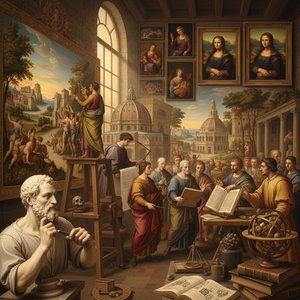
The convent’s collection boasts an unrivaled concentration of Renaissance masterpieces, spearheaded by Titian’s *Caesar’s Money*, a monumental altarpiece that exemplifies the artist’s mastery of color and composition while simultaneously conveying profound religious symbolism. Equally captivating are Peter Paul Rubens’ lavish tapestries—woven according to his designs—which adorn the chapel walls and illuminate the narrative power of biblical stories. These textiles, imbued with vibrant hues and dynamic movement, exemplify Rubens' signature Baroque style and contribute significantly to the museum’s immersive atmosphere.
Relics and Portraits: Fragments of Faith and Royal Lineage
Beyond visual art, Las Descalzas Reales houses a collection of sacred relics—purported fragments of Christ’s cross and bones of Saint Sebastian—that evoke the spiritual fervor of the period. These objects serve as tangible reminders of medieval piety and underscore the convent's enduring connection to Christian tradition. Furthermore, rare portraits depicting royal children from the Polish-Lithuanian Commonwealth offer insight into diplomatic relations during Charles V’s reign and illuminate the complexities of Habsburg diplomacy. The meticulous detail and expressive quality of these portraits—executed by artists like Marcin Kober and Juan van der Hamen y León—provide invaluable glimpses into the lives of European royalty.
A Singular Legacy: From Royal Palace to Museum of Artistic Heritage
What distinguishes Las Descalzas Reales is its extraordinary transformation—a narrative etched in stone, pigment, and thread. Its evolution from a royal residence to a wealthy convent and finally to a public museum underscores the shifting priorities of Spanish society and celebrates the enduring power of artistic patronage. Today, visitors can immerse themselves in this captivating story, encountering not only breathtaking artworks but also the legacy of centuries-old faith and noble ambition—a testament to Madrid’s cultural heritage and an unforgettable experience for anyone captivated by art history.