


 Zobrazit v interiéru
 Odeslat
 Sdílet
 Podrobnosti
 Průvodce

 Stáhnout obrázek
 Podobné kousky
 Rentgenové snímky
 Slideshow
 Statistiky
Fruit
 Oil On Canvas
- WallArt
- Impressionism
 1888
1888- 19th Century
 54.0 x 44.0 cm
 Metropolitní muzeum umění
Admire Julian Alden Weir’s ‘Fruit’ (1888), a vibrant Impressionist still life featuring apples, oranges & grapes. Hand-painted reproduction – perfect for art lovers.
 Přečíst si více
Julian Alden Weir (1852-1919): Americký impresionista, člen skupiny "The Ten", mistr krajinářství a tonalismu. Objevte jeho díla na Weir Farm National Historic Site.
Ručně malovaná olejová reprodukce
Ručně malované olejné plátno v libovolném rozměru i s rámem, vyrobené našimi umělci na zakázku. ( Přepnout na tiskové verze Přepnout na digitální verzi obrazu)




P118B $10

P118H $10

P118W $10

P438Z $10

P508JH $12

P508YH $12

P805H $10

P805Z $10

P919BZ $10

P919G $10

P919XJ $10

P959ZH $10

P968JZ $12

W106C $8

W218G $10

W218JH $8

W218Y $10

W307PJ $10

W316G $10

W316PJ $8

W316Y $10

W398PJ $8

W4111J $10

W500HY $15

W500JH $15

W692G $12

W849H $8

W940BG $15

W953PJ $8




Standardní velikost
na zakázku
CM
INCH
Vyberte si z našich přednastavených velikostí, které odpovídají původním proporcím díla.
Loading sizes...

šířka
výška
Můžete zadat vlastní rozměry pro konkrétní rám nebo prostor. Pokud se vámi vybraná velikost neshoduje s proporcemi původního obrazu, dílo buď ořízneme, nebo jej doplníme ručně malovanými prvky. Před zahájením výroby vám bude zaslán digitální náhled ke schválení.
Upozorňujeme, že náhled na obrazovce neodpovídá skutečnému ořezu ani rozšíření. Pouze digitální náhled přesně zobrazí finální kompozici.
Ačkoliv je možné zvolit vlastní velikost, pro zachování původních proporcí doporučujeme vybrat rozměr z předdefinovaného seznamu.
Příklady možných změn: nahrazení obličeje vlastní fotografií; přidání domácího mazlíčka (např. nahrazení kočky psem); vložení skrytého vzkazu do pozadí; změna krajiny nebo prvků v pozadí.
Po přijetí objednávky vám tým TopImpressionists.com zašle e-mail s pokyny a poskytne náhledovou verzi.
Po přijetí objednávky vám tým TopImpressionists.com zašle e-mail s pokyny a poskytne náhledovou verzi.
Celosvětová doprava () za 3–4 týdny namísto standardních 5 týdnů. (25 září). Bez kompromisů v kvalitě.

Zdarma celosvětová expresní doprava

Vysoce kvalitní lněné plátno

Úplné pojištění přepravy

Záruka vrácení celního poplatku

Záruka věrného barevného shodu

100dení lhůta pro vrácení zboží (pouze při vadách výroby)

100% garance vrácení peněz

Sleva při více objednávkách
 Skleněná varianta je dostupná pouze u rozměrů menších než 110 cm

Fruit
Technika provedení
Velikost reprodukce
-


Celková cena
$ 269
Julian Alden Weir’s “Fruit”: A Still Life of Transient Beauty
Julian Alden Weir's 1888 painting, "Fruit," offers a captivating glimpse into the burgeoning world of American Impressionism. More than just a depiction of apples, oranges, and grapes arranged on a table, it’s a meditation on beauty, decay, and the fleeting nature of existence – a core tenet of the *vanitas* tradition prevalent in European art at the time. Weir, born in West Point, New York, inherited an artistic lineage deeply rooted in formal training, beginning with his father's instruction at the United States Military Academy, yet it was his immersion in Parisian ateliers and encounters with artists like Jean-Léon Gérôme that truly ignited his distinctive style. This painting represents a pivotal moment in Weir’s artistic journey – a deliberate shift away from the rigid academicism of his early years towards a more subjective and emotionally resonant approach to capturing the world around him.
The composition itself is deceptively simple, yet meticulously crafted. The arrangement of the fruit—the vibrant red of the apples, the sunny yellow of the oranges, and the deep purple of the grapes – draws the eye immediately. Notice how Weir doesn’t strive for photographic realism; instead, he employs loose brushstrokes and a muted palette, prioritizing atmosphere and light over precise detail. The table, rendered with subtle tonal variations, provides a grounding element, anchoring the vibrant fruits within a sense of quiet contemplation. This deliberate choice reflects the influence of artists like Edouard Manet, whom Weir admired and whose work encouraged him to explore more intimate still lifes that evoked the *vanitas* tradition – a reminder of mortality and the transience of earthly pleasures.
The Influence of *Vanitas* and the Symbolism of Decay
“Fruit” is deeply informed by the *vanitas* genre, a popular theme in Northern European art during the 16th and 17th centuries. *Vanitas* paintings typically featured symbolic objects – skulls, decaying fruit, extinguished candles – to remind viewers of the inevitability of death and the futility of worldly pursuits. While Weir’s work isn't overtly morbid, the inclusion of ripe fruit on the verge of decay subtly conveys this underlying theme. The slightly bruised apple, for instance, hints at the passage of time and the ephemeral nature of beauty. The grapes, plump and luscious, represent abundance and pleasure, but their proximity to the decaying elements suggests that even these joys are ultimately transient.
Beyond *vanitas*, individual fruits carry specific symbolic weight. Apples have long been associated with knowledge, temptation, and immortality in Western art. Oranges, introduced to Europe from the East, represented wealth and luxury. Grapes symbolize abundance, fertility, and joy. Weir’s careful selection of these elements creates a layered visual narrative, inviting viewers to contemplate not just the beauty of the fruit itself, but also its deeper meaning.
Technique and Artistic Style
Weir's masterful technique is evident in his skillful use of light and shadow. He employs broken color—applying small dabs of paint rather than blending them smoothly—to create a sense of luminosity and atmospheric depth. The brushstrokes are loose and expressive, capturing the texture of the fruit’s skin and the sheen of its surfaces. This approach aligns with the Impressionist movement's emphasis on capturing fleeting moments and subjective perceptions. The painting is executed in oil on canvas, a medium that allowed Weir to achieve rich colors and subtle tonal variations.
Interestingly, this period of Weir’s work – the 1880s – saw him moving away from his earlier academic style and embracing a more intimate and emotionally driven approach. His connection with artists like Edouard Manet during his time in Paris undoubtedly played a role in this transformation. The painting's quiet elegance and contemplative mood reflect Weir’s growing confidence as an artist, signaling a shift towards a distinctly American brand of Impressionism.
A Reproduction for Art Lovers
TopImpressionists is proud to offer a meticulously hand-painted reproduction of Julian Alden Weir’s “Fruit.” This isn't merely a print; it’s a faithful recreation of the original, capturing the artist’s delicate brushwork and evocative atmosphere. The 54 x 44 cm size makes this piece ideal for adding a touch of timeless beauty to any room – from a cozy study to a sophisticated dining area. The subtle color palette and nuanced details will bring a sense of serenity and contemplation to your space, reminding you of the fleeting nature of beauty and the importance of appreciating the present moment. Explore our collection today and bring home a piece of art history.
Související díla


Biografie umělce
Early Life and Artistic Foundations
Julian Alden Weir, narozený 30. srpna 1852 v West Point, New York, zdědil uměleckou tradici, která hluboce ovlivnila jeho cestu. Jeho otec, Robert Walter Weir, byl respektovaný malíř a učitel kreslení na Vojenském akademii West Point, který synovi od útlého věku vnášel hluboké ocenění pro umění. Samotný dům byl živým studiem, plným nástrojů a inspirace kreativního života. Tento pečlivý prostředí rozšířil i jeho starší bratr, John Ferguson Weir, který se také stal významným krajinářem. Julianova první formální výuka začala na Národní akademii v New Yorku kolem roku 1870, kde získal pevné základy v tradičních technikách. Nicméně to byla jeho cesta do Paříže v roce 1873, která skutečně rozpalila jeho umělecký rozvoj. Studium pod Jean-Léonem Gérôme na École des Beaux-Arts mu poskytlo akademickou přísnost a pečlivost detailů, zatímco přátelství s umělci jako Jules Bastien-Lepage rozšířila jeho perspektivu ohledně možností malby. Ze začátku si Weir vážně odporoval vůči vznikajícímu impresionistickému hnutí, odráženému v jeho odmítání jeho údajné absence formy a struktury jako "strašlivé". Tento raný odpor se ukázal být klíčový, protože jeho konečné přijetí impresionismu přišlo nejdříve prostřednictvím postupného pochopení.The Connecticut Years and Artistic Transformation
Přelomové období v Weirově životě nastalo s jeho svatbou s Annou Dwight Bakerovou v roce 1883 a následným přesunem do Branchville, Connecticut. Koupil si tam farmu, aby našel útočiště od rušného uměleckého světa New York City. Tato venkovská krajina se stala něčím víc než jen útočištěm; byla to studna inspirace. Klidné scenérie, rytmy venkovského života a hluboká spojitost s přírodou postupně změnily jeho umělecký fokus. Zatímco pokračoval ve výrobě portrétů a still life v tradičním stylu, Weir našel sám sebe přitahující se k zachycení mihotavých efektů světla a atmosféry. Začal kolem roku 1891 experimentovat s rozbitými štětinami, živými barvami a důrazem na subjektivní vnímání. Nešlo o celkové opuštění jeho raného vzdělání; spíše se jednalo o syntézu akademické dovednosti s inovacemi nového hnutí. Jeho styl často osciloval mezi čistým impresionistickým vyjádřením a tlumenějším tonalismem, čímž vytvořil jedinečnou vizuální řeč, která ho odlišovala od svých kolegů. Také projevoval značný talent jako gravér, zejména prostřednictvím své dovedné práce s technikou aquatint.A Leading Voice in American Art
Konec 19. století se Julian Alden Weir stal významnou osobností amerického uměleckého prostředí. Byl klíčovou postavou při formování „Deseti“ – skupiny deseti nezávislých malířů, kteří usilovali o vystavení své práce mimo omezení tradičních institucí, jako byla Národní akademie v New Yorku. Tato kolektivita – včetně umělců jako Childe Hassam, Willard Leroy Metcalf a Edmund Tarbell – představovala významný krok směrem k umělecké nezávislosti a pomohla utvářet směr americké malby. V roce 1912 byl Weir zvolen prvním předsedou Společnosti amerických malířů a sochařů, čímž dále upevnil svou vedoucí roli v umělecké komunitě. Později sloužil jako prezident Národní akademie v New Yorku, což mu prokázalo respekt od progresivních i konzervativních frakcí uměleckého světa. Jeho klíčové díla z této doby – jako *Na břehu* (1892), živá pobřežní scéna; *Americká venkovská usedlost* (1904) a *Krajina s pastvinami* (1905) – exemplifikují jeho mistrovství impresionistických technik a jeho schopnost zachytit podstatu amerických krajin.Legacy and Enduring Influence
Julian Alden Weirův přínos přesahuje jeho jednotlivá malba. Hrála klíčovou roli při překlenutí propasti mezi tradiční akademickou malbou a inovačním duchem impresionismu, čímž připravila cestu pro budoucí generace amerických umělců. Jeho oddanost podpoře umělecké nezávislosti prostřednictvím „Deseti“ zpochybnila zavedené normy a pomohla vytvořit rozmanitější umělecký svět. Dnes stojí Weir Farm National Historic Site v Branchville, Connecticut, jako svědectví jeho života a díla. Zachována tak, jak byla za jeho vládu, nabízí návštěvníkům pohled do světa, který ho inspiroval – rozsáhlé kopce, opotřebované stodoly a klidnou krásu venkovského Connecticut. Lokalita slouží nejen jako historické místo, ale také jako pokračující zdroj inspirace pro umělce dneška. Jeho rodinná umělecká tradice – vycházející z jeho otce Roberta Waltera Weira, krajinářce ze školy Hudsonova řeky – dále posiluje Julian Alden Weirovo místo v širší americké umělecké historii. Zemřel v New Yorku 8. prosince 1919 a zanechal za sebou dílo, které stále okouzluje a inspiruje, připomínaje nám sílu umění zachytávat krásu a podstatu světa kolem nás.
Julian Alden Weir
1852 - 1919 , Spojené státy americké
Rychlé informace
- Artistic Movement Or Style: Impressionismus, Tonalismus
- Artists Or Movements Influenced By This Artist: ['The Ten']
- Artists Who Influenced This Artist:
- Gérôme
- Bastien-Lepage
- Date Of Birth: 30. sgn. 1852
- Date Of Death: 8. pro 1919
- Full Name: Julian Alden Weir
- Nationality: Američan
- Notable Artworks:
- Na břehu
- Novoborské stodoly
- Nadpoľná pasienka
- Place Of Birth: West Point, USA
Související články

The Soul of Impressionism: Why Oil on Canvas Captures Eternal Light and Timeless Emotion
Discover the enchanting alchemy of Impressionism. Explore how the mastery of oil on canvas, through glazing and impasto, captures eternal light and emotion. Perfect for lovers of Monet and Van Gogh seeking the profound depth of hand-painted fine art.
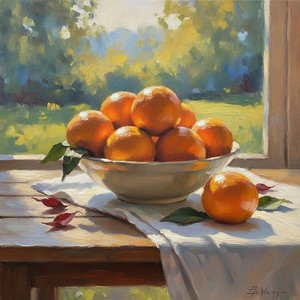
Sun-Drenched Citrus: The Vibrant Beauty of Oranges in Impressionist Masterpieces
Embark on a sensory journey through Impressionist masterpieces. Discover how Renoir and Cézanne captured the vibrant light and luscious textures of sun-drenched oranges in exquisite still life paintings designed to inspire and transform your home.

The Timeless Charm of Oil on Board: Reimagining Texture and Light through the Impressionist Lens
Discover the profound intimacy of oil on panel. Explore how Impressionist masters used rigid supports to capture light, texture, and impasto depth through exquisite, handmade oil reproductions for discerning collectors.

Enchanting Strokes: Unveiling the Luminous Magic and Timeless Soul of Impressionist Masterpieces
Immerse yourself in the luminous beauty of Impressionism. TopImpressionists.com offers exquisite, hand-painted oil reproductions of masters like Monet and Van Gogh. From museum-quality landscapes to bespoke portraits from photos, we bring timeless artistry and soul to your collection.

Moonlight Magic: Capturing the Luminous Glow of Impressionist Nightscapes
Discover the ethereal beauty of Impressionist nightscapes. Explore how masters like Monet and Van Gogh captured moonlight through luminous oil textures. Expert insights for collectors seeking museum-quality, handmade reproductions to transform their homes with timeless nocturnal magic.