Ateliér — Doprava po celém světě zdarma — Dodání za 2–6 týdnů
Obraz z fotky Seznam přání Košík
NáhledNáhled Náhled v ARNáhled v AR Koupit tisk Koupit tiskKoupit obrázek Koupit obrázek SdíletSdílet
Podrobnosti o dílePodrobnosti o díle Přidat do oblíbených Přidat do oblíbených StáhnoutStáhnout Podobné položkyPodobné položky Rentgenové snímkyRentgenové snímky SlideshowSlideshow

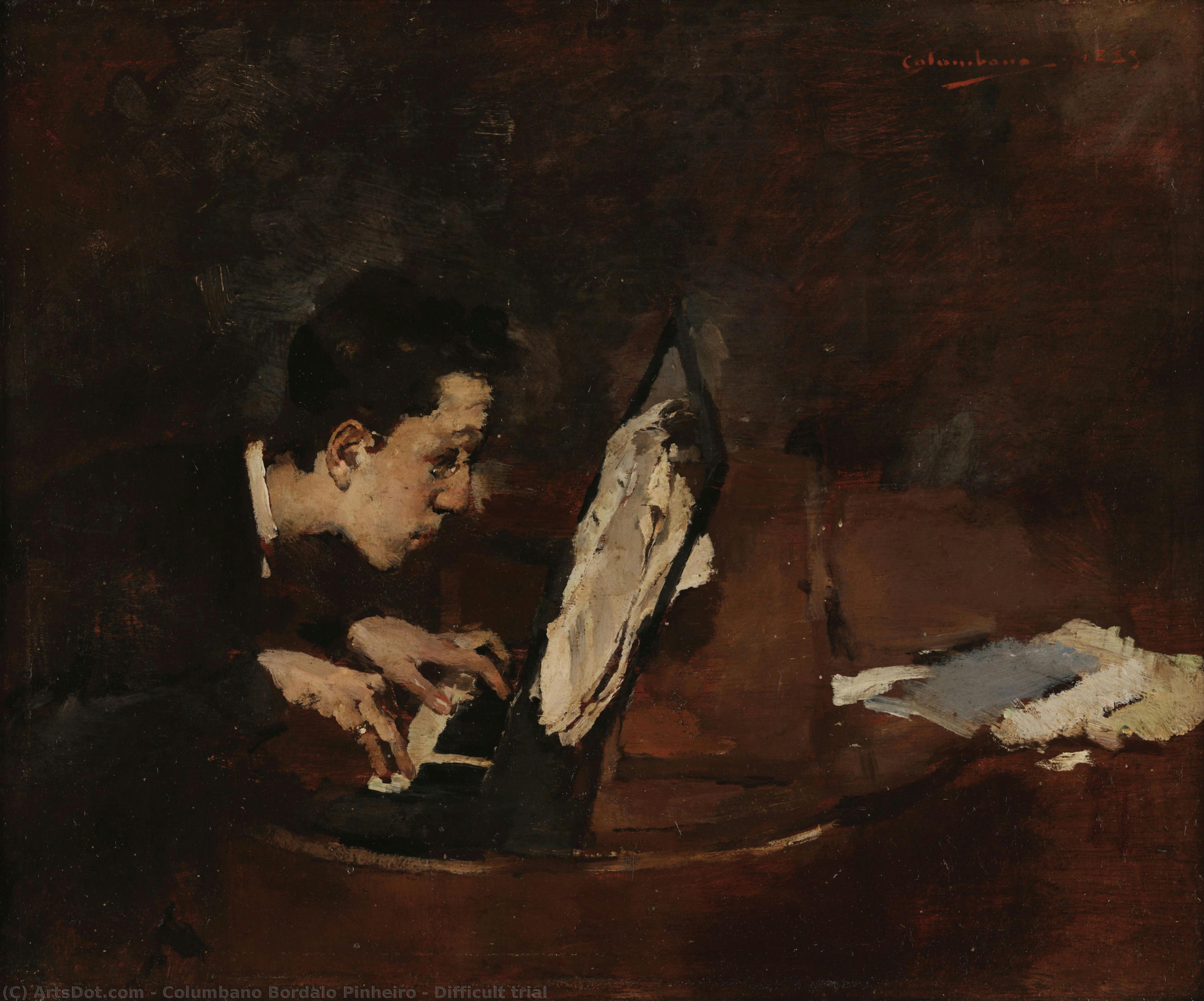
Těžké zkoušení

Obraz "Těžké zkoušení" od Columbana Bordalo Pinheira – působivé realistické olejové malování vědeckého pozorování a úvah portugalského umění. Impasto technika, dílo zobrazující složité analýzy přírody.

Columbano Bordalo Pinheiro (1857-1929) byl významný portugalský realistický malíř, známý svými psychologickými portréty a zachycováním podstaty portugalské společnosti. Vlivný představitel naturalistického a impresionistického směru.

Ručně malovaná olejová reprodukce

Ručně malovaná olejná barva na plátně ve vašem zvoleném rozměru i s rámem, vyrobená našimi umělci na zakázku. (Koupit tisk Koupit tiskKoupit obrázek Koupit obrázek)

P118B $10
P118H $10
P118W $10
P438Z $10
P508JH $12
P508YH $12
P805H $10
P805Z $10
P919BZ $10
P919G $10
P919XJ $10
P959ZH $10
P968JZ $12
W106C $8
W218G $10
W218JH $8
W218Y $10
W307PJ $10
W316G $10
W316PJ $8
W316Y $10
W398PJ $8
W4111J $10
W500HY $15
W500JH $15
W692G $12
W849H $8
W940BG $15
W953PJ $8

Standard
custom
CM
INCH

Vyberte si z našich přednastavených velikostí, které odpovídají původním proporcím díla.

šířka
výška

Můžete zadat vlastní rozměry pro konkrétní rám nebo prostor. Pokud se vámi vybraná velikost neshoduje s proporcemi původního obrazu, dílo buď ořízneme, nebo jej doplníme ručně malovanými prvky. Před zahájením výroby vám bude zaslán digitální náhled ke schválení.
Upozorňujeme, že náhled na obrazovce neodpovídá skutečnému ořezu ani rozšíření. Pouze digitální náhled přesně zobrazí finální kompozici.
Ačkoliv je možné zvolit vlastní velikost, pro zachování původních proporcí doporučujeme vybrat rozměr z předdefinovaného seznamu.

Příklady možných změn: Nahrazení obličeje vlastní fotografií; Přidání domácího mazlíčka (např. nahrazení kočky psem); Vložení skrytého vzkazu do pozadí; Změna krajiny nebo prvků v pozadí.
Po přijetí objednávky vám tým TopImpressionists.com zašle e-mail s pokyny a poskytne náhledovou verzi.

Celosvětová doprava () za 3–4 týdny namísto standardních 5 týdnů. (13 srpen). Bez kompromisů v kvalitě.

why_choose_icon
Zdarma celosvětová expresní doprava
why_choose_icon
Vysoce kvalitní lněné plátno
why_choose_icon
Kompletní přepravní pojištění
why_choose_icon
Záruka vrácení celního poplatku
why_choose_icon
Záruka přesného barevného shodu
why_choose_icon
60denní lhůta pro vrácení zboží (pouze při vadách výroby)
why_choose_icon
100% garance vrácení peněz
why_choose_icon
Sleva při hromadné objednávce

Celková cena

$ 269

reproduction

Těžké zkoušení

Technika reprodukce

Rozměry reprodukce

-

Celková cena za výběr

$ 269

Základní informace

  • Year: 1883
  • Artistic style: Academic Painting
  • Movement: Realism
  • Title: Difficult Trial
  • Influences:
    • Courbet
    • Manet
  • Subject or theme: Scientific observation; Introspection
  • Medium: Oil on canvas

Popis díla

Difficult Trial – A Portrait of Scientific Observation

Columbano Bordalo Pinheiro’s “Difficult Trial” (1883) isn't merely a depiction of a man examining a dissected fish; it’s a profound meditation on knowledge, vulnerability, and the relentless pursuit of understanding. Painted during Portugal’s burgeoning artistic landscape—influenced by Impressionism and Naturalism—this oil on canvas masterpiece encapsulates the spirit of its time while simultaneously resonating with timeless themes. Bordalo Pinheiro, deeply rooted in Portuguese Romantic tradition yet embracing modern stylistic innovations, crafted a work that transcends simple realism to achieve an emotional depth rarely found in academic painting.
  • Subject Matter: The central figure is meticulously rendered alongside a sizable fish specimen under magnification—a commonplace practice for biologists of the era. This juxtaposition immediately establishes a dialogue between intellect and physicality, hinting at the complexities inherent in scientific inquiry.
  • Style & Movement: Bordalo Pinheiro’s style firmly aligns with Realism, yet it carries subtle echoes of Naturalism's focus on portraying subjects accurately without embellishment. The artist skillfully avoids romantic idealism, presenting a scene grounded in observation and detail.
  • Technique – Impasto: Bordalo Pinheiro employed the impasto technique—thickly applied paint—to imbue the canvas with textural richness and luminosity. This method isn’t just aesthetically pleasing; it underscores the artist's commitment to capturing the materiality of his subject, mirroring the meticulous dissection process itself.
  • Color Palette & Composition: Dominated by earthy hues – browns, ochres, muted reds – the palette contributes significantly to the painting’s contemplative mood. The composition centers on the figure and specimen, guiding the viewer's gaze directly to the core of the scene, fostering a sense of intimacy and focused concentration.
  • Symbolism & Emotional Impact: Beyond its scientific representation, “Difficult Trial” speaks to broader existential concerns. The act of dissection symbolizes confronting uncomfortable truths—the fragility of life and the limitations of human comprehension. The man’s furrowed brow and intense gaze convey a palpable sense of struggle and introspection, inviting viewers to contemplate their own intellectual pursuits.

Historical Context – Portugal at the Dawn of Modern Art

Portugal in 1883 was undergoing significant artistic transformation. The influence of French Impressionism and Naturalism challenged traditional academic conventions, prompting artists like Bordalo Pinheiro to experiment with new approaches to representation. This painting reflects a broader cultural shift toward valuing scientific observation alongside aesthetic beauty—a hallmark of the era’s intellectual curiosity.

Detailed Analysis – Anatomical Accuracy & Texture

Bordalo Pinheiro's meticulous attention to anatomical detail is evident in the rendering of the fish specimen and, subtly, in the depiction of the man’s musculature. The artist’s masterful brushwork—characterized by impasto—creates a palpable surface texture that convincingly simulates the appearance of skin and tissue. This dedication to realism elevates “Difficult Trial” beyond mere visual representation; it aspires to convey an understanding of the subject's physical form.

A Legacy of Psychological Portraiture

“Difficult Trial” stands as a testament to Bordalo Pinheiro’s ability to capture not just what he saw but also what he felt—a skill that distinguishes him from many of his contemporaries. The painting’s quiet intensity and contemplative atmosphere continue to captivate audiences today, cementing Bordalo Pinheiro's place among Portugal’s most accomplished artists and securing his artwork’s enduring significance within the canon of Realist art.

Biografie umělce

Columbano Bordalo Pinheiro (1857–1929) – Portugals Leading Realist Painter

Columbano Bordalo Pinheiro, born in Faro, Portugal, stands as a pivotal figure in the nation’s art history. He wasn't merely a painter; he was a chronicler of his time, a psychological portraitist who delved into the very soul of Portuguese society during a period of profound change. Born into an already established artistic lineage – his father, Manuel Maria Bordalo Pinheiro, was a celebrated Romantic painter, and his brother Rafael a renowned caricaturist – Columbano inherited a creative spirit that would blossom into a uniquely compelling vision. His early training under his father, alongside sculptors like Simões de Almeida and Miguel Ângelo Lupi, laid the foundation for a career marked by meticulous observation and technical skill. However, it was a scholarship to study in France in 1881 that truly ignited his artistic trajectory, exposing him to the burgeoning movements of Naturalism, Realism, and Impressionism. While absorbing influences from masters like Courbet, Manet, and Degas, Bordalo Pinheiro never succumbed to imitation; he forged a style distinctly his own – often characterized by a somber palette and an introspective quality that resonated deeply with the Portuguese temperament.

The Grupo do Leão and the Embrace of Naturalism

Bordalo Pinheiro wasn’t content to remain solely within the confines of his studio. He actively engaged with the intellectual currents of his day, becoming a co-founder of the influential ‘Grupo do Leão’ (The Lion’s Group). This gathering of artists, writers, and thinkers convened at Lisbon’s ‘Leão de Ouro’ restaurant, serving as a vibrant hub for debate and artistic innovation. It was here that Naturalism was passionately proclaimed as an antidote to the perceived constraints of academic art. This commitment to representing life truthfully, without idealization or romantic embellishment, became a defining characteristic of Bordalo Pinheiro's work. He sought to capture not just the outward appearance of his subjects but also their inner lives, their anxieties, and their complexities. This is particularly evident in his portraits, which are far more than mere likenesses; they are penetrating psychological studies. He wasn’t simply painting *what* people looked like, but *who* they were – their vulnerabilities, their ambitions, and the weight of their experiences etched onto their faces.

Portraits as Windows to the Soul

Bordalo Pinheiro's mastery truly shone in his portraiture. He became the favored painter of Portugal’s leading intellectuals, writers, and cultural figures – José Maria de Eça de Queiroz, Teófilo Braga, Raul Brandão all sat for him. These weren’t commissions undertaken lightly; Bordalo Pinheiro approached each subject with a profound sense of responsibility, striving to capture not just their physical features but also the essence of their character. Perhaps his most famous portrait is that of the poet Antero de Quental, completed in 1889. The painting possesses an unsettling premonition, seeming to anticipate Quental’s tragic suicide shortly thereafter – a testament to Bordalo Pinheiro's uncanny ability to perceive and portray the hidden depths of the human psyche. Works like “Portrait of Cunha Vasco” demonstrate his dramatic use of light and shadow, highlighting the subject’s intellectual intensity and inner turmoil. He didn’t shy away from portraying flaws or vulnerabilities; instead, he embraced them as integral parts of what made each individual unique.

Beyond Portraiture: A Legacy of Republicanism and Artistic Leadership

Bordalo Pinheiro’s influence extended far beyond the canvas. A staunch republican, he actively participated in the political life of Portugal, even designing the flag for the newly proclaimed republic in 1910. His commitment to his nation led to his appointment as director of the National Museum of Contemporary Art (now the Chiado Museum) in Lisbon, a position he held from 1914 to 1927. During his tenure, he championed modern art and worked tirelessly to build a collection that reflected the evolving artistic landscape of Portugal. His own paintings, such as “The Peasant of Fontainebleau” and “Difficult Trial,” showcase not only his technical prowess but also his willingness to engage with social issues and explore themes of labor, introspection, and the human condition. He was a painter who understood that art wasn’t merely about aesthetics; it was about reflecting the world around him – its beauty, its struggles, and its complexities. ### A Lasting Influence: The Greatest Portuguese Painter of His Century Columbano Bordalo Pinheiro passed away in 1929, leaving behind a legacy that continues to resonate with art lovers today. He is widely regarded as the greatest Portuguese painter of the 19th century, often compared to masters like Wilhelm Leibl and John Singer Sargent for his technical skill and psychological insight. His work remains on display at the Chiado Museum in Lisbon, along with other significant collections such as Casa-Museu Dr. Anastácio Gonçalves, offering a glimpse into the world he so vividly portrayed. He wasn’t simply a recorder of history; he was an interpreter of the human spirit – a master of realism who captured the essence of his time and left an indelible mark on Portuguese art and culture. His paintings continue to invite viewers to contemplate the complexities of life, the depths of the human soul, and the enduring power of artistic expression.

Columbano Bordalo Pinheiro

Columbano Bordalo Pinheiro

1857 - 1929 , Portugalsko

Rychlé fakta

  • Artistic Movement Or Style: Realism, Naturalism
  • Artists Or Movements Influenced By This Artist: ['Grupo do Leão']
  • Artists Who Influenced This Artist:
    • Wilhelm Leibl
    • John Singer Sargent
  • Date Of Birth: 21 November 1857
  • Date Of Death: 6 November 1929
  • Full Name: Columbano Bordalo Pinheiro
  • Nationality: Portuguese
  • Notable Artworks:
    • Antero de Quental portrait
    • Cunha Vasco portrait
    • The Peasant of Fontainebleau
  • Place Of Birth: Cacilhas, Portugal
Prozkoumejte umělecká díla uspořádaná podle témat, stylů a charakteristik.
© TopImpressionists.com — Všechna práva vyhrazena  ·  100% Ručně malováno · Spokojenost zaručena · Doprava po celém světě zdarma
VISA MASTERCARD