Ateliér — Doprava po celém světě zdarma — Dodání za 2–6 týdnů
      Cephas Thompson, 1775 – 1856

      55 nejslavnějších obrazů autora Cephas Thompson, seřazených podle popularity

      Nejoblíbenějším dílem autora Cephas Thompson je Mrs. Cephas Thompson (Olivia Leonard) (1810), které je vystaveno v instituci Metropolitan Museum of Art, New York. Následují The Frightened Girl (1810) a Maria De Wolf (Mrs. Robert Rogers) (1805) z platen, která čtenáři znají nejlépe. Náš katalog obsahuje 55 děl umělce Cephas Thompson: zde je 55 nejznámějších, z nichž každé uvádí svůj rok vzniku, muzeum a důvod, proč je nezapomenutelné.

      Seřazeno podle našeho skóre popularity, které kombinuje počet vyhledávání, návštěv a objednávek u každého díla. Aktualizováno říjen 2026. Každý obraz na této stránce lze objednat jako ručně malovanou olejovou reprodukci na lněném plátně, nebo jako umělecký tisk vyrobený v požadovaném rozměru.

      Portrét Cephas Thompson
      Cephas Thompson · 1775 – 1856
      Narozen · zemřel
      1775 – 1856, Middleborough
      Směr
      Impressionism
      Díla v našem katalogu
      55
      Nejslavnější
      Mrs. Cephas Thompson (Olivia Leonard) (1810)
      Nejvíce děl v
      Národní galerie Kanady

      Nejlepší 10 obrazů: Cephas Thompson – plátna, která zná každý

      Mrs. Cephas Thompson (Olivia Leonard) (1810) od Cephas Thompson
      1

      Mrs. Cephas Thompson (Olivia Leonard)

      1810 · Oil On Canvas · Metropolitan Museum of Art, New York

      The portrait titled Mrs. Cephas Thompson (Olivia Leonard) captures a quiet moment of presence. It was painted by Cephas Thompson, an American artist born in Middleborough, Massachusetts. The subject of this work is Olive Leonard, the wife of the painter. Their connection is etched into the very intent of the brushwork, turning a formal likeness into a private record of a shared life.

      Ručně malovaná olejná reprodukce od $178 26 × 39 cm Velikost jako originál $444 80 × 122 cm Objednat v originální velikosti →

      Více pláten od Cephas Thompson, od 11 do 55

      Co nejčastěji maloval Cephas Thompson

      Čtyři témata, která se na těchto plátnech nejčastěji objevují, každé s jedním z jejich nejoblíbenějších příkladů.

      Kde visí plátna umělce Cephas Thompson

      3 muzea, v nichž je umístěno nejvíce obrazů z této stránky.

      Muzea Město Díla autora Cephas Thompson Obrazy z tohoto seznamu
      Národní galerie Kanady, OttawaNárodní galerie Kanady Ottawa 5 Spring, French River, Lumber Dam, Split Rock, Georgian Bay
      Muzeum umění v Bostonu, BostonMuzeum umění v Bostonu Boston 2 The Frightened Girl, Maria De Wolf (Mrs. Robert Rogers)
      Metropolitan Museum of Art, New YorkMetropolitan Museum of Art New York 1 Mrs. Cephas Thompson (Olivia Leonard)

      Nejoblíbenější plátna umělce Cephas Thompson rok po roce

      Plátna umělce Cephas Thompson na této stránce pokrývají období pouhých 6 let, od 1805 do 1810: sledujte je rok po roce, v jejich vlastním světle.

      1. 1805
      2. 1810
        Mrs. Cephas Thompson (Olivia Leonard) (1810) od Cephas Thompson
        Plátno 1 z 55

        Mrs. Cephas Thompson (Olivia Leonard)

        Věk 35 let · Metropolitan Museum of Art

        The portrait titled Mrs. Cephas Thompson (Olivia Leonard) captures a quiet moment of presence. It was painted by Cephas Thompson, an American artist born in Middleborough, Massachusetts. The…

      3. 1810

      O plátnech umělce Cephas Thompson: odpovědi na vaše otázky

      Kterým nejslavnějším dílem je Cephas Thompson?Přečtěte si odpověď

      Mrs. Cephas Thompson (Olivia Leonard) (1810), Metropolitan Museum of Art, New York. Následují The Frightened Girl (1810) a Maria De Wolf (Mrs. Robert Rogers) (1805).

      Kolik let bylo Cephas Thompson, když byl/a namalován/a dílo Mrs. Cephas Thompson (Olivia Leonard)?Přečtěte si odpověď

      Cephas Thompson, narozen 1775, měl 35 let: dílo Mrs. Cephas Thompson (Olivia Leonard) pochází z roku 1810.

      Kterých 10 nejslavnějších obrazů má Cephas Thompson?Přečtěte si odpověď

      Mrs. Cephas Thompson (Olivia Leonard), The Frightened Girl, Maria De Wolf (Mrs. Robert Rogers), Giant's Tomb, Georgian Bay, Nicholas Robinson -, Reverend William Bruce, Lake In Algonquin Park, Lake, Shore And Sky, Autumn, Algonquin Park a James Ingram. U každého plátna v uvedeném žebříčku je uveden rok jeho vzniku a muzeum, ve kterém se nachází.

      Kolik děl celkem namaloval/a Cephas Thompson?Přečtěte si odpověď

      V našem katalogu je 55 děl umělce Cephas Thompson, datovaných od 1805 do 1810.

      Kde mohu vidět nejznámější plátna umělce Cephas Thompson?Přečtěte si odpověď

      Většinou v Národní galerie Kanady (Ottawa), Muzeum umění v Bostonu (Boston) a Metropolitan Museum of Art (New York); výše uvedený seznam obsahuje názvy jednotlivých muzeí a jejich pláten.

      Kdy Cephas Thompson namaloval své nejoblíbenější obrazy?Přečtěte si odpověď

      V období 1810, které tvoří 2 z 55 děl na této stránce, mezi nimi i Mrs. Cephas Thompson (Olivia Leonard).

      Která jsou nejstarší a nejnovější slavná plátna umělce Cephas Thompson?Přečtěte si odpověď

      Nejstarší plátno se zde datuje do Maria De Wolf (Mrs. Robert Rogers) (1805); nejnovější je z Mrs. Cephas Thompson (Olivia Leonard) (1810).

      Co nejčastěji maloval/a Cephas Thompson?Přečtěte si odpověď

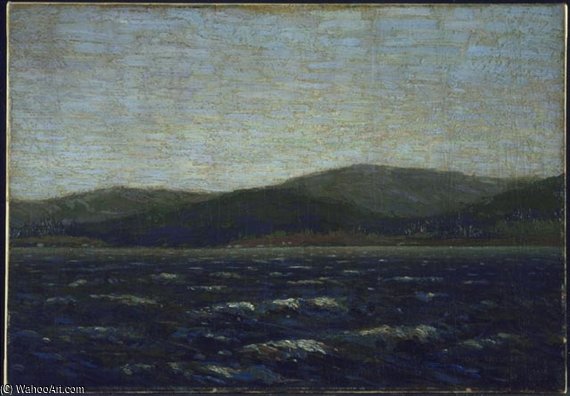
      Lakes (5), Landscape (4) a Sky (4) napříč 55 díly na této stránce.

      Kterému směru patří obraz autora Cephas Thompson?Přečtěte si odpověď

      Impressionism, jak dokazují plátna na této stránce.

      Která plátna od Cephas Thompson visí v Národní galerie Kanady?Přečtěte si odpověď

      Muzeum Národní galerie Kanady, Ottawa se vlastní 5 děl z této stránky, mezi nimiž jsou i Spring, French River, Lumber Dam a Split Rock, Georgian Bay.

      Mohu si koupit reprodukci plátna od Cephas Thompson?Přečtěte si odpověď

      Ano. Každý obraz na této stránce lze objednat z jeho vlastní stránky jako ručně malovanou olejovou reprodukci nebo jako umělecký tisk v požadovaném rozměru.

      Cephas Thompson: život v barvách

      The Luminescent Legacy of Thomas Clement Thompson

      In the grand tapestry of nineteenth-century art, few threads are as delicately woven as those left by Thomas Clement Thompson. A master of both the intimate and the expansive, Thompson’s career serves as a bridge between the meticulous precision of Georgian portraiture and the atmospheric, emotive depths of the Luminist movement. Born in Belfast in 1780, his life was shaped by the intellectual and artistic currents of an era defined by transition. His early training at the Dublin Society Schools, which began in 1796, provided him with a rigorous academic foundation, instilling a profound command over draughtsmanship and tonal manipulation that would remain the hallmark of his artistry throughout his long and distinguished life.

      Thompson first rose to prominence through the delicate medium of portrait miniatures. These small-scale works, characterized by their remarkable sensitivity, allowed him to capture the very essence of his subjects with a precision that enchanted the high society of Belfast and Dublin. There is an inherent intimacy in the miniature, a quiet dialogue between the artist and the sitter, which Thompson navigated with unparalleled grace. His ability to render nuanced expressions and the subtle textures of skin and fabric made him a sought-after chronicler of the era's most notable figures, including royalty such as George IV.

      A Transition Toward the Sublime

      As the nineteenth century progressed, Thompson underwent a profound artistic metamorphosis. Between 1803 and 1809, he made the deliberate and daring decision to pivot from the miniature format toward large-scale portraiture and landscape painting. This shift was not merely a change in scale, but a fundamental evolution in his aesthetic philosophy. Influenced by the monumental styles of Joshua Reynolds and Benjamin West, Thompson began to explore the concept of the sublime—the idea that art should evoke awe through the depiction of nature's grandeur and the play of light.

      This period saw him embracing the principles of Luminism, a style that prioritizes the effects of light and atmosphere. In his landscapes, such as the evocative Early Snow, Algonquin Park or the dynamic Thunder Cloud, one can witness his mastery of atmospheric perspective. He utilized soft, diffused light and muted color palettes to create immersive vistas where the boundaries between earth and sky seem to dissolve. Through these works, Thompson did not merely paint scenery; he captured the ephemeral, fleeting moments of weather and light that define the human experience of the natural world.

      Legacy and Historical Significance

      Thompson’s influence extended far beyond the borders of Ireland. By 1817, his burgeoning success led him to establish a new studio in London, where he became a regular fixture at the prestigious Royal Academy exhibitions. His presence in the London art scene solidified his reputation as an international figure of significant merit. His commitment to the institutionalization of art was equally profound; as a founding member of the Royal Hibernian Academy, he played a crucial role in shaping the artistic landscape of Ireland for generations to come.

      The later years of his life saw him settling in Cheltenham, where he continued to refine his craft until his passing in 1857. When reflecting on his body of work, several key achievements emerge:

      • Mastery of Scale: His seamless transition from the microscopic detail of miniatures to the sweeping vistas of landscape painting.
      • Luminist Innovation: His ability to use light as a primary subject, creating atmospheric depth and emotional resonance.
      • Institutional Impact: His foundational role in the Royal Hibernian Academy, fostering a structured environment for Irish artists.
      • Societal Connection: His skill in capturing the likenesses of the political and social elite, preserving the visual history of the Georgian and Victorian eras.

      Today, the works of Thomas Clement Thompson remain vital touchstones for students of art history. They stand as a testament to an artist who could move effortlessly between the quietest whisper of a portrait and the thunderous roar of a storm-swept sky, leaving behind a legacy of light, shadow, and enduring beauty.