

1
Pineapple, grapes and pears in a glass bowl on a ledge.
Ručně malovaná olejná reprodukce od $195 34 × 30 cm
Velikost jako originál $219 44 × 39 cm Objednat v originální velikosti →
Nejoblíbenějším dílem autora Hanne Hellesen je Pineapple, grapes and pears in a glass bowl on a ledge. (1821). Následují En vase med blomster (1838) a En vase med blomster (1837) z platen, která čtenáři znají nejlépe. Náš katalog obsahuje 8 děl umělce Hanne Hellesen: zde je 8 nejznámějších, z nichž každé uvádí svůj rok vzniku, muzeum a důvod, proč je nezapomenutelné.
Seřazeno podle našeho skóre popularity, které kombinuje počet vyhledávání, návštěv a objednávek u každého díla. Aktualizováno listopad 2026. Každý obraz na této stránce lze objednat jako ručně malovanou olejovou reprodukci na lněném plátně, nebo jako umělecký tisk vyrobený v požadovaném rozměru.


Muzeum s největším počtem obrazů na této stránce.
| Muzeum | Město | Díla autora Hanne Hellesen | Obrazy z tohoto seznamu |
|---|---|---|---|
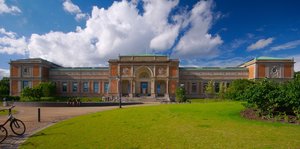 Statens Museum for Kunst |
Kodaň | 4 | En vase med blomster, En vase med blomster, Et frugtstykke |


Pineapple, grapes and pears in a glass bowl on a ledge. (1821), následovaný dílem En vase med blomster (1838) a En vase med blomster (1837).
Hanne Hellesen, narozen 1801, měl 20 let: dílo Pineapple, grapes and pears in a glass bowl on a ledge. pochází z roku 1821.
V našem katalogu je 8 děl umělce Hanne Hellesen, datovaných od 1821 do 1843.
Většinou v Statens Museum for Kunst (Kodaň); výše uvedený seznam obsahuje názvy jednotlivých muzeí a jejich pláten.
V období 1830s, které tvoří 4 z 8 děl na této stránce, mezi nimi i En vase med blomster.
Nejstarší plátno se zde datuje do Pineapple, grapes and pears in a glass bowl on a ledge. (1821); nejnovější je z Springblossom in a glass on a marble ledge. (1843).
Muzeum Statens Museum for Kunst, Kodaň se vlastní 4 děl z této stránky, mezi nimiž jsou i En vase med blomster, En vase med blomster a Et frugtstykke.
Ano. Každý obraz na této stránce lze objednat z jeho vlastní stránky jako ručně malovanou olejovou reprodukci nebo jako umělecký tisk v požadovaném rozměru.
To look at the work of Hanne Hellesen is to confront the deliberate tension between botanical accuracy and the inevitable decay of nature. Her 1838 oil on canvas, En vase med blomster, currently held in the Statens Museum for Kunst, provides the clearest evidence of her technical command. This is not a mere decorative arrangement. It is a calculated study of life and its transience. Hellesen utilized the medium of oil to capture the specific textures of petals and the structural weight of a vase, ensuring each bloom held its own space within the composition.
Her approach to the still life genre moved beyond simple imitation. In her hands, the profusion of blooms becomes a language of symbolism. The rose and the poppy are not chosen by chance; they carry heavy associations with love and the sleep of death. By placing these specific flowers together, Hellesen forced the viewer to acknowledge the cycle of existence. The work is grounded in the reality of Copenhagen and the Danish tradition of meticulous observation.
Hellesen’s skill lies in her ability to manage complex organic forms within a structured space. Her work demonstrates a mastery of light and shadow that defines the physical presence of her subjects. The dimensions of her major works, such as the 890 mm by 740 mm canvas in the Statens Museum for Kunst, allow for a level of detail that demands close inspection. She did not rely on vague impressions. Instead, she focused on the tangible reality of the plant life she depicted.
The historical significance of her output is found in this refusal to be purely ornamental. While her contemporaries might have focused on the aesthetic pleasure of a bouquet, Hellesen used her brush to document the intersection of beauty and mortality. Her paintings are evidence of a disciplined mind applying rigorous technique to the ephemeral nature of the natural world.