Ateliér — Doprava po celém světě zdarma — Dodání za 2–6 týdnů
      Jacques D'Agar, 1640 – 1715

      Jacques D'Agar: 17 nejznámějších obrazů

      Z všech obrazů autora Jacques D'Agar je nejznámější dílo Sofia Amalia, (1628-1685), prinsessa av Braunschweig-Lüneburg, drottning av Danmark och okänd kvinna (1674); visí v Nationalmuseum, Stockholm. Hned za nimi následují Et ungt fruentimmer i blå kjole, samtaler med en gammel mand (1686) a Tvende fruentimmer i halv figur (1686). Z 17 děl umělce Jacques D'Agar v našem katalogu je těchto 17 nejuznávanějších, z nichž každé je uvedeno s datem vzniku, muzeem a příběhem.

      Seřazeno podle našeho skóre popularity, které kombinuje počet vyhledávání, návštěv a objednávek u každého díla. Aktualizováno listopad 2026. Každý obraz na této stránce lze objednat jako ručně malovanou olejovou reprodukci na lněném plátně, nebo jako umělecký tisk vyrobený v požadovaném rozměru.

      Portrét Jacques D'Agar
      Jacques D'Agar · 1640 – 1715
      Narození · úmrtí
      1640 – 1715, Paříž
      Díla v našem katalogu
      17
      Nejslavnější
      Sofia Amalia, (1628-1685), prinsessa av Braunschweig-Lüneburg, drottning av Danmark och okänd kvinna (1674)
      Nejvíce děl v muzeích
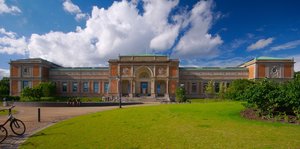
      Statens Museum for Kunst

      10 nejslavnějších obrazů autora Jacques D'Agar

      Obrazy umělce Jacques D'Agar se řadí od 11 do 17

      Kde visí plátna umělce Jacques D'Agar

      4 muzea, v nichž je umístěno nejvíce obrazů z této stránky.

      Muzeum Město Díla autora Jacques D'Agar Obrazy z tohoto seznamu
      Statens Museum for Kunst, KodaňStatens Museum for Kunst Kodaň 11 Et ungt fruentimmer i blå kjole, samtaler med en gammel mand, Tvende fruentimmer i halv figur, Tvende fruentimmer, hvoraf den forreste holder en bog i sin hånd
      National Portrait Gallery of Sweden, SträngnäsNational Portrait Gallery of Sweden Strängnäs 4 Queen Ulrica Eleanor of Sweden (1656-1693), consort of King Karl XI, Sofia Amalia, 1628-1685, prinsessa av Braunschweig-Lüneburg drottning av Danmark, Anna Sofia, 1647-1717, prinsessa av Danmark kurfurstinna av Sachsen
      Nationalmuseum, StockholmNationalmuseum Stockholm 1 Sofia Amalia, (1628-1685), prinsessa av Braunschweig-Lüneburg, drottning av Danmark och okänd kvinna
      National Library of Wales, AberystwythNational Library of Wales Aberystwyth 1 Barbara, Countess of Pembroke & Mont

      Dekáda po dekádě: nejuznávanější plátna umělce Jacques D'Agar

      1. 1670s
      2. 1680s
      3. 1710s

      Vaše otázky k obrazům autora Jacques D'Agar, odpovědi

      Který z obrazů autora Jacques D'Agar je nejuznávanější?Přečtěte si odpověď

      Sofia Amalia, (1628-1685), prinsessa av Braunschweig-Lüneburg, drottning av Danmark och okänd kvinna (1674), Nationalmuseum, Stockholm. Následují Et ungt fruentimmer i blå kjole, samtaler med en gammel mand (1686) a Tvende fruentimmer i halv figur (1686).

      Kolik let bylo Jacques D'Agar ve době vzniku díla Sofia Amalia, (1628-1685), prinsessa av Braunschweig-Lüneburg, drottning av Danmark och okänd kvinna?Přečtěte si odpověď

      Jacques D'Agar, narozen 1640, měl 34 let: dílo Sofia Amalia, (1628-1685), prinsessa av Braunschweig-Lüneburg, drottning av Danmark och okänd kvinna pochází z roku 1674.

      Kterých deset obrazů je Jacques D'Agar nejznámější?Přečtěte si odpověď

      Sofia Amalia, (1628-1685), prinsessa av Braunschweig-Lüneburg, drottning av Danmark och okänd kvinna, Et ungt fruentimmer i blå kjole, samtaler med en gammel mand, Tvende fruentimmer i halv figur, Tvende fruentimmer, hvoraf den forreste holder en bog i sin hånd, Tvende fruentimmere taler sammen, Et barn lader sin moder lugte til nogle blomster, Tvende fruentimmere i samtale, Dronning Charlotte Amalie (knæstykke), Portræt af en midaldrende mand a Brystbillede af kvinde. U každého plátna v uvedeném žebříčku je uveden rok jeho vzniku a muzeum, ve kterém se nachází.

      Kolik obrazů autora Jacques D'Agar je známo?Přečtěte si odpověď

      V našem katalogu je 17 děl umělce Jacques D'Agar, datovaných od 1674 do 1710.

      Která muzea uchovávají nejznámější plátna umělce Jacques D'Agar?Přečtěte si odpověď

      Většinou v Statens Museum for Kunst (Kodaň), National Portrait Gallery of Sweden (Strängnäs) a Nationalmuseum (Stockholm); výše uvedený seznam obsahuje názvy jednotlivých muzeí a jejich pláten.

      V jakých letech namaloval Jacques D'Agar svá nejslavnější plátna?Přečtěte si odpověď

      V období 1680s, které tvoří 11 z 17 děl na této stránce, mezi nimi i Et ungt fruentimmer i blå kjole, samtaler med en gammel mand.

      Jaká jsou první a poslední slavná plátna umělce Jacques D'Agar?Přečtěte si odpověď

      Nejstarší plátno se zde datuje do Sofia Amalia, (1628-1685), prinsessa av Braunschweig-Lüneburg, drottning av Danmark och okänd kvinna (1674); nejnovější je z Barbara, Countess of Pembroke & Mont (1710).

      Co mohu vidět od Jacques D'Agar v Statens Museum for Kunst?Přečtěte si odpověď

      Muzeum Statens Museum for Kunst, Kodaň se vlastní 11 děl z této stránky, mezi nimiž jsou i Et ungt fruentimmer i blå kjole, samtaler med en gammel mand, Tvende fruentimmer i halv figur a Tvende fruentimmer, hvoraf den forreste holder en bog i sin hånd.

      Mohu si objednat ručně malovanou kopii obrazu od Jacques D'Agar?Přečtěte si odpověď

      Ano. Každý obraz na této stránce lze objednat z jeho vlastní stránky jako ručně malovanou olejovou reprodukci nebo jako umělecký tisk v požadovaném rozměru.

      Jacques D'Agar: příběh malíře

      A life between borders

      Jacques d'Agar began his days in Paris, where the early rhythms of his training took shape under the guidance of Jacob Ferdinand Voet. His first steps in the studio were directed toward history painting, a demanding path that required a certain breadth of vision. Yet, as time passed, his focus narrowed and sharpened. He found himself drawn to the faces of individuals, moving away from grand historical narratives to settle into the quiet, steady work of portraiture.

      The year 1675 brought a change in status when he was admitted into the Academy. At this time, he held the position of painter-in-ordinary to the king and his court. This period of stability was interrupted by the revocation of the Edict of Nantes in 1682. As a Protestant, d'Agar found himself excluded from the Academy he had worked to join. He left France behind, a departure that would lead him toward new landscapes and different patrons.

      The Danish years and English stays

      His path led him north to the court of Denmark. There, under the patronage of King Christian V, his brush found a steady purpose. The Danish court provided a setting where his skill in capturing likenesses could be utilized for the nobility. His presence in Copenhagen was marked by this service, and even as he moved through different regions, his work remained tied to the people who sat before him.

      There were also periods spent in England, where he resided for a time and found success among the British nobility during the reign of Queen Anne. His hands recorded the features of figures such as the Duchess of Montagu and the Countesses of Rochfort and Sunderland. Even when his work was attributed to his circle or influenced by his style, the presence of his technique remained visible in the portraits of the era.

      The marks left on canvas

      The work d'Agar produced carries the weight of specific encounters. His self-portrait, painted in 1693 for Cosimo III de' Medici at the request of King Christian, remains a quiet record of his own gaze. He did not merely paint faces; he documented the lineage of the courts he served.

      Some of the subjects captured by his hand or those influenced by his studio include:

      • King Christian V of Denmark
      • Queen Louise of Mecklenburg-Güstrow
      • The Duchess of Montagu
      • Countess of Rochfort
      • Countess of Sunderland

      His son, Charles d'Agar, followed in these footsteps, continuing the tradition of portraiture. When Jacques d'Agar died in Copenhagen, he left behind a body of work that moved between the French, Danish, and English spheres, defined by the faces of the people who lived through the Baroque era.