

Nejoblíbenějším dílem autora Keith Wilson je Close to Home 8 (2004), které je vystaveno v instituci Arts Council of Northern Ireland, Belfast. Následují A Space Between 4 (2004) a Time to Think (2007) z platen, která čtenáři znají nejlépe. Náš katalog obsahuje 7 děl umělce Keith Wilson: zde je 7 nejznámějších, z nichž každé uvádí svůj rok vzniku, muzeum a důvod, proč je nezapomenutelné.
Seřazeno podle našeho skóre popularity, které kombinuje počet vyhledávání, návštěv a objednávek u každého díla. Aktualizováno listopad 2026.


4 muzea, v nichž je umístěno nejvíce obrazů z této stránky.
| Muzeum | Město | Díla autora Keith Wilson | Obrazy z tohoto seznamu |
|---|---|---|---|
 Northern Ireland Civil Service |
Belfast | 3 | The Long Road, On the Way Home, The Path to Sligo |
 Arts Council of Northern Ireland |
Belfast | 2 | Close to Home 8, A Space Between 4 |
 Royal Ulster Academy |
Belfast | 1 | Time to Think |
 Queen's University Belfast |
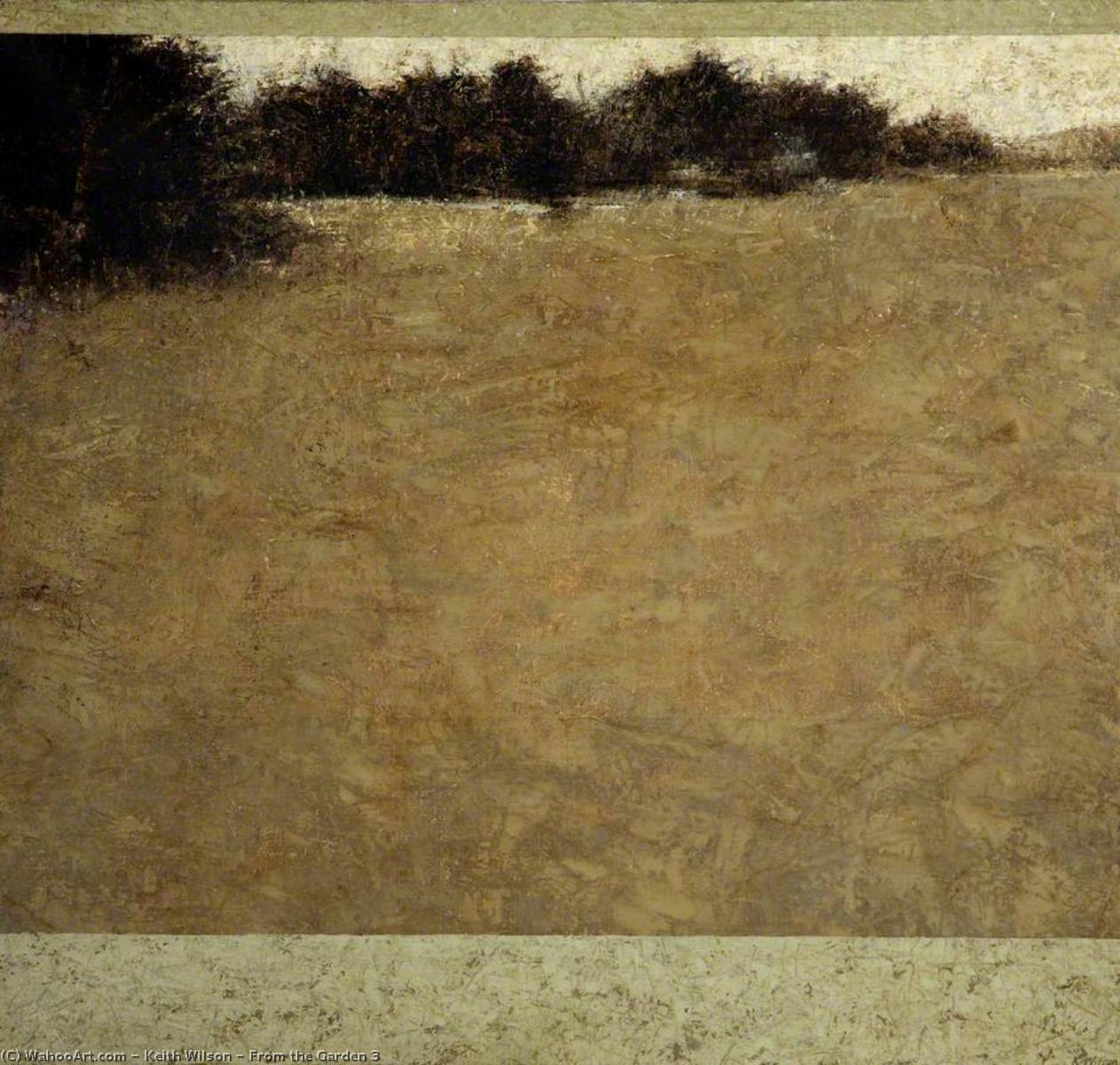
Belfast | 1 | From the Garden 3 |
Plátna umělce Keith Wilson na této stránce pokrývají období pouhých 4 let, od 2004 do 2007: sledujte je rok po roce, v jejich vlastním světle.


Close to Home 8 (2004), Arts Council of Northern Ireland, Belfast. Následují A Space Between 4 (2004) a Time to Think (2007).
V našem katalogu je 7 děl umělce Keith Wilson, datovaných od 2004 do 2007.
Většinou v Northern Ireland Civil Service (Belfast), Arts Council of Northern Ireland (Belfast) a Royal Ulster Academy (Belfast); výše uvedený seznam obsahuje názvy jednotlivých muzeí a jejich pláten.
V období 2004, které tvoří 2 z 7 děl na této stránce, mezi nimi i Close to Home 8.
Nejstarší plátno se zde datuje do Close to Home 8 (2004); nejnovější je z Time to Think (2007).
Muzeum Northern Ireland Civil Service, Belfast se vlastní 3 děl z této stránky, mezi nimiž jsou i The Long Road, On the Way Home a The Path to Sligo.
Born in 1971 in Northern Ireland, Keith Wilson began his formal education at Methodist College, Belfast. This early period of study provided the foundation for a career defined by a disciplined approach to the natural world. His academic path continued at the University of Ulster, where he focused on the mechanics of visual representation. He later expanded his technical repertoire at the Edinburgh College of Art in Scotland, seeking to refine his ability to translate the nuances of his surroundings onto canvas.
Wilson’s academic credentials reflect a rigorous commitment to the craft of visual storytelling. He earned an Honours Degree in Visual Communication, a qualification that informed his precise understanding of form and composition. Following this, he obtained a Postgraduate Diploma in Illustration, a period of study that likely contributed to the detailed observational skills seen in his later landscape works. These formative years in Belfast and Scotland shaped an artist who approaches the landscape through a lens of both technical proficiency and deep, quiet observation.
Wilson’s approach to the canvas is defined by a tension between meticulous observation and expressive texture. He seeks to make the everyday apparent, transforming ordinary settings into subjects of intrigue. Rather than pursuing the spectacular, his work focuses on the quietude of a specific place, often emphasizing a sense of stillness and tranquility. This focus on the mundane allows him to capture the subtle nuances of light and atmosphere that define a landscape.
His technical execution relies heavily on a masterful use of impasto. By applying pigment thickly, he creates textured surfaces that provide a palpable depth to his compositions. This tactile quality, combined with an interest in the essence of a location, draws upon elements reminiscent of Northern European landscape painting traditions. The physical presence of the paint on the canvas mirrors the ruggedness of the natural environments he observes, moving between direct observation and a more deliberate studio practice.
The trajectory of Wilson’s career is marked by steady institutional recognition and a series of significant milestones within the Irish art community. In 2006, he was awarded the Hennessy Craig Scholarship at the Royal Hibernian Academy, a distinction that signaled his growing presence in the professional landscape. This momentum continued into 2010 when he was elected an Academician of the Royal Ulster Academy, a position that solidified his standing among his peers in Northern Ireland.
His practice has often focused on the quietude of specific locations, seeking to find meaning in the ordinary. This interest is reflected in several significant works from the mid-2000s, including A Space Between 4 and Close to Home 8, both dating from about 2004. By 2007, his work Time to Think further explored these themes of presence and place. These pieces demonstrate a consistent ability to translate the nuances of the natural environment into a tangible, textured reality.
A major turning point occurred in 2012, when Wilson held a solo exhibition at the Oliver Sears Gallery. The exhibition was met with critical acclaim, marking a period of heightened visibility for his landscape studies. His ability to balance the monumental with the intimate has allowed his work to find a permanent home in various prestigious collections, including the Arts Council of Northern Ireland and the Royal Ulster Academy.
The presence of Wilson’s paintings in public and institutional collections reflects a career deeply integrated into the civic and academic fabric of Ireland and beyond. His work is held within the Office of Public Works and the AIB collection, placing his observations of the landscape within the spaces of daily administrative and commercial life. In Ireland, his canvases are also part of the collections held by the Arts Council Northern Ireland, the EPA Collection, and the Wexford County Council. These placements ensure that his specific interpretations of light and texture remain accessible to the public through various state and regional bodies.
Beyond these civic holdings, his art is preserved in several significant academic and local repositories. The Royal Ulster Academy Diploma Collection and the ESB Collection Carlow Town Council both house his works, marking his standing within professional artistic circles. His reach extends further across the Atlantic, with pieces held in the University of Wisconsin. This international presence, alongside his local holdings, demonstrates the breadth of his reach from the specificities of the Irish landscape to a wider, more global audience.