Of all Albrecht Dürer's paintings, Knight, Death, and the Devil (1513) is the most famous. Close behind come Mladý zajíc (1502) and Portrét mladého muže (1493). Among the 1,220 works by Albrecht Dürer in our catalogue, these 100 are the most celebrated, each shown with its date, its museum and its story.
Seřazeno podle našeho skóre popularity, které kombinuje počet vyhledávání, návštěv a objednávek u každého díla. Aktualizováno říjen 2026. Each painting on this page can be ordered as an oil reproduction painted by hand on linen canvas, or as a fine art print, made to the size you choose.


Young Hare - A Masterclass in Naturalism Albrecht Dürer’s 1502 watercolor masterpiece transcends mere animal portraiture; it is a profound study of nature and a testament to the artist's unparalleled skill. This remarkably detailed depiction of a young hare captures not just its physical form, but also a sense of quiet alertness and fleeting beauty that resonates with viewers centuries later. It’s a piece that speaks volumes about Dürer’s artistic…

Objevte nadčasovou eleganci mistrovského díla Albrechta Dürera Portrét mládí a vnitřního hledání Dürerův „Sebeportrét ve věku dvacet“ je fascinujícím zobrazením mladého muže, ze kterého vyzařuje klidná vážnost a hluboká introspekce. Subjekt, pravděpodobně samotný Dürer, drží v ruce ostrou šišti, což kompozici dodává vrstvu symbolické hloubky. Tento raný sebeportrét nabízí unikátní pohled do rodícího se talentu umělce a jeho schopnosti vyjádřit komplexní emoce prostřednictvím precizních detailů. Realismus severní renesance Toto dílo,…

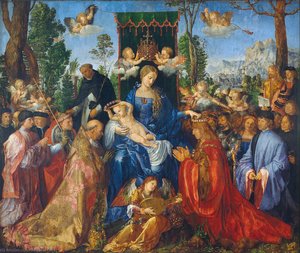
Feast Of The Rose Garlands: A Renaissance Masterpiece The Feast of the Rose Garlands, painted by Albrecht Dürer in 1506, stands as an enduring testament to the artistic fervor of the Northern Renaissance—a period marked by a fervent revival of classical ideals intertwined with profound spiritual contemplation. More than just a depiction of biblical narrative, this monumental fresco transcends mere representation, embodying a complex tapestry of symbolism and masterful technique…

Albrecht Dürer's Self-Portrait at 26, completed in 1498, stands as an unparalleled achievement of Northern Renaissance art—a testament to meticulous observation and profound artistic introspection. More than just a likeness of the artist himself, it’s a carefully constructed symbol reflecting Dürer’s intellectual ambitions and his evolving understanding of human psychology.

Albrecht Dürerův Adorace svatých tří králů – Symfonie Renesance Adorace svatých tří králů, obraz vytvořený Albrechtem Dürerem v roce 1504, je ikonickou ukázkou německého Říšenského Renesansu. Tento olejový obraz na dřevě, uložený dnes v Galerii Umění Uffizi ve Florencii, není jen technickým mistrovským dílem; je to komplexní vyjádření estetických idejí doby a filozofického pohledu na svět té doby. Dürerův Adorace svatých tří králů představuje vrcholné období německého umění středověku a…

A Glimpse into Artistic Maturity: Dürer’s Self-Portrait at 22 This striking self-portrait, created in 1500 by the masterful Albrecht Dürer, is far more than a simple likeness; it's a bold statement of artistic identity and a pivotal work within the Northern Renaissance. Painted when he was just twenty-eight years old (though misdated as 1493), this piece resides in the Louvre Museum and showcases Dürer’s remarkable skill and evolving style. He…

Dílo nazvané Adorace Trojice (Landauer oltář) vychází z rukou Albrechta Dürera, jehož přítomnost dominuje vnímání diváka svou nespornou monumentálností a duchovní vahou. Toto velkolepé dílo z roku 1511 zachycuje okamžik nebeské konvergence. Působí jako hluboká vizuální hymna, v níž se to, co božské, setkává s tím, co pozemské, v jediném, jednotném aktu úcty. Vzduch v tomto posvátném prostoru se zdá být hustý tíhou postav, které se zde shromáždily, jako by…

Albrecht Dürer, mistr německé renesance, nám v obraze "Portrét mladé benátské ženy" z roku 1507 nabízí intimní pohled do světa benátských žen ve vrcholném období renesance. Nejedná se pouhé portrétní podobiznu; je to studie tichého rozjímání a subtilní krásy, která odráží Dürerovu mistrovskou adaptaci italských uměleckých technik v rámci jeho severoevropské citlivosti. Vznikl během jeho druhé návštěvy Itálie a představuje fascinující moment setkání dvou výrazných uměleckých tradic.

Albrecht Dürerova “Kristus mezi učedníky” (1506) je fascinující průzkum víry, poznání a mladistvého moudrosti. Tato olejomalba na desce nabízí vzácný pohled do intimního okamžiku – desetiletý Ježíš se debatuje s vzdělanými muži v Jeruzalémském chrámu, jak je popsáno v Lukášově evangeliu. Jedná se o dílo, které překračuje hranice pouhé reprodukce; je to živá ilustrace intelektuálního a duchovního prostoru, ztělesnění duše doby. Dürerova práce, s jejímiž složitými detaily a precizností, odráží…

Stát před dílem Albrechta Dürera nazvaným Slavnost růžových věnců znamená nechat se přenést do samotného srdce německé renesance, éry, kdy humanistický intelekt a hluboká náboženská oddanost tančily v…
Order this canvas →
Albrecht Dürerův obraz *Rosenkranzfest* (Feast of the Rosary) z roku 1506 není pouhým výtvorem, ale živoucím svědectvím o době, kultuře a emocích. Tento monumentální olejomalba, nyní uchizená v…
Bring this light home →
Subjekt a zaměření Tento nádherný portrét zachycuje intimní detail lidské tváře a zdůrazňuje hloubku i komplexnost lidských emocí. Klidný, a přesto intenzivní výraz subjektu pohroutí diváka do okamžiku…
Bring this light home →
Albrecht Dürerův „Portrét mladé vévodkyňy“ z roku 1507 představuje vrcholné dílo německého renaisu, které uchvátí oko každého znalce umění. Tento obraz není jen estetickou nádherou; je důkazem Dürerova…
Have it painted by hand →
To gaze upon Albrecht Dürer’s Self-Portrait at the Age of Twenty Eight is to encounter more than just a painted likeness; it is to witness a profound moment…
Bring this light home →
In the quiet, hallowed halls of the Alte Pinakothek in Munich, there exists a masterpiece that does more than merely occupy space; it commands a profound silence. Albrecht…
Have it painted by hand →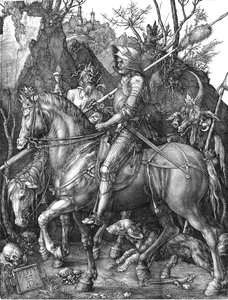
In the annals of the Northern Renaissance, few works command the same visceral intensity as Albrecht Dürer’s 1513 masterpiece, Knight, Death and the Devil. This monumental engraving is…
Bring this light home →
In the profound stillness of 1513, Albrecht Dürer captured a moment of intense spiritual confrontation in his masterful engraving, Knight, Death, and the Devil. This work, one of…
Bring this light home →
The Men's Bath is a woodcut created by Albrecht Dürer in 1497. The image captures a group of nude men gathered within a bathhouse. They occupy a space…
Bring this light home →
In the quiet, shadowed corners of the Northern Renaissance, few works capture the profound essence of human devotion as poignantly as Albrecht Dürer’s St Jerome in the Wilderness.…
Have it painted by hand →
In the annals of the Northern Renaissance, few images possess the haunting, visceral magnetism of Albrecht Dürer’s “The Sea Monster.” Created around 1498, this extraordinary engraving serves as…
Bring this light home →
Albrecht Dürerův obraz „Pozorování údolí Arco v Tyrolsku“, vytvořený roku 1495, je mimořádný vodokolorový výjev, který dokazuje uměleckou zručnost a pozorovatelská schopnost charakteristické pro severní renesanci. Tento dílo…
Have it painted by hand →
The scene unfolds in a moment of profound stillness and heavy sorrow. In this depiction of the Crucifixion of Jesus Christ, the weight of the event hangs in…
Order this canvas →
In the quiet, contemplative depths of Albrecht Dürer’s "The Seven Sorrows of the Virgin," created in 1496, we encounter more than a mere religious relic; we enter a…
Have it painted by hand →
In the quiet, shadowed corners of the Northern Renaissance, few works capture the profound essence of human devotion as poignantly as Albrecht Dürer’s St Jerome Penitent in the…
Order this canvas →
In the quiet, shadowed corridors of art history, few works command the visceral intensity of Albrecht Dürer’s Harrowing of Hell, also known as Christ in Limbo. Created between…
Bring this light home →
The monochrome print depicts a celestial event centered on the Virgin Mary. She sits upon a throne decorated with floral patterns. Christ, acting as King of Heaven, places…
Bring this light home →
Tiché pozorování králíka: Dürerův „Hase“ Muzeum Albertina ve Vídni uchovává jedno z těch díl, která jsou na první pohled podvedně prostá, a přesto nesou hluboký rezonující význam renesance…
Bring this light home →
Albrecht Dürer's "Small Passion: 2. Expulsion from Paradise," created in 1510, stands as a cornerstone of Northern Renaissance art—a testament to meticulous observation and profound symbolic representation. More…
Bring this light home →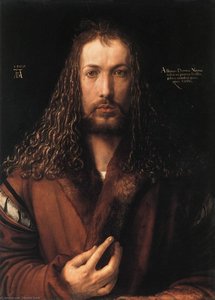
Albrecht Dürer's ‘Self-Portrait in a Fur-Collared Robe,’ painted circa 1500, stands as an unparalleled testament to the artistic fervor of the German Renaissance. More than just a depiction…
Have it painted by hand →
In the quiet, shadowed corridors of the Northern Renaissance, few works capture the raw, trembling essence of human vulnerability as masterfully as Albrecht Dürer’s Agony in the Garden.…
Have it painted by hand →
Albrecht Dürer's "The Temptation of the Idler," completed around 1498, stands as a cornerstone of Northern Renaissance printmaking—a masterful distillation of humanist thought and allegorical representation. More than…
Have it painted by hand →
The drawing, titled Hands of an Apostle, is a detailed study rendered in pen and ink on blue colored paper. The composition focuses exclusively on a pair of…
Order this canvas →
In the quiet, profound depths of Albrecht Dürer’s 1513 engraving, St Peter and St John Healing the Cripple (No. 16), we encounter a moment where the earthly and…
Have it painted by hand →
The forest holds its breath as a sudden, divine light pierces the dense canopy. Within this shadowed woodland, a Roman general named Placidus halts his pursuit, frozen by…
Have it painted by hand →
Výstup z Innsbruckského hradu s oblaky Albrecht Dürerova výstava „Výstup z Innsbruckského hradu s oblaky“, vytvořená v roce 1494, je mistrovské dílo, které dokazuje jeho mimořádnou schopnost zachycovat…
Order this canvas →
Albrecht Dürer’s “The Bagpiper,” created in 1514, transcends mere visual representation; it embodies the spirit of the German Renaissance—a period defined by humanist ideals and an unwavering fascination…
Bring this light home →
Albrecht Dürer's "The Harrowing of Hell," or Christ in Limbo, from his monumental “Large Passion,” is not merely a depiction of biblical narrative; it’s a profound exploration of…
Order this canvas →
In the quiet, meticulous world of Northern Renaissance printmaking, few works command as much reverence as Albrecht Dürer’s 1513 masterpiece, Sudarium Displayed by Two Angels. This profound engraving…
Have it painted by hand →
Albrecht Dürer, slavný německý umělec renesanční éry, je oslavován pro své pečlivé a detailní díla. Jedním z takových mistrovských děl jsou Sylvan Men with Heraldic Shields, vytvořené v…
Order this canvas →
Albrecht Dürer's “The Virgin Mary in Prayer,” painted in 1518, isn’t merely a depiction of the biblical figure; it’s an intensely personal meditation rendered in oil on panel.…
Have it painted by hand →
In the annals of the German Renaissance, few names command as much reverence as Albrecht Dürer, a master who possessed the rare ability to marry scientific precision with…
Bring this light home →
St Eustace: A Detailed Exploration of Dürer's Masterpiece Subject Matter: Engraving zobrazuje svatého Eustacha, známého také jako svaté Huberta, římského vojáka, který se obrátil k křesťanství po zobrazení…
Order this canvas →
Dílo Albrechta Dürera „Mučení deset tisíc“ je silným a evokativním olejným obrazem, který zachycuální podstatu severní renesance. Vytvořené v roce 1508 představuje toto mistrovské dílo svědectví o Dürerově…
Have it painted by hand →
Albrecht Dürer's "St Jerome in His Study" is a remarkable black and white engraving that transports viewers to the private world of a Christian scholar and hermit. Completed…
Order this canvas →
Step closer to the print and observe how the ink settles into the paper. In this 1511 woodcut, we find St. Christopher navigating the currents of a river,…
Order this canvas →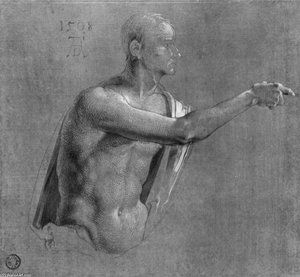
This detailed black and white drawing, executed in pen and ink on paper, presents a study of human anatomy focusing on the upper body of a male figure.…
Bring this light home →
This black and white drawing is a detailed portrait of Willibald Pirckheimer, created by Albrecht Dürer. The composition is a study in profile, focusing on the subject's face…
Order this canvas →
This monochrome drawing, executed in 1520, presents a bust-length view of Erasmus, depicted from the chest upward. The subject is positioned centrally, with his head slightly tilted to…
Order this canvas →
The Breath of Creation: A Vision of Adam In the quiet shadows of the Museo del Prado, Albrecht Dürer’s Adam stands as a monumental testament to the dawn…
Order this canvas →
Dürerova „Studie stařce věku 93 let“, vytvořená v roce 1521, není pouhým portrétem; je to hluboká meditace nad časem, smrtelností a tichou důstojností stárnutí. Toto dílo, zrozené během…
Order this canvas →
The German artist Albrecht Dürer captures the essence of a profound intellect in his 1526 portrait, Erasmus of Rotterdam. This work emerges from a personal connection between the…
Order this canvas →
The Emperors Charlemagne and Sigismund: A Nuremberg Commission Reflects Renaissance Ideals This drawing by Albrecht Dürer represents more than just a portrait; it embodies the aspirations of a…
Have it painted by hand →
The artwork titled Jabach Altar: Saints Simeon and Lazarus is a religious art piece created by the artist Albrecht Dürer. This specific panel constitutes the right wing inside…
Have it painted by hand →
Wing of a Blue Roller, also known as Wing of a European Roller, is a nature study watercolor by the German artist Albrecht Dürer. Completed in 1512, the…
Order this canvas →
The Small Courier is a black and white engraving from 1496. The image depicts a dynamic scene of a man on horseback riding through a forest. The composition…
Have it painted by hand →
A Window Into Renaissance Identity: Examining Albrecht Dürer’s Self-Portrait at 26 The painting “Self-Portrait at 26,” executed by Albrecht Dürer in 1498, transcends mere representation; it embodies the…
Order this canvas →
In the quietude of Albrecht Dürer’s “Virgin and Child with a Pear,” we are invited into a sacred space that transcends the boundaries of time. Completed in 1512,…
Bring this light home →
In the quiet intensity of Albrecht Dürer’s Crowning with Thorns, we are invited into a moment of profound spiritual gravity. Created in 1504, during the height of the…
Order this canvas →
In this woodcut from 1511, we find ourselves drawn into a quiet, intimate corner of a room where a profound act of service is unfolding. The scene captures…
Order this canvas →
In the quietude of Albrecht Dürer’s “Head of an Angel,” completed in 1506, one encounters more than a mere portrait; one enters a meditative space where the boundaries…
Bring this light home →
In the quiet, hallowed halls of the Gemäldegalerie Alte Meister in Frankfurt, there exists a window into a vanished world, a moment of profound intimacy captured by the…
Order this canvas →
Albrecht Dürer’s “Eve,” completed in 1507, stands as a monumental achievement within the artistic landscape of the German Renaissance. Currently residing at the Museo del Prado in Madrid,…
Have it painted by hand →
In the annals of the German Renaissance, few names command as much reverence as Albrecht Dürer. Emerging from the industrious, artisan-driven atmosphere of Nuremberg in 1471, Dürer was…
Order this canvas →
A Dreamscape of Anxiety: Decoding Dürer’s Traumgesicht Albrecht Dürer's *Traumgesicht* (Dream Face), created in 1525, isn’t merely a depiction of a landscape; it’s an unsettling meditation on fear…
Have it painted by hand →
Two elderly figures, Joseph and Joachim, occupy the foreground in a formal, iconographic arrangement. On the left, a man in a green mantle and pink tunic holds a…
Bring this light home →
In the quiet stillness of 1504, Albrecht Dürer captured a moment that would transcend time, weaving together the earthly and the divine in his masterpiece, Adoration of the…
Have it painted by hand →
The air feels still around the Virgin Mary as she cradles the Christ Child in a quiet, intimate embrace. A soft light descends from the upper left, brushing…
Order this canvas →
In the quiet intersection of scientific inquiry and artistic mastery, Albrecht Dürer’s “The Southern Hemisphere of the Celestial Globe” emerges as a breathtaking window into the Renaissance mind.…
Have it painted by hand →
In the Martyrdom of the Ten Thousand, Albrecht Dürer presents an arresting testament to the artistic fervor and moral contemplation characteristic of the German Renaissance. This monumental work…
Order this canvas →
In the quiet, meticulous world of the German Renaissance, few works capture the unsettling intersection of the carnal and the supernatural as profoundly as Albrecht Dürer’s Satyr Family.…
Have it painted by hand →
Albrecht Dürer's "Study of Hands," created in 1506, is far more than a simple depiction of two hands grasping a hat; it’s a profound meditation on human skill,…
Have it painted by hand →
In the annals of the Northern Renaissance, few works command as much reverence for their technical complexity and symbolic depth as Albrecht Dürer’s "Triumphal Arch." Created in 1515,…
Bring this light home →
Albrecht Dürer's "Life of the Virgin: 6. Marriage of the Virgin," executed in 1504, stands as a testament to the artistic fervor of the German Renaissance—a period defined…
Bring this light home →
In the year 1496, within the vibrant, industrious atmosphere of Nuremberg, Germany, a young Albrecht Dürer captured a moment that would transcend the boundaries of mere sketchwork to…
Order this canvas →
In the quiet, shadowed corridors of the Northern Renaissance, few moments capture the intersection of the human and the divine as poignantly as Albrecht Dürer’s Small Passion: 32.…
Have it painted by hand →
In the quiet, profound depths of the Northern Renaissance, few artists possessed the ability to bridge the gap between the earthly and the divine as masterfully as Albrecht…
Have it painted by hand →
A Window into Renaissance Self-Reflection: Examining Albrecht Dürer’s “Self-Portrait at 26” The Museo del Prado in Madrid houses a masterpiece that transcends mere portraiture—Albrecht Dürer's "Self-Portrait at 26,"…
Have it painted by hand →
The artwork is a detailed black and white engraving depicting two figures, a man and a woman, seemingly engaged in conversation. The composition is vertically oriented with the…
Have it painted by hand →
The image is a monochromatic woodcut characterized by intricate linework and high contrast. The composition is dense with figures and architectural elements, creating a sense of dramatic tension.…
Order this canvas →
The engraving, titled Man Of Sorrows With Hands Raised, presents a central figure, presumably Christ, depicted in a state of suffering. The figure stands with arms raised, positioned…
Order this canvas →
In the quiet, meticulous lines of Albrecht Dürer’s Prudentia, we encounter more than just a portrait; we enter a profound meditation on the human intellect and the virtue…
Have it painted by hand →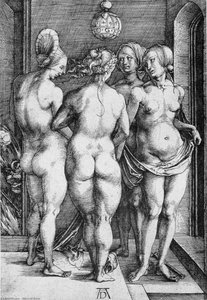

Albrecht Dürer's woodcut, "Christ on the Cross with the Virgin and St John," stands as a profoundly moving testament to the artist’s mastery of German Expressionism and his…
Order this canvas →
Před námi se rozprostírá detailní, černobílý dřevořez Albrecht Dürera, známý jako „Ecce Homo“. Tento obraz není jen technickým mistrovským dílem; je to silný evokace biblické scény – momentu,…
Bring this light home →
The artwork is a detailed black and white woodcut depicting a celestial scene with angels playing musical instruments. The image is vertically oriented, densely populated with figures and…
Bring this light home →
The artwork is a detailed black and white engraving depicting a chaotic battle scene between angels. The composition is vertically oriented and densely populated with figures engaged in…
Have it painted by hand →

A Moment Frozen in Ink: The Tension of the Northern Renaissance Christ before Caiaphas (No. 4) is not merely an engraving; it is a profound psychological drama captured…
Bring this light home →
In the heart of the German Renaissance, where the scent of heated metal and the precision of goldsmithing once defined the streets of Nuremberg, there emerged a portrait…
Have it painted by hand →
This artwork is a detailed black and white woodcut depicting two figures in conversation. The composition is centered around the two figures, positioned on either side of the…
Bring this light home →
A skull rests upon a draped cloth in the foreground, its hollow sockets staring from a position of quiet prominence. Beside this symbol of mortality, a crowned woman…
Order this canvas →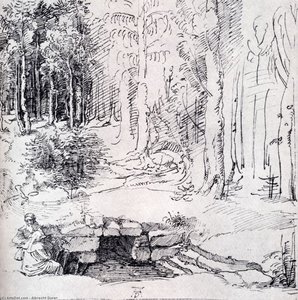
Výstavní dílo: Lesní Údolí s Vysokým Zasypaným Fontánou Sedících dvou Mužů Lesní Údolí s Vysokým Zasypaným Fontánou Sedících dvou Mužů Albrechta Dürera, rok 1505 – jedno z nejvýznamnějších…
Order this canvas →
In the quiet, meticulous world of the German Renaissance, few hands could command the copper plate with as much spiritual authority as Albrecht Dürer. His 1523 engraving, Saint…
Order this canvas →
„Poslední večeře“ od Albrechta Důřera, vytvořená v roce 1511, není jen reprodukcí biblického příběhu; je to monumentální dílo, které uchvátí oko svou precizností, hloubkou symboliky a nesmírnou emocionalitou.…
Have it painted by hand →
In the quiet intimacy of a single copperplate engraving, Albrecht Dürer managed to capture the thunderous pulse of human existence. Peasant Couple Dancing, executed in 1514, is far…
Have it painted by hand →
In the quiet intersection of art and science lies Albrecht Dürer’s Studies on the Proportions of the Female Body, a profound window into the intellectual fervor of the…
Have it painted by hand →
In the annals of the German Renaissance, few images possess the raw, kinetic energy found in Albrecht Dürer’s St Michael Fighting the Dragon. Created around 1498, this masterpiece…
Have it painted by hand →
V srdci severoevropského renesansu, v živém prostředí Nürnbergu z 15. století, se narodil Albrecht Dürer – umělec, který s neochvějnou precizností a hlubokým duchovním zápalem definoval svou éru.…
Bring this light home →
Portrét Maximiliána I. – Výrazné dílo Renesance Výstavou tohoto detailního černobílého kreslení se prezentuje mimořádná schopnost vykreslování textur a technik přesvědčivého zpracování pomocí hatchingu a křížového řezání. Kompozice…
Bring this light home →The four subjects that return most often on these canvases, each with its best-loved example.
8 muzea, v nichž je umístěno nejvíce obrazů z této stránky.
| Muzea | Město | Díla autora Albrecht Dürer | Obrazy z tohoto seznamu |
|---|---|---|---|
 Metropolitan Museum of Art |
New York | 52 | The Sea Monster, Crucifixion, St Jerome Penitent in the Wilderness |
 Graphische Sammlung Albertina |
Vídeň | 51 | Life of the Virgin: 18. The Coronation of the Virgin, Výstup z bývalého hradu v Innsbrucku s oblaky, Étudije devadesátitřicetiletého muže |
 British Museum |
Londýn | 67 | The Men's Bath, Small Passion: 2. Expulsion from the Paradise, Pattern from the Series of Six Knots 3 |
 Kunsthistorisches Museum |
Vídeň | 30 | Adorace Trojice (Landauer oltář), Portrét mladé benátské ženy, Portrét mladé vévodkyňy |
 Museo del Prado |
Madrid | 9 | Autorportrét, Adam, Self-Portrait at 26 |
 Bavarské státní sbírky malby |
Mnichov | 10 | Self-Portrait at the Age of Twenty Eight, The Four Apostles, Jabach Altar: Saints Simeon and Lazarus |
 Alte Pinakothek |
Mnichov | 26 | The Seven Sorrows of the Virgin, Self-Portrait in a Fur-Collared Robe, Sylvánští muži s heraldickými štíty |
 Albertina |
Vídeň | 19 | Mladý zajíc, Zajíc, The Harrowing of Hell or Christ in Limbo, from The Large Passion |

Objevte nadčasovou eleganci mistrovského díla Albrechta Dürera Portrét mládí a vnitřního hledání Dürerův „Sebeportrét ve věku dvacet“ je fascinujícím zobrazením mladého muže, ze kterého vyzařuje klidná vážnost a…

Young Hare - A Masterclass in Naturalism Albrecht Dürer’s 1502 watercolor masterpiece transcends mere animal portraiture; it is a profound study of nature and a testament to the…

In the quiet, hallowed halls of the Alte Pinakothek in Munich, there exists a masterpiece that does more than merely occupy space; it commands a profound silence. Albrecht…
Knight, Death, and the Devil (1513), followed by Mladý zajíc (1502) and Portrét mladého muže (1493).
Albrecht Dürer, born in 1471, was 42 years old: Knight, Death, and the Devil dates from 1513.
Knight, Death, and the Devil, Mladý zajíc, Portrét mladého muže, Feast Of The Rose Garlands, Autorportrét, Uctívání třiadvacetiletého Krista, Self-portrait at 22,1493, louvre, Adorace Trojice (Landauer oltář), Portrét mladé benátské ženy a Kristus mezi učedníky. Each canvas in the ranking above comes with its year and its museum.
1,220 works by Albrecht Dürer are in our catalogue, dated 1493 to 1528.
Mostly in Metropolitan Museum of Art (New York), Graphische Sammlung Albertina (Vídeň) a British Museum (Londýn); the list above names each museum and its canvases.
In 1500s, which gave 33 of the 100 works on this page, Mladý zajíc among them.
The earliest canvas here is Portrét mladého muže (1493); the latest is Studies on the Proportions of the Female Body (1528).
Renaissance (37), Renaissance art (25) a Detail (13), across the 100 works on this page.
Engraving, used in 23 of the 100 works on this page.
Severská renesance, as the canvases on this page show.
The Metropolitan Museum of Art, New York holds 14 of the works on this page, among them The Sea Monster, Crucifixion a St Jerome Penitent in the Wilderness.
Yes. Every painting on this page can be ordered from its own page as an oil reproduction painted by hand, or as a fine art print, in the size you choose.
V rušném fránckém městě Norimberk, místě, kde vzduch často nesl vůni kovu a preciznost jemného řemesla, se v roce 1471 na svět přišel Albrecht Dürer. Narodil se v domácnosti definované stálým, disciplinovaným rytmem řemeslné práce. Jeho otec, Albrecht Dürer starší, byl úspěšný zlatník, který do města přinesl svůj obchod i svou rodinnou tradici. Toto prostředí pečlivé práce a mistrovství v práci s materiálem poskytlo samotnou půdu, ve které se nakonec zakořenil talent mladého chlapce.
Zatímco jeho otec mohl předpokládat život strávený prací s drahými kovy, chlapec cítil jiný druh touhy. Jeho ruce nebyly přitahovány kladivem kováře, nýbrž jemnou precizností kresby a hlubokými možnostmi obrazu. Tato vrozená sklonnost ho nakonec proměnila v člověka mnoha disciplín. Stal se malířem, kreslířem, spisovatelem i rytinářem, přičemž každá tato role mu umožňovala objevovat svět skrze jiný filtr pozorování a technických dovedností.
Jeho raná léta byla formována napětím mezi rodinným řemeslem a jeho vlastní rodící se identitou. Disciplína zlatnické dílny mu vštěpila přísnou pracovní etiku, kterou si nesl do každého média, kterému se dotkl. Již jako dítě byl jeho talent zřejmý, což dokazují jeho raná díla, jako je autoportrét kreslený stříbrným skalpem z roku přibližně 1484. Tento první náznak jeho schopností naznačoval komplexního, intelektuálního umělce, kterým se byl prostoucen stát.
V rušných ulicích Norimberku byl mladý Albrecht formován stálým, disciplinovaným rytmem otcovy dílny. Jeho otec, zlatník, který cestoval z Maďarska za svým štěstím, s sebou přinesl tradici precizního řemesla. Mladý Albrecht začal svou cestu pod otcovým bdělým dohledem, kde se učil přesnosti nezbytné pro práci s kovem. Přesto ruka chlapce disponovala jiným druhem elegance. Pro ty, kteří ho obklopovali, bylo jasné, že jeho skutečné povolání nespočívá v tvarování zlata, ale v plynulém pohybu kreslicí tužky po povrchu papíru.
Již v třinácti letech ho talent vedl pryč od rodinného řemesla přímo do dílny Michaela Wolgemuta, předního umělce města. Tento přechod znamenal začátek hlubokého ponoření do vizuálního jazyka tehdejší doby. Od roku 1486 do roku 1490 pracoval pod Wolgemutovým vedením a pohlcoval tajemství kompozice a designu. Obklopovala ho těžká vůně barviva a neustálý ruch při tvorbě dřevořezů. Toto období učňovství bylo hlubokou edukací v mechanice vytváření obrazu, kde se naučil, jak překladit komplexní myšlenky do ostrých a mocných linií dřevořezebného bloku.
Jeho raný rozvoj byl charakterizován předčasnou schopností zachytit svět s ohromující přesností. Již jako teenager byl jeho talent zřejmý v raných kresbách, jako je například autoportrét vytvořený stříbrnou tužkou, když mu bylo sotva třináct let. Tyto formativní roky v Norimberku poskytly technický základ, na kterém byla postavena celá jeho pozdější kariéra, spojující přísnou pracovní etiku zlatníka s rozsáhlou vizí mistra ilustrátora.
Poháněn neochraněnou zvědavostí a touhou ovládnout tajemství tvaru a perspektivy, obrátil Albrecht Dürer svůj pohled k jihu. V roce 1494 se vydal na svou první cestu do Itálie, aby vyhledal pramen nového uměleckého jazyka, který se rodil v oblasti Středozemního moře. Na konci 90. let 18. století se toulal ulicemi Benátek a Boloně, pohlcoval klasické motivy a harmonické kompozice, jež definovaly italský styl. Nebylo to však pouhé prohlídkování památek; byl to student zcela odlišného způsobu vidění světa. Snažil se pochopit, jak mistři z jihu organizují prostor a lidskou postavu, aby tyto cenné lekce mohl přinést zpět do svých severních krajů.
Jeho druhá pobyt v Itálii proběhl v letech 1505 až 1507, což bylo období, které ještě více prohloubilo jeho porozumění proporcím a eleganci. Albrecht Dürer však nezačal jednoduše kopírovat italský styl; místo toho jej projal se svou vlastní, precizní severní citelností. Tato syntéza mu umožnila vytvářet díla, která v sobě nesla jak strukturální jasnost jihu, tak intenzivní detail svého německého vychovávání. I v pozdějších letech zůstával jeho umělecký duch v neustálém pohybu, což ho v letech 1520 až 1521 vedlo přes Nizozemsko. Zůstal mužem v neustálém hledání, věčně se snažícím odhalit matematické a vizuální pravdy, které vládnou přírodnímu světu.
Ateliér skutečného řemeslníka je místem intenzivní práce a právě v rytmické preciznosti tisku Albrecht Dürer našel svůj největší smysl. Byl mužem nesmírných technických dovedností, schopným jak vyřezávat reliéf do dřevěných bloků, tak pracovat s ostrým, rozhodným zářezem kovového bulínu. Zatímco mnozí jeho současníci využívali tyto metody pouze k pouhému reprodukování již existujících obrazů, on transformoval samotnou podstatu tohoto média. Proměnil grafiku v nezávislou formu umění, která si vypracovala vlastní váhu i důstojnost. Během své dlouhé kariéry vytvořil přes 300 grafik, z nichž každá byla výsledkem jeho neúnavné ruky a hledavého pohledu.
Jeho mistrovství bylo nejvíce patrné tehdy, když se obtočil k technice hlubového tisku, kde využíval měděné desky k dosažení hloubky tónů, které mohl jen málo kdo dohnat. Nespoléhal na jednoduché stínování; místo toho budoval své obrazy prostřednictím komplexního jazyka čar. Použitím šrafování, křížového šrafování, a dokonce i dvojitého šrafování dokázal napodobit jemné posuny světla a stínu, které nacházíme v přírodním světě. Tento meticulózní přístup mu umožnil překonat ploché povrchy dřívějších dřevořezů a vytvořit pocit objemu a atmosféry, který působil pro každého, kdo držel v rukou papír, až překvapivě skutečně.
Albrecht Dürer se snažil odhalit skrytou logiku v rámci viditelného světa, protože věřil, že umění musí být zakotveno v jistotách matematiky a vědy. Nepřihlížel pouze k povrchu věcí; aplikoval přísný, analytický přístup k tomu, jak světlo dopadá na končetinu nebo jak tělo zaplňuje prostor. Toto oddanost matematickým základům reprezentace mu umožnila dosáhnout hlubokého porozumění anatomii a proporcím. Překročil hranice pouhé imitace přírody a místo toho usiloval o pochopení základních pravidel, která ovládají její tvary. Díky tomuto disciplinovanému pohledu dosáhl pozoruhodného naturalismu, který působil zároveň hluboce lidsky i intelektuálně přesně.
Jeho ruka disponovala jedinečnou schopností propojit dva vzdálené světy. Vzal preciznost severoevropské tradice s její neochvějnou ostrostí a propojil ji s grácií a harmonickou kompozicí, které se setkal v Itálii. Tato syntéza mu umožnila vykreslovat textury s téměř obsesivní pozorností k detailu, přičemž si přitom zachoval pocit plynulé elegance. Dokonce si osvojil jemné prolínání tónů známé jako sfumato, které používal k zjemnění přechodů a dodání kompozicím pocitu atmosférického hloubky. Tento sňatek technické rigoroznosti a estetické krásy vnesl do jeho díel váhu a přítomnost, které byly zcela jeho vlastní.
Touha přetavit složité duchovní pravdy do dřeva a kovu poháněla velkou část jeho tvůrčí činnosti. V roce 1498 vytvořil sérii Apokalypse, soubor čtrnácti dřevořezů, které zachytily intenzivní obraznost knihy Zjevení. Tyto tisky demonstrovaly, kolik detailů lze vytesat do prostého dřevěného bloku. Jeho vstup do světa rytiny pak umožnil ještě větší preciznost, což dokazuje jeho ryta z roku 1504 zobrazující Adama a Evu. Toto dílo se snažilo zachytit lidskou postavu s novým smyslem anatomické přesnosti. Své mistrovství využil i při velkolepých náboženských zakázkách, jako byl oltář Slavnost růžových věnců z roku 1506.
Jak umělec dozrával, jeho rytiny se stávaly introspektivnějšími a intelektuálně hlubšími. Mezi lety 1513 a 1514 vytvořil několik děl, která jsou často označována za jeho mistrovské rytiny, včetně Melancholie I a Svatého Jeronýma ve studovně. Tato díla se posunula za hranice pouhé ilustrace a začala zkoumat hluboké psychologické stavy prostřednictvím složité práce s čarou a stínem. I v pozdějších letech zůstala jeho ruka pevná a cílevěsměrná. V roce 1526 dokončil Čtyři apoštoly, dílo, které pokračovalo v jeho celoživotním usilování o spojení technického mistrovství s hlubokým duchovním významem.
Stín, který Albrecht Dürer vrátil do dějin západního umění, sahá hluboko do samotných kořenů naší kultury a ovlivňuje způsob, jakým vnímáme postavení tvůrce ve společnosti. Jeho ambicí bylo posunout umělce od statusu pouhého řemeslníka, pracujícího v dílně na výrobu zboží, směrem k důstojnosti intelektuálního tvůrce. Tento transformativní proces byl poháněn jeho vlastním, nesmírně přísným studiem matematických a vědeckých základů krásy. V svých posledních letech tyto přesvědčení kodifikoval ve svých teoretických dílech, mezi něž patří například Čtyři knihy o lidských proporcích, vydané kolem roku 1528. Skrze tyto texty hájil argument, že umění je disciplínou mysli, která vyžaduje hluboké porozumění geometrii a zákonitostím přírodního světa.
Albrecht Dürer působil jako životně důležitý most mezi dvěma odlišnými světy, kdy do harmonických ideálů italské renesance vtěsnil pečlivou a symbolickou tradici severní Evropy. Absorbováním klasických motivů a perspektivy z jihu a jejich prolnutím s precizním detailem svých německých kořenů vytvořil vizuální jazyk, který byl zcela jeho vlastní. Tato syntéza umožnila vznik nového druhu naturalismu – takového, který neobětoval duchovní hloubku ve prospěch pouhé anatomické přesnosti. Jeho precizní realismus zůstává dodnes předmětem studií pro vědce i umělce, kteří se snaží pochopit přesné průsečíky mezi pozorováním a uměleckým vyjádřením.
Abychom mohli sledovat stopu jeho ruky, musíme překročit mnoho hranic, neboť jeho přítomnost je cítit v grandiózních síních po celé Evropě i daleko za ní. V Londýně hostí British Museum rozsáhlou sbírku sixty-seven jeho děl, která nabízí hluboký pohled na preciznost jeho vize. Ti, kteří hledají ducha jeho rytin, mohou své kroky obrátit k Vánni, do Albertiny, kde zůstalo zachováno padesát jedna jeho děl. Město New York rovněž uchovává významnou část jeho tvorby, neboť čtyřicet sedm děl je spravováno v Metropolitan Museum of Art.
Hmotnost jeho odkazu je silně cítit i v jeho rodné německé zemi. Staatliche Museen zu Berlin spravuje třicet jedna jeho děl, zatímco v Mnichově Alte Pinakothek je zachováno dvacet devět kusů. Tyto sbírky nám umožňují být svědky evoluce jeho mistrovství, od raných stříbrných kreseb jeho mládí až po komplexní, vrstvené kompozice jeho pozdějších let. Čtyři apoštolé lze spatřit v Mnichově, zatímco jemné detaily jeho dřevořezů lze nalézt v berbagai archivech Berlína.