Ateliér — Doprava po celém světě zdarma — Dodání za 2–6 týdnů
      Aztecká Říše, 1300 – 1521

      70 nejslavnějších obrazů autora Aztecká Říše

      Mosaic of a Double-headed Serpent (1521) je obraz, podle kterého je nejznámější Aztecká Říše; nachází se v British Museum, Londýn. Head from a Figure, Xochipilli Macuilxochitl (1521) a Figure (1521) doplňují trio nejoblíbenějších pláten. Náš katalog obsahuje 70 děl umělce Aztecká Říše. Zde je 70 nejznámějších děl včetně roku vzniku, muzea a příběhu každého plátna.

      Seřazeno podle našeho skóre popularity, které kombinuje počet vyhledávání, návštěv a objednávek u každého díla. Aktualizováno říjen 2026. Každý obraz na této stránce lze objednat jako ručně malovanou olejovou reprodukci na lněném plátně, nebo jako umělecký tisk vyrobený v požadovaném rozměru.

      Portrét Aztecká Říše
      Aztecká Říše · 1300 – 1521
      Narozen · zemřel
      1300 – 1521, Tenochtitlán
      Díla v našem katalogu
      70
      Nejslavnější
      Mosaic of a Double-headed Serpent (1521)
      Nejvíce děl v
      Metropolitan Museum of Art

      Deset nejoblíbenějších obrazů autora Aztecká Říše

      Mosaic of a Double-headed Serpent (1521) od Aztecká Říše
      1

      Mosaic of a Double-headed Serpent

      1521 · Mosaic · British Museum, Londýn

      To gaze upon this mosaic of a double-headed serpent is to step directly into the vibrant, myth-laden heart of the Aztec Empire. It is not merely an object of decoration; it is a captured echo of profound belief, a testament to a civilization whose artistry wove the sacred into the very fabric of daily existence. The serpentine form dominates the composition, its sinuous body rendered in breathtaking detail across countless…

      Head from a Figure, Xochipilli Macuilxochitl (1521) od Aztecká Říše
      2

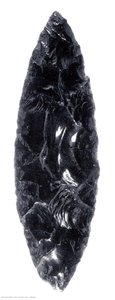
      Head from a Figure, Xochipilli Macuilxochitl

      1521 · Sculpture · Metropolitan Museum of Art, New York

      The obsidian head before us—a dark, almost brooding presence—isn’t merely a sculpture; it's a portal into the vibrant and complex world of the Aztec Empire. Carved in the early 16th century, just decades before the arrival of the Spanish conquistadors, this intimate portrait of Xochipilli Macuilxochitl offers a rare and compelling glimpse into the beliefs, artistry, and ultimately, the fleeting beauty of a vanished civilization. The piece speaks not only…

      Figure (1521) od Aztecká Říše
      3

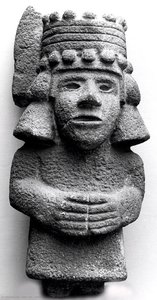
      Figure

      1521 · Stone · Metropolitan Museum of Art, New York

      Before you stands an echo from a civilization whose very name whispers tales of empire and profound spiritual depth: the magnificent "Figure" sculpture. Carved from enduring stone, this piece is not merely an object of antiquity; it is a frozen moment of sacred contemplation. The overall impression is one of solemn power, a tangible connection to the sophisticated worldview of the Aztec people who flourished in the heart of Mesoamerica.…

      Kneeling Male Figure (1521) od Aztecká Říše
      4

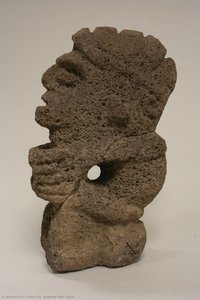
      Kneeling Male Figure

      1521 · Stone · Metropolitan Museum of Art, New York

      To gaze upon this fragment is to reach across the vast chasm of five centuries, touching the solemn breath of an empire long dissolved into myth and archaeological wonder. This kneeling male figure, carved from a dark, porous stone—perhaps basalt itself—is more than mere sculpture; it is a captured moment of profound spiritual engagement. The very texture of the material speaks of time, bearing the patina of ritual smoke and…

      Serpent Labret s pohyblivým jazykem od Aztecká Říše
      5

      Serpent Labret s pohyblivým jazykem

      Akryl na plátně · Metropolitan Museum of Art, New York

      The Serpent Labret with Articulated Tongue stands as a testament to the unparalleled artistry and sophistication of the Aztec Empire, a civilization that captivated Europe’s imagination centuries after its demise. More than just a decorative ornament—a gleaming gold disc inserted beneath the lower lip—it embodies profound cosmological beliefs and reflects the elite status of its wearer.

      Pendent in the Shape of a Warrior (1350) od Aztecká Říše
      6

      Pendent in the Shape of a Warrior

      1350 · Metalwork · Clevelandské muzeum umění, Cleveland

      To hold this piece in your mind is to encounter the quiet strength of the Post-classic period. This small, metallic figure, likely worn close to the body, captures a warrior in a moment of poised readiness. The figure is rendered with a striking sense of presence, characterized by a prominent nose, wide eyes, and a slightly protruding mouth that gives the face a distinct, human character. There is a certain…

      Figure (1521) od Aztecká Říše
      7

      Figure

      1521 · Stone · Metropolitan Museum of Art, New York

      This monochrome photograph captures an ancient Aztec sculpture titled Figure. The piece presents a stylized representation of a human figure, likely a deity or important individual within the Aztec culture. Set against a dark background that emphasizes its intricate details, the sculpture is positioned slightly off-center towards the right of the frame.

      Vulture Vessel (1521) od Aztecká Říše
      8

      Vulture Vessel

      1521 · Ceramic · Metropolitan Museum of Art, New York

      This ceramic vessel, produced around 1521 by Aztec artists, takes the shape of a stylized vulture. The object is constructed from earthenware with a robust, cylindrical body. Four curved legs support the structure, positioned to suggest a sense of movement or a bird prepared to perch. The surface is primarily covered in a reddish-brown hue, likely derived from iron oxide pigments. Black glaze defines specific areas, creating bands that outline…

      Standard Bearer (1521) od Aztecká Říše
      9

      Standard Bearer

      1521 · Stone · Metropolitan Museum of Art, New York

      The Aztec sculpture titled "Standard Bearer," a remarkable testament to the artistry and symbolic depth of the pre-Columbian civilization, stands as more than just a carved stone figure. It’s a window into a complex society—a warrior, a leader, a conduit between the earthly realm and the divine. Dating back to approximately 1450-1521 CE, this piece, originating from the region of Veracruz, offers a tangible connection to a world both familiar…

      Crested Figure (Macuilxochitl) (1521) od Aztecká Říše
      10

      Crested Figure (Macuilxochitl)

      1521 · Metropolitan Museum of Art, New York

      Crested Figure (Macuilxochitl): Echoes of Aztec Cosmology The photograph presents a striking depiction of an Aztec sculpture titled “Crested Figure (Macuilxochitl),” originating from the 15th–early 16th century during the height of the Mexica Empire. This artwork embodies the artistic spirit of Mesoamerica, reflecting profound religious beliefs and political authority—a testament to the enduring legacy of a civilization that captivated imaginations for centuries. Overall Impression: The image captures a sculpture crafted…

      Aztecká Říše: plátna 11 až 70 v žebříčku

      Seated Male Deity (1521) od Aztecká Říše
      #12

      Seated Male Deity

      1521 · Metropolitan Museum of Art

      In the quiet presence of the Seated Male Deity, one does not merely observe a sculpture; one encounters a profound fragment of a lost cosmos. Carved during the…

      Kneeling Female Figure (1521) od Aztecká Říše
      #13

      Kneeling Female Figure

      1521 · Metropolitan Museum of Art

      In the quiet halls of art history, few objects command as much silent reverence as the Kneeling Female Figure. Carved from the dark, enduring strength of basalt, this…

      Miniature Bowl (1521) od Aztecká Říše
      #15

      Miniature Bowl

      1521 · Metropolitan Museum of Art

      To gaze upon this miniature bowl is to hold a fragment of deep time in one's hands. It is not merely an object, but a tangible whisper from…

      Fragment of An Anthropomorphic Brazier (1300) od Aztecká Říše
      #16

      Fragment of An Anthropomorphic Brazier

      1300

      This ceramic fragment presents a vertical arrangement of human-like faces. The central feature is a large, sculpted head, upon which smaller faces are positioned in a stacked, layered…

      Ear Spool (1521) od Aztecká Říše
      #18

      Ear Spool

      1521 · Metropolitan Museum of Art

      Before us lies a fragment of a vanished world, a tangible link to the ingenuity and ritualistic practices of the Aztec Empire. This meticulously crafted ear spool, fashioned…

      Nechte si to namalovat ručně →
      Seated Female Deity (1521) od Aztecká Říše
      #19

      Seated Female Deity

      1521 · Metropolitan Museum of Art

      In the quiet shadows of history, certain objects possess the power to bridge the gap between the mortal realm and the eternal. The Seated Female Deity, a profound…

      Aztec Sun Stone (Calendar Stone) (1427) od Aztecká Říše
      #20

      Aztec Sun Stone (Calendar Stone)

      1427

      The Aztec Sun Stone (Calendar Stone) is a significant work attributed to the Aztec Empire. Carved by the Mexica at the end of the Mesoamerican Postclassic Period, this…

      Seated Male Deity (1521) od Aztecká Říše
      #31

      Seated Male Deity

      1521 · Metropolitan Museum of Art

      Before us stands a testament to the profound artistry and spiritual depth of the Aztec Empire – a weathered stone sculpture known as the “Seated Male Deity,” or…

      Bell (1521) od Aztecká Říše
      #32

      Bell

      1521 · Metropolitan Museum of Art

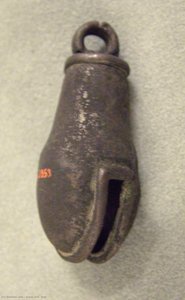
      Imagine holding a piece of history – not just an artifact, but a tangible echo of a vanished empire. This bronze bell, unearthed from the ruins of Tenochtitlan…

      Přineste toto světlo k sobě domů →
      Spider Monkey (1521) od Aztecká Říše
      #33

      Spider Monkey

      1521 · Rhode Island School of Design Museum of Art

      This exceptional hand-painted reproduction captures a pivotal moment in Aztec artistic expression – the creation of a remarkably detailed sculpture depicting a spider monkey, dating back to 1521.…

      Cihuateotl (1521) od Aztecká Říše
      #34

      Cihuateotl

      1521 · Metropolitan Museum of Art

      The stone sculpture known as “Cihuateotl,” a formidable figure emerging from the heart of the Aztec Empire, offers more than just a visual representation; it’s a window into…

      Nechte si to namalovat ručně →
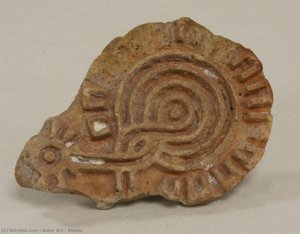
      Stamp (1521) od Aztecká Říše
      #35

      Stamp

      1521 · Metropolitan Museum of Art

      Before us lies a terracotta fragment, not merely an artifact but a window into the heart of the Aztec Empire. Designated simply as “Stamp,” this weathered ceramic seal…

      Přineste toto světlo k sobě domů →
      Feathered Serpent Ornament (1521) od Aztecká Říše
      #36

      Feathered Serpent Ornament

      1521 · Metropolitan Museum of Art

      In the quiet, hallowed halls of the Metropolitan Museum of Art, there exists a treasure that transcends the boundaries of time and geography. The Feathered Serpent Ornament is…

      Relief (1521) od Aztecká Říše
      #37

      Relief

      1521 · Metropolitan Museum of Art

      “Relief,” a meticulously crafted stone carving from the heart of the Aztec Empire, stands as more than just an artistic object; it's a window into a vanished world.…

      Přineste toto světlo k sobě domů →
      Skull Pendant od Aztecká Říše
      #39

      Skull Pendant

      Metropolitan Museum of Art

      Gazing upon this black and white photograph, one is immediately drawn to the stark simplicity and profound symbolism of the Aztec skull pendant. More than a mere decorative…

      Objednat toto plátno →
      Stamp (1521) od Aztecká Říše
      #40

      Stamp

      1521 · Metropolitan Museum of Art

      Within the realm of ancient Mesoamerica lies a deceptively simple object – a terracotta stamp, often referred to as a “stamp” in modern parlance. Yet, this unassuming artifact…

      Objednat toto plátno →
      Female Deity od Aztecká Říše
      #41

      Female Deity

      Metropolitan Museum of Art

      The photograph before you offers an arresting window into the heart of Aztec spirituality – a sculpted representation of a female deity, rendered with a profound sense of…

      Nechte si to namalovat ručně →
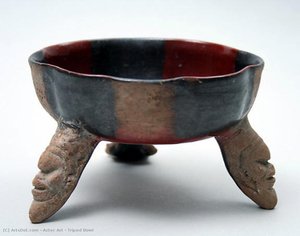
      Tripod Bowl od Aztecká Říše
      #42

      Tripod Bowl

      Metropolitan Museum of Art

      To gaze upon this Tripod Bowl is to reach across the vast expanse of time, directly into the vibrant heart of the Aztec Empire. It is not merely…

      Maize Deity (Chicomecoatl) od Aztecká Říše
      #43

      Maize Deity (Chicomecoatl)

      Metropolitan Museum of Art

      Carved from basalt, this sculpture represents Chicomecoatl, the Mexica goddess of maize. The figure is rendered in a frontal, upright posture with arms raised in a gesture of…

      Seated Female Deity od Aztecká Říše
      #44

      Seated Female Deity

      Metropolitan Museum of Art

      Seated Female Deity: A Reflection of Aztec Spirituality The image presents a grayscale photograph of an Aztec sculpture depicting a seated female deity. The sculpture is rendered in…

      Kneeling Male Figure od Aztecká Říše
      #45

      Kneeling Male Figure

      Metropolitan Museum of Art

      To gaze upon the Kneeling Male Figure is to reach across the vast chasm of five centuries, touching the solemn breath of an empire long dissolved into myth…

      Seated Male od Aztecká Říše
      #46

      Seated Male

      Metropolitan Museum of Art

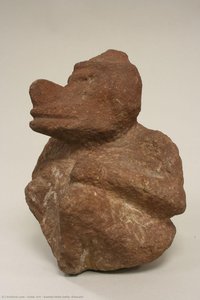
      is a stone sculpture created by the Aztec Empire. Originating from Mexico, Mesoamerica, the work belongs to the Mexica (Aztec) culture. It dates to the 15th–early 16th century.

      Ritualní kámen (pulidor) (1521) od Aztecká Říše
      #47

      Ritualní kámen (pulidor)

      1521 · Metropolitan Museum of Art

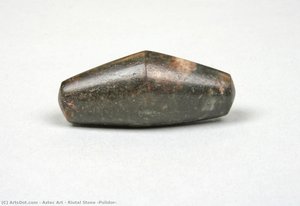
      The “Ritual Stone,” formally known as *pulidor*, stands as a poignant testament to the artistic prowess and spiritual beliefs of the Aztec Empire—a civilization that flourished between 1300…

      Objednat toto plátno →
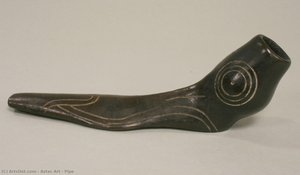
      Pipe (1521) od Aztecká Říše
      #50

      Pipe

      1521 · Metropolitan Museum of Art
      Seated Male Deity od Aztecká Říše
      #51

      Seated Male Deity

      Metropolitan Museum of Art

      The Aztec Empire, a civilization that flourished in Mesoamerica for centuries, left behind a legacy of breathtaking artistry and profound spiritual belief. Among its most compelling creations stands…

      Nechte si to namalovat ručně →
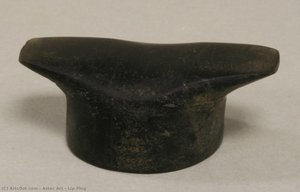
      Lip Plug od Aztecká Říše
      #52

      Lip Plug

      Metropolitan Museum of Art

      To gaze upon this artifact is to reach across the vast expanse of time, touching the cool, dark permanence of an ancient civilization. This piece, an Aztec Lip…

      Nechte si to namalovat ručně →
      Uilacapitztli (Pottery Flute) od Aztecká Říše
      #54

      Uilacapitztli (Pottery Flute)

      Metropolitan Museum of Art

      To gaze upon the Uilacapitztli is not merely to observe an artifact; it is to reach across the vast expanse of centuries and touch the very breath of…

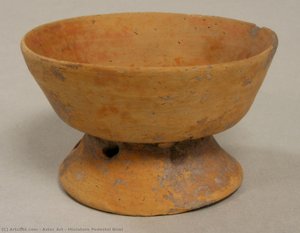
      Miniature Pedestal Bowl od Aztecká Říše
      #55

      Miniature Pedestal Bowl

      Metropolitan Museum of Art

      To gaze upon this miniature pedestal bowl is to reach across the vast expanse of time, to hold in one's hands a tangible whisper from the heart of…

      Drum (Teponaztli) od Aztecká Říše
      #58

      Drum (Teponaztli)

      Metropolitan Museum of Art

      To gaze upon this representation of an Aztec Teponaztli is not merely to observe an artifact; it is to listen for a silence that holds echoes. This magnificent…

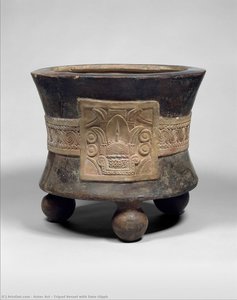
      Tripod Vessel with Date Glyph od Aztecká Říše
      #59

      Tripod Vessel with Date Glyph

      Metropolitan Museum of Art

      The image before us presents more than just a ceramic object; it’s a tangible fragment of the Aztec Empire, a silent chronicle etched in clay and imbued with…

      Bowl od Aztecká Říše
      #60

      Bowl

      Metropolitan Museum of Art

      Gazing upon this meticulously rendered reproduction of an Aztec bowl is akin to stepping back in time, directly into the heart of Tenochtitlan, the magnificent capital city of…

      Objednat toto plátno →
      Maize Deity (Chicomecoatl) od Aztecká Říše
      #61

      Maize Deity (Chicomecoatl)

      Metropolitan Museum of Art

      Standing before this weathered stone sculpture, one is immediately transported to the heart of ancient Mexico – a realm where the divine intertwined seamlessly with the rhythms of…

      Stamp, Butterfly od Aztecká Říše
      #62

      Stamp, Butterfly

      Metropolitan Museum of Art

      Stamp, Butterfly - A Fragment of Aztec Cosmology The image presents a captivating glimpse into the artistic heritage of the Aztec Empire—specifically, a ceramic stamp depicting a butterfly…

      Přineste toto světlo k sobě domů →
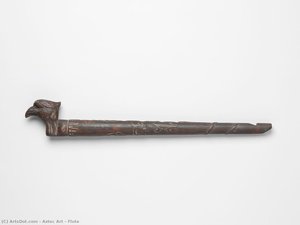
      Flute od Aztecká Říše
      #63

      Flute

      Metropolitan Museum of Art

      Within the vast tapestry of Aztec artistry lies a deceptively simple instrument – the flute, often referred to as *uilacapitztli* (meaning “flute-head”). More than just a musical device,…

      Objednat toto plátno →
      Miniature Pedestal Bowl od Aztecká Říše
      #64

      Miniature Pedestal Bowl

      Metropolitan Museum of Art

      Gazing upon this exquisite miniature pedestal bowl offers more than just an appreciation of its delicate form; it’s a portal into the heart of the Aztec Empire, a…

      Ear Ornament od Aztecká Říše
      #65

      Ear Ornament

      Metropolitan Museum of Art

      To hold an object from the heart of the Aztec Empire is to touch the very pulse of Mesoamerican history. This exquisite ear ornament, a masterwork of the…

      Miniature Tripod Vase od Aztecká Říše
      #66

      Miniature Tripod Vase

      Metropolitan Museum of Art

      The world of ancient Mesoamerica pulses with an undeniable energy – a vibrant blend of ritual, conquest, and breathtaking artistry. Within this rich tapestry, the miniature tripod vase…

      Nechte si to namalovat ručně →
      Stamp, Monkey od Aztecká Říše
      #67

      Stamp, Monkey

      Metropolitan Museum of Art

      Imagine holding a tangible piece of history – a small, unassuming ceramic stamp from the heart of the Aztec Empire. This particular artifact, depicting a stylized monkey in…

      Přineste toto světlo k sobě domů →
      Bowl od Aztecká Říše
      #68

      Bowl

      Metropolitan Museum of Art

      In the quiet presence of this ancient Aztec bowl, one can almost hear the rhythmic pulse of a civilization that once commanded the heart of Mesoamerica. This ceramic…

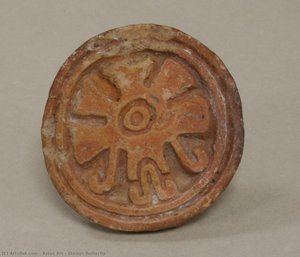
      Flat Stamp with Geometric Flower od Aztecká Říše
      #69

      Flat Stamp with Geometric Flower

      Metropolitan Museum of Art

      This striking ceramic stamp, a relic of the Aztec Empire, isn’t merely an artifact; it's a portal to a civilization brimming with intricate symbolism and profound artistic skill.…

      Plátna umělce Aztecká Říše podle jednotlivých období

      Co nejčastěji maloval Aztecká Říše

      Čtyři témata, která se na těchto plátnech nejčastěji objevují, každé s jedním z jejich nejoblíbenějších příkladů.

      Kde visí plátna umělce Aztecká Říše

      5 muzea, v nichž je umístěno nejvíce obrazů z této stránky.

      Muzea Město Díla autora Aztecká Říše Obrazy z tohoto seznamu
      Metropolitan Museum of Art, New YorkMetropolitan Museum of Art New York 51 Head from a Figure, Xochipilli Macuilxochitl, Figure, Kneeling Male Figure
      British Museum, LondýnBritish Museum Londýn 1 Mosaic of a Double-headed Serpent
      Clevelandské muzeum umění, ClevelandClevelandské muzeum umění Cleveland 1 Pendent in the Shape of a Warrior
      Rhode Island School of Design Museum of Art, ProvidenceRhode Island School of Design Museum of Art Providence 1 Spider Monkey
      Dumbarton Oaks Research Library and Collection, Washington, D.C.Dumbarton Oaks Research Library and Collection Washington, D.C. 1 Tlazolteotl (Birthing Figure)

      Nejslavnější plátno umělce Aztecká Říše, dekádu po dekádě

      1. 1350s
        Pendent in the Shape of a Warrior (1350) od Aztecká Říše
        Pořadí 6 z 70

        Pendent in the Shape of a Warrior

        Věk 50 – 59 · Clevelandské muzeum umění

        To hold this piece in your mind is to encounter the quiet strength of the Post-classic period. This small, metallic figure, likely worn close to the body, captures…

      2. 1420s
        Aztec Sun Stone (Calendar Stone) (1427) od Aztecká Říše
        Pořadí 20 z 70

        Aztec Sun Stone (Calendar Stone)

        Věk 120 – 129

        The Aztec Sun Stone (Calendar Stone) is a significant work attributed to the Aztec Empire. Carved by the Mexica at the end of the Mesoamerican Postclassic Period, this…

      3. 1460s
      4. 1480s
      5. 1500s
        Coyote (1500) od Aztecká Říše
        Plátno 23 z 70

        Coyote

        Věk 200 – 209
      6. 1510s
        Standard-Bearer (1519) od Aztecká Říše
        Plátno 57 z 70

        Standard-Bearer

        Věk 210 – 219

        This stark figure displays the minimalism and monumentality of Aztec stone sculpture. The rigid pose resembles the block of stone from which it was carved. In contrast, the…

      7. 1520s
        Mosaic of a Double-headed Serpent (1521) od Aztecká Říše
        Pořadí 1 z 70

        Mosaic of a Double-headed Serpent

        Věk 220 – 221 · British Museum

        To gaze upon this mosaic of a double-headed serpent is to step directly into the vibrant, myth-laden heart of the Aztec Empire. It is not merely an object…

      Plátna umělce Aztecká Říše otázka po otázce

      Kterým plátnem je Aztecká Říše nejvíce známý/á?Přečtěte si odpověď

      Mosaic of a Double-headed Serpent (1521), British Museum, Londýn. Následují Head from a Figure, Xochipilli Macuilxochitl (1521) a Figure (1521).

      Mosaic of a Double-headed Serpent: kolik let bylo Aztecká Říše, když bylo namalováno?Přečtěte si odpověď

      Aztecká Říše, narozen 1300, měl 221 let: dílo Mosaic of a Double-headed Serpent pochází z roku 1521.

      Kterých deset nejslavnějších obrazů má Aztecká Říše?Přečtěte si odpověď

      Mosaic of a Double-headed Serpent, Head from a Figure, Xochipilli Macuilxochitl, Figure, Kneeling Male Figure, Serpent Labret s pohyblivým jazykem, Pendent in the Shape of a Warrior, Figure, Vulture Vessel, Standard Bearer a Crested Figure (Macuilxochitl). U každého plátna v uvedeném žebříčku je uveden rok jeho vzniku a muzeum, ve kterém se nachází.

      Kolik obrazů vytvořil/a Aztecká Říše?Přečtěte si odpověď

      V našem katalogu je 70 děl umělce Aztecká Říše, datovaných od 1350 do 1521.

      Kde se dnes nacházejí nejslavnější plátna umělce Aztecká Říše?Přečtěte si odpověď

      Většinou v Metropolitan Museum of Art (New York), British Museum (Londýn) a Clevelandské muzeum umění (Cleveland); výše uvedený seznam obsahuje názvy jednotlivých muzeí a jejich pláten.

      Kdy Aztecká Říše namaloval svá nejslavnější plátna?Přečtěte si odpověď

      V období 1520s, které tvoří 29 z 70 děl na této stránce, mezi nimi i Mosaic of a Double-headed Serpent.

      Které plátno slavného umělce Aztecká Říše vzniklo jako první a které jako poslední?Přečtěte si odpověď

      Nejstarší plátno se zde datuje do Pendent in the Shape of a Warrior (1350); nejnovější je z Mosaic of a Double-headed Serpent (1521).

      Jaká témata maloval Aztecká Říše nejčastěji?Přečtěte si odpověď

      Mesoamerica (20), Aztec (16) a Sculpture (13) napříč 70 díly na této stránce.

      Která technika se nejčastěji objevuje v obrazech umělce Aztecká Říše?Přečtěte si odpověď

      Stone, použito u 15 z 70 děl na této stránce.

      Která díla umělce Aztecká Říše se nacházejí v muzeu Metropolitan Museum of Art?Přečtěte si odpověď

      Muzeum Metropolitan Museum of Art, New York se vlastní 51 děl z této stránky, mezi nimiž jsou i Head from a Figure, Xochipilli Macuilxochitl, Figure a Kneeling Male Figure.

      Kde si mohu koupit reprodukci obrazu od Aztecká Říše?Přečtěte si odpověď

      Ano. Každý obraz na této stránce lze objednat z jeho vlastní stránky jako ručně malovanou olejovou reprodukci nebo jako umělecký tisk v požadovaném rozměru.

      Seznamte se s malířem: Aztecká Říše

      Echa kamene: Průzkum umění a odkazu Aztické říše

      Jméno „Aztéka“ – odvozené z národního slova nahuatl ātl-ce-tlācati–tlān, což znamená „lidé mnoha podob“ – vyvolává obrazy rozsáhlé, komplexní říše, která po staletí dominovala Mesoamerice. Aztékové však nebyli pouze válečníky a dobyvatelem; byli to hluboce umělecké jedinci, kteří do každého aspektu svého života vplétali jemnou krásu – od monumentální architektury až po křehké peřínaté práce, od posvátných rituálů až po předměty každodenní potřeby. Jejich umění nebylo pouze dekorativní; bylo to živoucí jazyk, který komunikoval náboženské přesvědčení, politickou moc, historické narativy a sociální hierarchie v rámci společnosti, jež byla zároveň přísně strukturovaná i překvapivě inovativní.

      Umělecké tradice Azteků, zrozené na začátku 14. století v Tenochtitlánu, srdci Aztické říše, byly hluboce zakořeněné v odkazu dřívějších mesoamerických civilizací. Olmekové se svými kolosálními hlavami a sofistikovanými kalendářskými systémy, Teotihuacánci, proslulí svými masivními pyramidami a urbanismem, i Toltekové, mistři kovové výroby a sochařství, všichni přispěli k bohaté umělecké tkanině, kterou si Aztékové převzali. Aztékové však nebyli pouhými imitátory; tyto vlivy syntetizovali se svým vlastním, unikátním estetickým smyslem a vytvořili odlišný styl charakteristický odvážnými barvami, složitými geometrickými vzory a symbolickými vyobrazeními.

      Paleta moci: Materiály a techniky

      Aztické umění bylo neuvěřitelně rozmanité a využívalo ohromující škálu materiálů i technik. Výrazné místo zaujalo řezbářství do kamene, jehož vrcholem jsou monumentální sochy zobrazující bohy, vládce a mýtické bytosti. Masivní Sluneční kámen (Kalendářní kámen), objevený v roce chaft1946, stojí jako svědectví jejich mistrovství v tomto médiu – jde o komplexní, vrstvený kamenný reliéf, který spojuje kalendářní informace s kosmologickým symbolismem. Zruční řemeslníci pracovali také s dřevem, jarem, peřím – zejména zářivými plety ptáka quetzala –, jadeitem, tyrkysem, obsidiánem a zlatem, což odráželo jak bohatství, tak společenský status.

      Práce s peřím byla možná nejvíce vizuálně nápadným aspektem aztického umění. Intrikatně vyrobené čeleny, roucha, štíty a další dekorativní předměty byly vytvářeny pomocí tisíců pečlivě uspořádaných per – proces, který vyžadoval nesmírné dovednosti a trpělivost. Tyto předměty nebyly pouze krásné; sloužily jako mocné symboly autority, náboženské oddanosti a společenského postavení. Samotné barvy nesly specifické významy: modrá představovala nebesa, zelená symbolizovala plodnost, červená znamenala válku a žlutá reprezentovala slunce.

      Kromě toho byli aztičtí umělci mistry mozaiky, vytvářející úchvatné dekorativní panely z malých, přesně řezaných kamenných destiček. Tyto mozaiky zdobily chrámy, paláce i soukromé rezidence a dodaly zabudovanému prostředí vrstvu vizuální bohatosti. Jejich keramika byla stejně působivá, s intricate geometrickými vzory a zobrazením zvířat a božstev.

      Jazyk symbolů: Témata a motivy

      Aztické umění je prosyceno symbolikou, kde každý obraz nese vrstvy významu vyžadující pečlivou interpretaci kněžů, písařů a vládce. Hlavní božstvo, Huitzilopochtli, bůh války a slunce, byl často zobrazen v okázalých čelenách zdobených peřím a drahokamy. Quetzalcoatl, bůh peřínatého hada spojený s poznáním, moudrostí a stvořením, si v jejich panteonu nárokoval významné místo a objevoval se v liczných uměleckých ztvárněních.

      Dalším opakujícím se motivem byl kalendářní systém – neuvěřitelně sofistikovaná kombinace solárních a rituálních cyklů. Obrazy kalendářů, glyfů a astronomických symbolů byly začleněny do soch, mozaik a kodexů (ilustrovaných knih), což odráželo hluboké chápání času a kosmologie Azteků. Zobrazení kukuřice, základní plodiny jejich stravy, symbolizovalo obživu a plodnost. Zvířecí motivy – zejména jaguáři, orli, hadi a kolibříci – nesly symbolický význam spojený s mocí, odvahou a božstvím.

      Odkaz v úlomcích: Umění a historický význam

      Náhlý kolaps Aztické říše v rukou španělských conquistadorů v roce 1521 znamenal pro mesoamerickou kulturu devastující ztrátu. Tragicky byla během dobývání zničena velká část jejich uměleckého dědictví – chrámy byly srovnány se zemí, sochy rozbity a kodexy spáleny. Přesto, navzdory těmto ztrátám, fragmenty aztického umění přežívají dodnes a nabízejí nepostradatelný pohled do této pozoruhodné civilizace.

      Mezi významné příklady patří Sluneční kámen, monumentální socha demonstrující pokročilé znalosti astronomie a matematiky; intricate peřínaté čeleny a roucha uchovávaná v muzeích po celém světě; a přeživší kodexy – ručně psané knihy obsahující historické záznamy, náboženské přesvědčení a kalendářní informace. Colección Andrés Blaisten v Mexiku hostí významnou sbírku latinoamerického umění, včetně příkladů, které osvětlují aztické umělecké tradice.

      Vliv uměleckého odkazu Aztické říše lze vidět i dnes, inspirující současné umělce i designéry. Jejich inovativní techniky, symbolická obraznost a hluboké spojení s přírodou v nás stále rezonují po celém světě. Průzkum aztického umění není pouze cvičením v historickém ocenění; je to cesta do srdce komplexní a fascinující civilizace – svědectví lidské kreativity, vynalézavosti a duchovní hloubky.

      Chcete-li prozkoumat další umělecká díla z Aztické říše a dalších významných umělců, navštivte TopImpressionists.com.

      Všechna díla od Aztecká Říše: 70 →