Ateliér — Doprava po celém světě zdarma — Dodání za 2–6 týdnů
      Berthe Morisotová, 1841 – 1895

      Berthe Morisotová: The 100 Best-Known Paintings

      Of all Berthe Morisotová's paintings, Zahrada s violkami (1872) is the most famous; it hangs in the Musée d'Orsay, Paříž. Close behind come Kůr Rosičáku (1885) and Thatched Cottage in Normandy (1865). Among the 361 works by Berthe Morisotová in our catalogue, these 100 are the most celebrated, each shown with its date, its museum and its story.

      Seřazeno podle našeho skóre popularity, které kombinuje počet vyhledávání, návštěv a objednávek u každého díla. Aktualizováno říjen 2026. Each painting on this page can be ordered as an oil reproduction painted by hand on linen canvas, or as a fine art print, made to the size you choose.

      Portrét Berthe Morisotová
      Berthe Morisotová · 1841 – 1895
      Narozen · zemřel
      1841 – 1895, Bourges
      Směr
      Impressionist style
      Díla v našem katalogu
      361
      Nejslavnější
      Zahrada s violkami (1872)
      Nejvíce děl v
      Musée Marmottan Monet

      Berthe Morisotová's 10 most celebrated paintings

      Zahrada s violkami (1872) od Berthe Morisotová
      1

      Zahrada s violkami

      1872 · Olej na plátně · Musée d'Orsay, Paříž

      V srdci impresionistického umění, kde se světlo a emoce prolínají s jemnými odstíny, se nachází obraz Berthe Morisot – „The Cradle“ (Le Berceau). Tato malebnost, datovaná rokem 1872, není pouhým portrétem; je to klíč k odemknutí intimního světa, který Morisot tak pečlivě a srozumitelně zachycovala. V Musée d’Orsay v Paříži, kde se nachází, obraz vyzařuje tichou melancholii a hluboké citové spojení, které oslovuje diváka již při prvním pohledu. Morisot, žena,…

      Kůr Rosičáku (1885) od Berthe Morisotová
      2

      Kůr Rosičáku

      1885 · Olej na plátně

      Pohled do impresionistického klidu Dílo Berthe Morisotové „Koutek růžové zahrady“ pohroutí diváka do klidné zahradní scény, která je zahřátá v měkkých, teplých tónech západu slunce. Toto fascinující umělecké dílo je svědectvím o Morisotové mistrovství v impresionistickém stylu, jenž dokáže zachytit pomíjivou krásu přírody pomocí volných tahů štětcem a živé barevné palety. Zachycení podstaty přírody Obraz zobrazuje bujnou zahradu plnou rozkvetlých růží v odstínech růžové, bílé a žluté, které jsou zasazeny…

      Thatched Cottage in Normandy (1865) od Berthe Morisotová
      3

      Thatched Cottage in Normandy

      1865 · Oil On Canvas

      To stand before Berthe Morisot’s depiction of a Thatched Cottage in Normandy is to step through a veil and into the gentle embrace of a bygone French afternoon. This painting, executed in 1865, is far more than a mere record of rural architecture; it is an immersion into the very spirit of life lived at the rhythm of the seasons. Morisot captures that quintessential joie de vivre found in the…

      Study, The Water's Edge (1864) od Berthe Morisotová
      4

      Study, The Water's Edge

      1864 · Oil On Canvas

      Berthe Morisot’s “Study, The Water’s Edge,” painted in 1864, is more than just a depiction of a serene lakeside scene; it’s an intimate glimpse into the heart of Impressionism. This small canvas – measuring 60 x 73 cm – vibrates with a delicate energy, capturing not just what Morisot saw but also the fleeting emotions and sensations of that particular moment. The painting immediately draws the viewer in with its…

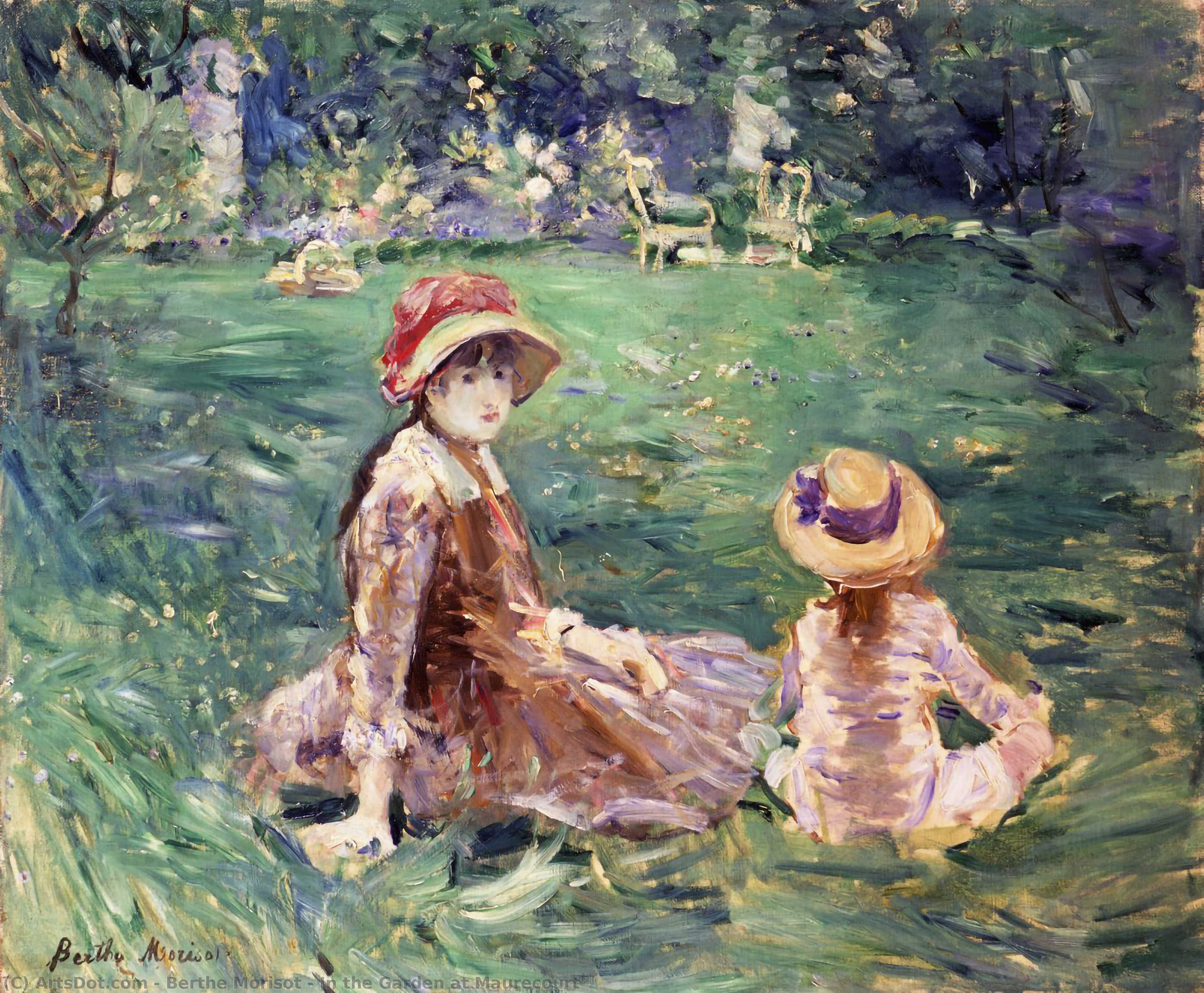
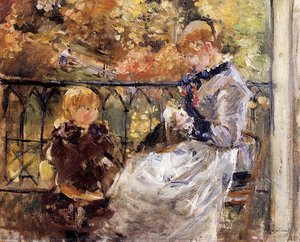
      In the Garden at Maurecourt (1884) od Berthe Morisotová
      5

      In the Garden at Maurecourt

      1884 · Oil On Canvas · Toledo Museum of Art, Toledo

      In the soft, dappled sunlight of a French afternoon, Berthe Morisot’s “In the Garden at Maurecourt” invites the viewer into a sanctuary of profound stillness. Completed in 1884, this masterpiece serves as a window into the Belle Époque, capturing a moment that feels both fleeting and eternal. The scene unfolds within a lush, verdant garden—likely the Morisot estate near Maurecourt—where two young figures, including the artist’s daughter Julie, are nestled…

      Portrait of Edma (1870) od Berthe Morisotová
      6

      Portrait of Edma

      1870 · Oil On Canvas · Courtauld Gallery, Londýn

      In the soft, flickering light of a Parisian afternoon, Berthe Morisot captures more than just a likeness in her 1871 masterpiece, Portrait of Edma. This painting serves as a profound window into the intimate domesticity that defined much of the Impressionist movement’s early explorations. The subject, Edma Pontillon—Morisot’s own sister-in-law—is not presented with the stiff, formal grandeur typical of academic portraiture. Instead, she is nestled within a private, quiet moment,…

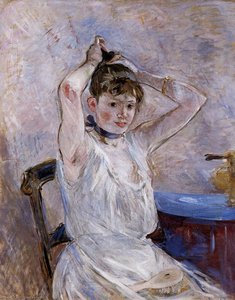
      The Bath (1886) od Berthe Morisotová
      7

      The Bath

      1886 · Oil On Canvas

      To stand before Berthe Morisot’s The Bath is to step into a moment suspended in time—a breath held within the soft glow of an afternoon indoors. This painting, executed in 1886, transcends a mere depiction of daily routine; it captures the very essence of private contemplation. The scene unfolds with remarkable delicacy: a woman seated amidst the quiet rituals of self-care, brushing her hair. Morisot does not merely record what…

      The Quay at Bougival (1883) od Berthe Morisotová
      8

      The Quay at Bougival

      1883 · Oil On Canvas · Nasjonalgalleriet, Oslo

      To gaze upon Berthe Morisot’s “The Quay at Bougival” is to step through a portal into the heart of French Impressionism, where the boundaries between reality and perception begin to dissolve. Completed in 1883, this exquisite oil on canvas serves as much more than a mere landscape; it is a rhythmic, breathing snapshot of life along the Seine. The scene captures the bustling waterfront of Bougival, a serene suburb of…

      Daffodils (1885) od Berthe Morisotová
      9

      Daffodils

      1885 · Oil On Canvas

      To stand before Berthe Morisot’s Daffodils is not merely to observe a still life; it is to step directly into a sun-drenched, breathlessly beautiful moment captured by the brush. Painted in 1885, this work radiates the delicate spirit of Impressionism, inviting the viewer into an intimate contemplation of nature’s cyclical promise. The composition centers on a simple arrangement: vibrant yellow daffodils gathered within a vase accented with cool blue hues,…

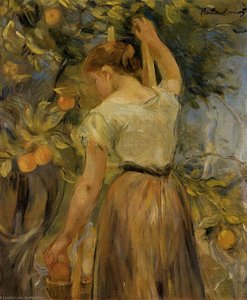
      Young Woman Picking Oranges (1889) od Berthe Morisotová
      10

      Young Woman Picking Oranges

      1889 · Oil On Canvas

      To stand before Berthe Morisot's Young Woman Picking Oranges is to step directly into a sun-dappled moment suspended in time. This exquisite oil on canvas, dating from 1889, is not merely a depiction of an afternoon chore; it is a lyrical meditation on leisure, femininity, and the very nature of light itself. Morisot, a central figure whose genius blossomed within the vibrant currents of Impressionism, captures life with an almost…

      Berthe Morisotová paintings ranked 11 to 100

      The Garden at Bougival (1884) od Berthe Morisotová
      #11

      The Garden at Bougival

      1884 · Musée Marmottan Monet

      Berthe Morisot’s “The Garden at Bougival,” painted in 1884, is more than just a depiction of a sun-drenched garden; it's an intimate glimpse into the heart of the…

      Bring this light home →
      Woman in Black (1878) od Berthe Morisotová
      #12

      Woman in Black

      1878 · National Gallery of Ireland

      To stand before Berthe Morisot's Woman in Black is to step directly into the luminous, fleeting moments of late nineteenth-century Parisian life. This portrait, painted in 1878, transcends…

      Have it painted by hand →
      Little Dancer (1885) od Berthe Morisotová
      #14

      Little Dancer

      1885

      To stand before Berthe Morisot's Little Dancer is not merely to observe a painting; it is to step into a suspended moment of quiet contemplation. This exquisite oil…

      Order this canvas →
      Roses (1894) od Berthe Morisotová
      #15

      Roses

      1894

      In this 1894 oil on canvas, Berthe Morisot presents us with Roses, a quiet study within the flower painting genre. This work emerged during a period when the…

      Have it painted by hand →
      Mother and Sister of the Artist (1869) od Berthe Morisotová
      #17

      Mother and Sister of the Artist

      1869 · National Gallery of Art

      In the quiet corners of art history, few works capture the ephemeral beauty of domestic life as tenderly as Berthe Morisot’s 1869 masterpiece, "Mother and Sister of the…

      Order this canvas →
      Young Girl with Basket (1892) od Berthe Morisotová
      #18

      Young Girl with Basket

      1892 · Philadelphia Museum of Art

      In this 1892 oil on canvas, we find ourselves in a private, intimate space, observing a young girl seated in a wicker chair. She is captured in profile,…

      Have it painted by hand →
      Portrait of a Child (1894) od Berthe Morisotová
      #19

      Portrait of a Child

      1894 · Philadelphia Museum of Art

      A Luminous Encounter with Innocence Portrait of a Child unfolds in a soft, golden glow that seems to emanate from within the canvas itself. A young subject sits…

      Have it painted by hand →
      Young Girl with Hat (1891) od Berthe Morisotová
      #23

      Young Girl with Hat

      1891 · Art Institute of Chicago

      A young girl is captured in a moment of quietude, her form emerging from a dark, indistinct background. She is positioned slightly off-center, viewed from the waist up…

      Order this canvas →
      The Port of Nice (1882) od Berthe Morisotová
      #33

      The Port of Nice

      1882

      Painted during a pivotal moment in art history, “The Port of Nice” reflects the burgeoning Impressionist movement’s challenge to traditional academic painting. Berthe Morisot, alongside artists like Monet…

      Have it painted by hand →
      Port of Gorey (1886) od Berthe Morisotová
      #34

      Port of Gorey

      1886

      The Port of Gorey is a stunning oil on canvas painting by the renowned French artist Berthe Morisot, created in 1886. This beautiful representation of the ocean, measuring…

      Bring this light home →
      Nálev mléka (1890) od Berthe Morisotová
      #35

      Nálev mléka

      1890

      Berthe Morisot: Život Věnčený Světlu a Intimitě Berthe Morisot představuje jednu z nejvýznamnějších postav impresionismu, ale její příběh sahá daleko za pouhé označení „ženského impresionistu“. Definovat ji pouze…

      Have it painted by hand →
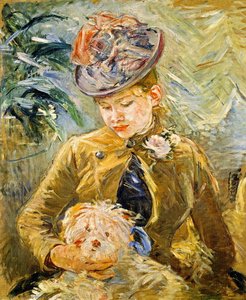
      Girl with a Dog (1887) od Berthe Morisotová
      #65

      Girl with a Dog

      1887

      Berthe Morisot's "Girl with a Dog," painted in 1887, is a captivating portrait that showcases her unique style and skill as an artist. This oil on canvas painting…

      Have it painted by hand →
      Hide and Seek (1873) od Berthe Morisotová
      #68

      Hide and Seek

      1873

      “Hide and Seek” is an oil on canvas painting created by Berthe Morisot in 1873, showcasing a beautiful depiction of everyday life in the 19th century. This artwork…

      Have it painted by hand →
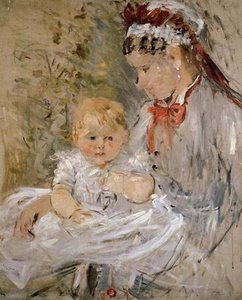
      Julie with Her Nurse (1880) od Berthe Morisotová
      #75

      Julie with Her Nurse

      1880 · Ny Carlsberg Glyptotek

      Berthe Morisot's Julie with Her Nurse, painted in 1880, is more than just a portrait; it’s a tender exploration of motherhood and domestic life within the burgeoning Impressionist…

      Have it painted by hand →
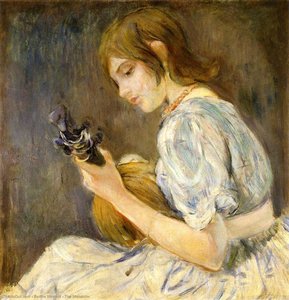
      The Mandolin (1889) od Berthe Morisotová
      #78

      The Mandolin

      1889

      In the delicate brushstrokes of Berthe Morisot’s The Mandolin, we find ourselves transported to a private, melodic moment captured within the fleeting essence of the Impressionist era. The…

      Order this canvas →
      Haying at Mezy (1891) od Berthe Morisotová
      #79

      Haying at Mezy

      1891

      Berthe Morisot's "Haying at Mezy," painted in 1891, is a captivating example of Impressionist art that transports viewers to the serene landscapes of rural France. This oil on…

      Have it painted by hand →
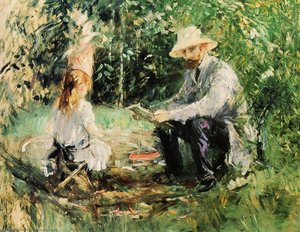
      Julie and Eugene Manet (1883) od Berthe Morisotová
      #80

      Julie and Eugene Manet

      1883

      To gaze upon Berthe Morisot’s Julie and Eugene Manet is to step directly into the luminous, fleeting moments of late nineteenth-century Parisian life. This oil on canvas, dating…

      Order this canvas →
      Rosbras (Finistere) (1866) od Berthe Morisotová
      #81

      Rosbras (Finistere)

      1866

      Berthe Morisot was a French painter and one of the leading figures in the Impressionist movement. Her painting, Rosbras (Finistère), created in 1866, is a beautiful representation of…

      Order this canvas →
      Child in the Rose Garden (1881) od Berthe Morisotová
      #86

      Child in the Rose Garden

      1881 · Wallraf-Richartz-Museum

      Berthe Morisot's Child in the Rose Garden, painted in 1881, is a quintessential example of Impressionism, capturing a fleeting moment of childhood innocence within a tranquil garden setting.…

      Have it painted by hand →
      The Basket Chair (1882) od Berthe Morisotová
      #87

      The Basket Chair

      1882 · Muzeum umění Houston

      The Basket Chair is an oil on canvas created by Berthe Morisot. This work emerged in 1882, capturing a quiet moment within the garden. The paint settles upon…

      Have it painted by hand →
      Peasant Girl among Tulips (1890) od Berthe Morisotová
      #88

      Peasant Girl among Tulips

      1890

      To gaze upon this depiction, Peasant Girl among Tulips, is to step directly into a sun-dappled moment suspended in time. The scene unfolds with an exquisite intimacy, centering…

      Order this canvas →
      Portrait of Jeanne Pontillon (1894) od Berthe Morisotová
      #89

      Portrait of Jeanne Pontillon

      1894 · Musée d'Art et d'Histoire de Genève

      The Portrait of Jeanne Pontillon is a stunning oil on canvas painting created by the renowned French artist Berthe Morisot in 1894. This beautiful piece of art measures…

      Order this canvas →

      Berthe Morisotová's canvases, period by period

      What Berthe Morisotová painted most

      The four subjects that return most often on these canvases, each with its best-loved example.

      Where Berthe Morisotová's canvases hang

      8 muzea, v nichž je umístěno nejvíce obrazů z této stránky.

      Muzea Město Díla autora Berthe Morisotová Obrazy z tohoto seznamu
      Musée Marmottan Monet, PařížMusée Marmottan Monet Paříž 15 The Garden at Bougival, On the edge of the lake, In the apple tree
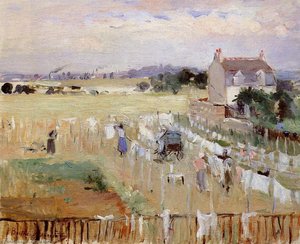
      National Gallery of Art, WashingtonNational Gallery of Art Washington 13 Two Sisters on a Couch (also known as The Sisters), Mother and Sister of the Artist, Hanging the Laundry out to Dry
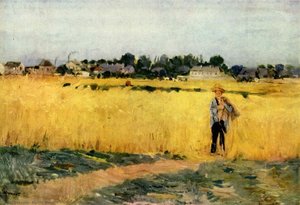
      Musée d'Orsay, PařížMusée d'Orsay Paříž 10 Zahrada s violkami, On a Bench in the Bois de Boulogne, In the Wheatfield at Gennevilliers
      Wallraf-Richartz-Museum, KölnWallraf-Richartz-Museum Köln 3 Child among the Hollyhocks, Child in the Rose Garden
      Philadelphia Museum of Art, PhiladelphiaPhiladelphia Museum of Art Philadelphia 2 Young Girl with Basket, Portrait of a Child
      Muzeum umění Houston, HoustonMuzeum umění Houston Houston 2 Young Woman, The Basket Chair
      Yale University Art Gallery, New HavenYale University Art Gallery New Haven 2 Young Woman and Child, The Harbor at Cherbourg
      Art Institute of Chicago, ChicagoArt Institute of Chicago Chicago 4 Young Girl with Hat

      Decade by decade: Berthe Morisotová's most celebrated canvas

      1. 1860s
        Thatched Cottage in Normandy (1865) od Berthe Morisotová
        3 of 100

        Thatched Cottage in Normandy

        Věk 19 – 28

        To stand before Berthe Morisot’s depiction of a Thatched Cottage in Normandy is to step through a veil and into the gentle embrace of a bygone French afternoon.…

      2. 1870s
        Zahrada s violkami (1872) od Berthe Morisotová
        Ranked 1 of 100

        Zahrada s violkami

        Věk 29 – 38 · Musée d'Orsay

        V srdci impresionistického umění, kde se světlo a emoce prolínají s jemnými odstíny, se nachází obraz Berthe Morisot – „The Cradle“ (Le Berceau). Tato malebnost, datovaná rokem 1872,…

      3. 1880s
        Kůr Rosičáku (1885) od Berthe Morisotová
        2 of 100

        Kůr Rosičáku

        Věk 39 – 48

        Pohled do impresionistického klidu Dílo Berthe Morisotové „Koutek růžové zahrady“ pohroutí diváka do klidné zahradní scény, která je zahřátá v měkkých, teplých tónech západu slunce. Toto fascinující umělecké…

      4. 1890s
        Roses (1894) od Berthe Morisotová
        Canvas 15 of 100

        Roses

        Věk 49 – 54

        In this 1894 oil on canvas, Berthe Morisot presents us with Roses, a quiet study within the flower painting genre. This work emerged during a period when the…

      Your questions on Berthe Morisotová's paintings, answered

      Which is the most celebrated painting by Berthe Morisotová?Read the answer

      Zahrada s violkami (1872), Musée d'Orsay, Paříž. Kůr Rosičáku (1885) and Thatched Cottage in Normandy (1865) follow.

      How old was Berthe Morisotová at the time of Zahrada s violkami?Read the answer

      Berthe Morisotová, born in 1841, was 31 years old: Zahrada s violkami dates from 1872.

      Which ten paintings is Berthe Morisotová most famous for?Read the answer

      Zahrada s violkami, Kůr Rosičáku, Thatched Cottage in Normandy, Study, The Water's Edge, In the Garden at Maurecourt, Portrait of Edma, The Bath, The Quay at Bougival, Daffodils a Young Woman Picking Oranges. Each canvas in the ranking above comes with its year and its museum.

      How many paintings by Berthe Morisotová are known?Read the answer

      361 works by Berthe Morisotová are in our catalogue, dated 1863 to 1894.

      Which museums hold Berthe Morisotová's best-known canvases?Read the answer

      Mostly in Musée Marmottan Monet (Paříž), National Gallery of Art (Washington) a Musée d'Orsay (Paříž); the list above names each museum and its canvases.

      In which years did Berthe Morisotová paint the most celebrated canvases?Read the answer

      In 1880s, which gave 35 of the 100 works on this page, Kůr Rosičáku among them.

      What are the first and the last of Berthe Morisotová's famous canvases?Read the answer

      The earliest canvas here is Memory of the Banks of l'Oise (1863); the latest is Roses (1894).

      Which subjects return most often in Berthe Morisotová's paintings?Read the answer

      Portrait (15), Women (12) a Domestic scene (10), across the 100 works on this page.

      What did Berthe Morisotová usually paint with?Read the answer

      Oil On Canvas, used in 39 of the 100 works on this page.

      To which art movement does Berthe Morisotová belong?Read the answer

      Impressionist style, as the canvases on this page show.

      What can I see by Berthe Morisotová at the Musée Marmottan Monet?Read the answer

      The Musée Marmottan Monet, Paříž holds 4 of the works on this page, among them The Garden at Bougival, On the edge of the lake a In the apple tree.

      Can I order a hand-painted copy of a painting by Berthe Morisotová?Read the answer

      Yes. Every painting on this page can be ordered from its own page as an oil reproduction painted by hand, or as a fine art print, in the size you choose.

      Berthe Morisotová: the painter's story

      Raný život, rodina a umělecké vzdělání

      Berthe Morisotová se narodila 14. ledna 1841 ve Bourges ve Francii. Vyrostla v prosperousné buržoazní rodině, kde se hranice mezi domácím životem a uměním často stíraly. Její otec, Edmé Tiburce Morisot, zastával úřad prefekta departementu Cher. Její matka, Marie-Joseph-Cornélie Thomas, přinesla do rodiny spojení s tradicí rokoka jako velkonoze Jean-Honoré Fragonarda. Tato rodinná linie poskytla od jejích nejranějších let kulisy umělecké blízkosti a inspirace.

      Její vzdělání začalo soukromými lekcemi u Geoffroy-Alphonse Chocarne a Josepha Guicharda. Do roku 1858 trávila svůj čas v Louvru, kde se učila mechanikám malby tím, že kopírovala díla starých mistrů. Tento období studia bylo doplněno vedením Jean-Baptiste-Camille Corota a Achille-Francise Oudinota. Během zimy 1863–64 se její pozornost obrátila i k fyzické formě prostřednictvím studia sochařství pod vedením Aimé Milleta.

      Impresionistické hnutí a výstava

      V roce 1864 představila Morisotová svou tvorbu poprvé na Pařížském salónu. Byl to zásadní krok, neboť Salón sloužil jako oficiální brána do světa umění. Umělkyně se však nespokonila pouze s těmito tradičními prostory. Místo toho se stala součástí okruhu pařížských malířů, kteří se později proslavili jako impresionisté. Její přítomnost v této skupině byla neustálá; v letech mezi 1874 a 1886 se zúčastnila všech osmi impresionistických výstav, které se tehdy konaly, s jediným výjimtkem.

      První z těchto setkání se uskutečnilo ve studiu fotografa Nadara. Výstava byla otevřena 15. dubna a trvala do 15. května 1874. Toto wydarí představovalo radikální odklon od tehdejších ustálených norem. Morisotová byla v této skupině přítomna společně s ostatními a pomáhala definovat zcela nový způsob vidění světa. Po celou následující dekádu pokračovala ve vystavování s touto skupinou a do jednotlivých výstav vnášela svůj unikátní, specifický pohled.

      Osobní život a spojení s Manetem

      Hranice mezi soukromým životem Morisotové a jejím uměleckým dílem byly často velmi tenké a průzračné. Vyrostla ve domácnosti se dvěma staršími sestrami, Yves a Edmou, a mladším bratrem, Tiburcem. V roce 1868 se setkala s Édouardem Manetem, což byl vztah, který se postupně proměnil v hluboký vzájemný vliv. On ji zachycoval na svých plátnech mnohokrát, věčně věznila v různých podobách šatů i nálad, zatímco ona sama hledala svou vlastní cestu skrze neustále se měnící světlo Paříže. Jejich vztah byl založen na intelektuální výměně a společném uměleckém směřování.

      V roce 1874 se Morisotová provdala za Eugène Maneta, bratra Édouarda. Tato unie ji ještě hlouběji zapletla do kruhu umělců, kteří tehdy redefinovali moderní malířství. V roce 1878 se v Paříži narodila jejich dcera, Julie Manet. Julie vyrůstala v domově, kde byly hranice mezi každodenním rodinným životem a radikálními debatami avantgardy téměř neznatelné, často se pohybovala v samotných pokojích, kde se umění rodilo a o něm se vášnivě diskutovalo.

      Technika a umělecký styl

      Morisotová přistupuje k plátnu s neuvěřitelnou lehkostí doteku. Často pracovala venku a využívala metodu plein air, aby přímo z přírody zachytila proměnlivé kvality světla a atmosféry. Tato tradice malování na volné prostranství jí umožnila přenášet pomíjivé nuance barev prostřednictím volných, sebevědomých tahů štětcem. Její kresba je płynná, pohybuje se po povrchu s pocitem okamžitosti, který se vyhýbá těžkým, pracným vrstvám. Nespoléhala však pouze na olejové barvy; její tvorba zahrnovala i práci s vodovably a pastelami, což jí umožnilo zkoumat různé textury a světelné efekty.

      Existuje specifický způsob, jakým Morisotová pracuje s obrysy svých námětů. Místo tvrdých, jasně definovaných kontur využívá rozložené barvy a drobné tahy pigmentu k budování tvaru. Tato technika vytváří třpytivý efekt, díky němuž se vzduch mezi předměty zdá být stejně hmatatelným jako ty předměty samotné. V jejích zachycích domácího života tato metoda odhaluje jemné záře na kůži nebo způsob, jakým světlo proniká skrze zahradu. Výsledkem je pocit spontaneity, jako by byla scéna zaznamenána v jediném, klidném okamžiku pozorování.

      Klíčová díla a ikonické obrazy

      V roce 1872 namalovala Morisotová Lůžko, olej na plátno, které zachytává její sestru Edmu, jak bdí nad svou spící dcerou Blanche. Kompozice využívá diagonálu vytvořenou matčiným pohledem a látkou děcribku, která vede oko diváka přímo k novorozenému dítěti. Toto dílo představuje první pokus umělkyně prozkoumat téma mateřství, kdy využila omezenou paletu barev a plynulý tah štětcem k vytvoření atmosféry tiché, ochranné lásky.

      Její přítomnost se často objevuje i v dílech jiných umělců, nejvýrazněji pak v roce 1872, kdy Édouard Manet namaloval Berthe Morisot s kyticí fialek. Na tomto portrétu je oblečena v černém smutečním oděvu, s téměř neznatelnou kyticí fialek u výstřižku. Světlo dopadá na ni z jedné strany, zatímco druhá polovina její tváře zůstává v hlubokém stínu. Tato studie černých tónů vyzdvihuje kontrast mezi její tmavou krasou a světlejším pozadím.

      Mezi další významná díla patří:

      • Odpočinek, portrét Berthe Morisot, 1870
      • Hortenzie, 1894

      V pozdní fázi své kariére vytvořila v roce 1894 dílo Hortenzie. Její schopnost přenášet nuance světla a barvy prostřednictvím volných, sebevědomých tahů štětcem zůstávala během všech jejích malířských let neochvějnou konstantou.

      Kde dnes spatřit její dílo

      Pokud si chcete na vlastní oči prohlédnout její fascinující tah pízlem, ideální cestou je vydat se do Paříže. Musée d'Orsay uchovává šest jejích obrazů, mezi nimiž vyniká i Houlenka. Toto dílo, namalované v roce 1872, zachycuje její sestru Edmu, jak bdí nad spícími dítětem. V kolekci Musée Marmottan Monet lze dále najít dalších pět jejích děl, která svědčí o její neustálé umělecké přítomnosti.

      Její odkaz však přesahuje hranice Francie a silně rezonuje i ve Washingtonu, D.C. National Gallery of Art v sobě hostí šest jejích pláten. V této sbírce můžete spatřit například Matku a sestru umělkyně z roku 1869. Mezi další významné kusy v Washingtonu patří V jídelně a Sušení prádla, oba z roku 1875.

      Některá z jejích dalších děl jsou rozmístěna v jiných částech světa, například v Thyssen-Bornemisza Museum v Madridu nebo v Nationalmuseum ve Stockholmu. Tato díla nám umožňují v klidu pozorovat, jak Berthe Morisotová mistrsky pracovala se světlem a domácími scénami v nejrůznějších prostředích.

      Všechna díla od Berthe Morisotová: 361 →