Ateliér — Doprava po celém světě zdarma — Dodání za 2–6 týdnů
      Egon Schiele, 1890 – 1918

      Egon Schiele's 100 Most Famous Paintings

      Egon Schiele (1912) is the painting Egon Schiele is best remembered for; it belongs to the Leopold Museum, Vídeň. Smrt a dívka (1915) and The Self-Seers II (Death and Man) (1911) complete the trio of best-loved canvases. Our catalogue counts 649 works by Egon Schiele. Here are the 100 most famous, with the year, the museum and the story of each canvas.

      Seřazeno podle našeho skóre popularity, které kombinuje počet vyhledávání, návštěv a objednávek u každého díla. Aktualizováno říjen 2026. Each painting on this page can be ordered as an oil reproduction painted by hand on linen canvas, or as a fine art print, made to the size you choose.

      Portrét Egon Schiele
      Egon Schiele · 1890 – 1918
      Narozen · zemřel
      1890 – 1918, Tulln an der Donau
      Směr
      Expresionismus
      Díla v našem katalogu
      649
      Nejslavnější
      Egon Schiele (1912)
      Nejvíce děl v
      Leopold Museum

      The ten best-loved paintings by Egon Schiele

      Egon Schiele (1912) od Egon Schiele
      1

      Egon Schiele

      1912 · Olej na plátně · Leopold Museum, Vídeň

      Egon Schiele, jméno spojené s rakouským expresionismem, vytvořil v roce 1912 dílo, které i dnes vyvolává silné emoce a fascinaci – Portrét Wally. Tento obraz není pouhým zobrazením mladé ženy, Walburgy Neuzil, Schieleho milenky a časté modelky, ale hlubokou sondou do lidské psychiky, odrážející úzkosti a složitosti doby na prahu 20. století. V době, kdy se Vídeň hemžila uměleckým a intelektuálním životem, Schiele společně s Gustav Klimtem zpochybňoval konzervativní normy…

      Smrt a dívka (1915) od Egon Schiele
      2

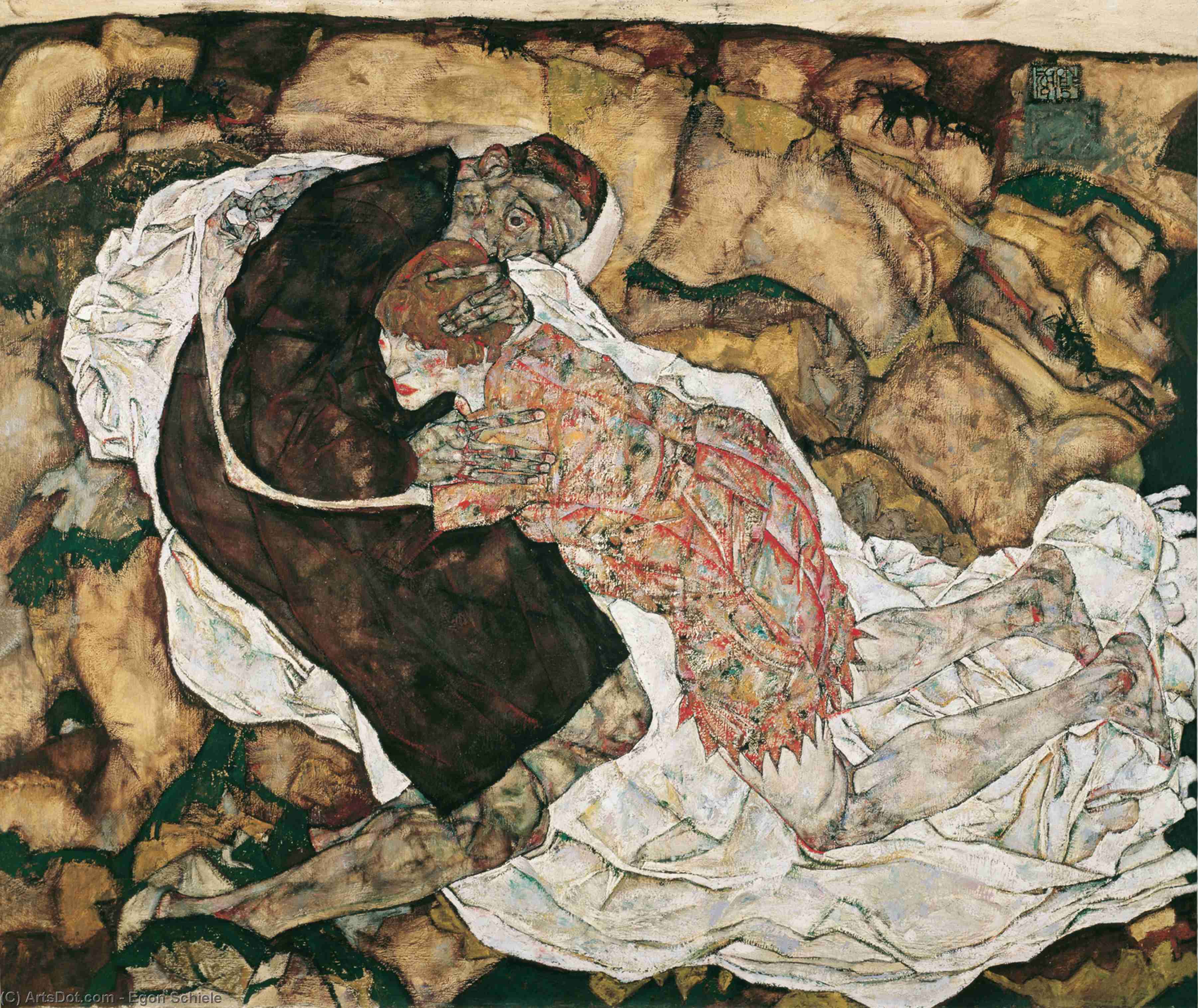
      Smrt a dívka

      1915 · Akryl na plátně · Rakouská galerie Belvedere, Vídeň

      Mistrovské dílo expresionismu Egon Schieleovo „Smrt a dívka“ je dojmově nádherné a mrazivé dílo, které v sobě tělesně i duchovně vyjadřuje syrovou emocionální sílu expresionismu. Obraz vytvořený v roce 1915 zachycuje intenzivní pouto mezi dvěma postavami – jednou zahalenou v temnotě a druhou ozdobenou živými barvami. Dramatická kompozice a odvážné tahy štětcem z něj činí výjimečný kousek v rámci Schielova celého díla a nezbytný doplněk pro každého vážného sběratele umění.…

      The Self-Seers II (Death and Man) (1911) od Egon Schiele
      3

      The Self-Seers II (Death and Man)

      1911 · Olej na plátně · Leopold Museum, Vídeň

      V roce 1911 se z rukou Egonu Schiele vynořila dílo, které se stalo jedním z nejvýraznějších exponentů raného expresionismu: "Self-Seers II (Death and Man)". Nejde o pouhý portrét; je to hluboká psychologická sonda do lidské existence, plná znepokojivé intenzity a bezkompromisní upřímnosti. Schiele, mistr v zachycování vnitřního světa, zde vytváří obraz, který se dotýká nejzranitelnějších strhů lidského bytí – smrti, osamělosti a existenciální nejistoty. Dílo je charakteristické pro jeho osobitní…

      Matka s dvěma dětmi (1917) od Egon Schiele
      4

      Matka s dvěma dětmi

      1917 · Olej na plátně · Rakouská galerie Belvedere, Vídeň

      Výstava Egon Schieleho: Matka s dvěma dětmi – Výrazistická ikonika ztráty a rodinného poutí Matka s dvěma dětmi (1917) od Egona Schieleho představuje jedno z nejvýznamnějších dílů tohoto českého expresionista. Tento obraz, aktuálně vystavený v Belvedere ve Vídni, není jen jednoduchým portrétem ženy a dvou jejích potomků; je to hluboká emotivní analýza vztahu mezi matkou a dítětem, doplněná o prvky ztráty a nejistoty doby první světové války. Schiele dokázal vyjádřit…

      Rodina (1917) od Egon Schiele
      5

      Rodina
      1917 · Akryl na plátně · Rakouská galerie Belvedere, Vídeň

      Dílo Rodina od Egona Schieleho, vytvořené v roce 1917, je hluboce rezonující obraz, který přesahuje pouhé zobrazení rodinných pout. Je to emocionálně syrová a psychologicky pronikavá explorace spojení, křehkosti a úzkostí, které jsou pro lidské vztahy vlastní – nesmazatelné svědectví o Schieleho mistrovství v rámci expresionismu.

      Lovers: Man and Woman I (1914) od Egon Schiele
      6

      Lovers: Man and Woman I

      1914 · Oil On Canvas

      Egon Schiele's 1914 painting, *Lovers: Man and Woman I*, isn’t merely a depiction of two figures; it’s a visceral exploration of human connection, vulnerability, and the unsettling beauty of mortality. Created during a period of intense personal struggle for the artist – marked by illness, loss, and a profound awareness of his own precarious existence – this work embodies the core tenets of Expressionism, translating raw emotion directly onto the…

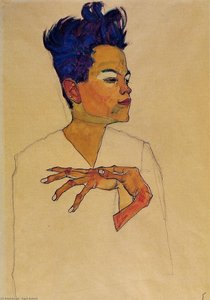
      Self Portrait with Hands on Chest (1910) od Egon Schiele
      7

      Self Portrait with Hands on Chest

      1910 · Akryl na plátně

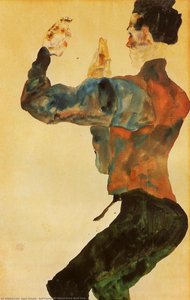
      A Window into the Soul: Egon Schiele’s ‘Self Portrait with Hands on Chest’ (1910) This striking self-portrait by Austrian Expressionist master Egon Schiele is more than just a likeness; it's a raw and unflinching exploration of inner turmoil, vulnerability, and the search for identity. Created in 1910, at a pivotal moment in both his artistic development and personal life, this work embodies the core tenets of Expressionism while establishing Schiele’s…

      Objem (Milenci II) - - , (1917) od Egon Schiele
      8

      Objem (Milenci II) - - ,

      1917 · Akryl na plátně

      Obraz představuje nahou dvojici uzavřenou v těsném objetí. Mužská postava dominuje kompozici; nachází se nad ženou, jeho tvář je vtlačená do jejího krku v gestu, které je zároveň něžné i p Konzultujte s pocitem vlastnictví. Její ruce zakrývají její tvář – je to nejednoznačný čin, který by mohl znamenat stydlivost, ochranu, nebo dokonce jemný odpor. Postavy jsou těsně ořezány a zaplňují téměř celé plátno, což prohlubuje pocit klaustrofobie i intimity.…

      Žena v tr Anci (1912) od Egon Schiele
      9

      Žena v tr Anci

      1912 · Leopold Museum, Vídeň

      Step closer, and you might find yourself caught in the heavy, tearful eyes of this woman. There is a profound stillness here, though it is far from peaceful. The face is pale, almost skeletal, with dark shadows pooling around the sockets to suggest a deep, physical exhaustion. Her head is shrouded in dark cloth, a detail that pulls the viewer into her private grief. Behind her, a second, more spectral…

      Sebastianský portrét (1914) od Egon Schiele
      10

      Sebastianský portrét

      1914 · Tisková grafika

      Egon Schiele’s Haunting ‘Self Portrait as St. Sebastian’ Tato působivá reprodukce plakátu zachycuje intenzivní emocionální sílu Egonova Štileho mistrovského díla z roku 1914, *Sebastianský portrét*. Je to více než jen podobství; jde o silné prohlášení o utrpení, umělecké křehkosti a předtuchách světa sestupujícího do chaosu. Štileh nezobrazuje pouze svatého Sebastiana; stal se jím, přetvářejíc osobní bolest na obraz univerzálně rezonující. Mistrovství v expresionistickém stylu Výtvarné dílo je jednoznačně zakořeněno ve…

      Egon Schiele: canvases 11 to 100 of the ranking

      Portrait of a Woman (1912) od Egon Schiele
      #11

      Portrait of a Woman

      1912

      Egon Schiele's Portrait of a Woman, painted in 1912, stands as a cornerstone of Austrian Expressionism and a poignant exploration of psychological depth. More than just a depiction…

      Bring this light home →
      Moa (1911) od Egon Schiele
      #12

      Moa

      1911 · Leopold Museum

      V srdci uměleckého dědictví Egon Schiele se skrývá dílo, které vyzařuje intenzitou a tajemstvím – obraz *Moa*. Níže uvedený detailní pohled na tuto ikonickou watercolorovou kompozici z roku…

      Order this canvas →
      Agony (1912) od Egon Schiele
      #13

      Agony

      1912

      Egon Schiele, an Austrian Expressionist painter, is renowned for his intense and emotionally charged works. One such painting that exemplifies his unique style and thematic focus is "Agony",…

      Have it painted by hand →
      Autoroportrét s pruhovaným svetrom (1910) od Egon Schiele
      #15

      Autoroportrét s pruhovaným svetrom

      1910 · Leopold Museum

      Self-Portrait with Striped Shirt: A Window Into Schiele’s Soul Egon Schielehovo "Self-Portrait s pruhovaným svetrem", namalovaný v roce 1910, překračuje pouhé zobrazení; vtěsnává se obavy a úzkostlivé zamyšlení,…

      Order this canvas →
      Mother and Child (Madonna) (1908) od Egon Schiele
      #17

      Mother and Child (Madonna)

      1908

      In the realm of early twentieth-century modernism, few works capture the raw, psychological intimacy of human connection as poignantly as Egon Schiele’s “Mother and Child (Madonna).” Created in…

      Order this canvas →
      Two Women Embracing (1915) od Egon Schiele
      #18

      Two Women Embracing

      1915 · Szépművészeti Múzeum

      In the hauntingly beautiful realm of Austrian Expressionism, few works capture the raw, pulsating essence of human intimacy quite like Egon Schiele’s Two Women Embracing. This masterpiece serves…

      Bring this light home →
      The Artist's Mother, Sleeping (1911) od Egon Schiele
      #19

      The Artist's Mother, Sleeping

      1911

      A Portrait of Intimacy & Unease: Egon Schiele’s ‘The Artist's Mother, Sleeping’ Egon Schiele’s 1911 watercolor, *The Artist’s Mother, Sleeping*, is a profoundly moving and unsettling work that…

      Bring this light home →
      Sebolivportrét (1912) od Egon Schiele
      #20

      Sebolivportrét

      1912

      Dnes „Sebeportrét“ stále silně rezonuje mezi publikem po celém světě. Jeho nezměrná emocionálnost a inovativní stylistické prvky slouží jako vytrvalý důkaz Schieleho uměleckého dědictví. Reprodukce nabízejí fascinující pohled…

      Bring this light home →
      Couple Embracing od Egon Schiele
      #21

      Couple Embracing

      In the quiet, trembling lines of “Couple Embracing,” we encounter more than just a depiction of human intimacy; we witness a profound psychological excavation. Created in 1911, this…

      Have it painted by hand →
      Self-Portrait with Bare Shoulder (1912) od Egon Schiele
      #22

      Self-Portrait with Bare Shoulder

      1912 · Leopold Museum

      A single, intense gaze pierces through the heavy, agitated brushstrokes of this 1912 self-portrait. The artist’s head and shoulder occupy a tight, off-center position, creating an immediate sense…

      Bring this light home →
      Secession 49. Exhibition (1918) od Egon Schiele
      #23

      Secession 49. Exhibition

      1918

      In the hauntingly beautiful Secession 49. Exhibition, Egon Schiele invites us into a moment of profound stillness amidst the social currents of 1918 Vienna. This evocative work serves…

      Bring this light home →
      Žena těhotná a smrt (1911) od Egon Schiele
      #26

      Žena těhotná a smrt

      1911 · Národní galerie Praha

      Výtvarná díla Egon Schieleho „Žena těhotná a smrt“ jsou znakem expresionistického umění, které vyjadřuje ztrátu, zoufalství a složitosti lidské existence. Hlavní téma obrazu spočívá v kontrastu mezi životem…

      Order this canvas →
      Schiele Gerti Schiele od Egon Schiele
      #29

      Schiele Gerti Schiele

      Pozorování Duše: Portrét Gerti Schiele od Egona Schieleho Egon Schieleho obraz Gerti Schieleho není jen kopií; je to fascinující průzkum mladosti, zranitelnosti a rozvíjejících se úzkostí období, které…

      Order this canvas →
      Horský proud (1918) od Egon Schiele
      #31

      Horský proud

      1918

      Obraz Egona Schieleho z roku 1918 s názvem Horský proud není pouze ztvárněním divoce tekoucí řeky; je to viscerační, hluboký projev uměleckých úzkostí a jeho hlubokého střetu se…

      Have it painted by hand →
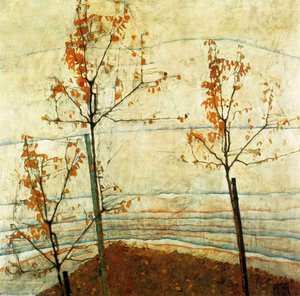
      Autumn Trees (1911) od Egon Schiele
      #32

      Autumn Trees

      1911

      Egon Schiele's "Autumn Trees," created in 1911, is a striking example of Austrian Expressionism, showcasing the artist’s unique ability to convey intense emotion through distorted forms and vibrant…

      Order this canvas →
      Portrét vydavatele Eduarda Kosmacka (1910) od Egon Schiele
      #33

      Portrét vydavatele Eduarda Kosmacka

      1910 · Rakouská galerie Belvedere

      V posvátných sálech galerie Belvedere ve Viedni se nachází okno do bouřlivé psychiky počátku dvacátého století. „Portrét vydavatele Eduarda Kosmacka“ od Egona Schieleho, namalovaný v roce 1910, je…

      Order this canvas →
      Neznámé (938) od Egon Schiele
      #34

      Neznámé (938)

      Egon Schiele – „Neznámé číslo 938“ – Intenzivní Dotek Lidské Zranitelnosti Egon Schiele, jeden z nejvýraznějších představitelů rakouského expresionismu, se v roce 1890 narodil v Tullnu an der…

      Have it painted by hand →
      Schiele's Room in Neulengbach (1911) od Egon Schiele
      #35

      Schiele's Room in Neulengbach

      1911 · Kunsthistorisches Museum

      Egon Schiele, a prominent figure in the Expressionist movement, is renowned for his intense and emotionally charged works. One of his notable pieces, Schiele's Room in Neulengbach, offers…

      Order this canvas →
      The truth unveiled - - (1913) od Egon Schiele
      #43

      The truth unveiled - -

      1913

      Egon Schiele's "The Truth Unveiled," painted in 1913, isn’t merely a depiction of figures; it’s an excavation of the human psyche, a raw and unsettling exploration of mortality,…

      Bring this light home →
      Street in Krumau (1917) od Egon Schiele
      #45

      Street in Krumau

      1917

      The narrow street of this Austrian provincial town functions as a distillation of internal tension. Painted in 1917, the work moves beyond mere topography to map a sense…

      Order this canvas →
      self-portrait (1913) od Egon Schiele
      #49

      self-portrait

      1913

      Egon Schiele’s 1913 self-portrait is not a comfortable image. It’s a visceral, almost brutal depiction of an interior world grappling with uncertainty and perhaps even despair. Rendered in…

      Have it painted by hand →
      Portrét Viktora Ryttera von Bauera (1918) od Egon Schiele
      #50

      Portrét Viktora Ryttera von Bauera

      1918 · Rakouská galerie Belvedere

      Schieleho „Portrét Victora Rittera von Bauera“, namalovaný v roce 1918, není pouhou podobností; je to pečlivě konstruovaná destilace úzkostí a tiché kontemplace, které se vznášely pod povrchem Vídeň…

      Have it painted by hand →
      schiele agonia 1912 od Egon Schiele
      #51

      schiele agonia 1912

      In the hauntingly intimate masterpiece Agonia, painted in 1912, Egon Schiele invites the viewer into a psychological landscape where the boundaries between physical struggle and existential dread dissolve.…

      Bring this light home →
      schiele sebastian od Egon Schiele
      #53

      schiele sebastian

      Egon Schiele's "Schiele Sebastian," a pivotal work within his extensive body of nude portraits, stands as a haunting testament to the artist’s unique vision and the turbulent emotional…

      Bring this light home →
      pregnant woman death od Egon Schiele
      #54

      pregnant woman death

      In the visceral landscape of early twentieth-century Expressionism, few works possess the unsettling psychological depth found in Egon Schiele’s “Pregnant Woman and Death.” Painted in 1911, this masterpiece…

      Have it painted by hand →
      Sunflowers (1911) od Egon Schiele
      #56

      Sunflowers

      1911

      The painting Sunflowers is a watercolor by Egon Schiele created in 1911. The composition features a variety of sunflowers depicted in different stages of bloom, with some flowers…

      Order this canvas →
      untitled (2447) od Egon Schiele
      #59

      untitled (2447)

      Egon Schiele's "Untitled (2447)" is not merely a depiction of two figures; it’s a raw, intensely personal exploration of vulnerability, connection, and the unsettling beauty of human emotion.…

      Bring this light home →
      Self Portrait (1911) od Egon Schiele
      #61

      Self Portrait

      1911

      The artwork is a watercolor painting titled Self Portrait, created in 1911. It depicts a nude figure positioned centrally against a muted background. The figure's arms are outstretched…

      Have it painted by hand →
      Study of hands (1913) od Egon Schiele
      #65

      Study of hands

      1913

      Two hands emerge from a vast, pale void, locked in a grip that feels both desperate and tender. The skin appears thin, almost translucent, revealing the delicate architecture…

      Have it painted by hand →
      scornful woman 1910 od Egon Schiele
      #66

      scornful woman 1910

      Egon Schiele’s “Scornful Woman,” painted in 1910, isn't merely a portrait; it’s a raw distillation of psychological turmoil and the unsettling beauty of human vulnerability. This arresting image,…

      Bring this light home →
      Reclining Female Nude (1917) od Egon Schiele
      #68

      Reclining Female Nude

      1917

      Egon Schiele's “Reclining Female Nude,” painted in 1917, stands as a poignant emblem of Expressionism—a movement characterized by raw emotion and unflinching honesty. More than just a depiction…

      Have it painted by hand →
      Autumn Sun (1912) od Egon Schiele
      #69

      Autumn Sun

      1912

      Egon Schiele, an Austrian artist known for his bold and emotive works, created the captivating painting "Autumn Sun" in 1912. This piece is a quintessential representation of the…

      Bring this light home →
      Conversion (1912) od Egon Schiele
      #70

      Conversion

      1912

      In the realm of early 20th-century art, few works capture the essence of human intimacy and emotional depth as profoundly as Egon Schiele's "Conversion." Painted in 1912, this…

      Order this canvas →
      Kneeling Young Man (1908) od Egon Schiele
      #71

      Kneeling Young Man

      1908

      Created in 1908, Kneeling Young Man is a significant work by the Austrian artist Egon Schiele. This piece emerged from the creative atmosphere of Vienna, Austria, during a…

      Have it painted by hand →
      Prostitute (Dirne) od Egon Schiele
      #72

      Prostitute (Dirne)

      Egon Schiele’s “Prostitute (Dirne)” stands as a haunting testament to the artist’s unflinching exploration of human psychology and sexuality, firmly rooted in the Expressionist movement that gripped Vienna…

      Have it painted by hand →
      Levitation (1915) od Egon Schiele
      #74

      Levitation

      1915

      Egon Schiele’s ‘Levitation,’ painted in 1915 during the height of Expressionism, isn't merely a depiction of two figures; it’s an invitation into a realm where rationality yields to…

      Have it painted by hand →
      Two young girls od Egon Schiele
      #75

      Two young girls

      An Intimate Embrace: Exploring Egon Schiele’s ‘Two Young Girls’ This captivating watercolor painting by Austrian Expressionist master, Egon Schiele, offers a profoundly intimate and emotionally charged depiction of…

      Order this canvas →
      Woman Undressing (1914) od Egon Schiele
      #76

      Woman Undressing

      1914

      In 1914, the artist Egon Schiele captured a singular moment of transition in Vienna, Austria. The work, titled Woman Undressing, presents a female nude in a state of…

      Order this canvas →
      Lovemaking (1915) od Egon Schiele
      #78

      Lovemaking

      1915 · Leopold Museum

      Egon Schiele's "Lovemaking," painted in 1915, is not a celebration of romantic bliss; rather, it’s a brutally honest and profoundly unsettling exploration of human connection – a moment…

      Order this canvas →
      Reclining Female Nude (1908) od Egon Schiele
      #79

      Reclining Female Nude

      1908

      is a watercolor and paper work created by the Austrian Expressionist Egon Schiele in 1908. This nude painting (nu) reflects the artist's departure from academic traditions toward a…

      Order this canvas →
      Moa (1911) od Egon Schiele
      #81

      Moa

      1911

      Egon Schiele’s “Moa”: A Study in Vulnerability and Expressionist Boldness The painting "Moa" by Egon Schiele, created in 1911, stands as a haunting testament to the artist's preoccupation…

      Order this canvas →
      untitled (5287) od Egon Schiele
      #82

      untitled (5287)

      In the quiet, unsettling depths of Egon Schiele’s Untitled (5287), one encounters more than just a figure study; one enters a profound psychological landscape. This work, a hauntingly…

      Have it painted by hand →
      The Bridge (1913) od Egon Schiele
      #83

      The Bridge

      1913

      Egon Schiele’s “The Bridge,” painted in 1913, stands as a cornerstone of early 20th-century Expressionist art—a movement that sought to convey raw emotion and psychological intensity rather than…

      Have it painted by hand →
      untitled (7272) od Egon Schiele
      #84

      untitled (7272)

      Egon Schiele's "Untitled (7272)" is not merely a depiction of a reclining figure; it’s an immersion into the raw, unsettling heart of the Expressionist soul. Painted in 1918,…

      Bring this light home →
      Reclining Girl, with Round Head od Egon Schiele
      #85

      Reclining Girl, with Round Head

      A Study in Vulnerability: Egon Schiele’s ‘Reclining Girl, with Round Head’ Egon Schiele's *Reclining Girl, with Round Head* is a profoundly moving watercolor that encapsulates the core tenets…

      Order this canvas →
      untitled (6044) od Egon Schiele
      #88

      untitled (6044)

      A man stares directly at the viewer, his expression caught in a moment of intense, perhaps even grotesque, animation. He wears a white shirt and tie, the formality…

      Order this canvas →
      Seated Couple, 1915 (1915) od Egon Schiele
      #92

      Seated Couple, 1915

      1915 · Albertina

      A Moment Frozen in Time: Exploring Egon Schiele’s “Seated Couple” The painting "Seated Couple," completed in 1915 by Austrian Expressionist Egon Schiele, transcends mere depiction; it embodies a…

      Order this canvas →
      Nude Self-Portrait (1910) od Egon Schiele
      #93

      Nude Self-Portrait

      1910 · Leopold Museum

      A Portrait of Vulnerability: Exploring Egon Schiele’s ‘Nude Self-Portrait’ The painting “Nude Self-Portrait” by Austrian Expressionist Egon Schiele stands as a haunting testament to the artist's preoccupation with…

      Bring this light home →
      Krumau Town Crescent I (1915) od Egon Schiele
      #94

      Krumau Town Crescent I

      1915 · Izraelské muzeum

      Egon Schiele's *Krumau Town Crescent I*, painted in 1915, isn’t merely a depiction of a provincial Austrian town; it’s a raw, intensely personal exploration of mortality, isolation, and…

      Have it painted by hand →
      untitled (1348) od Egon Schiele
      #96

      untitled (1348)

      In the hauntingly beautiful monochrome sketch untitled (1348), Egon Schiele invites us into a profound confrontation with the human psyche. Created around 1918, during the twilight of his…

      Have it painted by hand →
      Female nude (1910) od Egon Schiele
      #97

      Female nude

      1910

      Egon Schiele’s Intimate Exploration of the Human Form This captivating work on paper by Egon Schiele, created in 1910, offers a poignant glimpse into the artist's exploration of…

      Have it painted by hand →
      Procession (1911) od Egon Schiele
      #99

      Procession

      1911

      In the hauntingly beautiful masterpiece "Procession," created in 1911, Egon Schiele invites us into a psychological landscape where the boundaries between reality and inner turmoil dissolve. This seminal…

      Order this canvas →

      Egon Schiele's canvases, period by period

      What Egon Schiele painted most

      The four subjects that return most often on these canvases, each with its best-loved example.

      Where Egon Schiele's canvases hang

      8 muzea, v nichž je umístěno nejvíce obrazů z této stránky.

      Muzea Město Díla autora Egon Schiele Obrazy z tohoto seznamu
      Leopold Museum, VídeňLeopold Museum Vídeň 46 Egon Schiele, The Self-Seers II (Death and Man), Žena v tr Anci
      Rakouská galerie Belvedere, VídeňRakouská galerie Belvedere Vídeň 10 Smrt a dívka, Matka s dvěma dětmi, Rodina
      Albertina, VídeňAlbertina Vídeň 10 Girl Nude with Folded Arms, 1910, I Will Gladly Endure for Art and My Loved Ones, 1912, Seated Couple, 1915
      Kunsthistorisches Museum, VídeňKunsthistorisches Museum Vídeň 4 Schiele's Room in Neulengbach
      Wien Museum, VídeňWien Museum Vídeň 2 Gustav Klimt na lůžku před smictím
      Szépművészeti Múzeum, BudapešťSzépművészeti Múzeum Budapešť 1 Two Women Embracing
      Staatsgalerie Stuttgart, StuttgartStaatsgalerie Stuttgart Stuttgart 1 Prophets (also known as Double Self Portrait)
      Národní galerie Praha, PrahaNárodní galerie Praha Praha 1 Žena těhotná a smrt

      Egon Schiele's most famous canvases, one year after another

      Between 1907 and 1918, 12 years of Egon Schiele's painting, shown year after year through its most famous canvases.

      1. 1907
        Portrait of Leopold Czihaczek (1907) od Egon Schiele
        Canvas 52 of 100

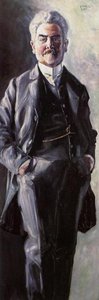
        Portrait of Leopold Czihaczek

        Věk 17 let

        Egon Schiele's 1907 “Portrait of Leopold Czihaczek” is more than just a likeness; it’s a raw, intensely personal exploration of the human condition. This oil on canvas painting,…

      2. 1907
        Portrait of Leopold Czihaczek, Standing (1907) od Egon Schiele
        55 of 100

        Portrait of Leopold Czihaczek, Standing

        Věk 17 let

        In the hauntingly beautiful Portrait of Leopold Czihaczek, Standing, Egon Schiele invites us into a space where the boundaries between physical representation and psychological truth dissolve. Created in…

      3. 1908
        Mother and Child (Madonna) (1908) od Egon Schiele
        17 of 100

        Mother and Child (Madonna)

        Věk 18 let

        In the realm of early twentieth-century modernism, few works capture the raw, psychological intimacy of human connection as poignantly as Egon Schiele’s “Mother and Child (Madonna).” Created in…

      4. 1908
        Kneeling Young Man (1908) od Egon Schiele
        Canvas 71 of 100

        Kneeling Young Man

        Věk 18 let

        Created in 1908, Kneeling Young Man is a significant work by the Austrian artist Egon Schiele. This piece emerged from the creative atmosphere of Vienna, Austria, during a…

      5. 1909
        Man with Blue Headband and Hand on Cheek (1909) od Egon Schiele
        Canvas 57 of 100

        Man with Blue Headband and Hand on Cheek

        Věk 19 let

        A Window into the Soul: Egon Schiele’s ‘Man with Blue Headband and Hand on Cheek’ This captivating drawing by Egon Schiele, created in 1909, is a powerful example…

      6. 1909
        Autumn Tree with Fuchsias (1909) od Egon Schiele
        Ranked 86 of 100

        Autumn Tree with Fuchsias

        Věk 19 let

        In the heart of the early twentieth century, amidst the intellectual ferment of Vienna, Egon Schiele captured a moment of profound emotional resonance in his 1909 masterpiece, Autumn…

      7. 1910
        Self Portrait with Hands on Chest (1910) od Egon Schiele
        Canvas 7 of 100

        Self Portrait with Hands on Chest

        Věk 20 let

        A Window into the Soul: Egon Schiele’s ‘Self Portrait with Hands on Chest’ (1910) This striking self-portrait by Austrian Expressionist master Egon Schiele is more than just a…

      8. 1910
        Kompozice se třemi mužskými akty (1910) od Egon Schiele
        Canvas 14 of 100

        Kompozice se třemi mužskými akty

        Věk 20 let · Leopold Museum

        A Fragile Dance of Form: Exploring Egon Schiele’s ‘Composition with Three Male Nudes’ Egon Schiele's 1910 *Composition with Three Male Nudes* is a seminal work that encapsulates the…

      9. 1911
        The Self-Seers II (Death and Man) (1911) od Egon Schiele
        Canvas 3 of 100

        The Self-Seers II (Death and Man)

        Věk 21 let · Leopold Museum

        V roce 1911 se z rukou Egonu Schiele vynořila dílo, které se stalo jedním z nejvýraznějších exponentů raného expresionismu: "Self-Seers II (Death and Man)". Nejde o pouhý portrét;…

      10. 1911
        Moa (1911) od Egon Schiele
        12 of 100

        Moa

        Věk 21 let · Leopold Museum

        V srdci uměleckého dědictví Egon Schiele se skrývá dílo, které vyzařuje intenzitou a tajemstvím – obraz *Moa*. Níže uvedený detailní pohled na tuto ikonickou watercolorovou kompozici z roku…

      11. 1912
        Egon Schiele (1912) od Egon Schiele
        Canvas 1 of 100

        Egon Schiele

        Věk 22 let · Leopold Museum

        Egon Schiele, jméno spojené s rakouským expresionismem, vytvořil v roce 1912 dílo, které i dnes vyvolává silné emoce a fascinaci – Portrét Wally. Tento obraz není pouhým zobrazením…

      12. 1912
        Žena v tr Anci (1912) od Egon Schiele
        Canvas 9 of 100

        Žena v tr Anci

        Věk 22 let · Leopold Museum

        Step closer, and you might find yourself caught in the heavy, tearful eyes of this woman. There is a profound stillness here, though it is far from peaceful.…

      13. 1912
        Portrait of a Woman (1912) od Egon Schiele
        Ranked 11 of 100

        Portrait of a Woman

        Věk 22 let

        Egon Schiele's Portrait of a Woman, painted in 1912, stands as a cornerstone of Austrian Expressionism and a poignant exploration of psychological depth. More than just a depiction…

      14. 1913
        The truth unveiled - - (1913) od Egon Schiele
        Ranked 43 of 100

        The truth unveiled - -

        Věk 23 let

        Egon Schiele's "The Truth Unveiled," painted in 1913, isn’t merely a depiction of figures; it’s an excavation of the human psyche, a raw and unsettling exploration of mortality,…

      15. 1913
        Wally with a Red Blouse (1913) od Egon Schiele
        Canvas 46 of 100

        Wally with a Red Blouse

        Věk 23 let

        In the turbulent landscape of early 20th-century Vienna, few images capture the fractured psyche of an era as poignantly as Egon Schiele’s “Wally with a Red Blouse.” Painted…

      16. 1914
        Lovers: Man and Woman I (1914) od Egon Schiele
        Canvas 6 of 100

        Lovers: Man and Woman I

        Věk 24 let

        Egon Schiele's 1914 painting, *Lovers: Man and Woman I*, isn’t merely a depiction of two figures; it’s a visceral exploration of human connection, vulnerability, and the unsettling beauty…

      17. 1914
        Sebastianský portrét (1914) od Egon Schiele
        10 of 100

        Sebastianský portrét

        Věk 24 let

        Egon Schiele’s Haunting ‘Self Portrait as St. Sebastian’ Tato působivá reprodukce plakátu zachycuje intenzivní emocionální sílu Egonova Štileho mistrovského díla z roku 1914, *Sebastianský portrét*. Je to více…

      18. 1915
        Smrt a dívka (1915) od Egon Schiele
        2 of 100

        Smrt a dívka

        Věk 25 let · Rakouská galerie Belvedere

        Mistrovské dílo expresionismu Egon Schieleovo „Smrt a dívka“ je dojmově nádherné a mrazivé dílo, které v sobě tělesně i duchovně vyjadřuje syrovou emocionální sílu expresionismu. Obraz vytvořený v…

      19. 1915
        Two Women Embracing (1915) od Egon Schiele
        Ranked 18 of 100

        Two Women Embracing

        Věk 25 let · Szépművészeti Múzeum

        In the hauntingly beautiful realm of Austrian Expressionism, few works capture the raw, pulsating essence of human intimacy quite like Egon Schiele’s Two Women Embracing. This masterpiece serves…

      20. 1916
        Portrait of an Old Man (also known as Johann Harms) (1916) od Egon Schiele
        Canvas 48 of 100

        Portrait of an Old Man (also known as Johann Harms)

        Věk 26 let · Solomon R. Guggenheim Museum

        Egon Schiele's “Portrait of an Old Man (also known as Johann Harms),” painted in 1916, is not merely a likeness; it’s a profound meditation on aging, mortality, and…

      21. 1917
        Matka s dvěma dětmi (1917) od Egon Schiele
        Canvas 4 of 100

        Matka s dvěma dětmi

        Věk 27 let · Rakouská galerie Belvedere

        Výstava Egon Schieleho: Matka s dvěma dětmi – Výrazistická ikonika ztráty a rodinného poutí Matka s dvěma dětmi (1917) od Egona Schieleho představuje jedno z nejvýznamnějších dílů tohoto…

      22. 1917
        Rodina (1917) od Egon Schiele
        5 of 100

        Rodina

        Věk 27 let · Rakouská galerie Belvedere

        Dílo Rodina od Egona Schieleho, vytvořené v roce 1917, je hluboce rezonující obraz, který přesahuje pouhé zobrazení rodinných pout. Je to emocionálně syrová a psychologicky pronikavá explorace spojení,…

      23. 1917
        Objem (Milenci II) - - , (1917) od Egon Schiele
        Canvas 8 of 100

        Objem (Milenci II) - - ,

        Věk 27 let

        Obraz představuje nahou dvojici uzavřenou v těsném objetí. Mužská postava dominuje kompozici; nachází se nad ženou, jeho tvář je vtlačená do jejího krku v gestu, které je zároveň…

      24. 1918
        Secession 49. Exhibition (1918) od Egon Schiele
        Ranked 23 of 100

        Secession 49. Exhibition

        Věk 28 let

        In the hauntingly beautiful Secession 49. Exhibition, Egon Schiele invites us into a moment of profound stillness amidst the social currents of 1918 Vienna. This evocative work serves…

      25. 1918
        Horský proud (1918) od Egon Schiele
        Canvas 31 of 100

        Horský proud

        Věk 28 let

        Obraz Egona Schieleho z roku 1918 s názvem Horský proud není pouze ztvárněním divoce tekoucí řeky; je to viscerační, hluboký projev uměleckých úzkostí a jeho hlubokého střetu se…

      Egon Schiele's canvases, question by question

      Which canvas is Egon Schiele most remembered for?Read the answer

      Egon Schiele (1912), Leopold Museum, Vídeň. Smrt a dívka (1915) and The Self-Seers II (Death and Man) (1911) follow.

      Egon Schiele: how old was Egon Schiele when it was painted?Read the answer

      Egon Schiele, born in 1890, was 22 years old: Egon Schiele dates from 1912.

      What are Egon Schiele's ten most famous canvases?Read the answer

      Egon Schiele, Smrt a dívka, The Self-Seers II (Death and Man), Matka s dvěma dětmi, Rodina, Lovers: Man and Woman I, Self Portrait with Hands on Chest, Objem (Milenci II) - - ,, Žena v tr Anci a Sebastianský portrét. Each canvas in the ranking above comes with its year and its museum.

      How many paintings did Egon Schiele create?Read the answer

      649 works by Egon Schiele are in our catalogue, dated 1907 to 1918.

      Where do Egon Schiele's most famous canvases hang today?Read the answer

      Mostly in Leopold Museum (Vídeň), Rakouská galerie Belvedere (Vídeň) a Albertina (Vídeň); the list above names each museum and its canvases.

      When did Egon Schiele paint the most famous canvases?Read the answer

      In 1911, which gave 13 of the 100 works on this page, The Self-Seers II (Death and Man) among them.

      Which famous Egon Schiele canvas came first, and which came last?Read the answer

      The earliest canvas here is Portrait of Leopold Czihaczek (1907); the latest is Secession 49. Exhibition (1918).

      Which subjects did Egon Schiele paint most?Read the answer

      Mortality (25), Vienna (17) a Anxiety (15), across the 100 works on this page.

      Which medium appears most in Egon Schiele's paintings?Read the answer

      Acrylic On Canvas, used in 27 of the 100 works on this page.

      Which movement is Egon Schiele associated with?Read the answer

      Expresionismus, as the canvases on this page show.

      Which paintings by Egon Schiele are held by the Leopold Museum?Read the answer

      The Leopold Museum, Vídeň holds 17 of the works on this page, among them Egon Schiele, The Self-Seers II (Death and Man) a Žena v tr Anci.

      Where can I buy a reproduction of a Egon Schiele painting?Read the answer

      Yes. Every painting on this page can be ordered from its own page as an oil reproduction painted by hand, or as a fine art print, in the size you choose.

      Meet the painter: Egon Schiele

      Život Egon Schiele

      Tulln v Dolním Rakousku tvoří kulisy počátku života, který prožil Egon Schiele. Narodil se 12. června 1890 a vstoupil do světa definovaného rigidními strukturami Rakousko-uherské monarchie. Jeho otec, Adolf Schiele, působil jako nádražní důstojník u Rakouských státních železnic. Jeho matka, Marie, se rodila pod příjmením Soukupová. V rámci rodiny vyrůstá Egon spolu se svými třemi sestrami: Elvirou, Melanií a Gertrudou.

      Stabilita tohoto domácího života se však brzy narušuje. Stín nemoci se šíří domácností a zanechává trvalou stopu v psychice mladého umělce. Tyto osobní otřesy jen tak nezmizí; vtavují se do samotné morkoviny jeho budoucí tvorby. Prochází světem s citlivostí k vlastní smrtelnosti, která mu v konečném důsledku určí místo v dějinách rakouského expresionismu. Jeho existence se stává neustálým zápasem o to, jak přemítnout vnitřní napětí na povrch plátna.

      Jeho cesta ho vede do centra proměňající se evropské krajiny. Naviguje mezi napětím tradičních akademických očekávání a rostoucí potřebou syrové, psychologické pravdy. Život, který prožil Egon Schiele, je řetězcem intenzivních a často nepříjemných konfrontací s lidskou existencí. Nesnaží se zobrazit svět tak, jak jej vidí oko, ale tak, jak vibruje v lidském nervovém systému.

      Raný život, rodina a vzdělání

      Klidná idylika Schieleho mládí se tříští v roce 1904. Jeho otec, Adolf Schiele, nádražní správce, podléhá syfilisu. Tato nemoc, kterou si přinesl z svatební cesty do Triestu, zanechává rodinu v chudobě a mladého umělce psychicky poznamenává stín jeho otcovy mentální zmatenosti a hněvu. Egon vyrůstá se svými třemi sestrami, Elvirou, Melaní a Gertrudou, pod dohledem svého švácova, Leopolda Czihaceka. I v těchto bouřlivých letech v něm přetrvává fascinace vlaky – motiv, který se později objeví i v jeho dílech.

      Formální vzdělání začíná pod vedením tutora Ludwiga Karla Straucha. Do roku 1906 se Schiele stěhuje do Vídně, aby studoval na Akademii výtvarných umění (Akademie der bildenden Künste). Atmosféra je však rigidní. Zjišťuje, že je stále více v rozporu s ultra-konzervativním výukou profesora Christiana Griepenkerla. Tento třecí bod se stává neudržitelným. Po třech letech procházení těmito přísnými akademickými tradicemi Schiele celou Akademii opouští, aby si vybudoval vlastní, nezávislou cestu.

      Zlom nastává ve chvíli, kdy se setká s postavou, jako je Gustav Klimt. Uznávaný umělec se stává jeho mentorem, poskytuje mladému malíři modely a představuje ho kruhům vídeňské Secese. Toto spojení naznačuje přechod od studenta bojujícího proti tradici k ústřední postavě nastupující avantgardy.

      Umělecký rozvoj ve Vídni

      Vídeň se stává středem Schieleho tvůrčího tření. Prochází uměleckými kroužky města, až se nakonec setká s Gustavem Klimtem. Toto setkání představuje zásadní zlom v jeho životní i umělecké dráze. Ačkoliv nasává vliv svého mentora, Egon Schiele jen tak prostě nereprodukuje dekorativní vzory Secese. Místo toho začíná odstraňovat veškerou ornamentiku a hledat hlubší, visceraální pravdu. Do roku 1909 se aktivně vyměřením proti zavedenému řádu stává spoluzakladatelem skupin Neues Wiener Kunstgruppe a Neukunstgruppe. Tyto hnutí signalizují jeho definitivní odklon od tradice.

      Jeho přítomnost ve městě je charakterizována neklidným pohybem mezi pulzujícími urbanistickými centry a klidnějšími předměstími. Působí ve Vídni, Kremsi, Klosterneuburgu, Neulengbachu i v Praze. Tento geografický rozptyl zrcadlí jeho psychologický rozvoj. Jeho umění se vytrácí z formálních omezení raného výcviku směrem k syrovému, neochraněnému zkoumání lidské existence. Napětí tehdejší éry je hmatatelně patrné v jeho neustále se vyvíjejících skicích a kompozicích.

      Technika a expresionistický styl

      Línie je hlavním motorem Schieleho vize. Nejde jen o pouhé obkreslení tvaru; ona vibruje nervózní, neklidnou energií. Egon Schiele využívá expresivní čáru k mapování psychologického napětí, což se často projevuje v zkroucených pózách a deformovaných tělesných siluetách. Postavy působí protáhlé, jejich končetiny jsou natažené nad rámec přirozených proporcí, aby vyjádřily pocit znepokojení. Nejde o snahu o anatomickou dokonalost, ale o pokus odhalit vnitřní stav subjektu. Tóny pleti se často jeví jako vyčamravené nebo nemocně nažloutlé, což zdůrazňuje pocit křehkosti a fyzické zranitelnosti.

      Jeho technický přístup se liší podle zvoleného média, avšak intenzita zůstává neochvějná. Ve svých akvarelech využívá volné barevné lavury k vytvoření hloubky a nálady, přičemž často nechává velkou část papíru prázdnou, aby prohloubil pocit izolace. Při práci s olejem na plátně nese tah štětcem stejnou trhanou naléhavost, kterou nacházíme v jeho kresbách. Kromě dvourozměrné roviny zkoumal Egon Schiele i tvar prostřednictvím sochařství, kdy pracoval s hlínou a sádrou, aby zachytil tíhu lidské přítomnosti.

      Klíčová díla a tematika

      Plátno se pro něj stává prostorem psychologické vykopávky. Egon Schiele konfrontuje tíživou přítomnost smrti, sexuality, úzkosti a izolace skrze objektivní a nekompromisní pohled. V roce 1915 vytvořil dílo Smrt a panenka, ve kterém se smrtelnost střetává s erosem. Postavy existují v neustálém napětí, které odráží vnitřní boj definující jeho uměleckou vizi. Často se vrací k lidské formě, aby vykreslil tyto neviditelné stavy, a využívá tělo jako nádobu pro veškeré složitosti bytí.

      Autoportrét slouží jako jeho opakovaná metoda introspekce. Nepokouší se o prezentaci uhlazeného obrazu, ale spíše o zobrazení zranitelnosti, často se objevuje v zkroucených nebo vyčvrtlých podobách. V obraze Autoportrét s physalis využívá rostlinu physalis jako opakující se motiv. Tato rostlina, se svou křehkou a papírovou slupkou, symbolizuje pomíjivost a fragilitu života. Tento botanický prvek ukotvuje jeho fascinaci rozkladem a prchavou povahou lidské existence.

      Jeho intimní vztahy nacházejí svou cestu i do jeho kompozic. V roce 1915 namaloval Portrét Edith Schiele, čímž zachytil svou manželku způsobem, který odráží jeho specifický expresivní jazyk. Jeho subjekty málokdy působí staticky; pulzují nervózní energií, která zrcadlí proměnlivé sociální i psychologické krajiny tehdejší éry. Následující díla představují významné milníky v jeho zkoumání těchto témat:

      • Smrt a panenka (1915)
      • Autoportrét s physalis
      • Portrét Edith Schiele (1915)

      Pozdní léta a smrt

      S příchodem první světové války se krajina Schieleho života dramaticky mění. Sňatkem s Edith Harms vstupuje do období, které představuje zásadní osobní transformaci. Stabilitas manželství však byla rychle narušena neúprosnými nároky konfliktu. Schiele byl povolán k vojenské službě, což ho vystavilo chaosu a devastaci, které válka nesla ze svého dosahu.

      Konec přichází s náhlou, biologickou krutostí. V roce 1918 zasáhla Vídeň pandemie španělské chřipky. Virus si vybral Schieleho v jeho 28 letech. Umřel 31. října 1918. Jeho odchod nastal krátce po smrti jeho manželky Edith, která podlehla stejné nemoci. Umělecký život skončil náhle, a zanechal po sobě dílo, které v sobě zachytilo napětí světa v procesu naprostého kolapsu.

      Odkaz a umělecký vliv

      Egon Schiele se na počátku 20. století vyprofiloval jako jedna z klíčových postav rakouského expresionismu. Jeho odklon od dekorativního zlata secesního hnutí směrem k hlubší, visceraální a psychologickému zkoumání lidské formy zásadně změnil trajektorii figurativního malířství. Oděhlil povrchnost, aby vykreslil mapu nervové soustavy, a využil trhané, neklidné linie k zachycení zachvátění úzkosti i touhy. Tento důraz na vnitřní krajinu namísto idealizované krásy ho ugruntoval jako významného figurativního malíře své éry.

      Dozvuk jeho díla sahá daleko za hranice Vídně. Následné generace umělců nacházejí v jeho radikální upřímnosti předchůdce, zejména ti, které přitahují temnější a komplexnější vrstvy lidské psychiky. Jeho schopnost přeložit osobní trauma a existenční napětí do univerzálního vizuálního jazyka zaručuje jeho trvalou přítomnost v diskurzu moderního umění. Dnes jsou jeho obrazy zastoupeny v nejvýznamnějších sbírkách světových muzeí, kde jsou uchovávány jako nezbytné svědectví psychologických proměn jeho doby.

      • Self-Portrait with Physalis
      • Couple Embracing
      • Field Landscape (Kreuzberg near Krumau)
      • Death and the Maiden

      Kde dnes spatříte jeho díla

      Hmotnost Schieleho tvorby je nejvíce cítit ve Vídni. Leopold Museum uchovává obrovskou koncentraci jeho děl, které zachovávají syrovou energii jeho skic a obrazů. V blízkosti se nachází Österreichische Galerie Belvedere, která pohospodářuje významnými plátny, mezi něž patří například Smrt a panenka (1915). Institucionální krajina města dále stráží jeho odkaz prostřednictvím Kunsthistorisches Museum a Albertiny, jež v sobě obě uchovávají klíčové kusy jeho životního díla.

      Mimo rakouskou metropoli nabízí Egon Schiele Art Centrum v Českém Krumlově v České republice vyhrazený prostor pro jeho tvorbu. Toto muzeum sleduje jeho evoluci prostřednictvím trvalé sbírky, která zahrnuje akvarely a inkoustové kresby. Navštěvníci zde mohou v tomto prostředí, které se zaměřuje na rozvoj jeho expresivního stylu, naplno pocítit specifickou intenzitu jeho kresby.

      • Smrt a panenka (1915)
      • Autoportrét s physalis
      • Objímající se pár
      • Rodina

      Všechna díla od Egon Schiele: 649 →