The Echoes of Sound and Light: A Journey Through the New York Philharmonic’s Legacy
Nestled within the majestic Lincoln Center, the New York Philharmonic Museum isn't merely a repository of instruments and scores; it’s an immersive portal into a century-long story of musical innovation, rivalry, and profound cultural impact. Stepping inside is akin to entering a vibrant tapestry woven with threads of sound, vision, and human passion – a testament to how one orchestra has shaped the very landscape of American music.
The museum’s narrative begins in 1842, spearheaded by Ureli Corelli Hill, a visionary who sought to establish a truly world-class orchestral institution. Initially born from a spirited competition with the Symphony Society – a period characterized by intense experimentation and a diverse repertoire ranging from operatic excerpts to the sweeping symphonies of Beethoven – the Philharmonic quickly established itself as a driving force in New York City’s burgeoning musical scene. The early years were marked by a remarkable spirit of innovation, fueled by a desire to push boundaries and challenge conventions. Hill's meticulous plans for the Society, preserved within the museum’s archives alongside his heartfelt letters to musicians and patrons, offer invaluable insights into this formative period – revealing not just strategic ambitions but also the personal dedication that underpinned the orchestra’s rise.
A pivotal moment arrived with the move to Carnegie Hall in 1891. This magnificent venue, a masterpiece of architectural design, provided the Philharmonic with a stage worthy of its burgeoning aspirations for decades to come. The hall's acoustics, painstakingly crafted over generations by renowned acousticians, remain unparalleled – a testament to both artistic vision and engineering ingenuity. It’s fascinating to consider how these meticulously tuned spaces have shaped the orchestra’s sonic identity, contributing to the distinctive richness and power of its performances. More recently, the arrival of David Geffen Hall marked a bold leap into modern design, prioritizing natural light and spaciousness while incorporating advanced sound-dampening technology – a deliberate contrast to Carnegie Hall's intimate atmosphere, designed to ensure clarity and minimize reverberation.
The Art of Light: Wolf Kahn’s Evocative Landscapes
Alongside the Philharmonic’s extraordinary musical legacy resides a captivating collection of landscapes by Wolf Kahn (1924-2007), an artist whose work is inextricably linked to his profound sensitivity to light and color. Kahn's paintings—primarily depicting scenes from the Hudson Valley and Catskills – are not simply representations of nature; they’re evocative explorations of atmosphere, emotion, and the subtle beauty that often goes unnoticed. His distinctive style seamlessly blends realism with Color Field painting, resulting in luminous compositions that invite contemplation and a deep connection to the depicted landscapes.
A standout piece is “Landscape” (1953), a monumental oil painting brimming with rich hues that transports viewers directly into its serene setting. The layering of colors creates an almost palpable sense of depth and atmosphere, capturing the essence of a fleeting moment in nature. Kahn’s series offers a nuanced portrayal of the Catskills – meticulously documenting the subtle shifts in light and shadow that define this iconic region, conveying a profound feeling of peace and wonder. These paintings are more than just visual representations; they're invitations to slow down, observe, and appreciate the quiet beauty of the natural world.
Beyond the Score: Historical Context & Artistic Foundations
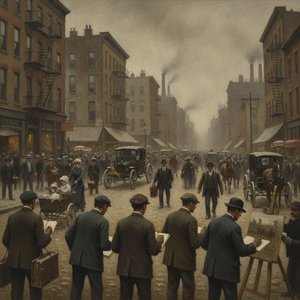
The museum’s exhibits extend far beyond the Philharmonic’s performance history, offering a rich context for understanding its development. The collection includes Hill's meticulously crafted plans for the Philharmonic Society, alongside his poignant letters to musicians and patrons – providing invaluable glimpses into the orchestra’s early ambitions and challenges. Furthermore, a selection of original scores and recordings allows visitors to experience firsthand the sounds that defined the Philharmonic’s identity during its formative years. Notably, “Hill 12” (1953) by Michael Goldberg provides a compelling visual representation of the Philharmonic’s early years, capturing the energy and complexity of urban life through an Abstract Expressionist oil painting – a vibrant snapshot of a dynamic era.
Regularly hosted temporary exhibitions delve into specific eras or conductors – illuminating the Philharmonic’s multifaceted history. These curated displays explore figures like Theodore Thomas, a pivotal conductor who shaped the orchestra's early sound and repertoire, and examine challenges faced during the 20th century, including shifts in musical styles and evolving audience expectations. The museum actively seeks to present a complete and nuanced picture of the Philharmonic’s journey, fostering a deeper appreciation for its enduring legacy.
A Digital Window to the Past & Architectural Reflections
The New York Philharmonic Museum embraces a forward-thinking approach, offering visitors access to digitized scores, photographs, audio recordings, and program ephemera through an extensive online archive. This digital resource expands understanding beyond physical collections, providing a comprehensive record of the Philharmonic’s history – accessible to music lovers around the globe. Furthermore, detailed architectural notes and design elements illuminate the thoughtful integration of tradition and innovation within Geffen Hall – a space designed to honor the Philharmonic's heritage while embracing modern performance standards. The Wu Tsai Theater, equipped with advanced sound-dampening technology, exemplifies this commitment to sonic excellence, ensuring that every note resonates with clarity and power.
The Lincoln Center Research Library provides access to historical documents, scores, and photographs related to the Philharmonic’s architectural history – allowing visitors to gain a deeper appreciation for the design choices that shaped this iconic venue. A visit to the New York Philharmonic Museum is more than just a tour of artifacts; it's an opportunity to connect with the enduring legacy of one of America’s most celebrated orchestras, a testament to the power of music and art to shape our cultural landscape.