Yvonne McKague Housser stands as a monumental figure in the tapestry of Canadian art history, a painter whose brushstrokes helped define the dawn of modernism in her homeland. Born in Toronto in 1897, her life and work represent a bridge between the rigorous academic traditions of the nineteenth century and the bold, experimental spirit of the twentieth. While often discussed in the orbit of the legendary Group of Seven, Housser carved out a distinct identity through her profound ability to capture the rugged essence of the Canadian landscape while simultaneously exploring the nuances of human form and abstract composition. Her journey was one of constant evolution, moving from the structured lessons of the Ontario College of Art to the avant-garde ateliers of Paris, ultimately returning to Canada to leave an indelible mark on both the canvas and the classroom.
Foundations and the Parisian Influence
The artistic soul of Housser was forged in the prestigious halls of the Ontario College of Art, where she studied between 1913 and 1918. Under the watchful eyes of masters such as George Agnew Reid and William Cruikshank, she mastered the fundamental principles of Impressionism and Symbolism. These early mentors instilled in her a reverence for light and a deep respect for the natural world, yet it was her pursuit of international perspectives that truly expanded her vision. A transformative sabbatical in Paris from 1921 to 1922 allowed her to immerse herself in the legendary Académie de la Grande Chaumière and Académie Colarossi. In the vibrant, post-war atmosphere of France, she encountered the cutting edge of European modernism, absorbing techniques that favored expressive movement and structural experimentation. This period of intense study infused her work with a sophisticated understanding of form that would later distinguish her from her more purely representational contemporaries.
A Legacy of Landscape and Light
Throughout her prolific career, Housser’s oeuvre remained a testament to the grandeur of the Canadian wilderness. Her paintings are celebrated for their remarkable versatility, often utilizing a bold impasto technique that lends a tactile, visceral quality to the scenery. Whether she was depicting the sweeping vistas of Ontario or more intimate, quiet corners of the landscape, her work possessed an emotional resonance that transcended mere documentation. Beyond the landscape, her explorations into figurative works and abstract compositions demonstrated a restless intellect, always seeking new ways to interpret the relationship between subject and space. Her contributions were not merely aesthetic but institutional; as a dedicated educator and active member of the Royal Canadian Academy and the Ontario Society of Artists, she helped foster a community of artists that would shape the future of Canadian art.
Artistic Milestones and Enduring Significance
The significance of Yvonne McKague Housser lies in her role as a trailblazer for women in the arts and a key architect of the Canadian modernist movement. Her ability to navigate the male-dominated art circles of her era while maintaining a unique, recognizable voice is nothing short of extraordinary. Her life’s work can be summarized through several enduring contributions:
Mastery of Technique: The seamless integration of academic precision with modern, expressive brushwork.
Educational Impact: Her long-standing commitment to teaching at the Ontario College of Art, nurturing subsequent generations of Canadian talent.
Cultural Connection: A profound ability to translate the rugged, untamed spirit of the Canadian landscape into a sophisticated modernist language.
Historical Presence: Her active participation in major national exhibitions that helped establish a distinct Canadian identity in the global art dialogue.
As we look back on her century-long life, which concluded in 1996, we see an artist who did not merely observe the changing world but actively participated in its transformation through the power of paint and vision.
Af TopImpressionists.com' redaktion
Kunstquiz
Der er kun ét korrekt svar på hvert spørgsmål.
Spørgsmål 1:
What influential art school did Yvonne McKague Housser attend during her formative years?
Spørgsmål 2:
Which prominent Canadian artist influenced Yvonne McKague Housser's artistic style?
Spørgsmål 3:
Yvonne McKague Housser studied abroad at which prestigious academy in Paris?
Spørgsmål 4:
What artistic technique is commonly employed by Yvonne McKague Housser, characterized by thick brushstrokes and textured surfaces?
Spørgsmål 5:
In which Canadian art institution was Yvonne McKague Housser recognized for her contributions to modern art?
Explore the life & work of George Agnew Reid, a pivotal figure in Canadian Impressionism. Discover his genre paintings, mural commissions, and lasting influence on art education & national identity. A comprehensive guide for collectors & enthusiasts.
Transform your family's history into a timeless masterpiece. TopImpressionists specializes in luxury, large-scale custom group portrait commissions for 10+ people. Hand-painted by master artists using traditional oil techniques to create an enduring legacy for your home or organization.
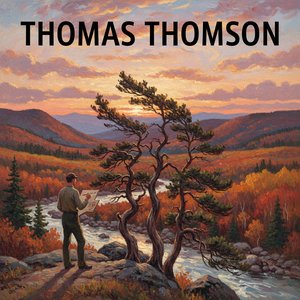
Explore the evocative landscapes of Tom Thomson, a pivotal figure in Canadian art & precursor to the Group of Seven. Discover his bold style, lasting legacy, and profound impact on shaping a national artistic identity.