

Gezeigt: · Inklusive Rahmen:
 Vorschau anzeigen
 Versenden
 Teilen
 Details anzeigen
 Leitfaden

 Herunterladen
 Ähnliche Objekte
 Röntgenaufnahme
 Diashow
 Fragen & Antworten
 Statistiken
- 174.0 x 124.0 cm


€ 240
Handgefertigte Ölreproduktion
Handgemaltes Ölgemälde auf Leinwand in Ihrer Wunschgröße und mit Rahmen, auf Bestellung von unseren Künstlern angefertigt. ( Zum Druck wechseln Zum digitalen Bild wechseln)
Größe
·Standardformat
individuell anpassbar
CM
INCH
Wählen Sie aus unseren vordefinierten Formaten, die den ursprünglichen Proportionen des Kunstwerks entsprechen.
Größen werden geladen...

Breite
Höhe
Geben Sie die Breite und die Höhe an, die Sie für Ihren Rahmen oder Ihre Wand benötigen. Da dieses Werk handgemalt ist, kann der Künstler bei einer anderen Form etwas mehr um das Bild herum malen oder etwas abschneiden – Sie entscheiden. Wir senden Ihnen ein digitales Mockup zur Freigabe, bevor mit dem Malen begonnen wird. Das auf dieser Seite gezeigte Bild stellt nicht das tatsächliche Ergebnis dar – dies tut nur das Mockup.
 Mehr erfahren
Abschließen
·
Weißer Rand €1

verlaufende Kanten €1

Umrandung €1

P118B €10

P118H €10

P118W €10

P438Z €10

P508JH €12

P508YH €12

P805H €10

P805Z €10

P919BZ €10

P919G €10

P919XJ €10

P959ZH €10

P968JZ €12

W106C €8

W218G €10

W218JH €8

W218Y €10

W307PJ €10

W316G €10

W316PJ €8

W316Y €10

W398PJ €8

W4111J €10

W500HY €15

W500JH €15

W692G €12

W849H €8

W940BG €15

W953PJ €8

H24-GOLD €30

H24-SILVER €30

H36-GOLD €45

H36-SILVER €45
Versand in einer Schutzröhre, bereit für die Rahmung durch Ihren Rahmenmacher.
Extras
optionalWas sind die Extras enthalten?
Beispiele für Anpassungsmöglichkeiten: Gesicht durch Kundenfoto ersetzen; Haustier hinzufügen (z. B. Katze durch Hund ersetzen); Versteckte Botschaft im Hintergrund einfügen; Hintergrundlandschaft oder Elemente ändern.
Nach der Bestellung wird das Team von TopImpressionists.com den Kunden per E-Mail kontaktieren, um Anweisungen einzuholen und eine Vorschau des Entwurfs bereitzustellen
Nach der Bestellung wird das Team von TopImpressionists.com den Kunden per E-Mail kontaktieren, um Anweisungen einzuholen und eine Vorschau des Entwurfs bereitzustellen
Weltweiter Versand () in nur 3 bis 4 Wochen statt der üblichen 5 Wochen. (8 November). Keine Kompromisse bei der Qualität.
Schutzlackierung
Beschriftung
Details der gravierten Bronzetafel
This elegant plaque features the artist's name and the title of the artwork, finely engraved for a timeless presentation.
It is made from bronze with a refined, elegant finish. The text is precisely laser-engraved for a sharp and permanent result. Measuring 9x2 cm, the plaque is compact yet easy to read. It's built to be durable and scratch-resistant, offering a professional, museum-quality look. Mounting is simple thanks to the included adhesive backing.
Details zur Acrylglas-Plakette (transparent)
The plaque includes essential engraved details such as the artist's name, the title of the artwork, the date it was created, the type of media used-like oil on canvas or watercolor-a brief description of the piece, and a QR code that links to the complete artwork information.
It is crafted from clear acrylic, offering a sleek, modern appearance. The text is UV-engraved in black to ensure strong visual contrast. With a size of 10x15 cm, it ensures optimal readability. It comes equipped with two metal hooks for secure wall mounting. The plaque is designed to be weather-resistant, making it suitable for various environments, and it includes interactive features that work seamlessly with smartphone scanning.
Details zur schwarzen Acryltafel
This elegant plaque includes engraved information such as the artist's name, the title of the artwork, the date it was created, the type of media used (like oil on canvas or watercolor), a short description of the artwork, and a QR code for quick access to more information.
The plaque itself is made from refined black acrylic with a premium finish. The text is laser-engraved in white for high contrast and readability. Its size is 10x15 cm, designed to be easy to read. It comes with two metal hooks for professional mounting. The design is sleek and fits any interior style. It is also weather-resistant and durable, with built-in digital integration for mobile compatibility.
Die Glasoption ist nur für Größen unter 110 cm verfügbar.
 Die Glasoption ist nur für Größen unter 110 cm verfügbar.
- Kostenloser weltweiter Expressversand
- Hochwertige Leinenleinwand
- Umfassender Versicherungsschutz beim Versand
- Zollgebühren-Rückerstattungsgarantie
- Garantie für exakte Farbtreue
- 100 Tage Rückgaberecht (nur bei Mängeln)
- 100% Geld-zurück-Garantie
- Mengenrabatt verfügbar


Beschreibung des Sammlerstücks
A captivating Neoclassical depiction of a nude female figure by André Derain from 1941 uses soft light and classical harmony to create a sensual atmosphere that you can bring into your own collection.
Künstlerbiografie
André Derain (1880-1954): Pionier des Fauvismus! Entdecken Sie seine kräftigen Farben, expressiven Kompositionen & ikonischen London-Bilder. Ein Meisterwerk der Moderne.
Über das Gemälde
A Vision of Timeless Grace
In the quiet, evocative depths of André Derain’s 1941 masterpiece, Female Nude Holding Apple, we encounter a moment suspended in time, where the raw vitality of life meets the disciplined elegance of classical form. This painting serves as a profound window into the artist's later evolution, moving away from the explosive, fragmented colors of his Fauvist beginnings toward a more serene and structured Neoclassicism. The subject—a solitary female figure standing with an air of quiet confidence—commands the viewer's attention through her sheer presence. As she holds the fruit, there is a palpable sense of weight and substance to her form, rendered with a mastery that celebrates the human silhouette against a somber, atmospheric backdrop.
The composition is a masterclass in balance and contrast. Derain utilizes a dark, almost nocturnal background to push the illuminated contours of the woman's body forward, creating a sculptural depth that feels both intimate and monumental. The soft light that graces her skin does more than just reveal shape; it breathes life into the canvas, highlighting the smooth transitions of shadow and light that define her anatomy. A single white cloth, draped with deliberate grace behind her, provides a striking visual counterpoint to the surrounding darkness, guiding the eye through the composition and adding a layer of textural complexity that enhances the painting's overall sense of realism and poise.
Symbolism and the Classical Spirit
Beyond its aesthetic beauty, the artwork is rich with the echoes of art history. The inclusion of the apple—a motif as old as civilization itself—introduces a layer of symbolic depth, evoking themes of temptation, knowledge, and the eternal cycle of nature. Within the context of the Naive Art and Primitivism movement, this simplicity allows the viewer to connect with the primal essence of the subject. Derain’s technique here leans into the ideals of harmony and proportion, reminiscent of the great classical masters, yet he infuses it with a modern sensibility that feels grounded and tactile.
For the discerning collector or interior designer, this piece offers more than mere decoration; it provides an emotional anchor. The painting’s restrained color palette and focused subject matter make it an ideal centerpiece for spaces designed for contemplation and sophistication. Whether placed in a contemporary gallery setting or a classic study, Female Nude Holding Apple radiates a sense of permanence and quiet strength. Owning a high-quality reproduction of this work allows one to invite the profound stillness and historical weight of Derain’s vision into their own environment, fostering an atmosphere of cultured elegance and timeless beauty.
Fragen & Antworten
Wie alt war André Derain, als „Female nude holding apple“ im Jahr 1941 geschaffen wurde?
Als "Female nude holding apple" im Jahr 1941 entstand, war André Derain – geboren 1880 – 61 Jahre alt.
In welchem Jahr wurde "Female nude holding apple" von André Derain geschaffen?
"Female nude holding apple" von André Derain entstand im Jahr 1941.
Welcher Kunstrichtung lässt sich "Female nude holding apple" von André Derain zuordnen?
"Female nude holding apple" von André Derain lässt sich der Strömung des Naive Art zuordnen. Diese Stilrichtung bildet den künstlerischen Kontext des Werkes.
Kurzinfos und Kunst-Quiz
Über André Derain

André Derain
1880 - 1954, Frankreich
Künstlerbiografie
Frühe Jahre und Ausbildung
- Geburt und Familie: André Derain wurde am 10. Juni 1880 in Chatou, Yvelines, Île-de-France, unweit von Paris geboren.
- Unabhängiges Studium: Im Gegensatz zu einigen Darstellungen begann Derain bereits 1895 mit dem Malen, bevor er Vlaminck oder Matisse kennenlernte. Er besuchte gelegentlich die Landschaft mit Vater Jacomin und seinen Söhnen.
- Formale Ausbildung: 1898 studierte er Ingenieurwesen an der Académie Camillo, wo er Henri Matisse kennenlernte und später bei Eugène Carrière Malereiunterricht erhielt.
- Aufgabe des Ingenieurwesens: Nach dem Militärdienst (1901-1904) wurde Derain von Matisse davon überzeugt, seine Ingenieurslaufbahn aufzugeben und sich ganz der Malerei zu widmen. Anschließend besuchte er die Académie Julian.
Fauvismus und frühe künstlerische Entwicklung
- Zusammenarbeit mit Matisse: Derain arbeitete eng mit Henri Matisse zusammen, insbesondere im Sommer 1905 in Collioure, was zu Werken wie "Berge von Collioure" führte.
- Salon d'Automne (1905): Ihre Ausstellung im Salon d'Automne war ein entscheidender Moment, der dazu führte, dass der Kritiker Louis Vauxcelles die Künstler als "Les Fauves" ("die Wilden") bezeichnete aufgrund ihrer kühnen und unkonventionellen Farbgebung.
- Londoner Gemälde: Im Jahr 1906 schickte ihn Ambroise Vollard nach London, wo er eine Reihe von Gemälden anfertigte, die die Stadt auf neuartige Weise darstellten, wobei der Schwerpunkt auf der Themse und der Tower Bridge lag. Diese Werke gelten als einige seiner bedeutendsten.
- Einflüsse & Stil: Frühe fauvistische Arbeiten zeichnen sich durch intensive, unnatürliche Farben und ausdrucksstarke Pinselstriche aus. Derain wurde von Künstlern wie Van Gogh und Cézanne beeinflusst.
Entwicklung des Stils und spätere Werke
- Verschiebung hin zum Klassizismus: Nach 1907 begann sich Derains Stil zu wandeln, weg von der rein fauvistischen Farbpalette hin zu gedämpfteren Tönen und einem größeren Fokus auf die Form. Diese Periode (1911-1914) wird manchmal als seine "gotische" Phase bezeichnet.
- Einfluss des Kubismus & alter Meister: Derains Arbeit in dieser Zeit spiegelte sein Studium der alten Meister wider und integrierte Elemente des Kubismus sowie ein erneutes Interesse an klassischen Formen.
- Ballettdesign: Im Jahr 1919 entwarf er die Ballettaufführung "La Boutique Fantasque" für Diaghilev, was seine Vielseitigkeit als Künstler unter Beweis stellte.
- Bemerkenswerte Werke: Zu den wichtigsten Werken dieser Zeit gehören "Harlekin und Pierrot", "Die Rückkehr des Odysseus" (ein großes Wandgemälde) sowie verschiedene Landschaften und Stillleben, die seine sich entwickelnde Stilrichtung zeigen.
Vermächtnis und historische Bedeutung
- Mitbegründer des Fauvismus: Derain gilt als eine Schlüsselfigur bei der Entwicklung des Fauvismus, neben Matisse, und leistete einen bedeutenden Beitrag zur Kunstbewegung des frühen 20. Jahrhunderts.
- Einzigartige Vision von London: Seine Reihe von Gemälden, die London darstellen, bot eine frische und unverwechselbare Perspektive auf die Stadt und unterschied sich von früheren künstlerischen Darstellungen.
- Nachkriegs-Anerkennung: Nach dem Ersten Weltkrieg erlangte Derain neue Anerkennung für seine Beiträge zu einem wiederauflebenden Klassizismus in der Kunst.
- Spätere Jahre & Kontroversen: Trotz des Gewinnens des Carnegie-Preises im Jahr 1928 sah sich Derain während des Zweiten Weltkriegs aufgrund seiner Anwesenheit in Deutschland mit Kontroversen konfrontiert und wurde später von einigen ehemaligen Unterstützern gemieden.
- Tod und Erinnerung: André Derain starb am 8. September 1954. Seine Werke werden weiterhin für ihre kühnen Farben, ausdrucksstarken Kompositionen und seinen bedeutenden Beitrag zur Geschichte der modernen Kunst gefeiert.
Kurzinfos zu André Derain
- Beeinflusste Künstler:
- Henri Matisse
- Pablo Picasso
- Bemerkenswerte Werke:
- Harlekin und Pierrot
- Londoner Bilder
- Bacchus-Tanz
- Die Heimkehr des Odysseus
- Geburtsdatum: 10. Juni 1880
- Geburtsort: Chatou, Frankreich
- Künstlerische Bewegung: Fauvismus
- Nationalität: Französisch
- Todestag: 8. September 1954
- Vollständiger Name: André Derain
Entdecken Sie Kunstwerke, die nach Themen, Stilen und Merkmalen sortiert sind.


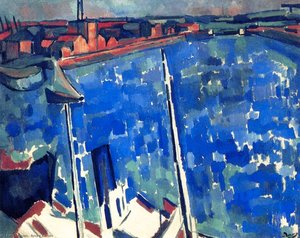


André Derain
Female nude holding apple
() ·
Inklusive Rahmen: · Handgemalt mit Öl auf Leinen
Gesamtbetrag