The Soul of the Sketch: Unveiling the Raw Beauty and Creative Intimacy of Artist Studies
Discover the profound intimacy of artist studies. Explore how raw sketches and preparatory works capture the true soul of Impressionism, from Monet's light to Sargent's grace. Expert insights for art lovers seeking the authentic beauty behind every masterpiece.
Introduction: The Humble Sketch – A Foundation of Artistic Vision The sketch, often perceived as a preliminary step—a fleeting thought captured on paper before the ‘real’ work begins—holds a far more significant place in the history of art than is co...
There is a profound, quiet magic found in the moments before a masterpiece is born. To look upon a finished oil painting—perhaps a sun-drenched meadow by Monet or a luminous portrait by Renoir—is to witness the triumph of a completed vision. Yet, for those of us who have spent decades wandering through the hallowed halls of the world's great museums, there is an even deeper intimacy to be found in the humble sketch. These are the whispers of the artist, the first tentative breaths of an idea captured on paper before the weight of expectation and the permanence of oil settle upon the canvas. A sketch is not merely a preliminary step; it is a direct conduit to the creator's mind, a fleeting thought caught in the act of becoming. In these lines, we find a vulnerability that the polished final work often hides—a sense of discovery that invites us to sit beside the master and witness the very heartbeat of their inspiration.
Beyond the Finished Canvas: The Sketch as a Window into the Creative Soul
Introduction To step into a gallery dedicated to the theme of study is to witness the quiet, sacred intimacy of the human intellect in motion. It is an invitation to look past the grand, sweeping narratives of war and myth, and instead, to focus on t...
When we move past the grand narratives of history painting and the sweeping drama of finished altarpieces, we enter the sacred space of the creative crucible. A study, such as Federico Barocci’s captivating charcoal sketches from the late sixteenth century, offers us much more than a blueprint for a larger work; it provides a vibrant record of thought brimming with potential energy. In these works, one can almost hear the rhythmic scratch of charcoal against paper, imagining the artist’s hand moving with an urgent, unselfconscious purpose. Unlike the finished masterpiece, which seeks to present a resolved truth, the study celebrates the process of inquiry. It is a meditation on form, light, and emotion in its most distilled state. To study these works is to observe the human intellect in motion, witnessing the soft flicker of candlelight over parchment as a mind attempts to grasp the infinite and translate it into the tangible.
Anatomy of an Impression: How Studies Prefigured the Light of Monet and Renoir
Introduction To step into the world of Impressionist landscapes is to abandon the rigid boundaries of reality and embrace the fleeting dance of light and atmosphere. Imagine standing on the banks of the Seine or amidst a sun-drenched meadow in Givern...
For the lovers of Impressionism, the sketch holds a particularly luminous significance. The movement itself was born from a desire to capture the ephemeral—the fleeting dance of light and the shifting haze of a summer afternoon before it dissolves into memory. While we celebrate the vibrant, broken palettes of the finished landscapes, it is in the preparatory studies that we see the true revolution of en plein air painting taking root. These early observations were the foundation uponty which the masters built their worlds of light. Before the heavy textures of impasto could define a water lily pond, there were the delicate, rhythmic lines used to map the movement of shadows and the shimmer of water. These studies reveal how artists like Monet and Renoir learned to abandon the rigid boundaries of reality in favor of an atmospheric truth, training their eyes to see not just objects, but the very soul of the moment as it breathes and changes.
The Tactile Truth: Exploring Charcoal, Graphite, and the Raw Texture of Preparation
A Moment Captured in Graphite: The Soul of a Study In the quiet intimacy of John Singer Sargent’s 1877 graphite sketch, Figure of a Child , we find ourselves peering into the very heartbeat of the creative process. Often recognized as a preparatory s...
There is a tactile honesty in the medium of the sketch that even the finest oil painting can sometimes transcend. In the graphite work of John Singer Sargent, such as his 1877 study of a child, we find an unfiltered glimpse into the artist's mind. There is a breathless immediacy in those lines; they do not seek photographic perfection but rather a deeper, more elusive truth. Through the masterful use of varying line weights and delicate hatching, the artist breathes volume into limbs and torso, creating a sense of three-dimensional presence through nothing more than the interplay of light and shadow. Similarly, the use of charcoal and brown ink allows for a beautiful economy of line, where shadows define musculature and drapery without the need for harsh contrast. The texture of the paper itself—the subtle creases, the grain, and the smudges of a thumb—becomes part of the narrative, lending the work an undeniable historical gravitas and a sense of lived experience that resonates deeply with the soul.
From Preparatory Study to Masterpiece: The Evolution of Vision in Art History
A Glimpse into Viennese Soul: Gustav Klimt’s “Sitting Woman with Chin Propped” Gustav Klimt's "Sitting Woman with Chin Propped (Study for the portrait ‘Friederike Maria Beer’)”, painted in 1916, isn’t merely a preparatory sketch; it’s a distilled ess...
The journey from a simple graphite stroke to a monumental canvas is one of profound evolution. Throughout art history, sketching has served as both a technical necessity and a philosophical pursuit. During the Renaissance, artists like Leonardo da Vinci used sketching as a form of scientific inquiry, meticulously rendering anatomy to understand the very mechanics of life. As we transitioned into the Baroque and eventually the Impressionist eras, the purpose of the study shifted from anatomical accuracy toward emotional intensity and atmospheric mastery. We see this evolution in the works of Gustav Klimt, where his grayscale studies for portraits reveal layers of thought and technique that anticipate his later, more opulent, gold-infused masterpieces. The sketch is the DNA of the painting; it contains all the essential instructions for the eventual explosion of color and light, tracing the lineage of an idea from its most fragile inception to its most magnificent realization.
Bringing the Sketch Home: Preserving the Ephemeral Beauty of the Artist's Hand
While we may not all possess a gallery of original Renaissance sketches, the spirit of the study can be brought into our own sanctuaries through the art of the fine reproduction. At TopImpressionists.com, we believe that the beauty of the artist's hand—the visible brushstroke, the textured depth, and the emotional resonance—should be accessible to all who cherish it. Whether you are drawn to the raw energy of a charcoal study or wish to commission a custom piece that reimagines a personal memory in the light-drenched style of Monet, our mission is to preserve that sense of wonder. Our hand-painted oil reproductions on 100% cotton canvas are created with the same reverence for process that the masters themselves held, ensuring that the soul of the artwork remains vibrant and alive in your home for generations to come. We invite you to explore our collections and find that piece of history that speaks directly to your heart.
Erkunden Sie Georges Seurat (1859-1891), Pionier des Pointillismus und Neo-Impressionismus. Entdecken Sie 'A Sunday on La Grande Jatte' und seine revolutionäre Farbbtheorie, die das moderne Leben einfängt. Kaufen …
Entdecken Sie handgemalte Impressionismus-Meisterwerke von Claude Monet & Co. Unsere Experten erschaffen hochwertige Ölreproduktionen auf Leinwand, die Licht und Emotion in Ihr Zuhause bringen. Ein zeitloses Erbe für anspruchsvolle Kunstliebhaber. Jetzt exklusive Beratung sichern!
Discover how museum-quality, hand-painted Impressionist reproductions elevate elite collections. From bespoke Monet-style commissions to masterful oil techniques, explore the prestige of fine art curation for sophisticated interiors.
Immerse yourself in the vibrant world of Sir Alfred James Munnings. Explore 25 iconic equestrian paintings and English landscapes that define British Impressionism. Find inspiration for museum-quality art reproductions and decor. Discover all masterpieces on TopImpressionists.com.
Discover the art of museum-quality oil painting reproduction. Explore our expert process, skilled artists & authentic replicas. Elevate your home with timeless beauty – handcrafted and customized to your vision.
Master the nuances of fine art acquisition. Our expert guide explores the tactile depth of hand-painted oil reproductions versus the archival precision of Giclée prints, helping collectors choose the perfect medium for their space and legacy.
TIAtelier-ConciergeOnline · antwortet innerhalb einer Minute
Hallo! Ich kann Ihnen dabei helfen, ein Kunstwerk auszuwählen, eine Bestellung zu verfolgen oder Fragen zur Garantie zu beantworten. Wie kann ich Ihnen heute behilflich sein?



 The Eloquent Line: Exploring the Artistic Significance of Sketches Across Movements and Media
 Mastering the Muse: 10 Iconic Artworks That Capture the Essence of Study
 10 Iconic Impressionist Landscapes That Changed Art Forever
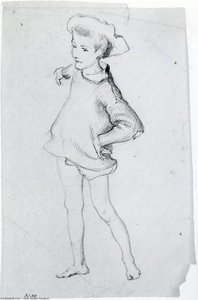 Figure of a Child (also known as study for The Oyster Gatherers of Cancale)
 Sitting Woman with Chin Propped (Study for the portrait


