Ατελιέ — Δωρεάν αποστολή σε όλο τον κόσμο — Παράδοση σε 2–6 εβδομάδες
      Ουάλτερ Όσμπορν, 1859 – 1903

      Τα 57 πιο διάσημα έργα του Ουάλτερ Όσμπορν

      Το έργο Portrait of Stephen Gwynn (1864-1950), Author (1885) είναι το ποίτισμα για το οποίο ο Ουάλτερ Όσμπορν είναι πιο γνωστός· ανήκει στο Εθνική Γκαλερί της Ιρλανδίας, Δουβλίνο. Ο Portrait of Violet Osborne (1866-1893), Artist's Sister (1885) και ο Apple Gathering, Quimperlé (1883) συμπληρώνουν το τρίο των πιο αγαπητών καμβάδων. Ο κατάλογός μας περιλαμβάνει 58 έργα του Ουάλτερ Όσμπορν. Ακολουθούν τα 57 πιο διάσημα, με την χρονολογία, το μουσείο και την ιστορία κάθε καμβά.

      Καταταγίζονται με βάση το σκορ δημοφιλίας μας, το οποίο συνδυάζει τις αναζητήσεις, τις επισκέψεις και τις παραγγελίες για κάθε έργο. Ενημερώθηκε Οκτώβριος 2026. Κάθε έργο σε αυτήν τη σελίδα μπορεί να παραγγελθεί ως χειροποίητη αναπαραγωγή σε λάδι πάνω σε καμβά από λινό, ή ως μια εκτύπωση fine art, σε οποιοδήποτε μέγεθος επιλέξετε.

      Πορτρέτο του Ουάλτερ Όσμπορν
      Ουάλτερ Όσμπορν · 1859 – 1903
      Γεννημένος · πεθνημένος
      1859 – 1903, Δουβλίν
      Κίνηση
      Impressionism
      Έργα στον κατάλογό μας
      58
      Τα πιο διάσημα
      Portrait of Stephen Gwynn (1864-1950), Author (1885)
      Πολλές εργασίες στο
      Εθνική Γκαλερί της Ιρλανδίας

      Τα δέκα πιο αγαπημένα έργα του Ουάλτερ Όσμπορν

      Ουάλτερ Όσμπορν: πίνακες από 11 έως 57 της κατάταξης

      Τι ζωγράφισε περισσότερο ο Ουάλτερ Όσμπορν

      Τα τέσσερα θέματα που εμφανίζονται πιο συχνά σε αυτές τις καμβάδες, το καθένα με το αγαπημένο του παράδειγμα.

      Εκεί που εκτίθενται οι καμβάδες του Ουάλτερ Όσμπορν

      Τα 3 μουσεία που φιλοξενούν το μεγαλύτερο μέρος των έργων σε αυτήν τη σελίδα.

      Μουσεία Πόλη Έργα του Ουάλτερ Όσμπορν Πάτρια από αυτή τη λίστα
      Εθνική Γκαλερί της Ιρλανδίας, ΔουβλίνοΕθνική Γκαλερί της Ιρλανδίας Δουβλίνο 28 Portrait of Stephen Gwynn (1864-1950), Author, Portrait of Violet Osborne (1866-1893), Artist's Sister, Apple Gathering, Quimperlé
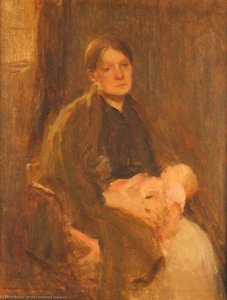
      Finnish National Gallery, HelsinkiFinnish National Gallery Helsinki 1 Mother and Child
      Εθνική Πορτραίτητος Γκαλερί, ΛονδίνοΕθνική Πορτραίτητος Γκαλερί Λονδίνο 1 Robert Offley Ashburton Crewe-Milnes, 1st Marquess of Crewe

      Το πιο διάσημο καμβά του Ουάλτερ Όσμπορν, δεκαετία μετά τη δεκαετία

      1. 1870s
      2. 1880s
      3. 1890s
      4. 1900s

      Οι καμβάδες του Ουάλτερ Όσμπορν, ερώτηση προς ερώτηση

      Για ποια καμβάς είναι πιο γνωστός ο Ουάλτερ Όσμπορν;Διαβάστε την απάντηση

      Portrait of Stephen Gwynn (1864-1950), Author (1885), Εθνική Γκαλερί της Ιρλανδίας, Δουβλίνο. Ακολουθούν το Portrait of Violet Osborne (1866-1893), Artist's Sister (1885) και το Apple Gathering, Quimperlé (1883).

      Portrait of Stephen Gwynn (1864-1950), Author: πόσο είχε ηλικία ο Ουάλτερ Όσμπορν όταν σχεδιάστηκε;Διαβάστε την απάντηση

      Ο/Η Ουάλτερ Όσμπορν, γεννημένος/η το 1859, ήταν 26 ετών: το έργο Portrait of Stephen Gwynn (1864-1950), Author χρονολογείται από το 1885.

      Ποια είναι τα δέκα πιο διάσημα έργα του Ουάλτερ Όσμπορν;Διαβάστε την απάντηση

      Portrait of Stephen Gwynn (1864-1950), Author, Portrait of Violet Osborne (1866-1893), Artist's Sister, Apple Gathering, Quimperlé, The Return Of The Flock, Feeding the chickens, Portrait of Sir Thomas Drew (1838-1910), Architect, Portrait of J.B.S. MacIlwaine (1857-1945), Artist and Inventor, A Landscape with Cattle, Portrait of Mrs G.W. Yeates και When the boats come in. Κάθε καμβάς στον παραπάνω κατάραχο συνοδεύεται από το έτος και το μουσείο του.

      Πόσα έργα δημιούργησε ο/η Ουάλτερ Όσμπορν;Διαβάστε την απάντηση

      Στον κατάλογό μας υπάρχουν 58 έργα του Ουάλτερ Όσμπορν, με ημερομηνίες από 1877 έως 1902.

      Πού εκτίθενται σήμερα τα πιο διάσημα έργα του Ουάλτερ Όσμπορν;Διαβάστε την απάντηση

      Κυρίως στα Εθνική Γκαλερί της Ιρλανδίας (Δουβλίνο), Finnish National Gallery (Helsinki) και Εθνική Πορτραίτητος Γκαλερί (Λονδίνο); η παραπάνω λίστα αναφέρει κάθε μουσείο και τα έργα του.

      Πότε δημιούργησε ο/η Ουάλτερ Όσμπορν τα πιο διάσημα έργα του/της;Διαβάστε την απάντηση

      Στην 1880s, η οποία περιλαμβάνει 13 από τα 57 έργα σε αυτήν τη σελίδα, με Portrait of Stephen Gwynn (1864-1950), Author ανάμεσα σε αυτά.

      Ποιο διάσημο καμβά από τον Ουάλτερ Όσμπορν δημιούργησε πρώτο και ποιον τελευταίο;Διαβάστε την απάντηση

      Το παλαιότερο καμβάς εδώ είναι του Feeding Time (1877), ενώ ο νεότερος είναι του Tea In The Garden (1902).

      Ποια θέματα ζωγράφισε περισσότερο ο Ουάλτερ Όσμπορν;Διαβάστε την απάντηση

      Irish art (4), Gardens and parks (3) και Shepherd (2), σε συνολικά 57 έργα σε αυτήν τη σελίδα.

      Με ποιο καλλιτεχνικό κίνημα σχετίζεται ο/η Ουάλτερ Όσμπορν;Διαβάστε την απάντηση

      Impressionism, όπως τα καμβάδες σε αυτήν τη σελίδα δείχνουν.

      Ποια έργα του Ουάλτερ Όσμπορν βρίσκονται στο Εθνική Γκαλερί της Ιρλανδίας;Διαβάστε την απάντηση

      Το Εθνική Γκαλερί της Ιρλανδίας, Δουβλίνο διαθέτει 28 από τα έργα σε αυτήν τη σελίδα, μεταξύ των οποίων τα Portrait of Stephen Gwynn (1864-1950), Author, Portrait of Violet Osborne (1866-1893), Artist's Sister και Apple Gathering, Quimperlé.

      Πού μπορώ να αγοράσω μια αναπαραγωγή ενός έργου του Ουάλτερ Όσμπορν;Διαβάστε την απάντηση

      Ναι. Κάθε έργο σε αυτήν τη σελίδα μπορεί να παραγγελθεί από τη δική του σελίδα ως χειροποίητη αναπαραγωγή σε λάδι ή ως εκτύπωση fine art, στο μέγεθος που επιλέξετε.

      Γνωρίστε τον ζωγράφο: Ουάλτερ Όσμπορν

      Early Life and Artistic Foundations

      Walter Frederick Osborne, born in Rathmines, Ireland, in 1859, emerged from a family deeply rooted in the artistic world. His father, William Osborne, was a successful animal painter, providing young Walter with an early immersion into the sights, smells, and techniques of a working artist’s life. This foundational exposure proved pivotal, nurturing a talent that would blossom into a significant contribution to Irish art. Osborne's formal training began at Rathmines School before progressing to the prestigious Royal Hibernian Academy (RHA) Schools in Dublin. His dedication and skill were quickly recognized; he garnered numerous prizes, culminating in the esteemed Taylor scholarship (£50) – a testament to his exceptional promise even in those early years. This financial support enabled him to broaden his horizons and seek further education abroad, setting the stage for a period of crucial artistic development.

      European Influences and Artistic Development

      Osborne’s journey took him to Antwerp in 1881, where he studied at the Académie Royale des Beaux-Arts under Charles Verlat. This experience immersed him in realist traditions, honing his technical skills and emphasizing meticulous observation. However, it was a subsequent sojourn to Brittany between 1883 and 1884 that proved transformative. Working in locations like Dinan, Pont-Aven, and Quimperlé, Osborne encountered the *plein air* style championed by Jules Bastien-Lepage. This marked a turning point, encouraging him to capture nature directly, responding to light and atmosphere with an immediacy previously absent from his work. The influence of Flemish master Rubens also lingered in his artistic consciousness, evident in his later compositions. These diverse influences – the realism of Verlat, the naturalism of Bastien-Lepage, and the compositional strength of Rubens – coalesced into a unique artistic voice that would define Osborne’s career. His time in England followed, working alongside artists like Nathaniel Hill and Augustus Burke, further refining his skills in landscape and genre scenes depicting rural life.

      A Return to Dublin and Portraiture Success

      Family circumstances prompted Osborne's return to Dublin in 1892, where he established a thriving portrait practice. While landscapes and genre scenes remained central to his artistic interests, the demand for portraits provided financial stability and recognition. He had already become a full member of the RHA in 1886, solidifying his position within the Irish art establishment. Osborne’s style continued to evolve during this period, gradually moving away from strict realism towards Impressionism. This shift manifested in looser brushwork, a more adventurous palette, and an increased emphasis on capturing fleeting moments of light and atmosphere. His portraiture gained considerable acclaim, culminating in the bronze medal awarded for “Mrs Noel Guinness and her Daughter Margaret” at the Exposition Universelle in 1900 – a significant international honor.

      Themes, Legacy, and Lasting Impact

      Walter Osborne’s artistic legacy rests on his sensitive and insightful depictions of everyday life, particularly his documentary portrayals of Dublin's working class. He possessed an exceptional ability to capture the dignity and resilience of ordinary people, offering a poignant glimpse into their world. Beyond these compelling social commentaries, he painted numerous evocative landscapes and genre scenes depicting rural Ireland and England. His notable works, including “Feeding the Chickens,” “Mother and Child,” “The Return Of The Flock”, "Small Girl With A Cat", and “Cherry Ripe,” showcase his mastery of light, color, and composition. Tragically, Osborne’s life was cut short by pneumonia in 1903 at the age of just 43, leaving many to speculate about the artistic heights he might have reached. Despite his premature death, he is now rightfully regarded as a major figure in Irish art history. His work provides invaluable insights into the social conditions and daily lives of late 19th-century Ireland, and his blend of realism and Impressionism continues to inspire subsequent generations of artists. He wasn’t part of any formal movement but his influence on later Irish painters is undeniable, a testament to the enduring power of his vision and skill.