Ατελιέ — Δωρεάν αποστολή σε όλο τον κόσμο — Παράδοση σε 2–6 εβδομάδες
      Ιλιά Ρέπιν, 1844 – 1930

      Ιλιά Ρέπιν: Τα 100 πιο γνωστά έργα

      Από όλα τα έργα του Ιλιά Ρέπιν, το Ιβάν ο Τρομαστικός και ο γιος του Ιβάν στις 16 Νοεμβρίου 1885 (1885) είναι το πιο διάσημο· εκτίθεται στο Τρέτιακοφ Ακαδημία Μουσειακή, Μόσχα. Ακολουθούν στενά οι Η Απόκριση των Ζαπορόζιων Κόσπακ από τον Σουλτάνο Μαχμούντ IV (1878) και Εργάτες των Βάργας στον Βόλγα (1873). Ανάμεσα στα 672 έργα του Ιλιά Ρέπιν στον κατάλογό μας, αυτά τα 100 είναι τα πιο διάσημα, με το καθένα να συνοδεύεται από την ημερομηνία, το μουσείο και την ιστορία του.

      Καταταγίζονται με βάση το σκορ δημοφιλίας μας, το οποίο συνδυάζει τις αναζητήσεις, τις επισκέψεις και τις παραγγελίες για κάθε έργο. Ενημερώθηκε Οκτώβριος 2026. Κάθε έργο σε αυτήν τη σελίδα μπορεί να παραγγελθεί ως χειροποίητη αναπαραγωγή σε λάδι πάνω σε καμβά από λινό, ή ως μια εκτύπωση fine art, σε οποιοδήποτε μέγεθος επιλέξετε.

      Πορτρέτο του Ιλιά Ρέπιν
      Ιλιά Ρέπιν · 1844 – 1930
      Γεννημένος · πεθνημένος
      1844 – 1930, Τσουχούιβ
      Κίνηση
      Realist expressionism
      Έργα στον κατάλογό μας
      672
      Τα πιο διάσημα
      Ιβάν ο Τρομαστικός και ο γιος του Ιβάν στις 16 Νοεμβρίου 1885 (1885)
      Πολλές εργασίες στο
      Τρέτιακοφ Ακαδημία Μουσειακή

      Τα 10 πιο διάσημα έργα του Ιλιά Ρέπιν

      Ιβάν ο Τρομαστικός και ο γιος του Ιβάν στις 16 Νοεμβρίου 1885 (1885) του Ιλιά Ρέπιν
      1

      Ιβάν ο Τρομαστικός και ο γιος του Ιβάν στις 16 Νοεμβρίου 1885

      1885 · Άνθρακα και λάδι σε καμβά · Τρέτιακοφ Ακαδημία Μουσειακή, Μόσχα

      The oil-on-canvas work titled Ivan the Terrible and His Son Ivan on November 16, 1885, was executed by the Russian realist artist Ilya Repin. This painting was created between 1883 and 1885. The composition focuses on a specific historical moment involving the Russian tsar Ivan the Terrible and his son, the Tsarevich Ivan Ivanovich. The scene depicts the tsar cradling his dying son following a fatal blow to the head…

      Η Απόκριση των Ζαπορόζιων Κόσπακ από τον Σουλτάνο Μαχμούντ IV (1878) του Ιλιά Ρέπιν
      2

      Η Απόκριση των Ζαπορόζιων Κόσπακ από τον Σουλτάνο Μαχμούντ IV

      1878 · Άνθρακα και λάδι σε καμβά · Κρατικό Ρωσικό Μουσείο, Πέτρος

      Το έργο "Η Απόκριση των Ζαπορόζιων Κόσπακ στους Σουλτάνους Μαχμούντ IV" του Ιάιλα Ρεπίν, ένα από τα σημαντικότερα κεφάλαια της ρωσικής ρεαλιστικής τέχνης, είναι μια συναρπαστική ματιά σε μια κρίσιμη στιγμή της ιστορίας και της ψυχολογίας. Δημιουργημένο το 1878, αυτό το τεράστιο έργο απεικονίζει με δραματικό τρόπο την ατμόσφαιρα μιας στρατιωτικής συγκέντρωσης όπου οι Ζαπορόζιοι Κόσπακ, μια ιδιαίτερη μορφή των Ουκρανών πολεμιστών, επεξεργάζονται μια απερίσκεπτη απάντηση στον Σουλτάνο Μαχμούντ IV.…

      Εργάτες των Βάργας στον Βόλγα (1873) του Ιλιά Ρέπιν
      3

      Εργάτες των Βάργας στον Βόλγα

      1873 · Άνθρακα και λάδι σε καμβά · Κρατικό Ρωσικό Μουσείο, Πέτρος

      In the vast landscape of nineteenth-century Russian Realism, few canvases command the viewer's attention with such raw, unyielding power as Ilya Yefimovich Repin’s Barge Haulers on the Volga. Painted between 1870 and 1873, this monumental work is far more than a mere depiction of manual labor; it is a profound psychological study of the human spirit under the weight of systemic hardship. As one gazes upon the scene, the heavy…

      Απροσδόκητη Επιστροφή (1884) του Ιλιά Ρέπιν
      4

      Απροσδόκητη Επιστροφή

      1884 · Άνθρακα και λάδι σε καμβά · Τρέτιακοφ Ακαδημία Μουσειακή, Μόσχα

      Στο τεράστιο χαλί του Ρωσικού Ρεαλισμού, λίπα έργα αποτυπώνουν την βαθιά ένταση μεταξύ της ιδιωτικής οικειότητας και της δημόσιας αναταραχής τόσο συγκινητικά όσο η Απροσδόκητη Επιστροφή του Ιλιά Ρέπιν. Πλαισιωμένο στο 1884, αυτό το αριστούργημα είναι πολύ περισσότερο από μια απλή οικιακή σκηνή· είναι μια ψυχολογική μελέτη μιας στιγμής παγωμένης στον χρόνο, όπου τα όρια ενός οικογενειακού καταφυγίου παραβιάζονται ξαφνικά από το βάρος της ιστορίας. Η σκηνή απεικονίζει την άφιξη…

      Sadko (1876) του Ιλιά Ρέπιν
      5

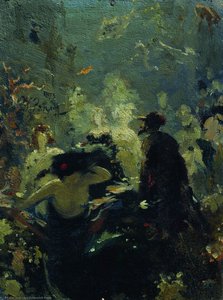
      Sadko

      1876 · Oil On Canvas · Κρατικό Ρωσικό Μουσείο, Πέτρος

      Ilya Repin’s “Sadko,” completed in 1876, is not merely a depiction of a fantastical tale; it’s an immersion into a world where myth and reality intertwine. This monumental canvas, measuring 323 x 230 cm, captures the essence of Russian folklore – the legend of the Volga boatman Sadko, who traded his riches for three beautiful daughters with the Sea King. The scene unfolds as a vibrant, almost overwhelming, tableau of…

      Krestny Khod (Religious Procession) in Kursk Gubernia (1883) του Ιλιά Ρέπιν
      6

      Krestny Khod (Religious Procession) in Kursk Gubernia

      1883 · Oil On Canvas · Τρέτιακοφ Ακαδημία Μουσειακή, Μόσχα

      A Social Commentary Through Art "CITE>Ilya Yefimovich Repin:CITE>" is renowned for his captivating and thought-provoking paintings, and "CITE>Krestny Khod (Religious Procession) in Kursk Gubernia:CITE>" stands out as a testament to his skillful storytelling through art. This oil on canvas masterpiece, measuring 175 x 280 cm, was created in 1883 and is now housed at the Tretyakov Gallery in Moscow. The Painting's Significance When first exhibited, "Krestny Khod (Religious Procession) in…

      Portrait of Chuguev resident S.L. Lyubitskaya (1877) του Ιλιά Ρέπιν
      8

      Portrait of Chuguev resident S.L. Lyubitskaya

      1877 · Oil On Canvas

      To stand before Ilya Yefimovich Repin's Portrait of Chuguev resident S.L. Lyubitskaya is to encounter a moment suspended in time, a quiet dialogue between the subject and the viewer. Painted in 1877, this oil on canvas transcends a mere likeness; it is a profound study in human introspection. Repin, the master chronicler of Russian life, captures here not just the features of S.L. Lyubitskaya, but the very essence of her…

      The Vice-President of the Academy of Arts, I.I. Tolstoy (1899) του Ιλιά Ρέπιν
      10

      The Vice-President of the Academy of Arts, I.I. Tolstoy

      1899 · Oil On Canvas · Κρατικό Ρωσικό Μουσείο, Πέτρος

      To gaze upon Ilya Yefimovich Repin's depiction of The Vice-President of the Academy of Arts, I.I. Tolstoy, is to step into a moment suspended in time—a sanctuary of quiet thought amidst the grandeur of late 19th-century Russian intellectual life. This portrait transcends a mere likeness; it captures the very essence of contemplation. The subject, seated with an air of distinguished gravity, holds a book as if it were both a…

      Οι πίνακες του Ιλιά Ρέπιν από την κατάταξη 11 έως 100

      Αυτοπροσωπογραφία (1887) του Ιλιά Ρέπιν
      #14

      Αυτοπροσωπογραφία

      1887 · Τρέτιακοφ Ακαδημία Μουσειακή

      Η Αυτοπροσωπογραφία του Ρεπίν: Μια Ψυχολογική Εμβέλεια της Ρωσικής Τέχνης Η “Αυτοπροσωπογραφία” (1887) του Ιλία Ρεπίν δεν είναι απλώς ένα πορτρέτο, αλλά μια βαθιά ψυχική εξερεύνηση. Η εικόνα,…

      Φέρτε αυτό το φως στο σπίτι σας →
      Ποιητής του Βορρά (Πορτραίτο του Βλαδίμηρου Βλαδιμιρ ού Μαγιακόβσκι) του Ιλιά Ρέπιν
      #45

      Ποιητής του Βορρά (Πορτραίτο του Βλαδίμηρου Βλαδιμιρ ού Μαγιακόβσκι)

      Προβολή του Βλαντιμίρ Μαγιακόφσκι από τον Ιλία Ρεπιν: Μια Συμβολική Προσπάθεια για την Εποχή της Νεορωμαντικής Αισθητικής Η ιστορική αναδρομή στην τέχνη του Ιλία Ρεπιν μας οδηγεί σε…

      Παραγγελία αυτού του καμβά →
      Ξεκούραση. Πορτρέτο της Εύας Ρεπινέι, Γυναίκα του Καλλιτέχνη. (1882) του Ιλιά Ρέπιν
      #46

      Ξεκούραση. Πορτρέτο της Εύας Ρεπινέι, Γυναίκα του Καλλιτέχνη.

      1882 · Τρέτιακοφ Ακαδημία Μουσειακή

      Η Ειρήνη στην Πορτραίτο της Υπεύθυνης Γυναίκας του Καλλιτέχνη: Μια Ματιά Ρωσικής Ρεαλιστικής Τέχνης Η Πορτραίτο της Ειρήνης της Υπεύθυνης Γυναίκας του Καλλιτέχνη του Ιλία Γιανκοβίτς Ρεπιν αποτελεί…

      Παραγγελία αυτού του καμβά →
      Πορτρέτο του συνθέτη Αντώνιου Ρουμπινστάιν (1881) του Ιλιά Ρέπιν
      #50

      Πορτρέτο του συνθέτη Αντώνιου Ρουμπινστάιν

      1881 · Τρέτιακοφ Ακαδημία Μουσειακή

      Το 1881, ο διάσημος Ρώσος ζωγράφος Ilya Yefimovich Repin προσέγγισε την ψυχή του Anton Rubinstein, ενός από τους σημαντικότερους συνθέτες και πιανίστες της εποχής. Το αποτέλεσμα είναι ένα…

      Ζητήστε να ζωγραφιστεί στο χέρι →
      Πορτρέτο του κριτικού τέχνης Βλαδίμηρου Στασοβίτς (1889) του Ιλιά Ρέπιν
      #55

      Πορτρέτο του κριτικού τέχνης Βλαδίμηρου Στασοβίτς

      1889 · Τρέτιακοφ Ακαδημία Μουσειακή

      Η απεικόνιση του Βλαδίμηρου Στάσοβ, έργο που δημιουργήθηκε το 1889 από τον διάσημο Ρώσο καλλιτέχνη Ιλία Ρεπιν, αποτελεί ένα εκθαμβωτικό δείγμα της ρωσικής τέχνης. Η φιλοτεχνία αυτή, η…

      Ζητήστε να ζωγραφιστεί στο χέρι →

      Οι καμβάδες του Ιλιά Ρέπιν, εποχή προς εποχή

      Τι ζωγράφισε περισσότερο ο Ιλιά Ρέπιν

      Τα τέσσερα θέματα που εμφανίζονται πιο συχνά σε αυτές τις καμβάδες, το καθένα με το αγαπημένο του παράδειγμα.

      Εκεί που εκτίθενται οι καμβάδες του Ιλιά Ρέπιν

      Τα 8 μουσεία που φιλοξενούν το μεγαλύτερο μέρος των έργων σε αυτήν τη σελίδα.

      Μουσεία Πόλη Έργα του Ιλιά Ρέπιν Πάτρια από αυτή τη λίστα
      Τρέτιακοφ Ακαδημία Μουσειακή, ΜόσχαΤρέτιακοφ Ακαδημία Μουσειακή Μόσχα 59 Ιβάν ο Τρομαστικός και ο γιος του Ιβάν στις 16 Νοεμβρίου 1885, Απροσδόκητη Επιστροφή, Krestny Khod (Religious Procession) in Kursk Gubernia
      Κρατικό Ρωσικό Μουσείο, ΠέτροςΚρατικό Ρωσικό Μουσείο Πέτρος 28 Η Απόκριση των Ζαπορόζιων Κόσπακ από τον Σουλτάνο Μαχμούντ IV, Εργάτες των Βάργας στον Βόλγα, Sadko
      Finnish National Gallery, HelsinkiFinnish National Gallery Helsinki 29 Portrait of Professor Ivanov, The Procurator, The Scytheman
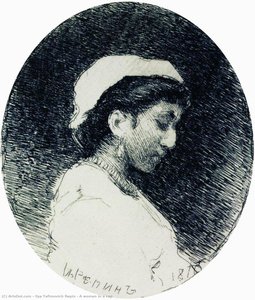
      Μουσείο Σύγχρονης Τέχνης Βιτέμπσκ, ΒιτέμπσκΜουσείο Σύγχρονης Τέχνης Βιτέμπσκ Βιτέμπσκ 2 Zaporozhets, A woman in a cap
      The State Museum of Fine Arts of Tatarstan Republic, KazanThe State Museum of Fine Arts of Tatarstan Republic Kazan 2 Portrait of Bella Gorskaya
      Nizhniy Tagil State Museum of Fine Arts, Nizhny TagilNizhniy Tagil State Museum of Fine Arts Nizhny Tagil 2 Portrait of actor and dramatist Grigory Grigorievich Ghe
      Εθνικό Μουσείο Βαρσοβίας, ΒαρσοβίαΕθνικό Μουσείο Βαρσοβίας Βαρσοβία 2 Study of a peasant in the grass.
      Ερμιτάζ, Σουζ ή Αγία ΠετρούποληΕρμιτάζ Σουζ ή Αγία Πετρούπολη 1 Portrait of Emperor Nicholas II

      Περιόδεια προς περίοδο: το πιο διάσημο καμβάς του Ιλιά Ρέπιν

      1. 1850s
      2. 1860s
        Portrait of Tatyana Repina, the Artist's Mother. (1867) του Ιλιά Ρέπιν
        Κατάταξη 49 από 100

        Portrait of Tatyana Repina, the Artist's Mother.

        Ηλικία 16 – 25 · Εθνική Γκαλερίη Πράγας

        Ilya Yefimovich Repin, one of Russia’s most celebrated and profoundly humanistic painters, possessed an extraordinary ability to distill the essence of his subjects onto canvas. Few portraits capture…

      3. 1870s
        Η Απόκριση των Ζαπορόζιων Κόσπακ από τον Σουλτάνο Μαχμούντ IV (1878) του Ιλιά Ρέπιν
        Κατάταξη 2 από 100

        Η Απόκριση των Ζαπορόζιων Κόσπακ από τον Σουλτάνο Μαχμούντ IV

        Ηλικία 26 – 35 · Κρατικό Ρωσικό Μουσείο

        Το έργο "Η Απόκριση των Ζαπορόζιων Κόσπακ στους Σουλτάνους Μαχμούντ IV" του Ιάιλα Ρεπίν, ένα από τα σημαντικότερα κεφάλαια της ρωσικής ρεαλιστικής τέχνης, είναι μια συναρπαστική ματιά σε…

      4. 1880s
      5. 1890s
        The Vice-President of the Academy of Arts, I.I. Tolstoy (1899) του Ιλιά Ρέπιν
        10 από 100

        The Vice-President of the Academy of Arts, I.I. Tolstoy

        Ηλικία 46 – 55 · Κρατικό Ρωσικό Μουσείο

        To gaze upon Ilya Yefimovich Repin's depiction of The Vice-President of the Academy of Arts, I.I. Tolstoy, is to step into a moment suspended in time—a sanctuary of…

      6. 1900s
        Portrait of writer Yevgeny Nikolayevich Chirikov (1906) του Ιλιά Ρέπιν
        Λεβεντάδες 25 από 100

        Portrait of writer Yevgeny Nikolayevich Chirikov

        Ηλικία 56 – 65

        To stand before Ilya Yefimovich Repin’s Portrait of writer Yevgeny Nikolayevich Chirikov is to step directly into the vibrant, thoughtful atmosphere of turn-of-the-century Russian intellectualism. Painted in 1906,…

      7. 1910s
        Πορτραίτο του Νικόλαου Ρεμίσοφ (1917) του Ιλιά Ρέπιν
        Λεβεντάδες 23 από 100

        Πορτραίτο του Νικόλαου Ρεμίσοφ

        Ηλικία 66 – 75

        Ilya Yefimovich Repin’s “Portrait of Nikolai Remizov,” painted in 1917, stands as a cornerstone of Russian realist art—a testament to Repin's unwavering commitment to portraying the human condition…

      8. 1920s

      Οι ερωτήσεις σας για τα έργα του Ιλιά Ρέπιν, απαντημένες

      Ποιο είναι το πιο διάσημο έργο του Ιλιά Ρέπιν;Διαβάστε την απάντηση

      Ιβάν ο Τρομαστικός και ο γιος του Ιβάν στις 16 Νοεμβρίου 1885 (1885), Τρέτιακοφ Ακαδημία Μουσειακή, Μόσχα. Ακολουθούν το Η Απόκριση των Ζαπορόζιων Κόσπακ από τον Σουλτάνο Μαχμούντ IV (1878) και το Εργάτες των Βάργας στον Βόλγα (1873).

      Πόσο είχε ηλικία ο Ιλιά Ρέπιν την εποχή του Ιβάν ο Τρομαστικός και ο γιος του Ιβάν στις 16 Νοεμβρίου 1885;Διαβάστε την απάντηση

      Ο/Η Ιλιά Ρέπιν, γεννημένος/η το 1844, ήταν 41 ετών: το έργο Ιβάν ο Τρομαστικός και ο γιος του Ιβάν στις 16 Νοεμβρίου 1885 χρονολογείται από το 1885.

      Για ποια δέκα έργα είναι πιο γνωστός ο Ιλιά Ρέπιν;Διαβάστε την απάντηση

      Ιβάν ο Τρομαστικός και ο γιος του Ιβάν στις 16 Νοεμβρίου 1885, Η Απόκριση των Ζαπορόζιων Κόσπακ από τον Σουλτάνο Μαχμούντ IV, Εργάτες των Βάργας στον Βόλγα, Απροσδόκητη Επιστροφή, Sadko, Krestny Khod (Religious Procession) in Kursk Gubernia, Ceremonial Meeting of the State Council, Portrait of Chuguev resident S.L. Lyubitskaya, Portrait of the Poet Voinov και The Vice-President of the Academy of Arts, I.I. Tolstoy. Κάθε καμβάς στον παραπάνω κατάραχο συνοδεύεται από το έτος και το μουσείο του.

      Πόσα έργα του Ιλιά Ρέπιν είναι γνωστά;Διαβάστε την απάντηση

      Στον κατάλογό μας υπάρχουν 672 έργα του Ιλιά Ρέπιν, με ημερομηνίες από 1859 έως 1926.

      Σε ποια μουσεία βρίσκονται τα πιο γνωστά έργα του Ιλιά Ρέπιν;Διαβάστε την απάντηση

      Κυρίως στα Τρέτιακοφ Ακαδημία Μουσειακή (Μόσχα), Κρατικό Ρωσικό Μουσείο (Πέτρος) και Finnish National Gallery (Helsinki); η παραπάνω λίστα αναφέρει κάθε μουσείο και τα έργα του.

      Σε ποιες χρονιές δημιούργησε ο/η Ιλιά Ρέπιν τα πιο διάσημα έργα του/της;Διαβάστε την απάντηση

      Στην 1870s, η οποία περιλαμβάνει 34 από τα 100 έργα σε αυτήν τη σελίδα, με Η Απόκριση των Ζαπορόζιων Κόσπακ από τον Σουλτάνο Μαχμούντ IV ανάμεσα σε αυτά.

      Ποια είναι τα πρώτα και τα τελευταία διάσημα καμβά από τη σειρά έργων του Ιλιά Ρέπιν;Διαβάστε την απάντηση

      Το παλαιότερο καμβάς εδώ είναι του Portrait of A. Bocharova, artist's aunts (1859), ενώ ο νεότερος είναι του Portrait of the Poet Voinov (1926).

      Ποια θέματα εμφανίζονται πιο συχνά στα έργα του Ιλιά Ρέπιν;Διαβάστε την απάντηση

      Portrait (35), Russian art (29) και Repin (16), σε συνολικά 100 έργα σε αυτήν τη σελίδα.

      Με τι χρησιμοποιούσε συνήθως ο Ιλιά Ρέπιν για να ζωγραφίζει;Διαβάστε την απάντηση

      Oil On Canvas, που χρησιμοποιείται σε 45 από τα 100 έργα σε αυτήν τη σελίδα.

      Σε ποιο καλλιτεχνικό κίνημα ανήκει ο/η Ιλιά Ρέπιν;Διαβάστε την απάντηση

      Realist expressionism, όπως τα καμβάδες σε αυτήν τη σελίδα δείχνουν.

      Τι μπορώ να δω από τον/την Ιλιά Ρέπιν στο Τρέτιακοφ Ακαδημία Μουσειακή;Διαβάστε την απάντηση

      Το Τρέτιακοφ Ακαδημία Μουσειακή, Μόσχα διαθέτει 28 από τα έργα σε αυτήν τη σελίδα, μεταξύ των οποίων τα Ιβάν ο Τρομαστικός και ο γιος του Ιβάν στις 16 Νοεμβρίου 1885, Απροσδόκητη Επιστροφή και Krestny Khod (Religious Procession) in Kursk Gubernia.

      Μπορώ να παραγγείλω ένα χειροποίητο αντίγραφο ενός έργου του Ιλιά Ρέπιν;Διαβάστε την απάντηση

      Ναι. Κάθε έργο σε αυτήν τη σελίδα μπορεί να παραγγελθεί από τη δική του σελίδα ως χειροποίητη αναπαραγωγή σε λάδι ή ως εκτύπωση fine art, στο μέγεθος που επιλέξετε.

      Ιλιά Ρέπιν: η ιστορία του ζωγράφου

      Early Life, Family and Training

      Ilya Yefimovich Repin entered the world on August 5, 1844, in Chuguev, located within the Kharkov Governorate of the Russian Empire. His upbringing was shaped by the practicalities of a modest household; his father, Yefim Vasilyevich Repin, was a military settler who later worked as an itinerant merchant. This background provided a connection to the movement of people and the realities of provincial life that would later inform his perspective. His early years were defined by the quiet discipline of a small town, far from the formal academies that would eventually define his professional life.

      The seeds of his technical skill were sown through a traditional apprenticeship. At the age of sixteen, he began the meticulous work of painting icons, learning the craft under the guidance of local icon painters. This period of training required a precise hand and an understanding of religious composition. It was a rigorous introduction to the visual language of his surroundings, teaching him to observe the nuances of form and light before he ever stepped foot in a major metropolitan center.

      In 1863, driven by an ambition to refine his talent, he traveled to Saint Petersburg. He did not enter the Imperial Academy of Arts through the standard channels at first, but instead audited courses, absorbing the atmosphere and instruction of the institution. This period of self-directed study allowed him to bridge the gap between his provincial training and the formal academic standards of the capital. He was a man of persistence, navigating the transition from a student of religious imagery to a serious practitioner of secular art.

      The Rise of a Realist Master

      The transition from a student to a central figure in Russian art was marked by rapid academic success. After navigating the challenges of his early training, he secured his first prizes at the Imperial Academy of Arts in 1869 and 1871. These accolades signaled a shift toward a more direct engagement with the world around him. His growing reputation led to a significant commission from Grand Duke Vladimir Alexandrovich for The Barge Haulers on the Volga, a work that would define his early career and establish his commitment to depicting the realities of labor.

      Between 1873 and 1876, his perspective expanded through two years spent in Paris and Normandy. This period allowed him to observe the techniques of painting in the open air, which he would later integrate into his own approach to light and form. He did not merely replicate the styles he encountered; instead, he refined a method of capturing the human condition with a specific, unvarnished clarity. This period of travel provided the technical breadth necessary to move beyond simple representation into a more profound psychological realism.

      By 1894, his influence had become institutionalized when he was appointed a professor of historical painting at the St. Petersburg Academy. He had moved from the periphery of the art world to its very center, teaching the next generation how to navigate the tension between academic tradition and the demand for social truth. His career had come full circle, from a student auditing classes to a master shaping the direction of national art.

      Key Works and Masterpieces

      Repin’s ascent was marked by a profound ability to translate the struggles of the common man into monumental visual narratives. In 1873, he produced Barge Haulers on the Volga, a work that captured the brutal physical toil of laborers dragging boats along the river. This painting moved beyond simple observation, offering a searing indictment of social injustice through the exhaustion and resolve of its subjects. It established him as a painter deeply attuned to the human condition and the socio-political tensions of his era.

      His interest in the complexities of the Russian soul led him to explore both religious and historical themes with intense psychological depth. Between 1880 and 1883, he painted Religious Procession in Kursk Province, a nuanced study of faith and social hierarchy. This period also saw the development of Reply of the Zaporozhian Cossacks, a work created between 1880 and 1891 that captured a defiant spirit of resistance. His brushwork often balanced the joy of folk motifs with the darker, more heavy aspects of history.

      The capacity for drama reached a peak in 1885 with Ivan the Terrible and His Son Ivan. This depiction of a moment of horrific violence and remorse remains one of his most striking explorations of power and guilt. Through these varied subjects, Repin moved from the grit of the riverbanks to the heavy shadows of the Kremlin, always maintaining a focus on the internal struggles of his figures.

      Technique and Artistic Style

      Repin established himself as the foremost exponent of the Russian Realist style, a movement that sought to strip away academic idealization in favor of the unvarnished truth of contemporary life. His artistic language was defined by a profound sense of plasticity, a quality that allowed him to render the human form and its surroundings with a tangible, three-dimensional presence. This technical command enabled him to move beyond mere likeness, capturing the physical weight of a laborer or the subtle tension in a historical scene. He was a master of genre painting, finding profound meaning in the everyday activities of the common people and the complex social hierarchies of his era.

      His approach was not static, however. During his time in France and Italy, he encountered the burgeoning Impressionist movement, and the influence of French plein-air techniques became evident in his later work. He began to integrate these observations into his rigorous realist foundation, utilizing light and brushwork to suggest atmosphere and movement rather than relying solely on rigid, polished finishes. This synthesis allowed him to depict the psychological depth of his subjects through a more fluid, observational lens. He used the human face as a landscape of emotion, often focusing on the internal struggles of his sitters.

      Later Years and Death

      The final chapter of Repin’s life was marked by a quiet withdrawal from the turbulent currents of history. Following the February Revolution of 1917, he found himself increasingly disillusioned by the violence and terror unleashed by the Bolsheviks. This profound sense of unease prompted a retreat from the center of Russian life toward the more tranquil surroundings of his estate, Penates. Located in Kuokkala, Finland, this sanctuary provided a refuge from the political upheaval that had reshaped his homeland.

      In this secluded setting, he continued to paint, finding a sense of peace away from the social transformations occurring in the cities. His focus shifted toward more personal and introspective subjects, often drawing from his immediate surroundings and the people closest to him. He remained active in his craft until his final days, maintaining a connection to the art that had defined his existence. He died on 29 September 1930 in Kuokkala. He is buried at The Penates.

      Legacy and Enduring Influence

      The influence of Ilya Yefimovich Repin extended far beyond the borders of the Russian Empire, reaching into the very foundations of modern painting. By defining the parameters of Russian realism, he established a visual language that would later inform the development of Socialist Realism. His ability to merge technical academic precision with a sharp social conscience allowed his work to function as a mirror to a changing society. This commitment to portraying the human condition with honesty ensured that his impact would be felt by generations of artists who followed in his footsteps.

      His reputation was recognized on the international stage, far from the provincial towns of his youth. In 1900, he served as a jury member of the Paris World Fair, a position that reflected his standing among the global artistic elite. This recognition was further solidified when he was awarded the Legion of Honour, an honor that underscored his importance to the European art world. He moved between the rigorous traditions of the Academy and the evolving techniques of plein-air painting, leaving behind a body of work that bridged the gap between the old world and the new.

      Where to See the Works Today

      The physical presence of Repin's oeuvre is scattered across several major institutions, reflecting the breadth of his influence. The Tretyakov Gallery in Moscow remains the most significant repository, housing 26 of his works. Within this collection, one can find his portrait of the composer Modest Musorgsky, dated 1881, alongside the portrait of Pavel Tretyakov from 1883. These pieces offer a direct encounter with the psychological depth he brought to his subjects.

      Beyond Moscow, his canvases have traveled to various corners of Europe and the former Soviet territories. The Vitebsk Museum of Modern Art holds two of his works, while the Pushkin State Museum in Moscow preserves a single piece. In Prague, the National Gallery maintains one of his paintings, ensuring his visual language remains accessible to international audiences. These specific locations provide a fragmented but significant map of his artistic output.

      Όλα τα 672 έργα του Ιλιά Ρέπιν →