Ατελιέ — Δωρεάν αποστολή σε όλο τον κόσμο — Παράδοση σε 2–6 εβδομάδες
      Τζάσπερ Τζονς, γεννημένος το 1930

      Τζάσπερ Τζονς's 62 Most Famous Paintings

      Διαμαεδόν Περπατούμενο Φανάρι is the painting Τζάσπερ Τζονς is best remembered for. Ψευδής Αρχή (1959) and Θερμόμετρο (1959) complete the trio of best-loved canvases. Our catalogue counts 63 works by Τζάσπερ Τζονς. Here are the 62 most famous, with the year, the museum and the story of each canvas.

      Καταταγίζονται με βάση το σκορ δημοφιλίας μας, το οποίο συνδυάζει τις αναζητήσεις, τις επισκέψεις και τις παραγγελίες για κάθε έργο. Ενημερώθηκε Οκτώβριος 2026.

      Πορτρέτο του Τζάσπερ Τζονς
      Τζάσπερ Τζονς · γεννημένος το 1930
      Γεννημένος · πεθνημένος
      γεννημένος το 1930, Ογκάστα
      Κίνηση
      Neo-dada abstract expressionism
      Έργα στον κατάλογό μας
      63
      Τα πιο διάσημα
      Διαμαεδόν Περπατούμενο Φανάρι
      Πολλές εργασίες στο
      Art Institute of Chicago

      The ten best-loved paintings by Τζάσπερ Τζονς

      Διαμαεδόν Περπατούμενο Φανάρι του Τζάσπερ Τζονς
      1

      Διαμαεδόν Περπατούμενο Φανάρι

      Άνθρακα και λάδι σε καμβά

      Ένα Επαναστατικό Εμβληματικό Έργο της Αμερικανικής Τέχνης Το έργο «Flag» (Σημαία) του Jasper Johns (1954-55) είναι κάτι πολύ περισσότερο από μια απλή απεικόνιση ενός εθνικού συμβόλου· αποτελεί ένα κομβικό έργο που γεφύρωσε το χάσμα μεταξύ του Αφηρημένου Εκφρασιονισμού και της Pop Art, αλλοιώνοντας θεμελιωδώς την πορεία της τέχνης του 20ού αιώνα. Αυτή η ζωγραφική, άμεσα αναγνωρίσιμη αλλά βαθιά ασυνήθιστη, προκαλεί τους θεατές να επανεξετάσουν τη σχέση τους με την οικεία…

      Ψευδής Αρχή (1959) του Τζάσπερ Τζονς
      2

      Ψευδής Αρχή

      1959 · Άνθρακα και λάδι σε καμβά

      Η Εμφάνιση της Αποτυχίας: Μια Ματιά στο "False Start" του Jasper Johns Το “False Start” (1959) του Jasper Johns δεν είναι απλώς ένα έργο τέχνης – είναι μια αίσθηση, μια στιγμιοψία ζωής που μεταφέρεται στην επιφάνεια μιας καμβά. Δημιουργημένο σε μια κρίσιμη στιγμή της καριέρας του Johns, το έργο αυτό σηματοδότησε μια αναζήτηση, μια απόρριψη των καθιερωμένων ορίων της Αβανγκάρδας Έκφρασης και την αρχή μιας νέας εποχής στην τέχνη. Από…

      Θερμόμετρο (1959) του Τζάσπερ Τζονς
      3

      Θερμόμετρο

      1959 · Άνθρακα και λάδι σε καμβά

      The canvas is vertically bisected by a central axis that houses an actual, functioning mechanical thermometer. This physical device divides the surface into two parallel panels of split canvas. On either side of this industrial instrument, thick applications of oil paint create textured, starburst-like shapes. The color palette consists of primary and secondary tones, including deep blues, bright yellows, bold reds, and accents of orange and white. Along the central…

      Λευκό Φαλακρό (1955) του Τζάσπερ Τζονς
      4

      Λευκό Φαλακρό

      1955 · Άνθρακα και λάδι σε καμβά

      Θέμα και Σύνθεση Αυτό το εντυπωσιακό έργο παρουσιάζει μια μινιμαλιστική αλλά ταυτόχρονα πλούσια σε υφή ερμηνεία της εμβληματικής αμερικανικής σημαίας, ενός συμβόλου βαθιά ριζωμένου στην εθνική ταυτότητα. Εκφρασμένο κυρίως σε αποχρώσεις του λευκού και του κρεμ, το έργο αποστάλλοτευστό το γνώριμο μοτίβο σε μια ήσυχη, μελαχολική και στοχαστική μορφή. Η σύνθεση χωρίζεται προσεκτικά σε τέσσερα κύρια τμήματα, με ανάγλυφα αστέρια στην πάνω αριστερή γωνία και οριζόντιες λωρίδες να διατρέχουν τα…

      Χάρτης του Τζάσπερ Τζονς
      5

      Χάρτης

      Άνθρακα και λάδι σε καμβά

      Jasper Johns’ “Map”: Ένα Τοπίο Εθνικής Ταυτότητας Η εμβληματική *Map* του Jasper Johns, χτισμένη το 1961, είναι πολύ περισσότερο από μια απλή απεικόνιση γεωγραφικών ορίων – αποτελεί μια βαθιά εξερεύνηση της αμερικανικής ταυτότητας, της μνήμης και του ίδιου του εγχειρήματος της αναπαράστασης. Με διαστάσεις εντυπωσιακών 200 εκ. x 312,7 εκ., αυτό το έργο μεγάλου πλάτους σε λάδι πάνω σε καμβά βρίσκεται σήμερα στο Μουσείο Μοντέρνας Τέχνης (MoMA) στη Νέα Υόρκη,…

      Στόχος (1961) του Τζάσπερ Τζονς
      6

      Στόχος

      1961 · Εγκαυστική τεχνική · Art Institute of Chicago, Σικάγκο

      Μια σειρά από συγκεντρικούς κύκλους καταλαμβάνει τον τετράγωνο καμβά, τραβώντας το βλέμμα προς ένα κεντρικό σημείο. Κόκκινες, μπλε και κίτρινες αλμάδες εκτείνονται προς τα έξω από το κέντρο, δημιουργώντας ένα στόχο που κυριαρχεί στον χώρο. Η μπογιά κάθεται βαριά στην επιφάνεια, πυκνή με ενκαυστική και λάδι. Κάθε χτύπος του πινέλου αφήνει μια φυσική υψοδιάστατο γραμμή, μια αισθητή καταγραφή της κίνησης του πινέλου μέσα στο ζεστό κερί. Αυτά τα στρώματα δημιουργούν…

      Κύκλος-Συσκευή, 1959 του Τζάσπερ Τζονς
      7

      Κύκλος-Συσκευή, 1959

      Εγκαυστική τεχνική

      In the landscape of American modernism, few works capture the transition from raw emotion to calculated clarity as poignantly as Jasper Johns’s Device Circle, 1959. This masterpiece serves as a profound cornerstone of the Pop Art movement, offering much more than a mere depiction of a clock face. At first glance, the viewer is met with a striking arrangement of concentric circles that seem to pulse with a quiet, rhythmic…

      Πράσινος Στόχος του Τζάσπερ Τζονς
      8

      Πράσινος Στόχος

      Ακρυλικά πάνω σε καμβά

      Jasper Johns' "Green Target," painted in 1955, stands as a pivotal work within the trajectory of American art, bridging the emotive intensity of Abstract Expressionism with the nascent energy of Pop Art. More than simply a depiction of a target, this piece represents a deliberate challenge to traditional notions of representation – a bold assertion that familiar imagery could be imbued with profound meaning through abstraction and a careful manipulation…

      Dancers on a Plane του Τζάσπερ Τζονς
      9

      Dancers on a Plane

      Acrylic On Canvas

      Jasper Johns’ “Dancers on a Plane” is more than just a visually arresting composition; it's an invitation into the complex world of one of America’s most influential 20th-century artists. This large-scale artwork, dominated by a riotous palette of red, white, blue, yellow, and orange, immediately commands attention with its densely packed squares – a technique that speaks directly to Johns’ fascination with repetition and the nature of perception. The painting's…

      Target with Plaster Casts (1955) του Τζάσπερ Τζονς
      10

      Target with Plaster Casts

      1955 · Encaustic

      A Convergence of Form and Memory The painting "Target with Plaster Casts" by Jasper Johns, created in 1955, stands as a fascinating testament to the artistic ferment of mid-century America—a pivotal moment where Abstract Expressionism wrestled with the burgeoning influence of Pop Art. More than just a depiction of a simple target and plaster casts, it is an intricate meditation on representation, memory, and the artist's engagement with familiar symbols.…

      Τζάσπερ Τζονς: canvases 11 to 62 of the ranking

      Three Flags (1958) του Τζάσπερ Τζονς
      #11

      Three Flags

      1958

      In the pantheon of twentieth-century American art, few works command the room with as much tactile authority as Jasper Johns’ Three Flags. Created in 1958, this monumental achievement…

      Ale Cans (1964) του Τζάσπερ Τζονς
      #12

      Ale Cans

      1964

      Jasper Johns' Ale Cans (1964) isn’t a grand statement; it’s not a revolutionary explosion of color or form. Instead, it resides in the deceptively simple depiction of two…

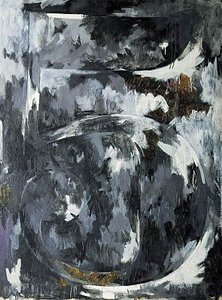
      Number του Τζάσπερ Τζονς
      #13

      Number

      A Study in Controlled Chaos: Exploring Abstract Form This captivating abstract work delves into the realm of internal landscapes, presenting a compelling visual dialogue between order and disruption.…

      Device του Τζάσπερ Τζονς
      #14

      Device

      In the vast landscape of American modernism, few works capture the quiet tension between the familiar and the abstract as poignantly as Jasper Johns’ Device. This mesmerizing composition…

      Corpse and Mirror II (1974) του Τζάσπερ Τζονς
      #15

      Corpse and Mirror II

      1974 · Art Institute of Chicago

      Structure and Surface A grid of nine rectangular panels organizes this 1974 composition. The work utilizes a limited palette of red, yellow, and blue against a stark white…

      Τέσσερα Εικαστικά Τμήματα από το Αမည်το C/D του Τζάσπερ Τζονς
      #16

      Τέσσερα Εικαστικά Τμήματα από το Αမည်το C/D

      Bechtler Museum of Modern Art

      Μια Συμφωνία Μονόχρωμου και ΦόρμαςΣτην ήσυχη, επιβλητική παρουσία του έργου Four Panels from Untitled C/D του Jasper Johns, εντοπίζεται ένα περίπλοκο αίνιγμα που ξεπερνά την απλή οπτική αναπαράσταση.…

      Untitled του Τζάσπερ Τζονς
      #17

      Untitled

      In the vast landscape of American postwar art, few works command the quiet, introspective power of Jasper Johns’ "Untitled." Completed in 1971, this masterpiece serves as a profound…

      Summer του Τζάσπερ Τζονς
      #18

      Summer

      In the vast landscape of American abstraction, few works possess the quiet, meditative gravity found in Jasper Johns’s 1985 masterpiece, Summer. This profound piece, held within the prestigious…

      Order and Disorder του Τζάσπερ Τζονς
      #19

      Order and Disorder

      Jasper Johns's ‘Order and Disorder’ is not merely a painting; it is a visual puzzle box, a playful yet profound meditation on the very foundations of language and…

      Painted Bronze του Τζάσπερ Τζονς
      #20

      Painted Bronze

      Jasper Johns' Painted Bronze, created in 1960 but cast and painted the following year, is deceptively simple. At first glance, it presents as two unassuming twelve-ounce beer cans…

      Green Angel του Τζάσπερ Τζονς
      #21

      Green Angel

      In the vast landscape of mid-20th-century American art, few works capture the electric tension between tradition and rebellion as poignantly as Jasper Johns’ “Green Angel.” At first glance,…

      Spring του Τζάσπερ Τζονς
      #22

      Spring

      In this evocative painting, we find ourselves immersed in a moment of profound atmospheric stillness. The composition centers on a solitary figure, a man seen from behind, standing…

      Gray numbers του Τζάσπερ Τζονς
      #23

      Gray numbers

      A Cipher of Modernity: Decoding Jasper Johns’ *Gray Numbers* Jasper Johns' *Gray Numbers*, created between 1958-61, is a pivotal work that encapsulates the artist’s groundbreaking exploration of representation…

      Scent του Τζάσπερ Τζονς
      #24

      Scent

      In the vast landscape of twentieth-century American art, few works possess the rhythmic vitality and sensory intrigue found in Jasper Johns’ “Scent.” Completed between 1975 and 1976, this…

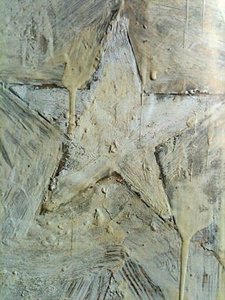
      Star του Τζάσπερ Τζονς
      #25

      Star

      The artwork, titled “Star,” features a star shape composed of several smaller stars arranged in an intricate pattern. The composition is characterized by a luminous yellow paint that…

      Figure του Τζάσπερ Τζονς
      #26

      Figure

      Art Institute of Chicago

      The painting is a colorful abstract piece of artwork featuring a red background with blue and yellow accents. The main focus of the painting appears to be a…

      Cicada του Τζάσπερ Τζονς
      #27

      Cicada

      Jasper Johns, born in Augusta, Georgia, in 1930, stands as a cornerstone of American art history—a figure who deftly navigated the turbulent currents between Abstract Expressionism and Pop…

      Tennyson (1959) του Τζάσπερ Τζονς
      #28

      Tennyson

      1959

      In the vast landscape of twentieth-century modernism, few works possess the haunting, meditative quality found in Jasper Johns’ “Tennyson,” completed in 1959. This monumental canvas serves as a…

      0 through 9 του Τζάσπερ Τζονς
      #29

      0 through 9

      Jasper Johns' "0 through 9" is more than just an abstract composition; it’s a meticulously constructed meditation on perception, symbolism, and the very nature of representation. Painted by…

      Διαμαρτυρημένο Φαράς σε πορτοκαλί πεδίο (1957) του Τζάσπερ Τζονς
      #30

      Διαμαρτυρημένο Φαράς σε πορτοκαλί πεδίο

      1957

      Μια τολμηρή δήλωση αμερικανικής ταυτότητας: Το *Flag on Orange Field* του Jasper Johns (1957) Θέμα και σύνθεση: Ένα εντυπωσιακό έργο τέχνης που παρουσιάζει μια κοντινή, σχεδόν αντιπαράθετική θέα…

      Fool's House του Τζάσπερ Τζονς
      #31

      Fool's House

      A single broom leans against a wall. The palette is stripped to blue and white, a cool arrangement that pulls the eye toward the central, mundane object. There…

      Perilous Night (1982) του Τζάσπερ Τζονς
      #32

      Perilous Night

      1982

      In the vast landscape of American postmodernism, few works command attention with such visceral complexity as Jasper Johns’ Perilous Night. Created in 1982, this monumental piece serves as…

      Gray alphabets του Τζάσπερ Τζονς
      #33

      Gray alphabets

      Jasper Johns' "Gray Alphabets," created in 1956, stands as a cornerstone of American Pop Art and a fascinating testament to the artist’s innovative approach to visual representation. More…

      Γκρι Αλφαβητάρια του Τζάσπερ Τζονς
      #34

      Γκρι Αλφαβητάρια

      Ο Jasper Johns, ένας από τους σημαντικότερους καλλιτέχνες της αμερικανικής μεταπολεμικής τέχνης, μας προσκαλεί σε μια βαθιά εξερεύνηση της γλώσσας, της αναπαράστασης και της ίδιας της φύσης της…

      Untitled του Τζάσπερ Τζονς
      #35

      Untitled

      Jasper Johns's *Untitled* is not merely a painting; it’s an invitation into a world where the familiar dissolves into abstraction, and perception itself becomes the subject. The artwork…

      Watchman του Τζάσπερ Τζονς
      #36

      Watchman

      Jasper Johns’ “Watchman”: A Quiet Revolution in Abstract Minimalism Jasper Johns' "Watchman," created in 1967, stands as a cornerstone of American art during the mid-century shift from Expressionism…

      Figure του Τζάσπερ Τζονς
      #37

      Figure

      In the pantheon of American twentieth-century art, few works possess the quiet, brooding intensity found in Jasper Johns’ Figure. Executed in 1959, this masterpiece serves as a profound…

      Τα Γκρι Αριθμοί του Τζάσπερ Τζονς
      #38

      Τα Γκρι Αριθμοί

      Γκρι Αριθμοί του Τζέιμς Νόλς Η εκθεσιακή αναδρομή των έργων του Τζέιμς Νόλς στο Μουσείο Σύγχρονης Τέχνης του Βοστώνης ήταν μια εντυπωσιακή επιτυχία που ανέδειξε την πρωτοποριακή προσπάθεια…

      Between the Clock and the Bed του Τζάσπερ Τζονς
      #39

      Between the Clock and the Bed

      In the vast landscape of American postmodernism, few works command attention with such quiet, structural intensity as Jasper Johns’s Between the Clock and the Bed. At first glance,…

      Racing Thoughts του Τζάσπερ Τζονς
      #40

      Racing Thoughts

      In the vast landscape of American postwar art, few works possess the psychological depth and intricate layering found in Jasper Johns’ 1983 masterpiece, Racing Thoughts. This is not…

      Target (1958) του Τζάσπερ Τζονς
      #41

      Target

      1958

      Jasper Johns’ 1958 painting, “Target,” is not merely a depiction of a red background punctuated with faces; it’s an unsettling meditation on perception, identity, and the very nature…

      Πράσινος Στόχος του Τζάσπερ Τζονς
      #42

      Πράσινος Στόχος

      Το έργο του Jasper Johns «Πράσινο Στόχο», δημιουργημένο το 1955, δεν είναι απλώς ένα ζωγραφισμένο πανί· αποτελεί μια κρίσιμη δήλωση στην εξελισσόμενη σκηνή της μεταπολεμικής αμερικανικής τέχνης. Προερχόμενο…

      Decoy ii του Τζάσπερ Τζονς
      #43

      Decoy ii

      In the quiet, shadowed realm of Decoy II, Jasper Johns invites the viewer into a profound dialogue between the tangible and the ephemeral. The painting presents a stark…

      Number του Τζάσπερ Τζονς
      #44

      Number

      In the vast landscape of twentieth-century abstraction, few works possess the quiet, commanding gravity of Jasper Johns’ “Number.” Created in 1966, this masterpiece serves as a profound meditation…

      Number and Alphabet του Τζάσπερ Τζονς
      #45

      Number and Alphabet

      Jasper Johns' "Number and Alphabet," a vibrant explosion of color and form, isn’t merely a depiction of the alphabet; it’s an invitation to delve into the core tenets…

      Numbers in Color του Τζάσπερ Τζονς
      #46

      Numbers in Color

      A Symphony of Numbers: Decoding Jasper Johns’ Abstract Vision Numbers in Color is a captivating work by American artist Jasper Johns, embodying the spirit of abstract expressionism while…

      Το Φθινόπωρο του Τζάσπερ Τζονς
      #47

      Το Φθινόπωρο

      Η Συλλογή του Παιδιού και η Αποτύπωση της Εποχής Η δημιουργία του Jasper Johns “Fall” αποτελεί ένα σημαντικό σταθμό στην ιστορία της σύγχρονης τέχνης των ΗΠΑ και μια…

      In the Studio του Τζάσπερ Τζονς
      #48

      In the Studio

      In the Studio – A Surreal Echo of Artistic Struggle The artwork, “In the Studio” by Jasper Johns, stands as a haunting meditation on creativity and isolation—a piece…

      Figure του Τζάσπερ Τζονς
      #49

      Figure

      Jasper Johns' "Figure," a painting that immediately commands attention with its central, oversized numeral two, is far more than a simple depiction of quantity. It’s a carefully constructed…

      Flags II του Τζάσπερ Τζονς
      #50

      Flags II

      Jasper Johns' "Flags II," created in 1967-70, stands as a cornerstone of Pop Art and Minimalist aesthetics—a deceptively simple canvas that belies a profound engagement with themes of…

      Arrive/Depart (1963) του Τζάσπερ Τζονς
      #51

      Arrive/Depart

      1963 · Bavarian State Painting Collections

      Arrive/Depart is a work created by the American artist Jasper Johns in 1963. Born in Augusta, Georgia, in 1930, Johns developed a practice that often utilized recognizable forms…

      Usuyuki (1977) του Τζάσπερ Τζονς
      #52

      Usuyuki

      1977 · Μουσείο Τέχνης Κλίβελαντ

      We are looking at Usuyuki, a work by the American artist Jasper Johns. Born in 1930, Johns has spent much of his career exploring the way we perceive…

      Painting with Two Balls του Τζάσπερ Τζονς
      #53

      Painting with Two Balls

      To stand before this piece is to be enveloped in a field of pure, unbridled color—a visual symphony set against a dramatic, passionate red ground. The composition immediately…

      Device (1961) του Τζάσπερ Τζονς
      #54

      Device

      1961 · Δελφικό Μουσείο Τέχνης
      Souvenir 2 του Τζάσπερ Τζονς
      #55

      Souvenir 2

      To stand before a work by Jasper Johns is to confront the familiar until it becomes utterly strange. In Souvenir 2, we are invited into an intimate still…

      Savarin monotype του Τζάσπερ Τζονς
      #56

      Savarin monotype

      Created in the mid-1960s, “Savarin monotype” sits squarely at the crossroads of two influential artistic movements. Johns’ work emerged during a period of intense debate about the role…

      Colored alphabet του Τζάσπερ Τζονς
      #57

      Colored alphabet

      Art Institute of Chicago

      Jasper Johns' "Colored Alphabet," created around 1959, stands as a deceptively simple yet profoundly complex work within the artist’s evolving body of exploration. This painting isn’t merely an…

      Numbers του Τζάσπερ Τζονς
      #58

      Numbers

      Jasper Johns' "Numbers" is more than just a colorful abstraction; it’s a meticulously crafted meditation on the nature of representation and the enduring power of symbols. Painted by…

      Four Panels from Untitled B/D του Τζάσπερ Τζονς
      #59

      Four Panels from Untitled B/D

      Bechtler Museum of Modern Art

      Jasper Johns' *Four Panels from Untitled B/D*, a work that exists primarily through photographic documentation, offers a compelling glimpse into the artist’s uniquely layered approach to representation. Born…

      Four Panels from Untitled D/D του Τζάσπερ Τζονς
      #60

      Four Panels from Untitled D/D

      Bechtler Museum of Modern Art

      Jasper Johns' *Four Panels from Untitled D/D*, a deceptively simple composition rendered in stark black and white, represents more than just a collection of geometric forms. It embodies…

      Εθνική σημαία πάνω από Άσπρο με Κολλάζ (1955) του Τζάσπερ Τζονς
      #61

      Εθνική σημαία πάνω από Άσπρο με Κολλάζ

      1955 · Whitney Museum of American Art

      Αποδόμηση του Αμερικανικού Εικονιδίου: Το «Εσήμαδι πάνω από το Λευκό με Κολλάζ» του Jasper Johns (1955) Ο Jasper Johns άλλαξε αναπότραστα τη ροή της τέχνης του 20ού αιώνα…

      Four Panels from Untitled A/D του Τζάσπερ Τζονς
      #62

      Four Panels from Untitled A/D

      Bechtler Museum of Modern Art

      Four Panels from Untitled A/D: An Exploration of Geometric Order Amidst Texture The artwork “Four Panels from Untitled A/D” by Jasper Johns presents a striking visual experience—a monochrome…

      Τζάσπερ Τζονς's canvases, period by period

      Pop Art

      1958 · 3 έργα σε αυτή τη λίστα

      What Τζάσπερ Τζονς painted most

      The four subjects that return most often on these canvases, each with its best-loved example.

      Where Τζάσπερ Τζονς's canvases hang

      Τα 6 μουσεία που φιλοξενούν το μεγαλύτερο μέρος των έργων σε αυτήν τη σελίδα.

      Μουσεία Πόλη Έργα του Τζάσπερ Τζονς Πάτρια από αυτή τη λίστα
      Art Institute of Chicago, ΣικάγκοArt Institute of Chicago Σικάγκο 4 Στόχος, Corpse and Mirror II, Figure
      Bechtler Museum of Modern Art, ΣαρλότBechtler Museum of Modern Art Σαρλότ 4 Τέσσερα Εικαστικά Τμήματα από το Αမည်το C/D, Four Panels from Untitled B/D, Four Panels from Untitled D/D
      Bavarian State Painting Collections, ΜόναχοBavarian State Painting Collections Μόναχο 1 Arrive/Depart
      Μουσείο Τέχνης Κλίβελαντ, ΚλίβελαντΜουσείο Τέχνης Κλίβελαντ Κλίβελαντ 1 Usuyuki
      Δελφικό Μουσείο Τέχνης, ΝτάλλαςΔελφικό Μουσείο Τέχνης Ντάλλας 1 Device
      Whitney Museum of American Art, Νέα ΥόρκηWhitney Museum of American Art Νέα Υόρκη 1 Εθνική σημαία πάνω από Άσπρο με Κολλάζ

      Τζάσπερ Τζονς's most famous canvas, decade after decade

      1. 1950s
        Ψευδής Αρχή (1959) του Τζάσπερ Τζονς
        Ranked 2 of 62

        Ψευδής Αρχή

        Ηλικία 20 – 29

        Η Εμφάνιση της Αποτυχίας: Μια Ματιά στο "False Start" του Jasper Johns Το “False Start” (1959) του Jasper Johns δεν είναι απλώς ένα έργο τέχνης – είναι μια…

      2. 1960s
        Στόχος (1961) του Τζάσπερ Τζονς
        6 of 62

        Στόχος

        Ηλικία 30 – 39 · Art Institute of Chicago

        Μια σειρά από συγκεντρικούς κύκλους καταλαμβάνει τον τετράγωνο καμβά, τραβώντας το βλέμμα προς ένα κεντρικό σημείο. Κόκκινες, μπλε και κίτρινες αλμάδες εκτείνονται προς τα έξω από το κέντρο,…

      3. 1970s
        Corpse and Mirror II (1974) του Τζάσπερ Τζονς
        Canvas 15 of 62

        Corpse and Mirror II

        Ηλικία 40 – 49 · Art Institute of Chicago

        Structure and Surface A grid of nine rectangular panels organizes this 1974 composition. The work utilizes a limited palette of red, yellow, and blue against a stark white…

      4. 1980s
        Perilous Night (1982) του Τζάσπερ Τζονς
        Canvas 32 of 62

        Perilous Night

        Ηλικία 50 – 59

        In the vast landscape of American postmodernism, few works command attention with such visceral complexity as Jasper Johns’ Perilous Night. Created in 1982, this monumental piece serves as…

      Τζάσπερ Τζονς's canvases, question by question

      Which canvas is Τζάσπερ Τζονς most remembered for?Read the answer

      Διαμαεδόν Περπατούμενο Φανάρι, followed by Ψευδής Αρχή (1959) and Θερμόμετρο (1959).

      What are Τζάσπερ Τζονς's ten most famous canvases?Read the answer

      Διαμαεδόν Περπατούμενο Φανάρι, Ψευδής Αρχή, Θερμόμετρο, Λευκό Φαλακρό, Χάρτης, Στόχος, Κύκλος-Συσκευή, 1959, Πράσινος Στόχος, Dancers on a Plane και Target with Plaster Casts. Each canvas in the ranking above comes with its year and its museum.

      How many paintings did Τζάσπερ Τζονς create?Read the answer

      63 works by Τζάσπερ Τζονς are in our catalogue, dated 1955 to 1982.

      Where do Τζάσπερ Τζονς's most famous canvases hang today?Read the answer

      Mostly in Art Institute of Chicago (Σικάγκο), Bechtler Museum of Modern Art (Σαρλότ) και Bavarian State Painting Collections (Μόναχο); the list above names each museum and its canvases.

      When did Τζάσπερ Τζονς paint the most famous canvases?Read the answer

      In 1950s, which gave 9 of the 62 works on this page, Ψευδής Αρχή among them.

      Which famous Τζάσπερ Τζονς canvas came first, and which came last?Read the answer

      The earliest canvas here is Λευκό Φαλακρό (1955); the latest is Perilous Night (1982).

      Which subjects did Τζάσπερ Τζονς paint most?Read the answer

      Iconography (15), Jasper johns (11) και American art (10), across the 62 works on this page.

      Which medium appears most in Τζάσπερ Τζονς's paintings?Read the answer

      Acrylic On Canvas, used in 19 of the 62 works on this page.

      Which movement is Τζάσπερ Τζονς associated with?Read the answer

      Neo-dada abstract expressionism και Αφηρημένος εκφραστισμός, as the canvases on this page show.

      Which paintings by Τζάσπερ Τζονς are held by the Art Institute of Chicago?Read the answer

      The Art Institute of Chicago, Σικάγκο holds 4 of the works on this page, among them Στόχος, Corpse and Mirror II και Figure.

      Meet the painter: Τζάσπερ Τζονς

      Early Life, Family and Training

      Jasper Johns was born on May 15, 1930, in Augusta, Georgia. His parents' marriage ended in divorce when he was very young, leading him to be raised in South Carolina. He spent much of his childhood in Allendale, South Carolina, living with his paternal grandparents. Later, he spent time with his mother and stepfather in Columbia, and eventually lived with his Aunt Gladys on Lake Murray. He began drawing at the age of three. By the time he reached high school, he was already focused on his craft, eventually graduating as the valedictorian of the class of 1947 from Edmunds High School in Sumter, South Carolina.

      His formal training began in the South. He attended the University of South Carolina at Columbia for three semesters. After leaving the university, he moved to New York City in 1949. There, he enrolled at the Parsons School of Design to continue his studies. He worked various odd jobs during these formative years, including a stint as a bookstore clerk, before his path was interrupted by the draft.

      Military Service and Return to New York

      The trajectory of his early years was interrupted in 1951 when he was drafted into the United States Army during the Korean War. This period of service took him away from the art schools of the East Coast and placed him in two very different settings. He spent time stationed at Fort Jackson in South Carolina before being sent to Sendai, Japan. These years of military duty provided a distance from the burgeoning art scene he had begun to navigate in New York.

      By the summer of 1953, he returned to New York City. The city was a place of transition, and he found work at Marboro Books. This period of employment allowed him to settle back into the urban environment, moving through the city's social and artistic layers. It was during these post-service months that he began to form the connections that would define his later practice, working alongside others in the city's lofts and studios.

      The Emergence of a New Visual Language

      By 1954, a shift had occurred in the way objects were handled on the canvas. Instead of the spontaneous, gestural marks that defined the era, there was a move toward things the mind already knows. This meant using symbols that required no explanation: flags, maps, targets, letters, and numbers. These were not illustrations of specific events, but rather recognizable forms used to explore how we perceive meaning. The work became a way to look at the act of seeing itself, using the familiar to question the nature of representation.

      This approach helped establish him as a central figure in the development of American postwar art. His first solo exhibition took place in 1958 at the Leo Castelli Gallery, where the presence of these common symbols first met a wider audience. The paintings did not try to escape the world through abstraction; they brought the world into the studio through these quiet, repetitive motifs. By stripping away the need for narrative, the focus shifted to the surface and the way a symbol functions as a visual code.

      Technique and Artistic Style

      The surface of a Johns painting often feels heavy and built up. He frequently used encaustic, a process where pigment is mixed with hot wax to create a thick, textured layer. This method allows for a physical depth that sits on the canvas, sometimes incorporating collage and newsprint directly into the wax. These layers do not suggest a quick, spontaneous gesture. Instead, the work shows a sense of conscious control. Every mark and shape seems placed with a specific intent, moving away from the messy, emotional drips seen in other mid-century styles. He preferred a more calculated approach to how an image is constructed.

      Beyond the canvas, his hand shows in many different ways. He moved between the heavy texture of encaustic and the precise, sharp lines of printmaking. His practice included lithography, screenprint, etching, and aquatint. These methods allowed him to repeat certain shapes and symbols with varied textures. He often used the same motifs—numbers, letters, or maps—to see how they changed when the method of application shifted. The work is about the way a viewer recognizes a shape and how that recognition changes when the surface is layered or fragmented.

      Key Works and Iconic Imagery

      The work often centers on things the mind already knows. In the mid-1950s, the painting Flag (1954–55) used a collage of the Stars and Stripes, layering newspaper with pigment. This approach turned a familiar symbol into a textured surface of wax and paper. The imagery moved from these large, flat symbols toward more concentrated forms. The target series followed, using the bullseye to question how a viewer perceives a simple shape. One such piece, Target with Four Faces (1958), placed faces within the red field, creating a sense of unease through their repetitive, expressionless arrangement.

      The focus on recognizable objects continued into the 1960s. The 1961 work Map used fragmented depictions of the United States to look at geography and identity. This period also saw a shift toward three-dimensional forms that mimicked everyday items. In 1960, the Painted Bronze (Beer Cans) series was produced. These sculptures were cast in bronze but painted to look exactly like the common objects they represented, blurring the line between a real object and a painted one.

      Circle of Influential Associates

      In the lofts of Manhattan, the air was thick with shared ideas and the quiet friction of proximity. Johns lived in adjacent apartments to Robert Rauschenberg, a relationship that was both romantic and artistic until 1961. They spent their days designing window displays for stores like Tiffany and Bonwit Teller, working side by side to transform the mundane into something else entirely. This closeness meant their work was constantly in conversation, a continuous exchange of thoughts and visual experiments that helped define a new direction for American art.

      The circle extended into the realms of sound and movement. Johns was close friends with the composer John Cage and the choreographer Merce Cunningham. These connections brought a different kind of rhythm to his thinking, one rooted in the avant-garde. He moved through a landscape where the boundaries between different disciplines were porous, influenced by the way Cage and Cunningham approached structure and chance. Even the ideas of Marcel Duchamp lingered in the background, providing a framework for questioning the very nature of what an object could represent when placed within a frame.

      Legacy and Enduring Influence

      The shift from the spontaneous, gestural marks of Abstract Expressionism toward the recognizable imagery of Pop Art happened in large part through his hands. By taking things the mind already knows—flags, targets, and numbers—and treating them as subjects for investigation, he changed how artists approached the canvas. This movement toward the everyday paved the way for the work of Andy Warhol and Roy Lichtenstein, who would later build upon these ideas of mass culture and commodity.

      His presence in the art world has been marked by significant recognition. He was awarded the Golden Lion at the Venice Biennale in 1988. Later, in 2011, he received the Presidential Medal of Freedom. These honors reflect a career spent questioning the nature of representation and the way symbols function in a changing society.

      Where to See the Works Today

      To see his paintings and sculptures in person, one might travel to New York City. The Museum of Modern Art holds several of his pieces, while the Whitney Museum of American Art and the Metropolitan Museum of Art also keep his work in their collections. These institutions house various stages of his development, from his early experiments with encaustic to his later explorations of the artist's studio.

      His presence extends beyond the United States. In London, the Tate Modern holds works that reflect his long-standing interest in how we perceive familiar symbols. Seeing these objects in such different settings allows for a closer look at how his use of texture and repetition changes under different lights.

      Όλα τα 63 έργα του Τζάσπερ Τζονς →