Ατελιέ — Δωρεάν αποστολή σε όλο τον κόσμο — Παράδοση σε 2–6 εβδομάδες

      Post-impressionist, master by master

      The 88 Greatest Post-impressionist Καλλιτέχνες

      Among the Post-impressionist καλλιτέχνες, Βίνσεντ Βαν Γκογκ (1853–1890) holds the first place, celebrated for Η Νύχτα Πλούσια Στα Άστρα (Νέα Υόρκη, MoMA) και Λουλουδένια (Louloudenia). Πωλ Σεζάν, Πωλ Γκωγκέν, Ανρί ντε Τουλούζ-Λωτρέκ και Πωλ Σινιάκ follow. The catalogue spans 88 masters, from George Henry (born 1828) to Yuri Ivanovych Khymych (born 1928), across 34 countries.

      About this catalogue. This catalogue gathers the artists whose works our collection records as Post-impressionist, ordered by our fame ranking. Artists born after 1955 with no Wikidata record await verification. Beside each name, the number of our 32 languages in which Wikipedia devotes an article to the artist.

      1. Η Νύχτα Πλούσια Στα Άστρα (Νέα Υόρκη, MoMA) του Βίνσεντ Βαν Γκογκ1Βίνσεντ Βαν Γκογκ
      2. Μονή του Sainte-Victoire που βλέπεται από την εξοχική λατομεία Bibemus του Πωλ Σεζάν2Πωλ Σεζάν
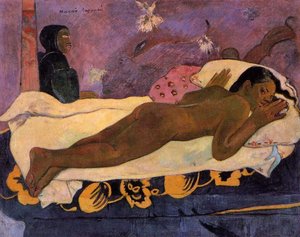
      3. Από πού ερχόμαστε; Τι είμαστε; Πού πάμε; του Πωλ Γκωγκέν3Πωλ Γκωγκέν

      The collection in brief

      Post-impressionist: the collection in brief

      • 88Καλλιτέχνες
      • 1828–1928Έτη γέννησης
      • 34Χώρες γέννησης
      • 4Γυναίκες
      • 17.657Έργα στον κατάλογό μας
      Πόλεις με τον μεγαλύτερο αριθμό γεννήσεων
      Παρίσι (3), Ζούντερτ (2), Βουδαπέστη (2), Λονδίνο (2)
      Μουσεία που διαθέτουν τα περισσότερα σημαντικά έργα
      Musée d'Orsay (8), Μουσείο Βαν Γκογκ (3), MoMA - Museum of Modern Art (3), Art Institute of Chicago (3)
      Οι γυναίκες αυτής της λίστας
      Σουζάν Βαλάντον, Amrita Sher-Gil, Εμίλι Κάρρ, Anna Ostroumova-Lebedeva

      Master by master

      The catalogue: 88 Post-impressionist Καλλιτέχνες

      1of 88

      Βίνσεντ Βαν Γκογκ

      Ολλανδός Born in Ζούντερτ Post-Impressionιστής Wikipedia, 32 of 32 languages

      Βίνσεντ Βαν Γκογκ

      The city brought him into contact with the Impressionist and Post-Impressionist movements, shifting his focus away from the dark, heavy tones of his earlier years. He spent time absorbing the techniques of masters like Monet, Renoir, and Pissarro. The weight of his influence became clear in the early 20th century.

      On view at To see the physical traces of his brushwork, one can travel to several specific collections.

      Principal works · The hundred celebrated works

      2of 88

      Πωλ Σεζάν

      Γάλλος Born in Αιξ-αν-Προβάνς Μεταϊμπρεσιονισμός Wikipedia, 32 of 32 languages

      Πωλ Σεζάν

      The move to Paris in 1862 marked a period of both struggle and essential exposure. The rejection from the École des Beaux-Arts was a setback, yet it led him to the Académie Suisse, where he could continue his development away from the rigid constraints of the academy. Both Picasso and Matisse recognized the weight of his contribution, with the former famously referring to him as the father of us all.

      On view at The physical presence of his vision remains scattered across several major institutions, allowing the viewer to trace his evolution from the dark, expressive brushwork of his youth to the structured clarity of his later years.

      Principal works · The hundred celebrated works

      3of 88

      Πωλ Γκωγκέν

      Γάλλος Born in Παρίσι ['Μετα-Ιμπρεσιονισμός', 'Συμβολισμός', 'Συνθετισμός', 'Πρωιτιβισμός'] Wikipedia, 32 of 32 languages

      Πωλ Γκωγκέν

      The years between 1886 and 1891 were marked by a restless search for a visual language that could transcend mere observation. While he had been influenced by the works of Camille Pissarro and Paul Cézanne, he found himself increasingly drawn toward the more structured and symbolic approaches of the Synthetists and Symbolist groups. By prioritizing the expression of internal meaning over the accurate depiction of the external world, he helped shift the focus of the French avant-garde toward a more subjective, symbolic language.

      On view at In Paris, the Musée d'Orsay preserves a significant portion of his output, offering a glimpse into the evolution of his color and form.

      Principal works · The hundred celebrated works

      6of 88

      Πιερ Μπονάρ

      Γάλλος Born in Φοντεναί-ω-Ροζ Μετα-Ιμπρεσιονισμός, Ιντιμισμός, Les Nabis Wikipedia, 27 of 32 languages

      Πιερ Μπονάρ

      He became a founding member of Les Nabis, a group of artists who sought to move beyond mere representation. He was a leading figure in the transition from Impressionism to Modernism, navigating the space between the fleeting light of the previous generation and the more structured, subjective explorations of the new century. La Vielle Femme, l’Enfant, et la Bassett (1927).

      On view at The physical presence of Bonnard’s vision remains scattered across several major institutions, allowing his specific approach to light and domesticity to be studied in various contexts.

      Principal works · The hundred celebrated works

      10of 88

      Εντουάρ Βιγιάρ

      French Born in Κουιζώ Les Nabis, Intimism Wikipedia, 23 of 32 languages

      Εντουάρ Βιγιάρ

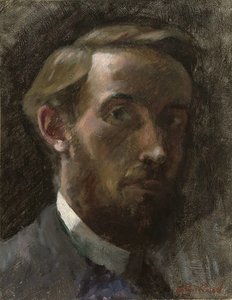
      Jean-Édouard Vuillard was born on 11 November 1868 in Cuiseaux, France. He joined the studio of Diogène Maillart, located in the former workspace of Eugène Delacroix on Place Fürstenberg. His tenure as a prominent member of the Nabis, a group of post-impressionist artists, allowed him to experiment with a visual language that prioritized subjective experience over mere imitation.

      On view at The quiet, patterned interiors that defined his career are preserved in several major international collections.

      Principal works · The hundred celebrated works

      11of 88

      Amrita Sher-Gil

      Ουγγρο-Ινдійη Born in Βουδαπέστη Σύγχρονη Ινδική τέχνη, Αβανγκάρντ Wikipedia, 20 of 32 languages

      Amrita Sher-Gil

      Young Girls (1932): Ένα καθοριστικό πρώιμο έργο που της απέδωσε διεθνή αναγνώριση. Self Portrait (7): Επιδεικνύει το εξελισσόμενο στυλ της και την εξερεύνηση της ταυτότητας. Sleep (1933): Ένα συγκινητικό γυμνό πορτρέτο που αντανακλά την μοναδική καλλιτεχνική της οπτική.

      Principal works · The hundred celebrated works

      12of 88

      Μορίς Ουτριλό

      Γάλλος Born in 18ο δημοτικό διαμέρισμα του Παρισιού Μετα-Επιρροή, Σχολή του Παρισιού Wikipedia, 25 of 32 languages

      Μορίς Ουτριλό

      Around 1909, Utrillo entered a distinctive phase of his work known as the "White Period." During these years, his approach to the canvas became deeply physical. This method allowed him to capture the weathered walls and timeworn facades of the Montmartre streets he knew so well. Utrillo remains a singular figure in the history of the School of Paris, largely because he was one of the few notable painters of Montmartre who was actually born and raised within the district.

      On view at To experience the quiet, textured streets of Montmartre through his eyes, one can travel to several major institutions.

      Principal works · The hundred celebrated works

      14of 88

      Τόμας Θόρντον

      Καναδός Born in Κλαρέμοντ Καντονική Μοντέρνα Wikipedia, 18 of 32 languages

      Τόμας Θόρντον

      Principal works · The hundred celebrated works

      17of 88

      Πωλ Σερουζιέ

      Γάλλος Born in Παρίσι Μετα-επιρρεασματισμός, Ναμπίς, Συνθετισμός Wikipedia, 21 of 32 languages

      Πωλ Σερουζιέ

      Sérusier’s approach to the canvas was a deliberate departure from the pursuit of realistic depth. In works like Celtic Tale (1894), this method produces an arresting visual effect through the use of intensified colors.

      On view at It holds The Talisman, the work that defined his early departure from academicism.

      Principal works · The hundred celebrated works

      18of 88

      Ηνρί Εδμοντ Κρός

      Γάλλος Born in Ντουαί Νέο-Εντυπωσιασμός Wikipedia, 21 of 32 languages

      Ηνρί Εδμοντ Κρός

      The Washerwoman: Επιδεικνύει την τεχνητεία του στο Pointillism και τον Διαχωρισμό, απεικονίζοντας μια σκηνή της καθημερινής ζωής με ζωντανό χρώμα και δυναμική σύνθεση.

      Principal works · The hundred celebrated works

      25of 88

      Μοΐζ Κισλίνγκ

      Ελληνο-Γάλλος Born in Κρακοβία Ποστ-ιμπρεσιονισμός, Έκφρασιασμός Wikipedia, 19 of 32 languages

      Μοΐζ Κισλίνγκ

      Principal works · The hundred celebrated works

      27of 88

      Πωλ Ρανσόν

      Γάλλος Born in Λιμόζ Μεταϋπρερισμός Wikipedia, 16 of 32 languages

      Πωλ Ρανσόν

      The Witch in Her Circle: Μια βαθιά έκφραση της ικανότητάς του να χρησιμοποιεί συμβολική εικόνεια και ρυθμικά μοτίβα για να προκαλέσει μια αίσθηση τελετουργικού μυστηρίου.

      Principal works · The hundred celebrated works

      30of 88

      Ζωζέφ Ρίππλ-Ρόναι

      Ουγγρική Born in Κάποσβαρ ['Ιμπρεσιονισμός', 'Ποσταίμπερσονισμός', 'Σύμβολισμός'] Wikipedia, 15 of 32 languages

      Ζωζέφ Ρίππλ-Ρόναι

      Principal works · The hundred celebrated works

      31of 88

      George Henry

      Scottish Glasgow Boys

      George Henry

      Born in Irvine, Scotland, in 1858, Henry became a cornerstone of the influential Glasgow Boys movement, a group of rebellious young artists who sought to break free from the stifling constraints of academic realism. The foundations of Henry’s aesthetic were laid during his formative years at the Glasgow School of Art. He is now recognized not just as a regional painter, but as a pioneer who helped bridge the gap between traditional Scottish painting and the modern European avant-garde.

      Principal works · The hundred celebrated works

      37of 88

      Nicolas Tarkhoff

      Russian/French ['Impressionism', 'Post-Impressionism', 'Fauvism']

      Nicolas Tarkhoff

      Nicolas Alexandrovich Tarkhoff, born in Moscow on January 20, 1871, emerged from a family of prosperous merchants—a background that initially seemed destined for commerce rather than canvas. He briefly fulfilled military obligations before finding employment with the Brest-Litovsk Railways—a period of deferment before fully embracing his artistic calling. He initially settled in Munich before permanently relocating to the French capital in November 1898.

      Principal works · The hundred celebrated works

      39of 88

      Σάρλ Κοτέ

      French Born in Λε Πουί-αν-Βελαί Post-Impressionism, Symbolism, Pont-Aven School, Bande Noire Wikipedia, 12 of 32 languages

      Σάρλ Κοτέ

      Douleur (γνωστό και ως Les victimes de la mer, Musée d'Orsay, 1908-09). Petit village au pied de la falaise, Musée Malraux, Le Havre (1905). View of Venice from the sea, The Hermitage, Αγία Πετρούπολη (1896).

      Principal works · The hundred celebrated works

      40of 88

      Κλαύδιος Σχούφενεκέρ

      Γάλλος Born in Φρεν-Σαιν-Μαμέ Ιμπρασιονισμός Wikipedia, 12 of 32 languages

      Κλαύδιος Σχούφενεκέρ

      Following the untimely death of his father, Nicolas Schuffenecker—a tailor from Guewenheim (Alsace)—in 1854, he and his brother Amédée faced significant economic challenges as their mother relocated to Meudon, near Paris, where her family resided. Similarly, "Paysage Landscape" exemplifies his ability to distill complex visual information into evocative representations of nature—a testament to his artistic prowess and reflecting the broader Symbolist preoccupation with exploring inner landscapes alongside external vistas.

      Principal works · The hundred celebrated works

      44of 88

      Ιγόρ Γκράμπαρ

      Ρώσος Born in Βούδα Μετα-επιρρεαστισμός Wikipedia, 16 of 32 languages

      Ιγόρ Γκράμπαρ

      This role evolved as the political landscape shifted, and he eventually served as the Head of the State Tretyakov Gallery from 1918 to 1925. Beyond the classroom, he took on the responsibility of directing the Scientific Research Institute of Art History at the Academy of Sciences. He remained at the top of the Soviet art establishment until his death on May 16, 1960.

      On view at His paintings can be found in several major collections across Russia and Ukraine.

      Principal works · The hundred celebrated works

      53of 88

      Albert André

      French Born in 2nd arrondissement of Lyon Post-Impressionism Wikipedia, 7 of 32 languages

      Albert André

      André’s influence extends beyond his own artistic output. His meticulous study of Renoir's work and his dedication to preserving the artist's legacy resulted in one of the most comprehensive and insightful biographies of Renoir ever written—a testament to André’s deep appreciation for his friend and mentor. He wasn't a painter who sought fame or recognition; his primary motivation was to capture the beauty and complexity of the world around him—particularly the intimate corners of domestic life.

      Principal works · The hundred celebrated works

      56of 88

      David Jandi

      Hungarian Impressionism & Post-Impressionism

      David Jandi

      Despite this influence, Jandi skillfully blended tonal considerations with Impressionistic color harmonies, resulting in paintings that possessed both depth and luminosity. Notable Subjects: Jandi’s artistic output focused primarily on Hungarian landscapes, particularly those surrounding Nagybánya (Bathory), where he established his studio. Although overshadowed by more celebrated contemporaries, Jandi’s contribution to Hungarian art history is undeniable—he represents a crucial bridge between Impressionism and tonal painting, embodying the spirit of artistic exploration during Hungary's Belle Époque.

      Principal works · The hundred celebrated works

      57of 88

      Φρανσίσκο Ιτουρρίνο

      Ισπανούς Born in Σανταντέρ Μεσοποστεϊμισμός και Φαυβισμός Wikipedia, 7 of 32 languages

      Φρανσίσκο Ιτουρρίνο

      Principal works · The hundred celebrated works

      58of 88

      Charles-François-Prosper Guérin

      French Born in Sens Post-Impressionism Wikipedia, 9 of 32 languages

      Charles-François-Prosper Guérin

      Intimate Still Lifes where everyday objects were transformed through light and color;. Through mediums like oil and pastel, Guérin explored themes of memory and emotion, ensuring that his legacy remains a vital and vibrant chapter in the history of French Post-Impressionism. Born into the artistic heartbeat of Paris in 1875, Charles-François Guérin carried the weight of a profound creative inheritance.

      Principal works · The hundred celebrated works

      59of 88

      Emmanuel Zairis

      Greek Realism, Impressionism

      Emmanuel Zairis

      He spent considerable time there, capturing scenes from the Trinità dei Monti – the iconic church overlooking the city – and other bustling corners of the Eternal City. The influence of Roman art is evident in Zairis’s compositions, his use of light and shadow, and his meticulous attention to detail. Works like “ The Old Egg Seller ” exemplify this style—a solitary figure bathed in sunlight, conveying both resilience and vulnerability.

      Principal works · The hundred celebrated works

      61of 88

      Μάρκ Γερτλέρ

      Βρετανός Born in Λονδίνος Μετά την ιμπρασιαντισμό και αρχικός μοντερνισμός Wikipedia, 7 of 32 languages

      Μάρκ Γερτλέρ

      Gertler’s approach mirrored the broader artistic currents of his time—a period marked by experimentation and a rejection of academic conventions. He skillfully blended Impressionistic techniques with elements of Expressionism, resulting in a unique visual language that distinguished him from his contemporaries.

      Principal works · The hundred celebrated works

      66of 88

      William Henry Margetson

      British Born in Denmark Hill Victorian Elegance & Post-Impressionism Wikipedia, 4 of 32 languages

      William Henry Margetson

      William Henry Margetson, born in Camberwell, Surrey, in December 1861, was a painter whose career unfolded across the shifting tides of Victorian and early 20th-century British art. His journey began with formal training at Dulwich College, followed by studies at the prestigious Royal College of Art and the Royal Academy Schools – a path typical for aspiring artists of his time, yet one he navigated with distinct talent and sensitivity.

      Principal works · The hundred celebrated works

      67of 88

      Filippo De Pisis

      Italian Born in Ferrara Post-Impressionism Wikipedia, 8 of 32 languages

      Filippo De Pisis

      His legacy is found in: The fusion of poetry and painting: Proving that visual art can be as lyrical and metaphorically rich as the written word. He remains a celebrated figure in the annals of Italian art, remembered not just as a painter of scenes, but as a chronicler of the ephemeral soul. Despite the disruptions of World War II and his eventual return to Italy, De Pisis never lost the cosmopolitan spirit that had defined his youth.

      Principal works · The hundred celebrated works

      68of 88

      Henry Ottmann

      French Born in Ancenis Impressionism/Post-Impressionism Wikipedia, 6 of 32 languages

      Henry Ottmann

      Ottmann’s artistic output was remarkably diverse, encompassing sensitive portraits, intimate nudes, vibrant still lifes, and evocative scenes of modern life. His portraiture stands out for its ability to capture not just the likeness but also the inner character of his subjects. Exhibiting alongside these masters at the Galerie Paul Durand-Ruel in 1911 and 1912 allowed Ottmann to absorb their techniques and stylistic approaches firsthand.

      Principal works · The hundred celebrated works

      72of 88

      Anna Ostroumova-Lebedeva

      Russian Born in Saint Petersburg Watercolor painting; Woodcut technique Wikipedia, 9 of 32 languages

      Anna Ostroumova-Lebedeva

      As a member of the influential Mir iskusstva (World of Art) group and later The Four Arts association, she remained at the heart of the modernist movement, advocating for an aesthetic that valued beauty, craftsmanship, and historical continuity.

      Principal works · The hundred celebrated works

      73of 88

      Yuriy Khymych

      Yuriy Khymych

      His canvases are characterized by bold brushstrokes, vibrant color palettes dominated by yellows, blues, and greens – the colors of the Ukrainian flag – and a dynamic interplay of light and shadow. This isn’t an abandonment of realism, but rather a transformation of it; Khymych seeks to convey the emotional truth of his subjects through poetic abstraction. He also demonstrates an affinity for the bold color palettes and expressive brushwork of Vincent van Gogh and the post-impressionists.

      Principal works · The hundred celebrated works

      74of 88

      Βεργέλιας Πόρ

      Ουγγρικός Born in Βουδαπέστη Μοντερνισμός, Φαβώτισμος, Κυβισμός Wikipedia, 5 of 32 languages

      Βεργέλιας Πόρ

      Pór's artistic journey took a decisive turn upon his return to Hungary with his involvement in “The Eight” (Nyolcak), a collective of artists who dared to challenge the conservative dominance of the Hungarian art establishment. Notable Works: Bulls, The Family, Margitka, Proletarians of the World, Unite!

      Principal works · The hundred celebrated works

      75of 88

      Χέιλι Λίвър

      Australian/American Born in Αδେλαιδά Post-Impressionism Wikipedia, 4 of 32 languages

      Χέιλι Λίвър

      Ives in 1906 marked a period of personal stability that coincided with an intensification of his artistic exploration, culminating in the evocative “ Van Gogh’s Hospital, Holland” series of 1908—a clear indication of the profound influence Van Gogh's expressive use of color and emotion had on his developing style.

      Principal works · The hundred celebrated works

      76of 88

      Liu Kang

      Born in Henan

      Liu Kang

      He moved away from strict realism towards a more emotive representation of his subjects. Southeast Asian Focus: A defining characteristic of his work is the focus on scenes depicting life in Southeast Asia – capturing everyday moments, cultural practices, and landscapes with sensitivity and warmth. Shi Kai’s Impact: The artist Shi Kai is identified as a significant influence on Liu Kang's artistic development.

      Principal works · The hundred celebrated works

      79of 88

      William Penhallow Henderson

      American Born in Medford Post-Impressionism Wikipedia, 3 of 32 languages

      William Penhallow Henderson

      His imaginative and often surreal designs for productions like “Alice in Wonderland” (1915) showcased a remarkable versatility and a willingness to experiment with unconventional materials and techniques. The costumes he created – particularly ‘ Two of Spades,’ a striking clown ensemble—were bold, expressive, and deeply rooted in the spirit of the story. He drew inspiration from a diverse range of sources, including the works of J.M.W.

      Principal works · The hundred celebrated works

      80of 88

      Julio Vila y Prades

      Spanish Born in Valencia Post-Impressionism Wikipedia, 4 of 32 languages

      Julio Vila y Prades

      Born in Valencia in 1873, his life was a journey through the vibrant landscapes of Spain and the sweeping vistas of Latin America, leaving behind a body of work that serves as a window into a bygone era.

      Principal works · The hundred celebrated works

      81of 88

      Malcolm Drummond

      British Born in Maidenhead Post-Impressionism, Camden Town Group Wikipedia, 3 of 32 languages

      Malcolm Drummond

      The tensions within the group, particularly surrounding Sickert’s relationships, ultimately led to its dissolution, but it served as a crucial incubator for artistic experimentation and innovation. His paintings of interiors—densely packed rooms filled with furniture, figures, and a palpable sense of atmosphere—are particularly compelling, offering glimpses into the lives of ordinary Londoners. During this period, he produced some of his most memorable works, including depictions of the Hammersmith Palais de Danse and the London Law Courts – scenes that capture the energy and dynamism of early 20th-century London.

      Principal works · The hundred celebrated works

      84of 88

      Jozsef Nemes Lamperth

      Hungarian Born in Budapest Post-Impressionism, Secessionism Wikipedia, 1 of 32 languages

      Jozsef Nemes Lamperth

      Born in Budapest, Hungary, in 1891, József Nemes Lamperth’s life was tragically cut short at the young age of thirty-three. Influenced by artists like Vincent van Gogh, Paul Gauguin, and the German Expressionists, Lamperth embraced a subjective approach to artmaking, prioritizing emotional intensity over strict representation. The Memorial Exhibition held at the Hungarian National Gallery in 2014, titled “The Painter and the Museum,” served as a crucial step in recognizing his contribution to the country’s artistic heritage.

      Principal works · The hundred celebrated works

      87of 88

      Theophrastos Triantafyllidis

      Greek Born in İzmir Impressionism, Post-Impressionism, Expressionism Wikipedia, 1 of 32 languages

      Theophrastos Triantafyllidis

      Photographer: Impressionistic watercolor captures a nostalgic scene of an artist & children. Bathers on the boat: An evocative oil painting blending expressionism & impressionism, capturing a moment of transition with fluid forms and atmospheric depth. Triantafyllidis’s artistic vision was profoundly shaped by the Impressionist movement, spearheaded by artists like Monet and Renoir.

      Principal works · The hundred celebrated works

      88of 88

      Theodor Kern

      Austrian Born in Salzburg Impressionism Wikipedia, 1 of 32 languages

      Theodor Kern

      As his training progressed through the Fine Art Academy in Vienna, Kern began to develop a command over draftsmanship that would later allow him to transition seamlessly between the delicate precision of religious frescoes and the expansive, sweeping vistas of the natural world.

      Principal works · The hundred celebrated works

      Plates

      Celebrated Post-impressionist paintings

      1. Η Νύχτα Πλούσια Στα Άστρα (Νέα Υόρκη, MoMA) του Βίνσεντ Βαν Γκογκ

        Η Νύχτα Πλούσια Στα Άστρα (Νέα Υόρκη, MoMA)

        Βίνσεντ Βαν Γκογκ

        1889 · MoMA - Museum of Modern Art, Νέα Υόρκη

      2. Μονή του Sainte-Victoire που βλέπεται από την εξοχική λατομεία Bibemus του Πωλ Σεζάν

        Μονή του Sainte-Victoire που βλέπεται από την εξοχική λατομεία Bibemus

        Πωλ Σεζάν

        1897 · Baltimore Museum of Art, Βαλτιμόρη

      3. Από πού ερχόμαστε; Τι είμαστε; Πού πάμε; του Πωλ Γκωγκέν

        Από πού ερχόμαστε; Τι είμαστε; Πού πάμε;

        Πωλ Γκωγκέν

        1897 · Μουσείο Τέχνης Βοστώνης, Μπόσττον

      4. La Goulue et Valentin του Ανρί ντε Τουλούζ-Λωτρέκ

        La Goulue et Valentin

        Ανρί ντε Τουλούζ-Λωτρέκ

        1894

      5. La Valleuse, Port-en-Bessin του Πωλ Σινιάκ

        La Valleuse, Port-en-Bessin

        Πωλ Σινιάκ

        1884 · Μουσείο Kröller-Müller, Otterlo

      6. Νύφη του Πιερ Μπονάρ

        Νύφη

        Πιερ Μπονάρ

        1920

      7. Iron Bridges at Asnières του Εμίλ Μπερνάρ

        Iron Bridges at Asnières

        Εμίλ Μπερνάρ

        1887 · MoMA - Museum of Modern Art, Νέα Υόρκη

      8. Nu à la draperie blanche Nu debout του Σουζάν Βαλάντον

        Nu à la draperie blanche Nu debout

        Σουζάν Βαλάντον

      Chronology

      A Post-impressionist chronology in paintings

      1. 1884
      2. 1887
      3. 1888
      4. 1888
      5. 1889
      6. 1891
      7. 1894
      8. 1895
      9. 1897
      10. 1899
      11. 1899
      12. 1904
      13. 1910
      14. 1917

      Notes and figures

      The catalogue in figures

      Χώρα γέννησης
      Γαλλία20
      Ηνωμένο Βασίλειο9
      France4
      Ολλανδία3
      Ουγγαρία3
      Καναδάς3
      Βέλγιο3
      Italy3
      Έτος γέννησης
      1820s1
      1830s1
      1840s1
      1850s11
      1860s25
      1870s20
      1880s12
      1890s7
      1900s3
      1910s2
      1920s3
      Μουσεία που διαθέτουν τα σημαντικότερα έργα τους
      Musée d'Orsay8
      Μουσείο Βαν Γκογκ3
      MoMA - Museum of Modern Art3
      Art Institute of Chicago3
      Tate Gallery3
      Bayerische Staatsgemaldesammlungen2
      Γκαλερί Κουάρτλουντ2
      Ferens Art Gallery2

      Index of artists

      List of the 88 Post-impressionist καλλιτέχνες

      1. 1Βίνσεντ Βαν ΓκογκΒίνσεντ Βαν ΓκογκΟλλανδός · 1853–1890
      2. 2Πωλ ΣεζάνΠωλ ΣεζάνΓάλλος · 1839–1906
      3. 3Πωλ ΓκωγκένΠωλ ΓκωγκένΓάλλος · 1848–1903
      4. 4Ανρί ντε Τουλούζ-ΛωτρέκΑνρί ντε Τουλούζ-ΛωτρέκFrench · 1864–1901
      5. 5Πωλ ΣινιάκΠωλ ΣινιάκΓάλλος · 1863–1935
      6. 6Πιερ ΜπονάρΠιερ ΜπονάρΓάλλος · 1867–1947
      7. 7Εμίλ ΜπερνάρΕμίλ ΜπερνάρΓαλλική · 1868–1941
      8. 8Σουζάν ΒαλάντονΣουζάν ΒαλάντονΓάλλος · 1865–1938
      9. 9Μωρίς ΝτενίΜωρίς ΝτενίΓάλλος · 1870–1943
      10. 10Εντουάρ ΒιγιάρΕντουάρ ΒιγιάρFrench · 1868–1940
      11. 11Amrita Sher-GilAmrita Sher-GilΟυγγρο-Ινдійη · 1913–1941
      12. 12Μορίς ΟυτριλόΜορίς ΟυτριλόΓάλλος · 1883–1955
      13. 13Φελίξ ΒαλότονΦελίξ ΒαλότονΕλβετός και Γάλλος · 1865–1925
      14. 14Τόμας ΘόρντονΤόμας ΘόρντονΚαναδός · 1877–1917
      15. 15Εμίλι ΚάρρΕμίλι ΚάρρΚαναδός · 1871–1945
      16. 16Τζοβάννι ΣεγκαντίνιΤζοβάννι ΣεγκαντίνιΙταλός · 1858–1899
      17. 17Πωλ ΣερουζιέΠωλ ΣερουζιέΓάλλος · 1864–1927
      18. 18Ηνρί Εδμοντ ΚρόςΗνρί Εδμοντ ΚρόςΓάλλος · 1856–1910
      19. 19Τέο φαν ΡισελμπέργκεΤέο φαν ΡισελμπέργκεΒελγιοςέζος · 1862–1926
      20. 20Βάλτερ ΣίκερτΒάλτερ ΣίκερτΒρετανός · 1860–1942
      21. 21Ρότζερ ΦράιΡότζερ ΦράιΒρετανός · 1866–1934
      22. 22Τίβανταρ Τσόντβαρι ΚόστκαΤίβανταρ Τσόντβαρι ΚόστκαΟυγγρικός · 1853–1919
      23. 23Τζους Βινσέντ Ντε ΦοςΤζους Βινσέντ Ντε ΦοςΟλλανδός · 1853–1890
      24. 24Δούκας ΓκράντΔούκας ΓκράντΣκωτσέζος · 1885–1978
      25. 25Μοΐζ ΚισλίνγκΜοΐζ ΚισλίνγκΕλληνο-Γάλλος · 1891–1953
      26. 26Έντουαρντ ΣίγκαΈντουαρντ ΣίγκαΒρετανός · 1910–1974
      27. 27Πωλ ΡανσόνΠωλ ΡανσόνΓάλλος · 1861–1909
      28. 28Δαβίδ Βαβίλοβιτς ΒούρλιουκΔαβίδ Βαβίλοβιτς ΒούρλιουκΡωσικός/Ουκρανός · 1882–1967
      29. 29Ηνρί ΛεμπασκΗνρί ΛεμπασκΓάλλος · 1865–1937
      30. 30Ζωζέφ Ρίππλ-ΡόναιΖωζέφ Ρίππλ-ΡόναιΟυγγρική · 1861–1927
      31. 31George HenryGeorge HenryScottish · 1828–1895
      32. 32Μαξίμ Εμίλ Λουί ΜαφράΜαξίμ Εμίλ Λουί ΜαφράΓάλλος · 1861–1918
      33. 33Ροδρίκος Ο’ΚονόρΡοδρίκος Ο’ΚονόρΙρλανδός · 1860–1940
      34. 34Χάρλης Βαν ντεν ΈικενΧάρλης Βαν ντεν ΈικενΒελγιοςος · 1859–1923
      35. 35Αυγουστίνος Εδβιν ΤζόουνΑυγουστίνος Εδβιν ΤζόουνΒρετανός · 1878–1961
      36. 36Ζζορζ ΛεμμανΖζορζ ΛεμμανΒελγικός · 1865–1916
      37. 37Nicolas TarkhoffNicolas TarkhoffRussian/French · 1871–1930
      38. 38Γιαν ΣлуйτερςΓιαν ΣлуйτερςΟλλανδός · 1881–1957
      39. 39Σάρλ ΚοτέΣάρλ ΚοτέFrench · 1863–1925
      40. 40Κλαύδιος ΣχούφενεκέρΚλαύδιος ΣχούφενεκέρΓάλλος · 1851–1934
      41. 41Ρότζερ Έλι엇 ΦράιΡότζερ Έλι엇 ΦράιΒρετανός · 1866–1934
      42. 42Φράνκ ΜπράμλεϊΦράνκ ΜπράμλεϊΑγγλικός · 1857–1915
      43. 43Σπένσερ Φρέντερικ ΓκορΣπένσερ Φρέντερικ ΓκορΒρετανός · 1878–1914
      44. 44Ιγόρ ΓκράμπαρΙγόρ ΓκράμπαρΡώσος · 1871–1960
      45. 45Σάμιουελ ΠέπλοΣάμιουελ Πέπλο1871–1935
      46. 46Herbert F RoyleHerbert F RoyleBritish · 1870–1958
      47. 47Μεντάρδο ΡόσοΜεντάρδο ΡόσοΙταλός, Γάλλος · 1858–1928
      48. 48Henry LambHenry LambΒρετανός · 1883–1960
      49. 49Μάουρις ΠρέντεργκαστΜάουρις ΠρέντεργκαστNewfoundlander-American · 1858–1924
      50. 50Γουσταύβ ΛωίζόουΓουσταύβ Λωίζόου1865–1935
      51. 51Yuri Ivanovych KhymychYuri Ivanovych KhymychUkrainian · 1928–2003
      52. 52Κωνσταντίνος ΓιουνΚωνσταντίνος ΓιουνΡώσσος · 1875–1958
      53. 53Albert AndréAlbert AndréFrench · 1869–1954
      54. 54Charles Langton LocktonCharles Langton LocktonBritish · 1856–1932
      55. 55Ζωρζ Ντ ΕσπανιάΖωρζ Ντ ΕσπανιάΓάλλος · 1870–1950
      56. 56David JandiDavid JandiHungarian · 1893–1944
      57. 57Φρανσίσκο ΙτουρρίνοΦρανσίσκο ΙτουρρίνοΙσπανούς · 1864–1924
      58. 58Charles-François-Prosper GuérinCharles-François-Prosper GuérinFrench · 1875–1939
      59. 59Emmanuel ZairisEmmanuel ZairisGreek · 1878–1948
      60. 60Konstantin GorbatovKonstantin GorbatovRussian · 1876–1945
      61. 61Μάρκ ΓερτλέρΜάρκ ΓερτλέρΒρετανός · 1891–1939
      62. 62James Dickson InnesJames Dickson InnesΒρετανός · 1887–1914
      63. 63Εδουάρδος ΚορτέζςΕδουάρδος ΚορτέζςΓάλλος · 1882–1969
      64. 64Κωνσταντίνος ΜαλέαςΚωνσταντίνος Μαλέας1879–1928
      65. 65Jules Alexandre GrunJules Alexandre GrunFrench · 1868–1938
      66. 66William Henry MargetsonWilliam Henry MargetsonBritish · 1861–1940
      67. 67Filippo De PisisFilippo De PisisItalian · 1896–1956
      68. 68Henry OttmannHenry OttmannFrench · 1877–1927
      69. 69Έρνεστ ΖόμπολεΈρνεστ ΖόμπολεΟυαλীয়ος · 1927–1999
      70. 70Άλεν ΤάκερΆλεν ΤάκερΑμερικανός · 1866–1939
      71. 71Antonio SicurezzaAntonio SicurezzaItalian · 1905–1979
      72. 72Anna Ostroumova-LebedevaAnna Ostroumova-LebedevaRussian · 1871–1955
      73. 73Yuriy KhymychYuriy Khymych
      74. 74Βεργέλιας ΠόρΒεργέλιας ΠόρΟυγγρικός · 1880–1964
      75. 75Χέιλι ΛίвърΧέιλι ΛίвърAustralian/American · 1876–1958
      76. 76Liu KangLiu Kang
      77. 77Eduardo Afonso VianaEduardo Afonso VianaSpanish · 1881–1967
      78. 78Φικρέτ ΜουαλάΦικρέτ ΜουαλάFrench · 1903–1967
      79. 79William Penhallow HendersonWilliam Penhallow HendersonAmerican · 1877–1943
      80. 80Julio Vila y PradesJulio Vila y PradesSpanish · 1873–1930
      81. 81Malcolm DrummondMalcolm DrummondBritish · 1880–1945
      82. 82Μπέρναρντ ΜενίνσκιΜπέρναρντ ΜενίνσκιΒρετανός · 1891–1950
      83. 83Παναγιώτης ΤέτσηςΠαναγιώτης ΤέτσηςΈλληνας · 1925–2016
      84. 84Jozsef Nemes LamperthJozsef Nemes LamperthHungarian · 1891–1924
      85. 85Ζοσέ Μομπού ΝτενκαούσεΖοσέ Μομπού ΝτενκαούσεΙσπανός · 1888–1968
      86. 86Τσαρλς Έρνεστ ΚαντάλΤσαρλς Έρνεστ ΚαντάλΒρετανός · 1890–1971
      87. 87Theophrastos TriantafyllidisTheophrastos TriantafyllidisGreek · 1881–1955
      88. 88Theodor KernTheodor KernAustrian · 1900–1969

      The visitor asks

      Frequently asked questions

      Reading room

      Essays on TopImpressionists.com

      Further rooms

      Continue the visit