Ατελιέ — Δωρεάν αποστολή σε όλο τον κόσμο — Παράδοση σε 2–6 εβδομάδες
      Γουίλιαμ Χόγκαρθ, 1697 – 1764

      Τα 100 πιο διάσημα έργα του Γουίλιαμ Χόγκαρθ

      Το έργο Πλάκε 1, από την Εξορία του Κουρέα είναι το ποίτισμα για το οποίο ο Γουίλιαμ Χόγκαρθ είναι πιο γνωστός. Ο Πλάτη έξι, από την Πρόοδο του Κόμπαρα και ο Gin Lane (1750) συμπληρώνουν το τρίο των πιο αγαπητών καμβάδων. Ο κατάλογός μας περιλαμβάνει 307 έργα του Γουίλιαμ Χόγκαρθ. Ακολουθούν τα 100 πιο διάσημα, με την χρονολογία, το μουσείο και την ιστορία κάθε καμβά.

      Καταταγίζονται με βάση το σκορ δημοφιλίας μας, το οποίο συνδυάζει τις αναζητήσεις, τις επισκέψεις και τις παραγγελίες για κάθε έργο. Ενημερώθηκε Οκτώβριος 2026. Κάθε έργο σε αυτήν τη σελίδα μπορεί να παραγγελθεί ως χειροποίητη αναπαραγωγή σε λάδι πάνω σε καμβά από λινό, ή ως μια εκτύπωση fine art, σε οποιοδήποτε μέγεθος επιλέξετε.

      Πορτρέτο του Γουίλιαμ Χόγκαρθ
      Γουίλιαμ Χόγκαρθ · 1697 – 1764
      Γεννημένος · πεθνημένος
      1697 – 1764, Λονδίνο
      Έργα στον κατάλογό μας
      307
      Τα πιο διάσημα
      Πλάκε 1, από την Εξορία του Κουρέα
      Πολλές εργασίες στο
      Sir John Soane's Museum

      Τα δέκα πιο αγαπημένα έργα του Γουίλιαμ Χόγκαρθ

      Πλάκε 1, από την Εξορία του Κουρέα του Γουίλιαμ Χόγκαρθ
      1

      Πλάκε 1, από την Εξορία του Κουρέα

      Αντάλγιο

      Το "Plate one, from A Rake's Progress" δεν είναι απλώς μια εκτύπωση, αλλά μια ρετρόσφαιρα που μας μεταφέρει στην καρδιά της Λονδίνης του 18ου αιώνα. Δημιουργημένο από τον William Hogarth, έναν καλλιτέχνη γνωστό για την πεισματική του προσπάθεια να καταγράψει και να κρίνει την κοινωνία του, αυτό το έργο αποτελεί μια έντονη ματιά στην παρακμή της ακολασίας και την αλόγιστη διαδρομή προς την καταστροφή. Η σκηνή που απεικονίζεται – ένας…

      Πλάτη έξι, από την Πρόοδο του Κόμπαρα του Γουίλιαμ Χόγκαρθ
      2

      Πλάτη έξι, από την Πρόοδο του Κόμπαρα

      Αντάλγιο

      Η «Plate Six από την «Αποσχιστική Πρόοδο»» (The Rake’s Progress) του William Hogarth δεν είναι απλώς μια εκτύπωση, αλλά ένα ζωντανό στιγμιότυπο της κοινωνίας και των ηθικών της αμαρτιών στην Αγγλία του 18ου αιώνα. Αυτή η λεπτομερώς σχεδιασμένη χαρακτική, με την έντονη μαύρο-λευκή παλέτα και τις περίπλοκες τεχνικές χάραξης, μας οδηγεί σε ένα χαοτικό και παράλογο σκηνικό μέσα σε μια ταβέρνα. Η εικόνα αυτή, που ανήκει στην διάσημη σειρά έργων…

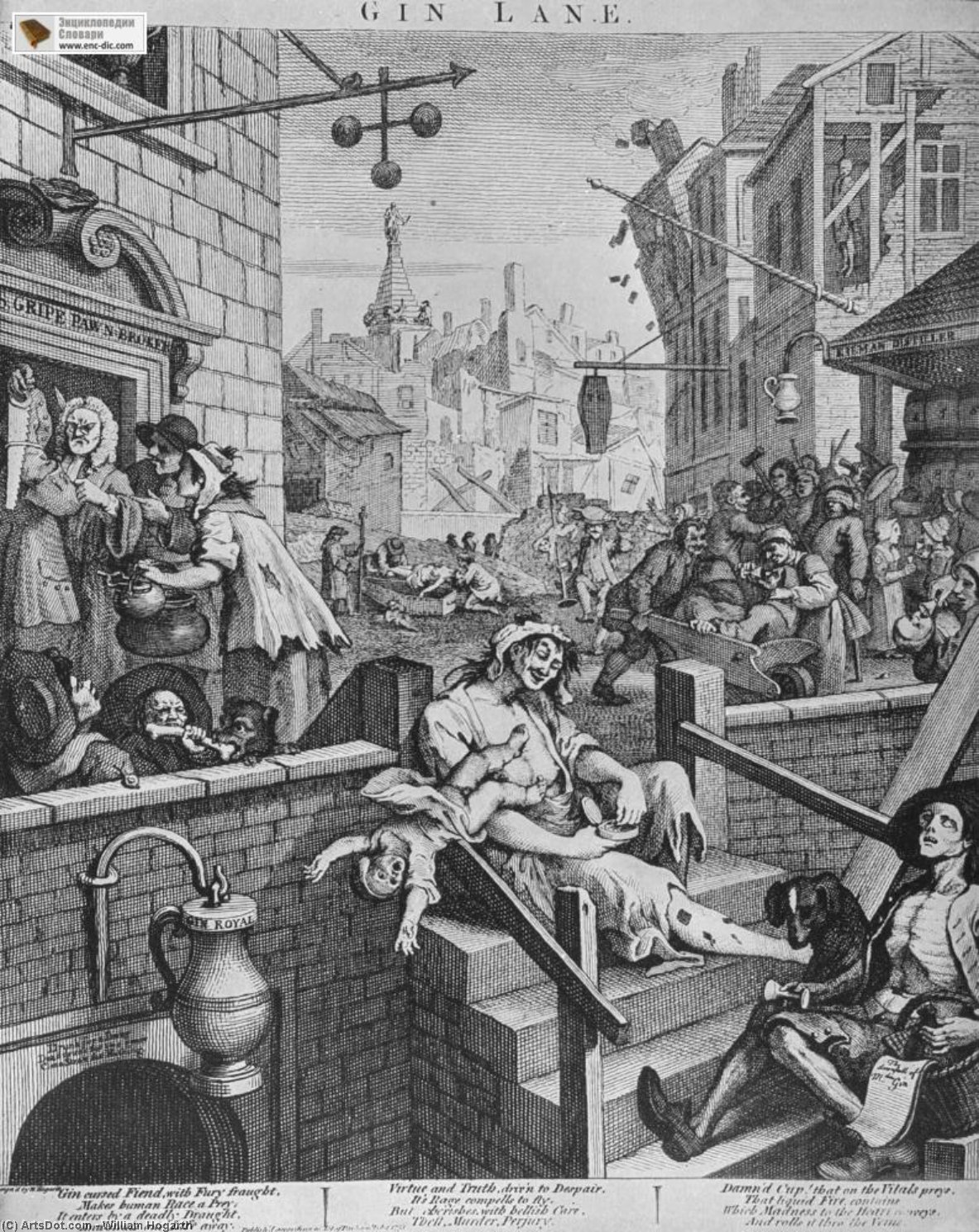
      Gin Lane (1750) του Γουίλιαμ Χόγκαρθ
      3

      Gin Lane

      1750 · Engraving

      In the heart of 18th-century London, amidst the swirling fog and the growing shadows of social upheaval, William Hogarth captured a moment of profound human tragedy that continues to haunt the viewer centuries later. His masterpiece, Gin Lane, is far more than a mere engraving; it is a visceral, breathing chronicle of a city in the throes of moral and physical decay. Completed in 1751, this work serves as a…

      The Marriage Contract (1745) του Γουίλιαμ Χόγκαρθ
      4

      The Marriage Contract

      1745 · Acrylic On Canvas

      A Window Into Georgian Society In the heart of 1745, William Hogarth captured more than a mere domestic arrangement; he froze a pivotal moment of social negotiation in "The Marriage Contract." This meticulously crafted tableau invites the viewer into a room thick with the palpable anxieties and lofty aspirations of Georgian England. As we gaze upon the central table where a man proposes to his prospective bride, we are not…

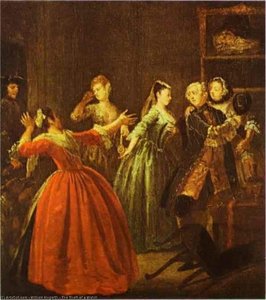
      Το Δείπνο (1755) του Γουίλιαμ Χόγκαρθ
      5

      Το Δείπνο

      1755 · Άνθρακα και λάδι σε καμβά · Sir John Soane's Museum, Λονδίνο

      A Revelrous Scene of 18th-Century Life: Unpacking William Hogarth’s *The Banquet* (1755) William Hogarth’s *The Banquet*, painted in 1755, is a vibrant and densely populated oil painting that offers a fascinating glimpse into the social customs of Georgian England. Measuring 101 x 127 cm, this large-scale work isn't merely a depiction of a feast; it’s a carefully constructed commentary on society, indulgence, and the often-chaotic nature of human interaction. Subject…

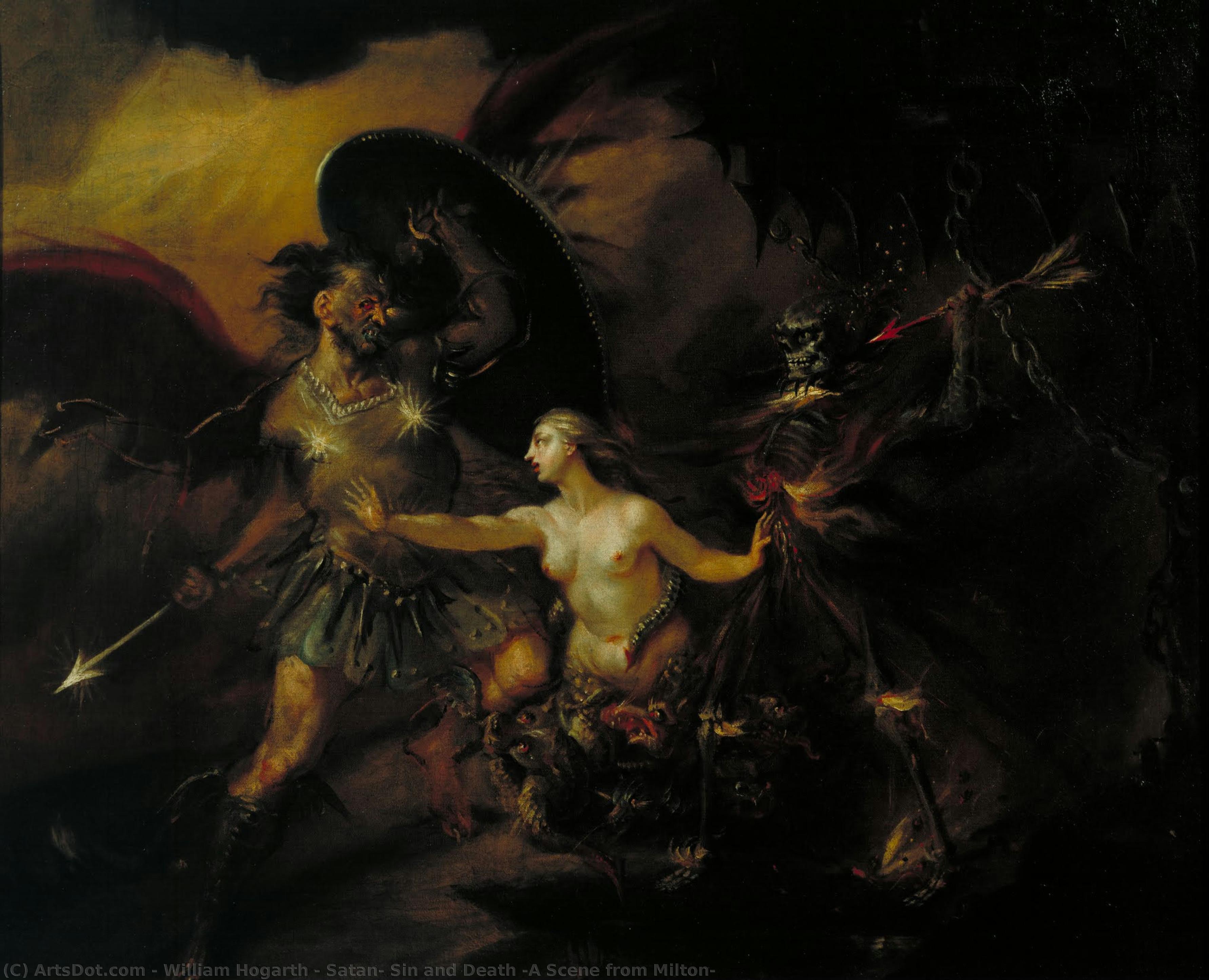
      Σατανάς, Αμαρτία και Θάνατος (Μια Σκηνή από τον Μίλτον) (1735) του Γουίλιαμ Χόγκαρθ
      6

      Σατανάς, Αμαρτία και Θάνατος (Μια Σκηνή από τον Μίλτον)

      1735 · Άνθρακα και λάδι σε καμβά · Tate Britain, Λονδίνο

      Το έργο «Σατανάς, Αμαρτία και Θάνατος» του William Hogarth, που ζωγραφίστηκε το 1735, είναι πολύ περισσότερο από μια απλή επικοινωνία με το επικό ποίημα του John Milton, *Paradise Lost*; είναι μια προσεκτικά διαρραγμένη ηθική αλληγορία που βυθίζει τον θεατή σε έναν κόσμο đầyραψης, συνεπειών και αιώνιας σύγκρουσης. Αυτό το α𝘅όν על καμβά, το οποίο φιλοξενείται επί του παρόντος στη Tate Britain στο Λονδίνο, με διαστάσεις 74 x 61 εκ., προσφέρει…

      The Painter and his Pug (1745) του Γουίλιαμ Χόγκαρθ
      7

      The Painter and his Pug

      1745 · Oil On Canvas · Tate Gallery, Λονδίνο

      A Portrait of Intimacy: William Hogarth’s ‘The Painter and his Pug’ Subject & Composition: This captivating 1745 portrait by William Hogarth offers a charmingly informal glimpse into the artist's personal life. It depicts Hogarth himself, seated and gazing directly at the viewer, accompanied by his beloved pug, Trump. The composition is remarkably balanced; Hogarth occupies the central space while Trump rests comfortably to his right, creating an intimate and relaxed…

      Η Αυτοκοντωσία της Κύβουλης του Γουίλιαμ Χόγκαρθ
      8

      Η Αυτοκοντωσία της Κύβουλης

      Άνθρακα και λάδι σε καμβά

      Η Σκοτεινή Πτώση της Κοντέσσα και η Κριτική του Κοσμικού Αρχιτεκτονικού Ορισμού Η σκηνή που παρουσιάζει ο Γουίλιαμ Χόγαρθ στην ζωγραφική του «Η Σκοτεινή Πτώση της Κοντέσσας» αποτελεί μια συγκλονιστική έκφραση της κοινωνικής παρακμίας του Αρχαίου Βρετανικού πολιτισμού και ένα κορυφαίο σημείο στο έργο του καλλιτέχνη ως ιστορικό θεατρικό έργο. Δημιουργημένη μεταξύ των ετών 1743 και 1745, η ζωγραφική αυτή αποτελεί την τελειαία κατακλείδα μιας ιστορίας που διερευνά τις καταστροφικές…

      The Four Times of Day: Night (1738) του Γουίλιαμ Χόγκαρθ
      9

      The Four Times of Day: Night

      1738 · Acrylic On Canvas · Μουσείο Τέχνης Κλίβελαντ, Κλίβελαντ

      William Hogarth's "The Four Times of Day: Night," painted in 1738, isn’t merely a depiction of a London street scene; it’s a meticulously crafted window into the social and moral landscape of eighteenth-century England. This remarkable work, now immortalized through WahooArt’s hand-painted reproductions, captures a moment of revelry – or perhaps reckless abandon – with an unparalleled level of detail and satirical observation that defines Hogarth's unique artistic legacy. The…

      A Harlot's Progress: Quarrels with her Jewish Protector (1743) του Γουίλιαμ Χόγκαρθ
      10

      A Harlot's Progress: Quarrels with her Jewish Protector

      1743 · Oil On Canvas · Ascott House, Leighton Buzzard

      The room holds a sudden, sharp noise. A tea-table tilts, porcelain clatters, and the heavy weight of an argument settles over the fine fabrics. Mary, known as Moll Hackabout, moves with a violent intent, her arm a decisive line against the opulent interior. She kicks at the furniture to draw eyes away from the doorway, where a lover slips quietly into the shadows. A black serving boy stands near, a…

      Γουίλιαμ Χόγκαρθ: πίνακες από 11 έως 100 της κατάταξης

      Αυτοφωτογράφισμα (1757) του Γουίλιαμ Χόγκαρθ
      #11

      Αυτοφωτογράφισμα

      1757 · Εθνική Πορτραίτητος Γκαλερί

      Το Αυτοφωτογράφισμα του William Hogarth, που ζωγραφίστηκε το 1757, προσφέρει ένα μαγευτικό παράθυρο στη ζωή και την καλλιτεχνική πρακτική ενός από τους σημαντικότερους καλλιτέχνες της Βρετανίας. Αυτό το…

      Φέρτε αυτό το φως στο σπίτι σας →
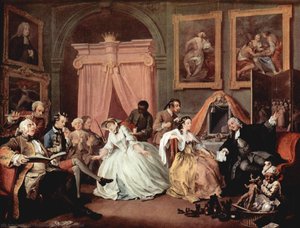
      Marriage à la Mode (1743) του Γουίλιαμ Χόγκαρθ
      #16

      Marriage à la Mode

      1743 · Εθνική Πινακοθήκη Λονδίνου

      Στο μεγαλειώδες χιτώνα της βρετανικής τέχνης του δεκα osią พันτού αιώνα, λίγα έργα κατέχουν το δαπανηρό χιούμορ και το αφηγηματικό βάθος του Marriage à la Mode του William…

      Φέρτε αυτό το φως στο σπίτι σας →
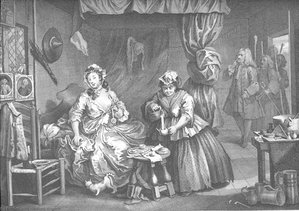
      Διαδρόμος Πρώτος από την Επανάσταση του Ρακέ και τον Κύριο Σοάνε του Γουίλιαμ Χόγκαρθ
      #17

      Διαδρόμος Πρώτος από την Επανάσταση του Ρακέ και τον Κύριο Σοάνε

      Πίνακας Δύο από την Προσπέραση του Ρακέδων Η σκηνή: Μια Συλλογή Ευγένειας Βυθιστείτε στην ζωντανή κοινωνική ζωή της Αγγλίας του Αρχαίου Χρόνου μέσω αυτού του περίπλοκου χαρακτήρα από…

      Φέρτε αυτό το φως στο σπίτι σας →

      Οι καμβάδες του Γουίλιαμ Χόγκαρθ, εποχή προς εποχή

      Τι ζωγράφισε περισσότερο ο Γουίλιαμ Χόγκαρθ

      Τα τέσσερα θέματα που εμφανίζονται πιο συχνά σε αυτές τις καμβάδες, το καθένα με το αγαπημένο του παράδειγμα.

      Εκεί που εκτίθενται οι καμβάδες του Γουίλιαμ Χόγκαρθ

      Τα 8 μουσεία που φιλοξενούν το μεγαλύτερο μέρος των έργων σε αυτήν τη σελίδα.

      Μουσεία Πόλη Έργα του Γουίλιαμ Χόγκαρθ Πάτρια από αυτή τη λίστα
      Sir John Soane's Museum, ΛονδίνοSir John Soane's Museum Λονδίνο 14 Το Δείπνο, Soliciting Votes, The heir
      Yale Center for British Art, New HavenYale Center for British Art New Haven 11 The Beggar's Opera, The Family of John, 2nd Duke of Montagu and an attendant, William Augustus, Duke of Cumberland
      Εθνική Γκαλερί της Ιρλανδίας, ΔουβλίνοΕθνική Γκαλερί της Ιρλανδίας Δουβλίνο 7 Self-Portrait, The Mackinen Children
      Upton House, ΜπάνμπεριUpton House Μπάνμπερι 3 The Four Times of Day: Night, Gerard Anne Edwards Hamilton (1732–1773) in his Cradle
      Ascott House, Leighton BuzzardAscott House Leighton Buzzard 2 A Harlot's Progress: Quarrels with her Jewish Protector, An Unknown Lady, possibly Miss Woodley, later Mrs Henry Vaughan (not Mrs Jane Hogarth)
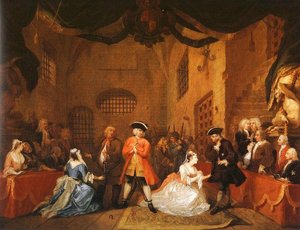
      Εθνική Πινακοθήκη Τέχνης, ΟυάσινγκτονΕθνική Πινακοθήκη Τέχνης Ουάσινγκτον 2 A Scene from The Beggar's Opera, A Scene from the Beggar's Opera
      Εθνική Πινακοθήκη Λονδίνου, ΛονδίνοΕθνική Πινακοθήκη Λονδίνου Λονδίνο 9 Marriage à la Mode
      Fitzwilliam MuseumFitzwilliam Museum 9 A prisoner of the Fleet being examined before a committee of the House of Commons

      Το πιο διάσημο καμβά του Γουίλιαμ Χόγκαρθ, δεκαετία μετά τη δεκαετία

      1. 1720s
        A Scene from The Beggar's Opera (1729) του Γουίλιαμ Χόγκαρθ
        Λεβεντάδες 14 από 100

        A Scene from The Beggar's Opera

        Ηλικία 23 – 32 · Εθνική Πινακοθήκη Τέχνης

        William Hogarth's "A Scene from The Beggar’s Opera," painted in 1729, isn’t merely a depiction of a theatrical performance; it’s a meticulously crafted snapshot of 18th-century London life…

      2. 1730s
      3. 1740s
        The Marriage Contract (1745) του Γουίλιαμ Χόγκαρθ
        Κατάταξη 4 από 100

        The Marriage Contract

        Ηλικία 43 – 52

        A Window Into Georgian Society In the heart of 1745, William Hogarth captured more than a mere domestic arrangement; he froze a pivotal moment of social negotiation in…

      4. 1750s
        Gin Lane (1750) του Γουίλιαμ Χόγκαρθ
        Λεβεντάδες 3 από 100

        Gin Lane

        Ηλικία 53 – 62

        In the heart of 18th-century London, amidst the swirling fog and the growing shadows of social upheaval, William Hogarth captured a moment of profound human tragedy that continues…

      5. 1760s
        The Times, plate 2 (1763) του Γουίλιαμ Χόγκαρθ
        22 από 100

        The Times, plate 2

        Ηλικία 63 – 67

        The Pulse of an Era: London Unveiled In the year 1763, as the gears of the Industrial Revolution began to turn and the streets of London swelled with…

      Οι καμβάδες του Γουίλιαμ Χόγκαρθ, ερώτηση προς ερώτηση

      Για ποια καμβάς είναι πιο γνωστός ο Γουίλιαμ Χόγκαρθ;Διαβάστε την απάντηση

      Πλάκε 1, από την Εξορία του Κουρέα, ακολουθούμενο από το Πλάτη έξι, από την Πρόοδο του Κόμπαρα και το Gin Lane (1750).

      Ποια είναι τα δέκα πιο διάσημα έργα του Γουίλιαμ Χόγκαρθ;Διαβάστε την απάντηση

      Πλάκε 1, από την Εξορία του Κουρέα, Πλάτη έξι, από την Πρόοδο του Κόμπαρα, Gin Lane, The Marriage Contract, Το Δείπνο, Σατανάς, Αμαρτία και Θάνατος (Μια Σκηνή από τον Μίλτον), The Painter and his Pug, Η Αυτοκοντωσία της Κύβουλης, The Four Times of Day: Night και A Harlot's Progress: Quarrels with her Jewish Protector. Κάθε καμβάς στον παραπάνω κατάραχο συνοδεύεται από το έτος και το μουσείο του.

      Πόσα έργα δημιούργησε ο/η Γουίλιαμ Χόγκαρθ;Διαβάστε την απάντηση

      Στον κατάλογό μας υπάρχουν 307 έργα του Γουίλιαμ Χόγκαρθ, με ημερομηνίες από 1721 έως 1763.

      Πού εκτίθενται σήμερα τα πιο διάσημα έργα του Γουίλιαμ Χόγκαρθ;Διαβάστε την απάντηση

      Κυρίως στα Sir John Soane's Museum (Λονδίνο), Yale Center for British Art (New Haven) και Εθνική Γκαλερί της Ιρλανδίας (Δουβλίνο); η παραπάνω λίστα αναφέρει κάθε μουσείο και τα έργα του.

      Πότε δημιούργησε ο/η Γουίλιαμ Χόγκαρθ τα πιο διάσημα έργα του/της;Διαβάστε την απάντηση

      Στην 1740s, η οποία περιλαμβάνει 18 από τα 100 έργα σε αυτήν τη σελίδα, με The Marriage Contract ανάμεσα σε αυτά.

      Ποιο διάσημο καμβά από τον Γουίλιαμ Χόγκαρθ δημιούργησε πρώτο και ποιον τελευταίο;Διαβάστε την απάντηση

      Το παλαιότερο καμβάς εδώ είναι του Emblematical print of the South Sea Scheme (1721), ενώ ο νεότερος είναι του The Times, plate 2 (1763).

      Ποια θέματα ζωγράφισε περισσότερο ο Γουίλιαμ Χόγκαρθ;Διαβάστε την απάντηση

      Social commentary (28), 18th century (27) και Satire (26), σε συνολικά 100 έργα σε αυτήν τη σελίδα.

      Ποια τεχνική εμφανίζεται πιο συχνά στα έργα του Γουίλιαμ Χόγκαρθ;Διαβάστε την απάντηση

      Acrylic On Canvas, που χρησιμοποιείται σε 29 από τα 100 έργα σε αυτήν τη σελίδα.

      Ποια έργα του Γουίλιαμ Χόγκαρθ βρίσκονται στο Sir John Soane's Museum;Διαβάστε την απάντηση

      Το Sir John Soane's Museum, Λονδίνο διαθέτει 5 από τα έργα σε αυτήν τη σελίδα, μεταξύ των οποίων τα Το Δείπνο, Soliciting Votes και The heir.

      Πού μπορώ να αγοράσω μια αναπαραγωγή ενός έργου του Γουίλιαμ Χόγκαρθ;Διαβάστε την απάντηση

      Ναι. Κάθε έργο σε αυτήν τη σελίδα μπορεί να παραγγελθεί από τη δική του σελίδα ως χειροποίητη αναπαραγωγή σε λάδι ή ως εκτύπωση fine art, στο μέγεθος που επιλέξετε.

      Γνωρίστε τον ζωγράφο: Γουίλιαμ Χόγκαρθ

      The Life of William Hogarth

      London, 1697. The air in Bartholomew Close is thick with the sounds of a growing metropolis. Here, William Hogarth enters a world of precarious stability. His father, Richard Hogarth, struggles to make a living as a Latin schoolmaster and textbook writer. The family's finances fluctuate; at one point, Richard faces the harsh reality of imprisonment for debt in the Fleet Prison. This early exposure to the instability of urban life leaves a mark. William Hogarth grows up watching the gap between the social classes, a perspective that will eventually define his career as a painter, engraver, satirist, cartoonist, and writer.

      The boy's path is not one of inherited wealth or easy patronage. Instead, it is a life shaped by the grit of the city. He moves through the streets of London, observing the characters that populate the coffee houses and the fairs. His mother, Anne Gibbons, provides the domestic anchor to a life often marked by the economic shifts of the era. By the time he begins to make his mark, he is already a man of many disciplines, using ink and paint to dissect the very society that raised him.

      Early Life, Family and Training

      London, 1697. The son of Richard Hogarth, a Latin schoolmaster and occasional writer, William grows up amidst the shifting fortunes of a man struggling to maintain a footing in the city. The instability of the household takes a sharp turn when Richard is imprisoned in the Fleet Prison for five years due to unpaid debts. This period of hardship, marked by the precariousness of the family's finances, leaves a lasting impression on the young observer of the metropolis.

      By 1714, the focus shifts to the technicalities of craft. Hogarth enters an apprenticeship with Ellis Gamble, a gold and silver engraver operating in Leicester Fields. He learns the precision required for trade cards and similar products, developing a fundamental command of the copper plate. This technical grounding provides the tools for a career that will eventually move beyond mere commercial reproduction.

      The trajectory changes as he moves toward formal artistic study. In 1720, he enrolls at the St Martin's Lane Academy. His training expands further under Sir James Thornhill, the serjeant painter to George I. Under Thornhill, the focus shifts from the small-scale precision of engraving to the broader complexities of painting and composition. He moves from the meticulous work of a craftsman toward the grander scale of fine art.

      Technique and Artistic Style

      Hogarth moves between the precision of realistic portraiture and the rapid, sequential energy of comic strip-like series. He does not merely paint; he constructs narratives. This approach finds its peak in his development of "modern moral subjects," a method where he uses visual storytelling to critique the social fabric. He treats the canvas and the copper plate as stages for unfolding drama, often utilizing a blend of humor and biting satire to drive his points home.

      The technical foundation of his work lies in his mastery of engraving. He understands the weight of a line and the power of a print to reach a mass audience. In 1753, he shifts from the visual to the theoretical with the publication of his Analysis of Beauty. Here, he moves beyond mere observation to codify his aesthetic theories, specifically stressing the importance of the "serpentine line" as a fundamental principle of beauty and movement.

      Key Works and Series

      The narrative power of his work finds its peak in the "modern moral subjects," a series of paintings designed to function like visual novels. In 1731/1732, A Harlot's Progress traces the tragic downfall of a young woman arriving in London, only to succumb to the city's temptations. This pattern of social descent continues in 1735 with A Rake's Progress, which follows Tom Rakewell as he squanders an inheritance on gambling and debauchery. These works do not merely depict scenes; they chart the consequences of moral decay through meticulous detail and symbolic elements.

      The focus shifts from individual ruin to the collision of social classes in the series Marriage A-la-Mode, produced between 1743 and 1745. Here, the artist skewers the disastrous results of arranged marriages and the pursuit of status. The tension between the opulent interiors of the wealthy and the squalid realities of the poor becomes a recurring theme. Even in his later years, the commentary remains sharp. In 1748, O the Roast Beef of Old England addresses national identity, while 1750's The March of the Guards to Finchley presents a chaotic, boisterous view of military life, contrasting disciplined ranks in the distance with the raucous behavior of soldiers in the foreground.

      Legacy and Lasting Impact

      The 18th century sees the emergence of a distinctly British school of art, a movement helped into being by Hogarth's refusal to rely on Continental models. He moves beyond the mere imitation of foreign styles to establish a visual language rooted in the streets of London. This shift is significant; he becomes the most important English artist of his generation. His influence is so pervasive that the term "Hogarthian" enters the lexicon to describe his specific brand of satirical observation.

      The commercial reality of his success brings a new kind of conflict. As his prints gain massive popularity, they also attract a wave of unauthorized reproductions. Plagiarism becomes a constant threat to his livelihood. This tension forces a legal confrontation that changes the landscape of intellectual property. He lobbies for the Copyright Act of 1735, a move that secures the rights of creators against those who would profit from their labor without permission.

      His method of storytelling through sequential imagery creates a blueprint for future media. He functions as a direct precursor to the modern political cartoon and the comic strip. By using a series of images to dissect social behavior, he provides a template for visual narratives that rely on reading rather than just looking. His influence stretches from the satirical prints of the 1700s into the very foundations of popular culture.

      Where to See the Works Today

      The physical traces of Hogarth's social critiques remain scattered across major institutions. In London, the National Gallery houses pieces from the Marriage à la Mode series, where the visual narrative of social decay is preserved. Nearby, Tate Britain holds Satan, Sin and Death (A Scene from Milton), a work that highlights his ability to translate complex literary themes into visual form. The Foundling Museum also maintains a presence in the city, holding The March of the Guards to Finchley, a piece that captures the chaotic energy of 18th-century military life.

      The reach of his work extends beyond the United Kingdom. In New York City, the Frick Collection preserves Miss Mary Edwards, a portrait that reflects his skill in capturing individual character. These collections offer a way to encounter the specific details of his engravings and paintings in their original contexts. Visitors can find his influence in the way these institutions manage the tension between fine art and popular satire.

      Όλα τα 307 έργα του Γουίλιαμ Χόγκαρθ →