Heavenly Visions: A Curated Journey Through the Divine Masterpieces of Art History
Explore the profound beauty of religious art history. From Renaissance grace to Baroque drama, discover the stories behind iconic divine masterpieces and learn how to bring museum-quality, hand-painted oil reproductions into your home with TopImpressionists.com.
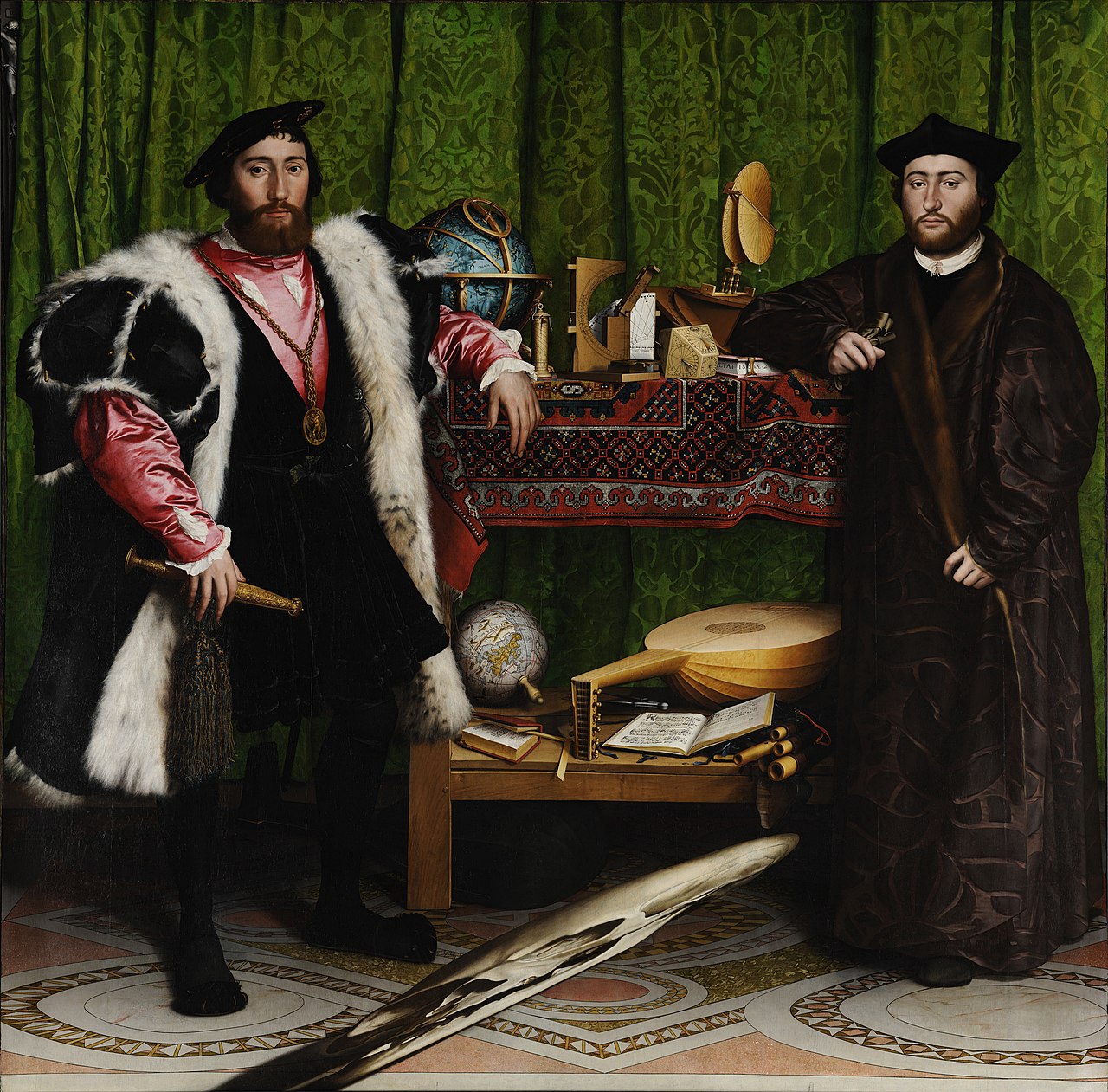
Iconography, as a branch of art history, studies the identification, description and interpretation of the content of images: the subjects depicted, the particular compositions and details used to do so, and other elements that are distinct from arti...
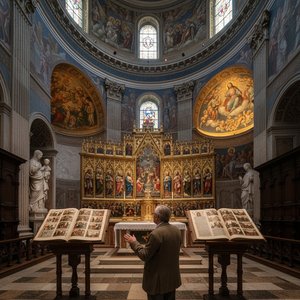
To step into the presence of religious art is to enter a dialogue with the infinite, a profound encounter where the boundaries between the earthly and the divine begin to blur. For centuries, the canvas and the stone have served as the primary vessels for humanity's most profound questions, capturing the whispers of the divine and the weight of mortal devotion. These works are far more than mere decorations; they are windows into the soul of civilization, where light meets shadow to illustrate the eternal struggle between our temporal existence and the everlasting spirit. Through the study of iconography—the identification and interpretation of symbols within an image—we begin to decode a universal language that transcends linguistic barriers. Whether it is the subtle placement of a lily to signify purity or the radiant halo, also known as a nimbus or aureole, used to denote sanctity across Christian, Hindu, and Buddhist traditions, every brushstroke in religious art seeks to give form to the formless.
By examining these visual narratives, we realize that religious art has historically functioned as a primary language of faith, bridging the gap between the illiterate and the learned. In an era where text was a luxury, the painted image provided a visceral connection to theological mysteries. This sacred dialogue allows us to explore the deepest corridors of the human soul, inviting us to pause and reconnect with themes of sacrifice, redemption, and peace that remain strikingly relevant in our modern, fast-paced world.
Luminous Grace: The Early Renaissance and the Serenity of the Virgin Mary
Exquisite Depiction of Divine Grace This masterful work captures the serene and sacred presence of the Virgin Mary in a moment of quiet contemplation. With gentle grace and luminous detail, the painting invites viewers into a sacred space of devotion...
As the dawn of the Renaissance approached, a new era of meticulous craftsmanship and humanistic focus began to reshape the spiritual landscape. This period saw a shift toward depicting sacred figures with a newfound clarity and emotional resonance. A quintessential example of this transition can be found in the works attributed to Fra Angelico, particularly his exquisite depictions of the Virgin Mary during the Annunciation. In such masterpieces, we witness a moment of quiet contemplation, where the central figure’s tender expression and delicate posture evoke a profound sense of humility and spiritual serenity. The use of tempera or oil on wooden panels allowed for a luminous surface that enhanced the spiritual aura, while textured gold leaf backgrounds created a radiant effect, elevating the subject from the earthly realm to a celestial plane.
This era was characterized by a harmonious balance of color and symbolism, where vibrant blues and soft pinks underscored the sacred nature of the subject. The Virgin Mary, often depicted holding a book or tablet, became a symbol of divine wisdom and her role as the bearer of sacred knowledge. This period of artistic innovation, which blended Byzantine traditions with burgeoning naturalism, invites viewers into a sacred space of devotion. For those seeking to surround themselves with such tranquility, our hand-painted oil reproductions capture this very essence, meticulously recreating the fine, precise lines and subtle shading that define the early Renaissance masters, allowing the grace of the 15th century to reside within a contemporary interior.
The Weight of Eternity: Eschatology and the Drama of the Last Judgment
Subject and Composition This powerful black-and-white illustration captures the awe-inspiring moment of divine judgment, a central theme in Christian eschatology. The scene is meticulously layered, with the majestic figure of Christ seated on a radia...
While some religious art seeks to soothe through serenity, other masterpieces aim to overwhelm through awe and terror. The theme of eschatology—the study of the final events of history and the ultimate destiny of humanity—finds its most powerful expression in depictions of The Last Judgment. These works capture the monumental moment of divine reckoning, a central pillar of Christian belief. In such compositions, we often see a meticulously layered scene: a majestic figure of Christ seated upon a radiant throne at the center, emanating divine light and absolute authority. Surrounding Him, angelic messengers wield trumpets and swords, symbolizing the proclamation of judgment and the enforcement of divine will.
The visual drama is heightened by a tumultuous assembly of human souls, mythological creatures, and allegorical figures, all evoking the chaos and gravity of the final confrontation between good and evil. The use of stark contrasts, particularly in the tradition of engravings and monochromatic prints, creates a solemn atmosphere that demands reflection on morality and salvation. These works serve as a cosmic battleground that transcends time, inviting the viewer to contemplate the consequences of their earthly actions. Such intense, emotionally charged compositions are among our most sought-after reproductions, as they provide a powerful focal point for those who appreciate art that explores the profound complexities of justice and the human condition.
Light, Shadow, and Spirit: Baroque Devotion and the Power of Visual Emotion
Captivating Subject and Spiritual Significance This powerful masterpiece vividly captures the sacred moment of the Annunciation, where the archangel Gabriel announces to the Virgin Mary that she will bear the Son of God. The scene is imbued with divi...
The transition into the Baroque era brought with it a dramatic shift in how the divine was perceived—moving from the quiet stillness of the Renaissance to a period defined by intense movement and the theatrical interplay of light and shadow. In the hands of Baroque masters, art became a tool for visceral emotional engagement. This is perhaps most evident in the Annunciation works of artists like Francisco de Zurbarán, where the sacred moment is imbued with profound spiritual significance through dramatic lighting. The angel’s graceful gesture and Mary’s contemplative expression invite viewers into a moment of revelation, evoking feelings of reverence and awe through the mastery of chiaroscuro.
In this style, the shadows are not merely absences of light but are active participants in the storytelling, creating a sense of depth and mystery that pulls the viewer into the sacred event. The Baroque period utilized the tension between the visible and the invisible to communicate complex theological truths, making the miraculous feel tangibly present. This era’s ability to capture the sublime through technical mastery—such as the realistic rendering of drapery and the emotive power of a single, light-drenched face—continues to inspire collectors. Our artists specialize in recreating this Baroque intensity, ensuring that the deeper tonal range and visible brushstrokes of a true oil painting bring the dramatic spirit of the 17th century into the modern home.
Transcending Borders: Byzantine Traditions and the Evolution of Sacred Imagery
A Luminary of Byzantium: The Life and Legacy of Theophanes the Greek The name Theophanes the Greek evokes a world steeped in incense, shimmering gold leaf, and profound spiritual contemplation. Born in Constantinople around 1340, though often associa...
The history of divine art is also a history of migration and cultural synthesis. The influence of Byzantium, with its world steeped in incense and shimmering gold leaf, provided the foundational language for much of Eastern and Northern European religious painting. Figures such as Theophanes the Greek represent a pivotal bridge, carrying the essence of Byzantine iconography from Constantinople into the burgeoning traditions of Russia. This style is characterized by a profound spiritual contemplation, where the use of gold and stylized, iconic forms creates an atmosphere of eternal stillness.
Similarly, in the West, we see the influence of Byzantine traditions blending with local styles, such as the work of the Master of Saint Francis, who fused Byzantine monumentalism with the burgeoning vernacular style of Tuscany and Florence. This evolution demonstrates how sacred art acts as a universal language, absorbing regional influences—from the elegance of the International Gothic to the refinement of the Renaissance—while maintaining a core focus on the divine. These works remind us that the search for meaning is a global endeavor, a continuous thread of human creativity that weaves through different eras and geographies, forever seeking to capture the light of the eternal.
Bringing the Infinite Home: Preserving Masterpieces through Hand-Painted Reproductions
To encounter these masterpieces in a museum is a privilege; to live with them is an inspiration. At TopImpressionists.com, we believe that the profound emotional and spiritual gravity of these works should not be confined to distant galleries. We specialize in creating high-quality, 100% hand-painted oil reproductions on cotton canvas that honor the academic excellence of the original masters. Unlike mere prints or posters, our reproductions feature the tactile depth of real paint, with visible brushstrokes and a rich tonal range that captures the true soul of the artwork.
Whether you are drawn to the serene grace of a Renaissance Madonna or the dramatic shadows of a Baroque saint, our service allows you to curate a collection of history's greatest visions. We offer a meticulous six-step process—from digital mockups for your approval to the final application of protective Damar varnish—ensuring that every piece meets museum-grade standards. For those looking to transform their personal milestones into art, we also offer custom services to turn photographs into masterpieces in the style of history's greatest painters. We invite you to explore our catalog and bring the timeless beauty of the divine into your own sacred space.
Embark on a profound journey through art history with our exploration of the most iconic depictions of the Virgin Mary. Discover the divine grace, symbolism, and masterful techniques found in Renaissance masterpieces and sacred iconography.
Explore the celestial brilliance of Byzantine masterpieces. Discover the sacred alchemy of gold leaf, the spiritual depth of Orthodox icons, and how this high-impact gilded glory continues to inspire awe in fine art history and modern luxury interiors.
Embark on a profound journey through the most awe-inspiring Last Judgment masterpieces. From Michelangelo’s celestial frescoes to Dürer’s intense engravings, uncover the divine drama and sacred iconography that have shaped Western art history with our expert editorial guide.
Explore the profound beauty of iconic religious artworks. From Renaissance masterpieces to sacred iconography, our expert guide delves into the spiritual power, symbolism, and enduring legacy of history's most divine paintings for the true art enthusiast.
Discover the enduring allure of hand-painted oil reproductions. Elevate your home with museum-quality masterpieces, meticulously recreated by expert artists using archival pigments and traditional techniques to create a timeless legacy for discerning collectors.


 Iconography
 Virgin Mary Annunciate
 The Last Judgment
 Anunciación
 theophanes the greek