Mastering the Drama: A Deep Dive into the Emotional Intensity and Tenebrism of Baroque Masterpieces
Explore the profound emotional intensity of Baroque art. Discover how masters like Caravaggio used chiaroscuro and tenebrism to capture human drama. Learn the history behind these iconic masterpieces and find museum-quality hand-painted reproductions for your collection.
Baroque architecture is a highly decorative and theatrical style which appeared in Italy in the late 16th century and gradually spread across Europe. It was originally introduced by the Catholic Church, particularly the Jesuits, as a means to combat ...
To step into the world of the Baroque is to abandon the serene, rational clarity of the Renaissance in favor of a profound, visceral experience. While the preceding era sought balance, proportion, and an idealized stillness, the seventeenth century ushered in a period defined by movement, theatricality, and an almost overwhelming sense of grandeur. This was an age where art served as a bridge between the earthly and the divine, particularly through the influence of the Jesuit Order and the Counter-Reformation. In spaces like the I Gesuiti in Venice or the grand halls of the New Schleißheim Palace, architecture and canvas worked in tandem to inspire awe and piety.
The Baroque aesthetic is not merely a style but a psychological state. It is characterized by an opulent color palette, sweeping architectural lines, and a deliberate use of complexity to captivate the viewer. Unlike the static beauty of a portrait or a landscape, Baroque works often feel as though they are caught in a moment of transition—a breath held before a scream, or the precise second a divine light pierces a dark soul. This era transformed the act of viewing art into an immersive event, where every curve of a façade and every heavy brushstroke on canvas was designed to stir the spirit and command reverence.
Chiaroscuro and Tenebrism: The Mastery of Light and Shadow
In art, chiaroscuro (English: kee-AR-ə-SKOOR-oh, -SKURE-, Italian: [ˌkjaroˈskuːro]; lit. 'light-dark') is the use of strong contrasts between light and dark, usually bold contrasts affecting a whole composition. It is also a technical term used by a...
At the very heart of this dramatic flourish lies a technical revolution: the manipulation of light. To understand the tension in Baroque masterpieces, one must master the vocabulary of chiaroscuro and tenebrism. While often used interchangeably by the casual observer, these techniques represent different levels of intensity. Chiaroscuro, literally meaning "light-dark," is the foundational use of strong contrasts to achieve a sense of volume and three-dimensionality. It allows an artist to model a figure, giving flesh a palpable weight and making drapery appear to cascade with real gravity.
However, when this technique is pushed to its most extreme, it becomes tenebrism. Derived from the Italian tenebroso, meaning dark or gloomy, tenebrism utilizes a "spotlight effect" where deep, impenetrable shadows dominate the composition, leaving only key figures illuminated by a harsh, singular light source. This creates a cinematic intensity that focuses the viewer’s attention with surgical precision. In the hands of masters, this darkness is not merely an absence of light but a physical presence—a heavy, suffocating atmosphere that heightens the psychological stakes of the scene. It is through this violent interplay of shadow and radiance that the most profound human truths are brought into sharp, undeniable focus.
Spiritual Crisis and Human Vulnerability: Analyzing Iconic Narratives
A Masterpiece of Baroque Sorrow In the profound stillness of Jusepe de Ribera’s The Tears of Saint Peter , we are invited into a private moment of spiritual crisis and overwhelming human vulnerability. Created in 1612, this work stands as a breathtak...
The true power of Baroque art lies in its ability to capture the rawest edges of the human soul. The era’s fascination with "history painting"—narratives drawn from Greek mythology or Biblical scripture—provided the perfect stage for exploring themes of betrayal, repentance, and spiritual ecstasy. We see this most poignantly in Jusepe de Ribera’s The Tears of Saint Peter. In this profound stillness, we are not merely watching a biblical event; we are witnessing a private moment of overwhelming human vulnerability. The weathered, aged face of the Apostle, illuminated against an abyss of dark space, forces an intimate confrontation with the weight of remorse.
This focus on the internal struggle is a hallmark of the period. Artists moved away from the idealized saints of the past to present figures that were deeply, even painfully, human. Whether it is the spiritual fervor found in the works of Václav Vavřinc Reiner or the intense psychological depth in the religious canvases of Jusepe Martínez, the subject matter remains centered on the tension between sin and grace. Every slumped shoulder, every clasped hand, and every glint of a tear serves as a symbol of the complex, often turbulent journey of faith and the enduring resilience of the human spirit amidst suffering.
The Cinematic Canvas: Narrative Tension in Religious and Mythological Scenes
Introduction: The Allure of Dramatic Narrative in Art The Dramatic Flourish: Exploring Baroque Painting's Emotional Intensity & Artistic Innovations Explore the dramatic world of Baroque painting! Discover its history, defining characteristics, iconi...
There is a certain kinetic energy inherent in Baroque composition that predates the modern cinematic experience. The era excelled at creating narrative tension through dynamic arrangements that guide the eye across the canvas in a choreographed dance. This is achieved through what art historians call "narrative tension"—the skillful use of posture, gaze, and light to suggest an unfolding story. In many works, the composition is intentionally unbalanced or diagonal, suggesting that the action has just begun or is about to reach a climax.
Consider the way a figure’s arm might be raised in an impassioned gesture, or how a gaze might be directed toward an unseen source of light, inviting the viewer to complete the story. This technique transforms the spectator from a passive observer into an active participant in the drama. By utilizing extreme contrasts and sudden, dramatic movements, Baroque artists created works that do not just depict a moment in time but inhabit it, pulling us into the very heart of the struggle, whether it be the mythological battles of the ancients or the profound transformations of the saints.
From Caravaggio to Ribera: Pioneers of Dramatic Intensity
A Portrait of Intensity: Decoding Caravaggio’s Untitled (2070) Michelangelo Merisi da Caravaggio, a name synonymous with the dramatic intensity of Baroque painting, was born in Milan in 1571, a period steeped in both artistic flourishing and societal...
The lineage of this dramatic intensity can be traced through a succession of visionary artists who redefined the boundaries of realism and emotion. Michelangelo Merisi da Caravaggio remains the most iconic figure of this movement. His life, marked by poverty and upheaval, deeply informed his artistic vision, instilling in him an acute awareness of human suffering. Caravaggio’s revolutionary use of tenebrism shattered conventional norms, replacing idealized beauty with a gritty, unvarnished realism that brought the divine down to the level of the streets.
Following in this tradition, artists like Sebastián López de Arteaga carried these influences across borders, introducing the profound emotional depth of Spanish tenebrism to the Mexican Baroque. Similarly, Jusepe de Ribera mastered the ability to use light to highlight the rugged textures of human existence, from the silvered strands of a beard to the dampness of sorrowful eyes. These pioneers, along with others like the Belgian master Gérard de Lairesse, established a visual language of intensity that would influence Western art for centuries, proving that the most profound truths are often found in the shadows.
Preserving the Drama: Bringing Masterpiece Grandeur into the Modern Home
For the true art enthusiast, the allure of these masterpieces extends beyond the museum walls. There is a profound desire to surround oneself with the gravity and beauty of the classics, yet finding original seventeenth-century canvases is a feat reserved for the most elite collectors. At TopImpressionists.com, we bridge this gap by offering exquisite, hand-painted oil reproductions that capture the very soul of these historical treasures.
Our artists, all holders of prestigious Fine Arts degrees, specialize in recreating the tactile depth of the Baroque era. Unlike mere prints, our 100% hand-painted oils on cotton canvas feature visible brushstrokes and a rich, deep tonal range that honors the original's texture. We even offer an optional "Aged & Cracked" (craquelure) finish to provide that authentic, centuries-old aesthetic. Whether you wish to transform a personal photo into a Rembrandt-style masterpiece through our custom commission service or seek a multi-panel arrangement to adorn a grand staircase, we provide the means to bring the theatrical brilliance of the Baroque into your own architectural space. Experience the enduring power of history, meticulously recreated for the modern connoisseur.
Explore the captivating world of Cecco del Caravaggio (Francesco Buoneri), a pivotal Baroque artist. Discover his dramatic realism, mysterious life, and lasting legacy with TopImpressionists's expert analysis.
Immerse yourself in the dramatic world of Francisco de Zurbarán. Explore 25 iconic Spanish Baroque masterpieces defined by intense tenebrism and spiritual realism. Find inspiration for museum-quality art reproductions and decor. Discover all masterpieces on TopImpressionists.com.
Immerse yourself in 10 iconic masterpieces that define romanticism. Explore the stories, techniques, and emotions behind these timeless paintings. Find museum-quality art reproductions and curated decor inspiration for your home. Discover all masterpieces on TopImpressionists.com.
Discover how the dramatic interplay of chiaroscuro and light can transform your home. Learn to use shadow, contrast, and masterful art reproductions to create a sophisticated, soulful interior with expert design insights from TopImpressionists.com.
Explore the profound drama of 17th-century Baroque art. Discover how masters used chiaroscuro, movement, and emotional intensity to redefine history through the lens of the Counter-Reformation. An expert guide for art historians and collectors seeking deep cultural insight.


 Baroque architecture
 Chiaroscuro
 The Tears of Saint Peter
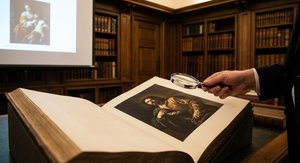 The Power of Narrative Tension: Exploring Dramatic Scenes in Art History
 untitled (2070)


