Timeless Beauty: The Art and Mastery of Fresco Painting Techniques
Explore the profound mastery of fresco painting, from the chemical alchemy of buon fresco to the monumental legacies of Michelangelo and Rivera. Discover the timeless techniques that turn wet plaster into eternal art history.
Buon fresco (Italian for 'true fresh') is a fresco painting technique in which alkaline-resistant pigments, ground in water, are applied to wet plaster. It is distinguished from the fresco-secco (or a secco) and finto fresco techniques, in which pain...
To touch a true fresco is to touch the very bones of a building. Unlike a canvas that sits upon a frame, a buon fresco—or "true fresh" painting—is an act of chemical marriage between pigment and stone. The magic lies in the intonaco, that thin, delicate layer of freshly laid, wet lime plaster. When an artist applies ground pigments mixed simply with water onto this damp surface, a profound transformation occurs. As the plaster dries, it reacts with the air in a process known as carbonatation, turning calcium hydroxide into calcium carbonate. This creates a protective crystalline mesh, effectively locking the colors within a permanent, stony embrace.
This is not merely painting; it is an architectural integration. Because the pigment becomes part of the wall itself, the artwork possesses a luminous depth and a durability that far surpasses surface-level applications. There is no binder required, for the lime itself acts as the soul of the medium. For the true art enthusiast, there is something deeply moving about this permanence—the idea that the artist’s vision is not just on the wall, but of the wall, destined to endure as long as the structure stands.
A Journey Through Time: From Minoan Walls to the Renaissance Zenith
The Ancient Roots of Fresco: From Minoan Walls to Roman Villas The story of fresco painting isn’t simply a chronicle of artistic development; it's a testament to humanity’s enduring desire to capture moments, beliefs, and stories on the very surfaces...
The story of fresco is a whispered chronicle of human civilization, stretching back through the mists of antiquity. Long before the celebrated masters of the Italian Renaissance breathed life into the Vatican walls, the technique was already flourishing in the vibrant palaces of the Minoan civilization on Crete. In the 17th century BC, at sites like Akrotiri, we find breathtaking depictions of bull-leaping and floral processions that suggest a sophisticated mastery of color and movement long before the modern era. As time flowed into the Roman era, this art form reached new heights of grandeur, adorning the villas of the elite with mythological narratives and lush landscapes that celebrated the beauty of the classical world.
As we move through the centuries, the fresco evolves from the sacred to the monumental. The Byzantine era brought a sense of spiritual solemnity, which eventually paved the way for the explosive humanism of the Renaissance. This period saw the technique reach its zenith, where the walls of chapels and palaces became stages for the greatest dramas of faith and history. From the ancient Egyptian tombs to the Roman villas, the fresco has always served as humanity's most enduring method of capturing the ephemeral—turning fleeting moments of life into eternal legacies of stone.
The Artist's Race Against Time: Mastery, Pigment, and the Giornata
A Timeless Art Form: Understanding Fresco Painting Wikipedia: Fresco (pl. frescos or frescoes) is a technique of mural painting executed upon freshly laid ("wet") lime plaster. Water is used as the vehicle for the dry-powder pigment to merge with the...
To paint in buon fresco is to engage in a high-stakes dance with time. The artist does not have the luxury of hesitation; they must work with a feverish precision while the plaster remains wet. This necessity gave rise to the concept of the giornata, or "a day's work." Because the window of opportunity is so narrow, a master painter prepares only as much plaster as can be completed in a single session. A complex, detailed face might require an entire day of intense focus, whereas a vast expanse of sky can be swept on with rapid, confident strokes.
This technical constraint demands an extraordinary level of preparation and mental fortitude. Every decision must be premeditated; there is no room for the spontaneous correction found in oil painting. The artist must understand the chemistry of their pigments, ensuring they are alkaline-resistant so they do not fade or react poorly with the lime. It is a discipline of absolute certainty, where the brushstroke is a testament to both artistic vision and technical command. This intense, focused energy is often what imbues Renaissance masterpieces with such palpable vitality and presence.
Beyond the Surface: The Contrast of Fresco-Secco and Modern Muralism
Fresco secco (or a secco or fresco finto) is a wall painting technique where pigments mixed with an organic binder or lime (or both) are applied onto dry plaster. The paints used, for example, can be casein paint, tempera, oil paint, or silicate mine...
While the brilliance of buon fresco captures our imagination, it is important to distinguish it from its more flexible cousin, fresco-secco. In this technique, pigments are applied to a dried plaster surface, often using an organic binder like egg, glue, or casein. While secco allows for a much longer working time and the ability to add fine, retouched details, it lacks the structural permanence of the "true" fresco; over centuries, these layers may flake away, as they remain a surface application rather than an integral part of the wall.
In more recent history, this evolution of muralism found a powerful new voice in the 20th century through movements like Mexican Muralism. Artists such as Diego Rivera utilized the monumental scale and vibrant, earthy palettes of fresco to communicate social realism and national identity. In works like the "Detroit Industry" North Wall, we see how the tradition of large-scale wall painting was repurposed to capture the grit of industrial labor and the pulse of modern technological advancement. Whether through the delicate secco details or the massive, sweeping buon fresco compositions, the mural remains a vital medium for storytelling on a grand, public scale.
Preserving the Eternal: The Delicate Art of Fresco Restoration and Legacy
The conservation-restoration of the frescoes of the Sistine Chapel was one of the most significant conservation-restorations of the 20th century. The Sistine Chapel was built by Pope Sixtus IV within the Vatican immediately to the north of St. Peter'...
The very durability that makes fresco so magnificent also presents a profound challenge to the modern conservator. Centuries of environmental shifts, moisture, and even the tremors of the earth can threaten these masterpieces. We remember the heroic efforts required to preserve the frescoes of the Sistine Chapel, where significant 20th-century restoration work was essential to reveal the true, vibrant colors hidden beneath layers of grime and aged varnish. Such restorations are delicate balances of science and art, aiming to stabilize the pigment without erasing the artist's original hand.
Today, the legacy of fresco lives on not only in museums but in our desire to bring this historical grandeur into our own spaces. At TopImpressionists.com, we celebrate this enduring spirit of craftsmanship. While we specialize in the luminous, textured beauty of Impressionist and Post-Impressionist oil paintings, we share the same reverence for the "hand-made" soul found in the great frescoes. Whether through a custom reproduction that captures the impasto depth of a master or a large-format mural designed to transform an architectural space, we believe that art should be more than decoration—it should be a lasting legacy, much like the eternal walls of the masters.
Explore the profound history and technical mastery of fresco painting. From ancient Roman murals to Michelangelo's Sistine Chapel, discover the enduring chemistry and artistry behind this timeless wall painting technique used by the world's greatest masters.
Step into the divine beauty of the Sistine Chapel. Explore 25 iconic Renaissance masterpieces by Michelangelo and more. From breathtaking frescoes to timeless legends, find inspiration for museum-quality art reproductions. Discover all masterpieces on TopImpressionists.com.
Learn how carbonatation fixes pigment into wet plaster and explore the technical distinctions between buon fresco and secco used by Renaissance masters.
Explore the rich history & enduring legacy of fresco painting. Discover how to preserve family heritage through stunning wall art. Expert insights & restoration guidance.


 The Enduring Legacy of Fresco: Technique, History & Artistic Expression Across Cultures
 The Fresco as Family Legacy: Preserving Heritage Through Wall Art
 Fresco-secco
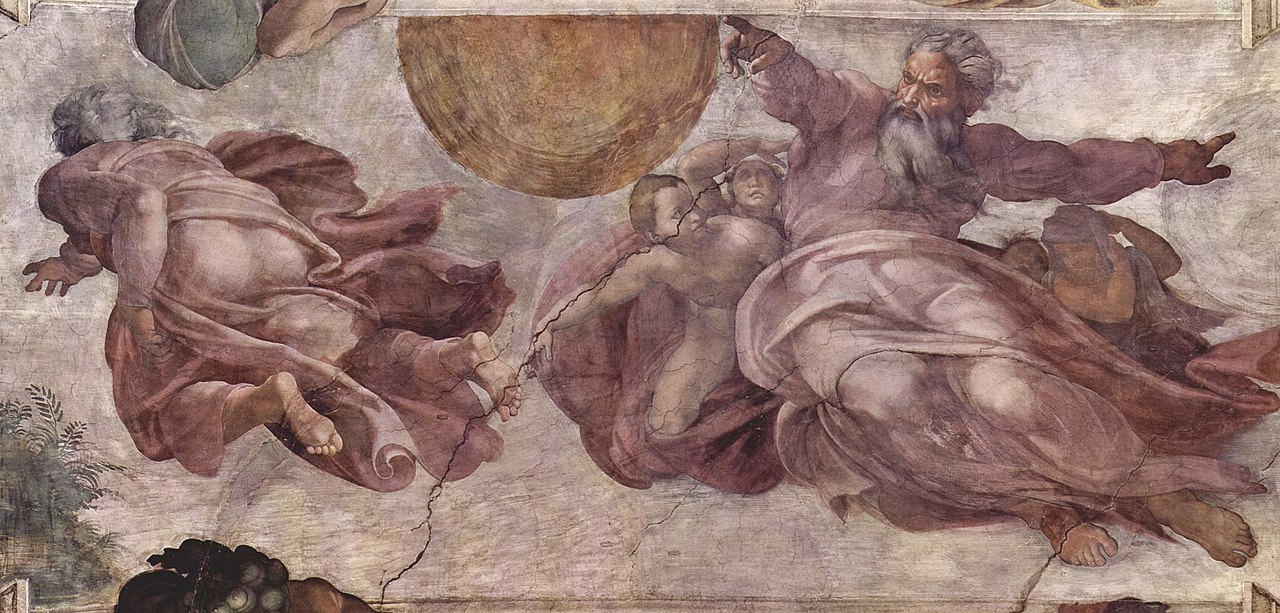 Restoration of the Sistine Chapel frescoes


