The Soul of the Space: Art as an Immersive Hospitality Experience
 Timeless Elegance: A Designer's Guide to Elevating Luxury Hotel Interiors with Iconic Masterpiece Reproductions
The Soul of the Suite: Art as an Immersive Hospitality Experience Elevating Hospitality Aesthetics: Museum-Quality Art for Luxury Hotels The Transformative Power of Art in Luxury Hospitality Wikipedia: Peace Hotel The Peace Hotel (Chinese: 和平饭店, piny...
In the rarefied world of luxury hospitality, a hotel lobby is far more than a mere transit point or a grand architectural statement; it is the threshold to a curated sanctuary. For the discerning traveler, true luxury resides in the ability to find stillness within a space that breathes soul. While architecture provides the essential bones of a building and fine linens offer the foundation of comfort, it is the presence of profound art that provides its heartbeat. When a guest encounters a masterpiece—even a meticulously rendered reproduction—within the intimate confines of a suite or a grand hall, the boundaries between a transient lodging and a memorable destination begin to seamlessly dissolve.
The transformative power of art lies in its ability to ground the fleeting nature of travel with the permanence of human creativity. A well-chosen canvas does not merely decorate a wall; it sets a mood, invites reflection, and whispers stories of distant eras. In an age where travelers seek authenticity above all else, integrating museum-quality works allows a hotel to offer an immersive experience that transcends the physical. By treating each lobby and corridor as a gallery of unforgettable experiences, designers can create spaces that resonate deeply with the human condition, offering guests a sense of connection to the timeless beauty of our collective visual heritage.
Capturing Light and Atmosphere: The Impressionist Influence on Hotel Aesthetics
 10 Iconic Impressionist Masterpieces That Defined an Era
Introduction To step into the world of Impressionism is to abandon the rigid boundaries of reality and embrace the fleeting dance of light and atmosphere. It is an invitation to stop looking at objects and start feeling the vibration of a single mome...
To step into the world of Impressionism is to witness the very moment light learned to dance upon the canvas. For the hotel designer, this movement offers an unparalleled palette for atmospheric storytelling. Unlike the rigid, studio-bound traditions of the Academy, Impressionism invites us to embrace the fleeting dance of light and atmosphere. Imagine a lobby where the air feels thick with the mist of a morning on the Seine, or where the sun breaks through the clouds to turn a feature wall into a mosaic of shimmering gold and cerulean blue. This is the revolution: a departure from somber realism toward an art that captures the breathing pulse of the earth.
Artists such as Camille Pissarro mastered this delicate interplay, finding transcendence in the humble—the dappled sunlight filtering through a grove of trees or the shifting humidity of a French morning. His work, much like that of his contemporaries, teaches us that color is not static but a living entity that changes with every passing cloud. By integrating these works, a designer can manipulate the perceived temperature and energy of a room. The soft, feathery brushstrokes and lack of harsh outlines found in Impressionist masterpieces allow for a sense of movement and ethereal quality, creating an environment that feels alive, breathing, and infinitely tranquil.
Curating a Visual Journey: Selecting Masterpieces for Grand Lobbies and Private Suites
 Seating Girl
Seating Girl Pierre-Auguste Renoir, a luminary of the Impressionist movement, gifted us with Seating Girl (1880), a captivating tableau that embodies the spirit of this revolutionary artistic era. Historical Context: The Impressionist movement fundam...
The art of curation within a luxury hotel requires a delicate balance between grandeur and intimacy. In expansive lobbies, one might look to the sweeping vistas and rhythmic vitality found in Pissarro’s landscapes or the vibrant, social energy of Renoir’s tableaux. A piece like Seating Girl by Pierre-Auguste Renoir can bring a sense of human connection and warmth to a large seating area, grounding the scale of the room with a relatable, everyday moment captured with remarkable sensitivity. These works act as anchors, drawing the eye and providing a focal point for conversation and contemplation.
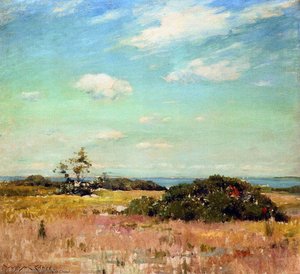
Conversely, when designing private suites, the focus shifts toward more intimate, introspective compositions. The mastery of William Merritt Chase in works such as Interior offers a template for creating private sanctuaries. His ability to capture quiet moments of daily existence—a woman lost in thought by a window, bathed in soft light—mirrors the very purpose of a luxury suite: to offer a momentary departure from the frantic pace of the outside world. Whether it is the serene domesticity of an interior scene or the lush, sun-drenched florals of a Monet, the selection must serve the psychological needs of the guest, guiding them from the social excitement of the lobby to the profound quietude of their personal retreat.
Beyond the Canvas: Bespoke Commissions and Architectural Murals for Luxury Interiors
 Elevating Hotel Interiors: A Professional Guide to Integrating Renaissance & Impressionist Art for Timeless Hospitality Design
The Psychology of Space: Art as a Tool for Creating Sanctuary in Hospitality 10 Iconic Masterpieces to Elevate Your Hotel Room Decor Introduction Stepping into a well-appointed hotel room should feel like entering a private sanctuary, a momentary esc...
For the visionary designer, the possibilities of art extend far beyond selecting existing works. The modern era of hospitality allows for a true "remix" of art history through bespoke commissions. Imagine the impact of a large-format mural or a ceiling fresco, painted on massive canvas rolls and installed with the precision of high-end wallpaper, recreating the grandeur of historical ceilings in a contemporary setting. These architectural elements can transform a standard ceiling into a sky of impressionistic clouds, fundamentally altering the volume and prestige of a room.
Furthermore, the ability to customize art allows for a level of brand integration previously unimaginable. Through professional digital mockup services, designers can visualize how a custom piece might look before the first brushstroke is applied. We offer the unique opportunity to transform personal milestones or hotel-specific imagery into the impasto style of Van Gogh or the light-drenched aesthetic of Monet. This bespoke approach ensures that the art is not merely an addition to the decor, but an integral part of the hotel's architectural DNA, capable of reflecting the specific heritage and identity of the property.
The Designer's Toolkit: Integrating Museum-Quality Reproductions into Modern Hospitality Design
 Impressionism
Impressionism was a 19th-century art movement characterised by visible brush strokes, open composition, emphasis on accurate depiction of light in its changing qualities (often accentuating the effects of the passage of time), ordinary subject matter...
Integrating fine art into a large-scale hospitality project requires both aesthetic sensitivity and logistical expertise. For professionals managing volume projects, the use of high-quality, hand-painted oil reproductions offers a sophisticated solution that maintains museum-grade standards without the prohibitive costs of original acquisitions. These works, 100% hand-painted on cotton canvas with visible brushstrokes and deep tonal ranges, provide the tactile depth that digital prints simply cannot replicate. For expansive walls or grand staircases, the "multi-panel" trend—splitting a single masterpiece across three, four, or five panels—creates a modern, cohesive architectural look that commands attention.
To ensure the longevity of these investments, designers must consider the chemistry of art and the science of preservation. Utilizing flexible gesso to prevent cracking and finishing works with a protective coat of Damar varnish ensures that the pigments remain vibrant for generations. For those seeking a complete service, professional integration includes everything from custom framing in solid gold leaf or espresso wood to global logistics handled by specialists like DHL Express. By treating art as a structural element of the design process—utilizing color analysis, digital placement mockups, and expert consultations—the designer can successfully bridge the gap between historical beauty and modern luxury, creating spaces that are truly timeless.