Atelier — Complimentary worldwide shipping — Delivery 2–6 weeks
      Aztec Empire, 1300 – 1521

      Aztec Empire's 70 Most Famous Paintings

      Mosaic of a Double-headed Serpent (1521) is the painting Aztec Empire is best remembered for; it belongs to the British Museum, London. Head from a Figure, Xochipilli Macuilxochitl (1521) and Figure (1521) complete the trio of best-loved canvases. Our catalogue counts 70 works by Aztec Empire. Here are the 70 most famous, with the year, the museum and the story of each canvas.

      Ranked by our popularity score, which combines the searches, visits and orders for each work. Updated October 2026. Each painting on this page can be ordered as an oil reproduction painted by hand on linen canvas, or as a fine art print, made to the size you choose.

      Portrait of Aztec Empire
      Aztec Empire · 1300 – 1521
      Born · died
      1300 – 1521, Tenochtitlan
      Works in our catalogue
      70
      Most famous
      Mosaic of a Double-headed Serpent (1521)
      Most works at
      Metropolitan Museum of Art

      The ten best-loved paintings by Aztec Empire

      Mosaic of a Double-headed Serpent (1521) by Aztec Empire
      1

      Mosaic of a Double-headed Serpent

      1521 · Mosaic · British Museum, London

      To gaze upon this mosaic of a double-headed serpent is to step directly into the vibrant, myth-laden heart of the Aztec Empire. It is not merely an object of decoration; it is a captured echo of profound belief, a testament to a civilization whose artistry wove the sacred into the very fabric of daily existence. The serpentine form dominates the composition, its sinuous body rendered in breathtaking detail across countless…

      Head from a Figure, Xochipilli Macuilxochitl (1521) by Aztec Empire
      2

      Head from a Figure, Xochipilli Macuilxochitl

      1521 · Sculpture · Metropolitan Museum of Art, New York

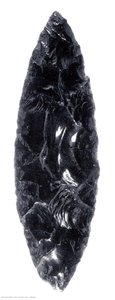
      The obsidian head before us—a dark, almost brooding presence—isn’t merely a sculpture; it's a portal into the vibrant and complex world of the Aztec Empire. Carved in the early 16th century, just decades before the arrival of the Spanish conquistadors, this intimate portrait of Xochipilli Macuilxochitl offers a rare and compelling glimpse into the beliefs, artistry, and ultimately, the fleeting beauty of a vanished civilization. The piece speaks not only…

      Figure (1521) by Aztec Empire
      3

      Figure

      1521 · Stone · Metropolitan Museum of Art, New York

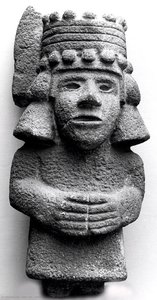
      Before you stands an echo from a civilization whose very name whispers tales of empire and profound spiritual depth: the magnificent "Figure" sculpture. Carved from enduring stone, this piece is not merely an object of antiquity; it is a frozen moment of sacred contemplation. The overall impression is one of solemn power, a tangible connection to the sophisticated worldview of the Aztec people who flourished in the heart of Mesoamerica.…

      Kneeling Male Figure (1521) by Aztec Empire
      4

      Kneeling Male Figure

      1521 · Stone · Metropolitan Museum of Art, New York

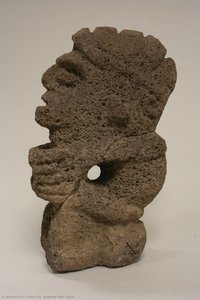
      To gaze upon this fragment is to reach across the vast chasm of five centuries, touching the solemn breath of an empire long dissolved into myth and archaeological wonder. This kneeling male figure, carved from a dark, porous stone—perhaps basalt itself—is more than mere sculpture; it is a captured moment of profound spiritual engagement. The very texture of the material speaks of time, bearing the patina of ritual smoke and…

      Serpent Labret with Articulated Tongue by Aztec Empire
      5

      Serpent Labret with Articulated Tongue

      Acrylic On Canvas · Metropolitan Museum of Art, New York

      Serpent Labret with Articulated Tongue The Serpent Labret with Articulated Tongue stands as a testament to the unparalleled artistry of the Aztec Empire—a singular achievement in goldwork that embodies both exquisite craftsmanship and profound symbolic meaning. Discovered in 1937, this remarkable ornament now resides at the Metropolitan Museum of Art (New York City), where it continues to captivate visitors with its mesmerizing beauty and intricate detail. Its provenance is traced…

      Pendent in the Shape of a Warrior (1350) by Aztec Empire
      6

      Pendent in the Shape of a Warrior

      1350 · Metalwork · Cleveland Museum of Art, Cleveland

      To hold this piece in your mind is to encounter the quiet strength of the Post-classic period. This small, metallic figure, likely worn close to the body, captures a warrior in a moment of poised readiness. The figure is rendered with a striking sense of presence, characterized by a prominent nose, wide eyes, and a slightly protruding mouth that gives the face a distinct, human character. There is a certain…

      Figure (1521) by Aztec Empire
      7

      Figure

      1521 · Stone · Metropolitan Museum of Art, New York

      This monochrome photograph captures an ancient Aztec sculpture titled Figure. The piece presents a stylized representation of a human figure, likely a deity or important individual within the Aztec culture. Set against a dark background that emphasizes its intricate details, the sculpture is positioned slightly off-center towards the right of the frame.

      Vulture Vessel (1521) by Aztec Empire
      8

      Vulture Vessel

      1521 · Ceramic · Metropolitan Museum of Art, New York

      This ceramic vessel, produced around 1521 by Aztec artists, takes the shape of a stylized vulture. The object is constructed from earthenware with a robust, cylindrical body. Four curved legs support the structure, positioned to suggest a sense of movement or a bird prepared to perch. The surface is primarily covered in a reddish-brown hue, likely derived from iron oxide pigments. Black glaze defines specific areas, creating bands that outline…

      Standard Bearer (1521) by Aztec Empire
      9

      Standard Bearer

      1521 · Stone · Metropolitan Museum of Art, New York

      The Aztec sculpture titled "Standard Bearer," a remarkable testament to the artistry and symbolic depth of the pre-Columbian civilization, stands as more than just a carved stone figure. It’s a window into a complex society—a warrior, a leader, a conduit between the earthly realm and the divine. Dating back to approximately 1450-1521 CE, this piece, originating from the region of Veracruz, offers a tangible connection to a world both familiar…

      Crested Figure (Macuilxochitl) (1521) by Aztec Empire
      10

      Crested Figure (Macuilxochitl)

      1521 · Metropolitan Museum of Art, New York

      Crested Figure (Macuilxochitl): Echoes of Aztec Cosmology The photograph presents a striking depiction of an Aztec sculpture titled “Crested Figure (Macuilxochitl),” originating from the 15th–early 16th century during the height of the Mexica Empire. This artwork embodies the artistic spirit of Mesoamerica, reflecting profound religious beliefs and political authority—a testament to the enduring legacy of a civilization that captivated imaginations for centuries. Overall Impression: The image captures a sculpture crafted…

      Aztec Empire: canvases 11 to 70 of the ranking

      Seated Male Deity (Ehecatl) (1521) by Aztec Empire
      #11

      Seated Male Deity (Ehecatl)

      1521 · Metropolitan Museum of Art

      Standing before this remarkable sculpture, carved from volcanic stone or terracotta nearly six centuries ago, is akin to stepping back in time – directly into the heart of…

      Have it painted by hand →
      Seated Male Deity (1521) by Aztec Empire
      #12

      Seated Male Deity

      1521 · Metropolitan Museum of Art

      In the quiet presence of the Seated Male Deity, one does not merely observe a sculpture; one encounters a profound fragment of a lost cosmos. Carved during the…

      Kneeling Female Figure (1521) by Aztec Empire
      #13

      Kneeling Female Figure

      1521 · Metropolitan Museum of Art

      In the quiet halls of art history, few objects command as much silent reverence as the Kneeling Female Figure. Carved from the dark, enduring strength of basalt, this…

      Labret, Eagle Head (1521) by Aztec Empire
      #14

      Labret, Eagle Head

      1521 · Metropolitan Museum of Art

      To gaze upon this artifact is to be transported across the vast expanse of time, directly into the heart of the mighty Aztec Empire. This exquisite labret, fashioned…

      Bring this light home →
      Miniature Bowl (1521) by Aztec Empire
      #15

      Miniature Bowl

      1521 · Metropolitan Museum of Art

      To gaze upon this miniature bowl is to hold a fragment of deep time in one's hands. It is not merely an object, but a tangible whisper from…

      Fragment of An Anthropomorphic Brazier (1300) by Aztec Empire
      #16

      Fragment of An Anthropomorphic Brazier

      1300

      This ceramic fragment presents a vertical arrangement of human-like faces. The central feature is a large, sculpted head, upon which smaller faces are positioned in a stacked, layered…

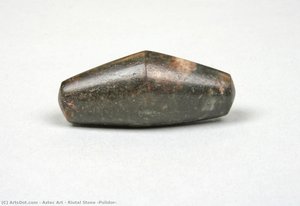
      Riutal Stone (Pulidor) (1521) by Aztec Empire
      #17

      Riutal Stone (Pulidor)

      1521 · Metropolitan Museum of Art

      To gaze upon this Riutal Stone (Pulidor) is not merely to observe an artifact; it is to touch the deep, resonant silence of a vanished civilization. This piece,…

      Have it painted by hand →
      Ear Spool (1521) by Aztec Empire
      #18

      Ear Spool

      1521 · Metropolitan Museum of Art

      Before us lies a fragment of a vanished world, a tangible link to the ingenuity and ritualistic practices of the Aztec Empire. This meticulously crafted ear spool, fashioned…

      Have it painted by hand →
      Seated Female Deity (1521) by Aztec Empire
      #19

      Seated Female Deity

      1521 · Metropolitan Museum of Art

      In the quiet shadows of history, certain objects possess the power to bridge the gap between the mortal realm and the eternal. The Seated Female Deity, a profound…

      Aztec Sun Stone (Calendar Stone) (1427) by Aztec Empire
      #20

      Aztec Sun Stone (Calendar Stone)

      1427

      The Aztec Sun Stone (Calendar Stone) is a significant work attributed to the Aztec Empire. Carved by the Mexica at the end of the Mesoamerican Postclassic Period, this…

      Seated Male Deity (1521) by Aztec Empire
      #31

      Seated Male Deity

      1521 · Metropolitan Museum of Art

      Before us stands a testament to the profound artistry and spiritual depth of the Aztec Empire – a weathered stone sculpture known as the “Seated Male Deity,” or…

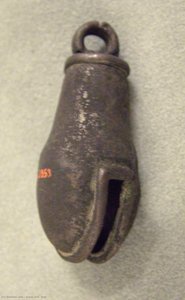
      Bell (1521) by Aztec Empire
      #32

      Bell

      1521 · Metropolitan Museum of Art

      Imagine holding a piece of history – not just an artifact, but a tangible echo of a vanished empire. This bronze bell, unearthed from the ruins of Tenochtitlan…

      Bring this light home →
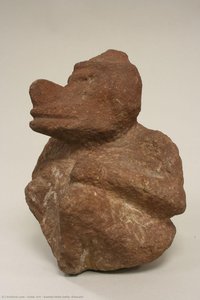
      Spider Monkey (1521) by Aztec Empire
      #33

      Spider Monkey

      1521 · Rhode Island School of Design Museum of Art

      This exceptional hand-painted reproduction captures a pivotal moment in Aztec artistic expression – the creation of a remarkably detailed sculpture depicting a spider monkey, dating back to 1521.…

      Cihuateotl (1521) by Aztec Empire
      #34

      Cihuateotl

      1521 · Metropolitan Museum of Art

      The stone sculpture known as “Cihuateotl,” a formidable figure emerging from the heart of the Aztec Empire, offers more than just a visual representation; it’s a window into…

      Have it painted by hand →
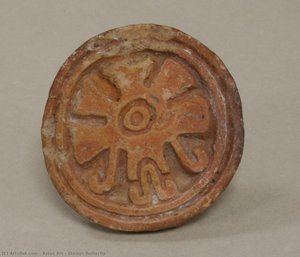
      Stamp (1521) by Aztec Empire
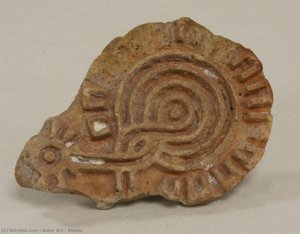
      #35

      Stamp

      1521 · Metropolitan Museum of Art

      Before us lies a terracotta fragment, not merely an artifact but a window into the heart of the Aztec Empire. Designated simply as “Stamp,” this weathered ceramic seal…

      Bring this light home →
      Feathered Serpent Ornament (1521) by Aztec Empire
      #36

      Feathered Serpent Ornament

      1521 · Metropolitan Museum of Art

      In the quiet, hallowed halls of the Metropolitan Museum of Art, there exists a treasure that transcends the boundaries of time and geography. The Feathered Serpent Ornament is…

      Relief (1521) by Aztec Empire
      #37

      Relief

      1521 · Metropolitan Museum of Art

      “Relief,” a meticulously crafted stone carving from the heart of the Aztec Empire, stands as more than just an artistic object; it's a window into a vanished world.…

      Bring this light home →
      Eagle Head Ornament by Aztec Empire
      #38

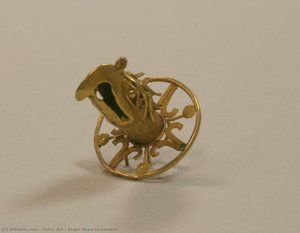
      Eagle Head Ornament

      Metropolitan Museum of Art

      Before us lies a captivating artifact – an Aztec Eagle Head Ornament, a tangible link to one of Mesoamerica's most formidable empires. More than just a decorative object,…

      Bring this light home →
      Skull Pendant by Aztec Empire
      #39

      Skull Pendant

      Metropolitan Museum of Art

      Gazing upon this black and white photograph, one is immediately drawn to the stark simplicity and profound symbolism of the Aztec skull pendant. More than a mere decorative…

      Order this canvas →
      Stamp (1521) by Aztec Empire
      #40

      Stamp

      1521 · Metropolitan Museum of Art

      Within the realm of ancient Mesoamerica lies a deceptively simple object – a terracotta stamp, often referred to as a “stamp” in modern parlance. Yet, this unassuming artifact…

      Order this canvas →
      Female Deity by Aztec Empire
      #41

      Female Deity

      Metropolitan Museum of Art

      The photograph before you offers an arresting window into the heart of Aztec spirituality – a sculpted representation of a female deity, rendered with a profound sense of…

      Have it painted by hand →
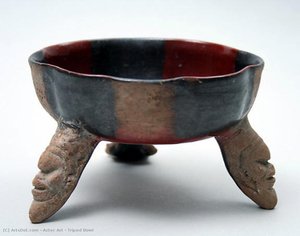
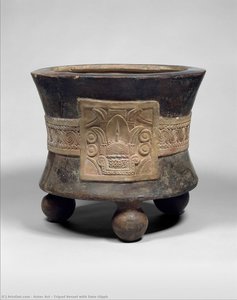
      Tripod Bowl by Aztec Empire
      #42

      Tripod Bowl

      Metropolitan Museum of Art

      To gaze upon this Tripod Bowl is to reach across the vast expanse of time, directly into the vibrant heart of the Aztec Empire. It is not merely…

      Maize Deity (Chicomecoatl) by Aztec Empire
      #43

      Maize Deity (Chicomecoatl)

      Metropolitan Museum of Art

      Carved from basalt, this sculpture represents Chicomecoatl, the Mexica goddess of maize. The figure is rendered in a frontal, upright posture with arms raised in a gesture of…

      Seated Female Deity by Aztec Empire
      #44

      Seated Female Deity

      Metropolitan Museum of Art

      Seated Female Deity: A Reflection of Aztec Spirituality The image presents a grayscale photograph of an Aztec sculpture depicting a seated female deity. The sculpture is rendered in…

      Kneeling Male Figure by Aztec Empire
      #45

      Kneeling Male Figure

      Metropolitan Museum of Art

      To gaze upon the Kneeling Male Figure is to reach across the vast chasm of five centuries, touching the solemn breath of an empire long dissolved into myth…

      Seated Male by Aztec Empire
      #46

      Seated Male

      Metropolitan Museum of Art

      is a stone sculpture created by the Aztec Empire. Originating from Mexico, Mesoamerica, the work belongs to the Mexica (Aztec) culture. It dates to the 15th–early 16th century.

      Ritual Stone (pulidor) (1521) by Aztec Empire
      #47

      Ritual Stone (pulidor)

      1521 · Metropolitan Museum of Art

      Ritual Stone (Pulidor): Echoes of Aztec Majesty The image presents a captivating glimpse into the artistic heritage of the Aztec Empire—specifically, a meticulously crafted green stone artifact known…

      Order this canvas →
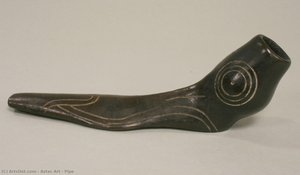
      Pipe (1521) by Aztec Empire
      #50

      Pipe

      1521 · Metropolitan Museum of Art
      Seated Male Deity by Aztec Empire
      #51

      Seated Male Deity

      Metropolitan Museum of Art

      The Aztec Empire, a civilization that flourished in Mesoamerica for centuries, left behind a legacy of breathtaking artistry and profound spiritual belief. Among its most compelling creations stands…

      Have it painted by hand →
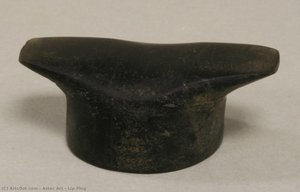
      Lip Plug by Aztec Empire
      #52

      Lip Plug

      Metropolitan Museum of Art

      To gaze upon this artifact is to reach across the vast expanse of time, touching the cool, dark permanence of an ancient civilization. This piece, an Aztec Lip…

      Have it painted by hand →
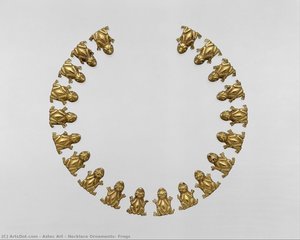
      Necklace Ornaments, Frogs by Aztec Empire
      #53

      Necklace Ornaments, Frogs

      Metropolitan Museum of Art

      To gaze upon these meticulously crafted golden frog ornaments is to step directly into the vibrant heart of the ancient Aztec world. They are not merely decorative beads;…

      Bring this light home →
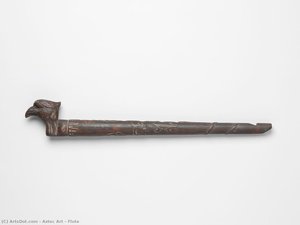
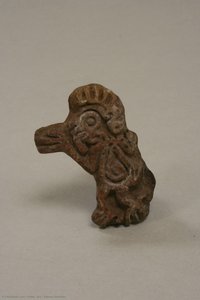
      Uilacapitztli (Pottery Flute) by Aztec Empire
      #54

      Uilacapitztli (Pottery Flute)

      Metropolitan Museum of Art

      To gaze upon the Uilacapitztli is not merely to observe an artifact; it is to reach across the vast expanse of centuries and touch the very breath of…

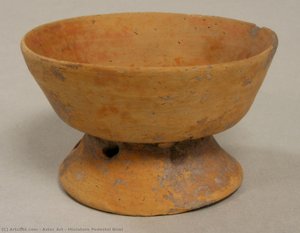
      Miniature Pedestal Bowl by Aztec Empire
      #55

      Miniature Pedestal Bowl

      Metropolitan Museum of Art

      To gaze upon this miniature pedestal bowl is to reach across the vast expanse of time, to hold in one's hands a tangible whisper from the heart of…

      Standard-Bearer (1519) by Aztec Empire
      #57

      Standard-Bearer

      1519

      This stark figure displays the minimalism and monumentality of Aztec stone sculpture. The rigid pose resembles the block of stone from which it was carved. In contrast, the…

      Have it painted by hand →
      Drum (Teponaztli) by Aztec Empire
      #58

      Drum (Teponaztli)

      Metropolitan Museum of Art

      To gaze upon this representation of an Aztec Teponaztli is not merely to observe an artifact; it is to listen for a silence that holds echoes. This magnificent…

      Tripod Vessel with Date Glyph by Aztec Empire
      #59

      Tripod Vessel with Date Glyph

      Metropolitan Museum of Art

      The image before us presents more than just a ceramic object; it’s a tangible fragment of the Aztec Empire, a silent chronicle etched in clay and imbued with…

      Bowl by Aztec Empire
      #60

      Bowl

      Metropolitan Museum of Art

      Gazing upon this meticulously rendered reproduction of an Aztec bowl is akin to stepping back in time, directly into the heart of Tenochtitlan, the magnificent capital city of…

      Order this canvas →
      Maize Deity (Chicomecoatl) by Aztec Empire
      #61

      Maize Deity (Chicomecoatl)

      Metropolitan Museum of Art

      Standing before this weathered stone sculpture, one is immediately transported to the heart of ancient Mexico – a realm where the divine intertwined seamlessly with the rhythms of…

      Stamp, Butterfly by Aztec Empire
      #62

      Stamp, Butterfly

      Metropolitan Museum of Art

      Stamp, Butterfly - A Fragment of Aztec Cosmology The image presents a captivating glimpse into the artistic heritage of the Aztec Empire—specifically, a ceramic stamp depicting a butterfly…

      Bring this light home →
      Flute by Aztec Empire
      #63

      Flute

      Metropolitan Museum of Art

      Within the vast tapestry of Aztec artistry lies a deceptively simple instrument – the flute, often referred to as *uilacapitztli* (meaning “flute-head”). More than just a musical device,…

      Order this canvas →
      Miniature Pedestal Bowl by Aztec Empire
      #64

      Miniature Pedestal Bowl

      Metropolitan Museum of Art

      Gazing upon this exquisite miniature pedestal bowl offers more than just an appreciation of its delicate form; it’s a portal into the heart of the Aztec Empire, a…

      Ear Ornament by Aztec Empire
      #65

      Ear Ornament

      Metropolitan Museum of Art

      To hold an object from the heart of the Aztec Empire is to touch the very pulse of Mesoamerican history. This exquisite ear ornament, a masterwork of the…

      Miniature Tripod Vase by Aztec Empire
      #66

      Miniature Tripod Vase

      Metropolitan Museum of Art

      The world of ancient Mesoamerica pulses with an undeniable energy – a vibrant blend of ritual, conquest, and breathtaking artistry. Within this rich tapestry, the miniature tripod vase…

      Have it painted by hand →
      Stamp, Monkey by Aztec Empire
      #67

      Stamp, Monkey

      Metropolitan Museum of Art

      Imagine holding a tangible piece of history – a small, unassuming ceramic stamp from the heart of the Aztec Empire. This particular artifact, depicting a stylized monkey in…

      Bring this light home →
      Bowl by Aztec Empire
      #68

      Bowl

      Metropolitan Museum of Art

      In the quiet presence of this ancient Aztec bowl, one can almost hear the rhythmic pulse of a civilization that once commanded the heart of Mesoamerica. This ceramic…

      Flat Stamp with Geometric Flower by Aztec Empire
      #69

      Flat Stamp with Geometric Flower

      Metropolitan Museum of Art

      This striking ceramic stamp, a relic of the Aztec Empire, isn’t merely an artifact; it's a portal to a civilization brimming with intricate symbolism and profound artistic skill.…

      Aztec Empire's canvases, period by period

      What Aztec Empire painted most

      The four subjects that return most often on these canvases, each with its best-loved example.

      Where Aztec Empire's canvases hang

      The 5 museums that hold the most of the paintings on this page.

      Museum City Works by Aztec Empire Paintings from this list
      Metropolitan Museum of Art, New YorkMetropolitan Museum of Art New York 51 Head from a Figure, Xochipilli Macuilxochitl, Figure, Kneeling Male Figure
      British Museum, LondonBritish Museum London 1 Mosaic of a Double-headed Serpent
      Cleveland Museum of Art, ClevelandCleveland Museum of Art Cleveland 1 Pendent in the Shape of a Warrior
      Rhode Island School of Design Museum of Art, ProvidenceRhode Island School of Design Museum of Art Providence 1 Spider Monkey
      Dumbarton Oaks Research Library and Collection, Washington, D.C.Dumbarton Oaks Research Library and Collection Washington, D.C. 1 Tlazolteotl (Birthing Figure)

      Aztec Empire's most famous canvas, decade after decade

      1. 1350s
        Pendent in the Shape of a Warrior (1350) by Aztec Empire
        Ranked 6 of 70

        Pendent in the Shape of a Warrior

        Age 50 – 59 · Cleveland Museum of Art

        To hold this piece in your mind is to encounter the quiet strength of the Post-classic period. This small, metallic figure, likely worn close to the body, captures…

      2. 1420s
        Aztec Sun Stone (Calendar Stone) (1427) by Aztec Empire
        Ranked 20 of 70

        Aztec Sun Stone (Calendar Stone)

        Age 120 – 129

        The Aztec Sun Stone (Calendar Stone) is a significant work attributed to the Aztec Empire. Carved by the Mexica at the end of the Mesoamerican Postclassic Period, this…

      3. 1460s
      4. 1480s
      5. 1500s
        Coyote (1500) by Aztec Empire
        Canvas 23 of 70

        Coyote

        Age 200 – 209
      6. 1510s
        Standard-Bearer (1519) by Aztec Empire
        Canvas 57 of 70

        Standard-Bearer

        Age 210 – 219

        This stark figure displays the minimalism and monumentality of Aztec stone sculpture. The rigid pose resembles the block of stone from which it was carved. In contrast, the…

      7. 1520s
        Mosaic of a Double-headed Serpent (1521) by Aztec Empire
        Ranked 1 of 70

        Mosaic of a Double-headed Serpent

        Age 220 – 221 · British Museum

        To gaze upon this mosaic of a double-headed serpent is to step directly into the vibrant, myth-laden heart of the Aztec Empire. It is not merely an object…

      Aztec Empire's canvases, question by question

      Which canvas is Aztec Empire most remembered for?Read the answer

      Mosaic of a Double-headed Serpent (1521), British Museum, London. Head from a Figure, Xochipilli Macuilxochitl (1521) and Figure (1521) follow.

      Mosaic of a Double-headed Serpent: how old was Aztec Empire when it was painted?Read the answer

      Aztec Empire, born in 1300, was 221 years old: Mosaic of a Double-headed Serpent dates from 1521.

      What are Aztec Empire's ten most famous canvases?Read the answer

      Mosaic of a Double-headed Serpent, Head from a Figure, Xochipilli Macuilxochitl, Figure, Kneeling Male Figure, Serpent Labret with Articulated Tongue, Pendent in the Shape of a Warrior, Figure, Vulture Vessel, Standard Bearer and Crested Figure (Macuilxochitl). Each canvas in the ranking above comes with its year and its museum.

      How many paintings did Aztec Empire create?Read the answer

      70 works by Aztec Empire are in our catalogue, dated 1350 to 1521.

      Where do Aztec Empire's most famous canvases hang today?Read the answer

      Mostly in Metropolitan Museum of Art (New York), British Museum (London) and Cleveland Museum of Art (Cleveland); the list above names each museum and its canvases.

      When did Aztec Empire paint the most famous canvases?Read the answer

      In 1520s, which gave 29 of the 70 works on this page, Mosaic of a Double-headed Serpent among them.

      Which famous Aztec Empire canvas came first, and which came last?Read the answer

      The earliest canvas here is Pendent in the Shape of a Warrior (1350); the latest is Mosaic of a Double-headed Serpent (1521).

      Which subjects did Aztec Empire paint most?Read the answer

      Mesoamerica (21), Sculpture (14) and Ancient art (10), across the 70 works on this page.

      Which medium appears most in Aztec Empire's paintings?Read the answer

      Acrylic On Canvas, used in 16 of the 70 works on this page.

      Which paintings by Aztec Empire are held by the Metropolitan Museum of Art?Read the answer

      The Metropolitan Museum of Art, New York holds 51 of the works on this page, among them Head from a Figure, Xochipilli Macuilxochitl, Figure and Kneeling Male Figure.

      Where can I buy a reproduction of a Aztec Empire painting?Read the answer

      Yes. Every painting on this page can be ordered from its own page as an oil reproduction painted by hand, or as a fine art print, in the size you choose.

      Meet the painter: Aztec Empire

      The Echoes of Stone: Exploring the Art and Legacy of the Aztec Empire

      The name “Aztec” – derived from the Nahuatl word *ātl-ce-tlācati–tlān*, meaning "people of many forms" – conjures images of a vast, complex empire that dominated Mesoamerica for centuries. More than just warriors and conquerors, the Aztecs were profoundly artistic individuals, weaving intricate beauty into every facet of their lives—from monumental architecture to delicate featherwork, from sacred rituals to daily objects. Their art wasn’t merely decorative; it was a vibrant language, communicating religious beliefs, political power, historical narratives, and social hierarchies within a society both rigidly structured and remarkably innovative.

      Born in the early 14th century in Tenochtitlan, the heart of the Aztec Empire, the artistic traditions of the Aztecs were deeply rooted in the legacies of earlier Mesoamerican civilizations. The Olmecs, with their colossal heads and sophisticated calendar systems, the Teotihuacans, renowned for their massive pyramids and urban planning, and the Toltecs, masters of metalworking and sculpture, all contributed to the rich artistic tapestry that the Aztecs inherited. However, the Aztecs weren’t simply imitators; they synthesized these influences with their own unique aesthetic sensibilities, developing a distinctive style characterized by bold colors, intricate geometric patterns, and symbolic representations.

      A Palette of Power: Materials and Techniques

      Aztec art was remarkably diverse, employing an astonishing range of materials and techniques. Stone carving held a prominent place, exemplified by monumental sculptures depicting deities, rulers, and mythical creatures. The massive Sun Stone (Calendar Stone), discovered in 1946, stands as a testament to their mastery of this medium—a complex, layered stone relief that combined calendrical information with cosmological symbolism. Skilled artisans also worked with wood, clay, feathers – particularly the vibrant quetzal plumes – jade, turquoise, obsidian, and gold, reflecting both wealth and status.

      Featherwork was perhaps the most visually arresting aspect of Aztec art. Intricately crafted headdresses, cloaks, shields, and other decorative items were created using thousands of meticulously arranged feathers—a process requiring immense skill and patience. These objects weren’t merely beautiful; they served as potent symbols of authority, religious devotion, and social rank. The colors themselves held specific meanings: blue represented the heavens, green symbolized fertility, red signified warfare, and yellow represented the sun.

      Furthermore, Aztec artists were masters of mosaic work, creating stunning decorative panels using small, precisely cut stone tiles. These mosaics adorned temples, palaces, and private residences, adding a layer of visual richness to the built environment. Their pottery was equally impressive, featuring intricate geometric designs and depictions of animals and deities.

      The Language of Symbols: Themes and Motifs

      Aztec art is replete with symbolism, each image carrying layers of meaning that required careful interpretation by priests, scribes, and rulers. The central deity, Huitzilopochtli, the god of war and sun, was frequently depicted in elaborate headdresses adorned with feathers and precious stones. Quetzalcoatl, the feathered serpent god associated with knowledge, wisdom, and creation, held a prominent place in their pantheon and appeared in numerous artistic representations.

      The calendar system—a remarkably sophisticated combination of solar and ritual cycles—was another recurring motif. Images of calendars, glyphs, and astronomical symbols were incorporated into sculptures, mosaics, and codices (illustrated books), reflecting the Aztecs’ deep understanding of time and cosmology. Representations of maize, the staple crop of their diet, symbolized sustenance and fertility. Animal imagery—particularly jaguars, eagles, snakes, and hummingbirds—carried symbolic significance related to power, courage, and divinity.

      A Legacy in Fragments: Art and Historical Significance

      The Aztec Empire’s sudden collapse at the hands of Spanish conquistadors in 1521 resulted in a devastating loss for Mesoamerican culture. Tragically, much of their artistic heritage was destroyed during the conquest—temples were razed, sculptures smashed, and codices burned. However, despite these losses, fragments of Aztec art survive today, offering invaluable insights into this remarkable civilization.

      Notable examples include the Sun Stone, a monumental sculpture that showcases the Aztecs’ advanced knowledge of astronomy and mathematics; intricate featherwork headdresses and cloaks preserved in museums around the world; and surviving codices—handwritten books containing historical accounts, religious beliefs, and calendrical information. The *Colección Andrés Blaisten* in Mexico houses a significant collection of Latin American art, including examples that illuminate Aztec artistic traditions.

      The influence of the Aztec Empire’s artistic legacy can still be seen today, inspiring contemporary artists and designers alike. Their innovative techniques, symbolic imagery, and profound connection to nature continue to resonate with audiences worldwide. Exploring the art of the Aztecs is not merely an exercise in historical appreciation; it's a journey into the heart of a complex and captivating civilization—a testament to human creativity, ingenuity, and spiritual depth.

      To explore more artworks from the Aztec Empire and other notable artists, visit TopImpressionists.com.

      All 70 works by Aztec Empire →