

A Sanctuary of Heritage: The Oromia Museum
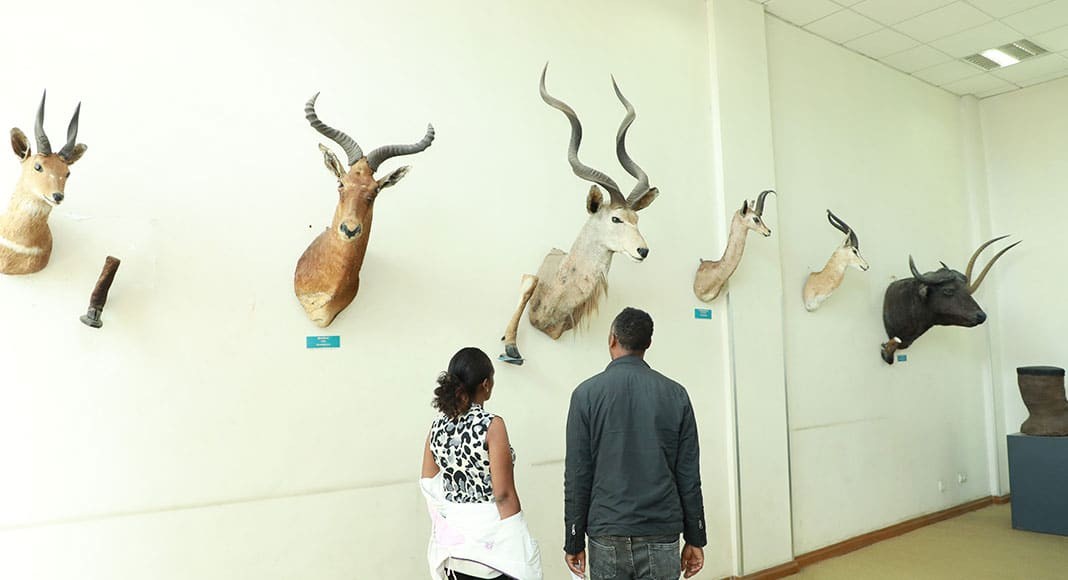
In the vibrant, beating heart of Addis Ababa, where the high-altitude air meets a tapestry of diverse cultures, stands the Oromia Museum . It is not merely a repository for artifacts but a living, breathing chronicle of identity and resilience. To step through its doors is to embark on a sensory journey through time, leaving the modern bustle of Ethiopia’s capital behind to enter a space where every texture and pigment tells a story of ancestral pride. For the art lover, the museum offers a profound encounter with the soul of the Oromo people, presenting a collection that transcends simple aesthetics to touch upon the very essence of human endurance and communal beauty.
The Artistry of IdentityThe collection within the Oromia Museum is a masterclass in the intersection of utility and high art. Visitors are often captivated by the intricate craftsmanship of traditional textiles, where every woven thread serves as a silent language of lineage and social standing. The museum showcases an exquisite array of ceremonial regalia, adorned with beadwork that catches the light like fallen stars, and leatherwork that demonstrates a sophisticated mastery over organic materials. Beyond the physical objects, the museum preserves the intangible; through curated displays of traditional tools and ritualistic implements, one can sense the rhythmic pulse of ancient ceremonies. For collectors and interior designers, these pieces represent more than historical relics—they are profound examples of how functional objects can achieve a level of sculptural elegance that commands any space.
A Legacy PreservedThe architecture of the museum serves as a dignified vessel for this vast cultural wealth. Designed to evoke a sense of permanence and reverence, the structure provides a contemplative atmosphere where the shadows and light play across the exhibits, much like the shifting landscapes of the Ethiopian highlands. The history of the institution is one of dedicated stewardship, established to ensure that the rich traditions of the Oromo heritage are not lost to the tides of globalization. Each exhibition is carefully curated to weave together the threads of historical significance with contemporary relevance, often featuring rotating displays that highlight the evolution of local craftsmanship. It is this seamless blend of the ancient and the evolving that makes the Oromia Museum a unique destination, offering an emotional depth that invites viewers to reflect on their own connections to heritage and the enduring power of cultural memory.