


 Vista previa
 Compartir
 Compartir
 Ver detalles
 Guía
Guía

 Descargar
 Ver artículos similares
 Radiografía
 Presentación de diapositivas
 Estadísticas
Riesengebirge (Memories of the Giant Mountains)

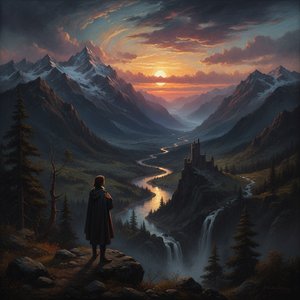
Una impresionante pintura paisajística de Caspar David Friedrich que captura la esencia del Romanticismo alemán con colores suaves y una atmósfera evocadora, reflejando la belleza sublime de las montañas Riesengebirge.
 Leer más
Caspar David Friedrich (1774-1840) fue un pintor paisajista romántico alemán, reconocido por obras evocadoras y simbólicas que exploran la espiritualidad y el sublime en la naturaleza. Temas clave: ruinas góticas, cielos vastos, introspección. Pionero del Romanticismo alemán.
Reproducción al óleo hecha a mano
Óleo sobre lienzo pintado a mano en el tamaño y marco de su elección, realizado por encargo por nuestros artistas. ( Cambiar a formato impreso Ver versión en imagen digital)




P118B $10

P118H $10

P118W $10

P438Z $10

P508JH $12

P508YH $12

P805H $10

P805Z $10

P919BZ $10

P919G $10

P919XJ $10

P959ZH $10

P968JZ $12

W106C $8

W218G $10

W218JH $8

W218Y $10

W307PJ $10

W316G $10

W316PJ $8

W316Y $10

W398PJ $8

W4111J $10

W500HY $15

W500JH $15

W692G $12

W849H $8

W940BG $15

W953PJ $8




Estándar
personalizado
CM
INCH
Elija entre nuestros tamaños predefinidos que respetan las proporciones originales de la obra.
Loading sizes...

ancho
altura
Puede ingresar sus propias dimensiones para adaptarse a un marco o espacio específico. Si el tamaño seleccionado no coincide con las proporciones de la imagen original, recortaremos la obra o extenderemos la pintura con elementos adicionales pintados a mano. Se le enviará una maqueta digital para su aprobación antes de comenzar la producción.
Tenga en cuenta que la vista previa en pantalla no refleja el recorte o la extensión reales. Solo la maqueta mostrará con precisión la composición final.
Si bien existen tamaños personalizados, recomendamos seleccionar una dimensión de la lista predefinida para preservar las proporciones originales.
Ejemplos de lo que se puede personalizar: Reemplace el rostro con una foto del cliente; Agregue una mascota (por ejemplo, cambie un gato por un perro); Incluya un mensaje oculto en el fondo; Cambie el paisaje o los elementos del fondo.
Tras realizar el pedido, el equipo de TopImpressionists.com enviará un correo electrónico al cliente para solicitar instrucciones y proporcionarle una vista previa del boceto.
Tras realizar el pedido, el equipo de TopImpressionists.com enviará un correo electrónico al cliente para solicitar instrucciones y proporcionarle una vista previa del boceto.
Envío a todo el mundo () en 3-4 semanas en lugar de las 5 semanas estándar. (23 septiembre). Sin comprometer la calidad.

Envío exprés gratuito a todo el mundo

Lienzo de lino de alta calidad

Seguro de envío completo

Garantía de reembolso de impuestos aduaneros

Garantía de fidelidad cromática exacta

Política de devolución de 100 días (solo por defectos)

Garantía de devolución del 100% del dinero

Oferta por volumen
 La opción de vidrio solo está disponible en tamaños inferiores a 110 cm.

Riesengebirge (Memories of the Giant Mountains)
Técnica de reproducción
Tamaño de la reproducción
-


Precio total
$ 269
Riesengebirge (Memories of the Riesengebirge ) – A Symphony in Stone and Soul
The Riesengebirge (Memories of the Riesengebirge) is a breathtaking landscape painting by the renowned German artist Caspar David Friedrich. Created in the early 19th century, this masterpiece embodies the essence of the Romantic movement, characterized by its emphasis on emotion, imagination, and the beauty of nature.The painting features a serene mountain range, with the Riesengebirge mountains as its focal point. The artist’s use of soft, muted colors and delicate brushstrokes creates a sense of depth and atmosphere, drawing the viewer into the tranquil world of the painting. The absence of human presence in the landscape serves to underscore the majesty and vastness of nature, inviting the viewer to contemplate the spiritual and emotional essence of the scene.
Friedrich’s vision wasn't merely about depicting mountains; it was about conveying a profound experience—a feeling of awe and solitude before the sublime. He sought to capture not just what he saw but what he *felt*, reflecting the Romantic preoccupation with inner states and subjective perception.
Style and Technique: The Language of Feeling
Friedrich’s artistic style is undeniably distinctive, aligning perfectly with the tenets of Romanticism. Rejecting the formal conventions of Neoclassicism—which prioritized reason and order—he championed expressive art that prioritized emotion and intuition. His technique involved meticulous observation combined with a masterful manipulation of color and texture. He employed thin washes of pigment layered upon each other to achieve luminous effects, capturing the subtle gradations of light and shadow within the mountain landscape.The artist’s brushstrokes are deliberate and controlled, conveying a sense of stillness and contemplation. Friedrich meticulously studied geological formations and atmospheric conditions, striving for accuracy while simultaneously prioritizing artistic interpretation. This careful approach resulted in paintings that resonate with an almost palpable energy—a feeling of profound serenity mingled with melancholy.
Historical Context: Romanticism’s Response to Enlightenment
The painting emerged during a pivotal moment in European intellectual history – the waning influence of the Enlightenment and the ascendance of Romanticism. The Enlightenment championed reason, scientific inquiry, and universal human rights, whereas Romanticism reacted against these ideals, prioritizing imagination, emotion, and intuition.Friedrich’s work reflects this shift by rejecting the rational idealism of his predecessors in favor of a more subjective engagement with nature. He tapped into anxieties about industrialization and urbanization—forces that threatened to diminish humanity's connection to the natural world.
The painting speaks to a broader cultural preoccupation with spirituality and transcendence, mirroring the Romantic yearning for communion with something greater than oneself. It embodies the belief that beauty could inspire moral contemplation and elevate the human spirit.
Symbolism: Echoes of Eternity
Beyond its visual splendor, Riesengebirge (Memories of the Riesengebirge) is laden with symbolic meaning. The towering mountains represent permanence and majesty—symbols of God’s eternal power and beauty.The misty atmosphere evokes a sense of mystery and contemplation, suggesting that nature holds secrets beyond human comprehension.
Friedrich's deliberate use of color – predominantly muted blues and greens – reinforces the painting's mood of tranquility and spiritual reflection. The solitary figure positioned at the base of the mountains serves as a reminder of humanity’s insignificance in comparison to the grandeur of creation.
It invites viewers to contemplate questions of faith, mortality, and the relationship between humankind and the divine—themes central to Romantic thought.
Emotional Impact: A Journey into Inner Consciousness
Looking at Riesengebirge (Memories of the Riesengebirge) is akin to embarking on a psychological pilgrimage.The painting’s stillness and grandeur inspire feelings of awe and reverence—a recognition of the sublime beauty that transcends rational understanding.
It evokes nostalgia for a simpler time, when humanity experienced a deeper connection with the natural world.
Friedrich's masterpiece continues to captivate audiences today because it speaks directly to our innermost emotions—our yearning for solace, wonder, and spiritual insight. Its enduring power lies in its ability to transport us beyond the everyday into a realm of contemplation and transcendence. handmade oil painting reproductions of Riesengebirge (Memories of the Riesengebirge) are available for purchase from TopImpressionists.com, allowing art lovers to bring a piece of this masterpiece into their own homes.
For more information on TopImpressionists.com or consult the Wikipedia page dedicated to this influential artist.
Biografía del artista
vida temprana y carrera
caspar david friedrich, una figura destacada del movimiento romántico alemán, nació el 5 de septiembre de 1774, en Greifswald, que entonces formaba parte de Pomerania sueca. Sus primeros años estuvieron marcados por una inclinación innata hacia el arte, lo que le llevó a estudiar en la Universidad de Leipzig y posteriormente en Copenhague.estilo artístico y temas
La obra de Friedrich se caracteriza por el uso profundo de elementos góticos y fenómenos naturales para evocar una profunda contemplación y un sentido del sublime. Sus paisajes a menudo disminuyen las figuras humanas para resaltar la inmensidad del mundo natural, reflejando el cambio social de su época hacia la espiritualidad en lugar de los beneficios materiales.- abbey among oak trees, un estado intermedio después de la eliminación del aglutinante viejo y retoques, muestra la maestría de Friedrich para capturar la esencia de la naturaleza (alte nationalgalerie, Berlín, Alemania, fotografía).
- Morning (óleo) ejemplifica su capacidad para representar escenas serenas e introspectivas.
- northern landscape, spring (óleo) y landscape in the riesengebirge (óleo) demuestran aún más su habilidad para capturar la belleza de la naturaleza en diferentes estaciones y paisajes.
influencia y legado
La influencia de Friedrich en la historia del arte es profunda, siendo su obra pionera del romanticismo alemán. Su estilo contemplativo, aunque inicialmente celebrado, cayó fuera de sintonía con el progreso industrial de Alemania más tarde. Sin embargo, a fines del siglo XX, fue aclamado como un artista de renombre internacional. puntos clave en la carrera de Friedrich:- reconocimiento temprano por su 'tragedia del paisaje' en su obra.
- declive en popularidad durante su vida posterior debido al progreso industrial en Alemania.
- aclamación póstuma como pionero del romanticismo alemán a fines del siglo XX.
explore more at TopImpressionists
Para una extensa base de datos de obras de arte y biografías de artistas, incluyendo las obras de Caspar David Friedrich, visite [https://TopImpressionists.com](https://TopImpressionists.com). Descubra la evolución del arte occidental a través de los siglos, desde la Edad Media temprana hasta la era moderna, con la wahoo art timeline. Aprenda sobre las figuras clave en la historia del arte y explore los diferentes estilos y movimientos que dieron forma al mundo del arte.
Caspar David Friedrich
1774 - 1840 , Alemania
Datos clave
- Artistas Que Influyeron:
- Jacob van Ruisdael
- Immanuel Kant
- Fecha De Muerte: 7 de mayo de 1840
- Fecha De Nacimiento: 5 de septiembre de 1774
- Influencia Artística:
- Simbolistas
- Surrealistas
- Lugar De Nacimiento: Greifswald, Alemania
- Movimiento Artístico: Romanticismo alemán
- Nacionalidad: Alemán
- Nombre Completo: Caspar David Friedrich
- Obras Notables:
- El mar de hielo
- El caminante sobre el
- Abadía en el hayedo
- Acantilados de tiza en Rügen
Artículos relacionados
Capturing the Soul: The Emotional Majesty and Sublime Power of Romantic Landscape Painting
Explore the profound emotional depth of Romantic landscape painting. Discover how masters like Turner and Friedrich captured the sublime power of nature through intuition and imagination in this expert art history retrospective.

Capturing the Soul: The Emotional Magic and Sublime Grandeur of Romantic Landscape Painting
Explore the profound emotional depth of Romantic landscape painting. Discover how masters like Friedrich and Turner captured the sublime through light, shadow, and nature's power in this expert art history retrospective for discerning collectors.

Capturing the Soul of Nature: A Journey Through the Sublime Majesty of American Romanticism
Explore the breathtaking beauty of American Romanticism. Discover how Hudson River School masters captured the sublime spirit of the wilderness through luminous oil landscapes and emotional depth. A journey into the soul of nature for the true art enthusiast.
Explore obras de arte organizadas por temas, estilos y características.


