Beyond the Surface: How Texture and Light Bring Abstract Art to Life
Beyond the Surface: How Texture and Light Bring Abstract Art to Life
Discover the profound beauty of texture and light in abstract art. Explore how impasto techniques and sculptural layers create a living, breathing landscape of emotion, perfect for the discerning Impressionist lover seeking depth and soul in every brushstroke.
The Tactile Soul: Understanding Impasto as Sculptural Paint
Impasto is a technique used in painting where paint is laid on an area of the surface thickly, usually thick enough that the brush or painting-knife strokes are visible. Paint can also be mixed right on the canvas. When dry, impasto provides texture;...
To truly encounter a masterpiece is to move beyond the mere act of looking and enter a realm of profound tactile discovery. For those of us who have spent decades wandering through the hallowed halls of the Musée d'Orsay or the quiet sanctuaries of Giverny, we know that art is rarely just a flat surface; it is a living, breathing landscape. At the heart of this sensory experience lies the technique of impasto, a term derived from the Italian word for dough or mixture, suggesting a process as much about kneading and sculpting as it is about painting. When an artist applies pigment with such generosity that the brush or palette knife strokes remain visible, they are performing a feat of alchemy, transforming liquid oil into a three-dimensional relief.
This method breathes life into the canvas, allowing the paint to appear as if it is emerging from the very fabric itself. In the hands of a master, impasto becomes a structural architecture of color. We see this in the heavy, rhythmic energy of contemporary works like Christian Noiret’s Prismatic Gravity, where thick, raised quadrilates of pigment act as anchors within a sea of cream. It is a technique that demands intimacy; it invites you to trace the ridges and valleys with your eyes, feeling the weight and resistance of every stroke. This physical presence creates a sense of permanence, a grounding force in an increasingly digital age, reminding us that true beauty often possesses a tangible, sculptural soul.
A Symphony of Shadows: How Light Interacts with Raised Surfaces
A Vision of Sculptural Serenity Ethereal Monolith: A Sculptural Study in Ivory Impasto and Organic Textures is a profound exploration of depth, light, and tactile form. This piece emerges as a fresh, modern vision within our Plaster & Texture Art col...
If texture provides the body of a painting, then light is its breath. The magic of a textured canvas lies in its ability to engage in a constant, silent dialogue with the ambient light of the room. When paint is laid thickly upon the surface, it creates a complex topography of peaks and troughs. As you move through a gallery or walk past a painting in your own home, the angle of light shifts, casting micro-shadows within the crevices of the impasto. This interplay ensures that the artwork is never static; it is a shimmering, ever-changing entity.
Consider the way soft, directional lighting dances across a monochromatic landscape, such as an ivory study of organic textures. The raised ridges catch the brilliance of the light, while the deeper valleys retreat into subtle shadow, creating a luminous depth that no flat print could ever replicate. This is where the true artistry of the Impressionist tradition meets modern abstraction. Much like the masters sought to capture the fleeting essence of a sunlit moment, a textured painting captures the way light gets lost within layers of pigment. It creates a sense of movement and vitality, as if the shadows themselves are dancing across the canvas, responding to the very atmosphere of the space they inhabit.
From Impressionist Roots to Modern Abstraction: The Evolution of Texture
Post-Impressionism (also spelled Postimpressionism) was a predominantly French art movement which developed roughly between 1886 and 1905, from the last Impressionist exhibition to the birth of Fauvism. Post-Impressionism emerged as a reaction agains...
The journey of texture in art is a storied one, tracing a path from the delicate light-play of the Impressionists to the visceral, raw energy of modern abstraction. While the Impressionists—those luminaries like Monet, Reniment, and Renoir—were primarily concerned with the naturalistic depiction of light and color, they laid the essential groundwork for the expressive use of texture. They began to move away from the smooth, finished surfaces of classical traditions, using visible brushstrokes to convey the vibration of atmosphere and the fleeting nature of time.
As we transitioned into Post-Impressionism, artists like Vincent van Gogh took this a step further, utilizing impasto not just for light, but for pure emotional expression. For Van Gogh, the thick, swirling application of paint was a direct conduit for his internal landscape, where the texture itself became a symbol of psychological intensity. This evolution paved the way for contemporary visionaries who treat the canvas as a sculptural site. Today, we see artists like David Moreau bridging these eras, pulling from the structural traditions of European classical techniques while injecting them with the raw, visceral impulses of modern abstraction. The canvas has transformed from a window into a world into a topographical map of emotion, where the history of art is written in layers of grit, oil, and grace.
The Emotional Landscape: How Physical Depth Evokes Inner Feeling
A Vision of Tactile Serenity Fragmented Silence: A Monumental Study of Impasto Texture and Ethereal Light is a profound exploration of form, weight, and the interplay between shadow and substance. This piece presents a modern, avant-garde interpretat...
There is an inherent emotional resonance in the weight of a painting. A heavy, sculptural mass of pigment can evoke feelings of stability, strength, and even a certain monumental serenity. Conversely, when that texture becomes fragmented or appears to be in a state of beautiful instability—reminiscent of breaking ice or peeling plaster—it creates a meditative tension that draws the viewer into a microscopic landscape of introspection. The physical depth of the work mirrors the depths of our own human experience.
When we encounter works characterized by "fragmented silence," where thick, creamy impasto encroaches upon a serene field, we are forced to confront the balance between order and chaos. The tactile nature of the art allows us to feel the struggle and the triumph within the composition. A vibrant, prismatic explosion of color applied in thick blocks can evoke an undeniable sense of joy and vitality, while a monochromatic, textured landscape might offer a space for quiet contemplation and peace. In this way, the artist uses the physical properties of the medium to bypass the intellect and speak directly to the heart, using texture as a language of pure feeling.
Preserving the Masterpiece: Caring for Textured Oil on Canvas
For the dedicated collector, acquiring a hand-painted oil reproduction is an investment in both beauty and history. Because these works are characterized by their physical depth and the use of authentic materials like linseed or saffoar oils and flexible gesso, they require a certain level of stewardship to ensure they endure for generations. The very qualities that make them breathtaking—the raised ridges and deep valleys—are what make them precious.
To protect the integrity of the impasto, it is vital to avoid placing the artwork in direct, harsh sunlight, which can cause pigments to fade or the thick layers to become brittle over time. Furthermore, maintaining a stable environment free from extreme humidity fluctuations helps prevent the canvas from warping or the paint from cracking unexpectedly. We recommend using acid-free matting for prints and ensuring that framed pieces are hung with sturdy, reinforced supports. When properly cared for, and finished with a protective coat of Damar varnish to shield against dust and atmospheric pollutants, these masterpieces will remain vibrant, serving as a luminous legacy in your collection for decades to come. At TopImpressionists.com, we take immense pride in the academic excellence of our artists, ensuring every brushstroke is a testament to lasting craftsmanship.
Explora las 25 obras maestras de Vincent van Gogh. Un viaje emocional por el postimpresionismo, sus colores vibrantes y técnica de impasto. Encuentra reproducciones al óleo de calidad museo para tu hogar. Descubre todas las obras maestras en TopImpressionists.com.
Immerse yourself in the luminous world of Camille Pissarro. Explore 25 iconic Impressionist masterpieces, from breathtaking landscapes to vibrant light studies. Find inspiration for your decor with museum-quality art reproductions. Discover all masterpieces on TopImpressionists.com.
Immerse yourself in the tactile world of David Moreau. Explore our curated selection of 25 iconic textured artworks, celebrating his mastery of impasto and light. Find museum-quality reproductions for your collection. Discover all masterpieces on TopImpressionists.com.
Immerse yourself in the luminous world of Pierre-Auguste Renoir. Explore 25 iconic Impressionist masterpieces, from vibrant landscapes to soulful portraits. Find inspiration for museum-quality art reproductions and decor. Discover all masterpieces on TopImpressionists.com.
Immerse yourself in the luminous world of Laurent Fabre. Explore 25 iconic Neo-Abstract masterpieces, from geometric precision to vibrant color fields. Find museum-quality art reproductions and curated decor inspiration. Discover all masterpieces on TopImpressionists.com.
TIAsistente del AtelierEn línea · responde en un minuto
¡Hola! Puedo ayudarte a elegir una obra de arte, realizar el seguimiento de un pedido o resolver tus dudas sobre la garantía. ¿En qué puedo ayudarte hoy?



 Impasto
 Ethereal Monolith: A Sculptural Study in Ivory Impasto and Organic Textures
 Post-Impressionism
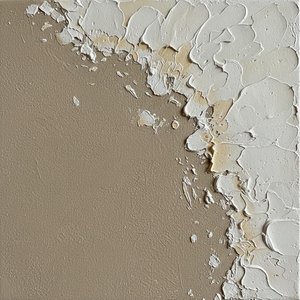 Fragmented Silence: A Monumental Study of Impasto Texture and Ethereal Light


