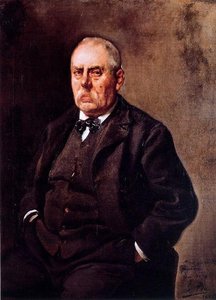
Cecilio Pla y Gallardo: Un Pintor de la España Rural
Cecilio Pla y Gallardo (1860 – 1934) emergió de Valencia, España, como una figura prominente en el movimiento del Costumbrismo, un género dedicado a retratar la vida cotidiana y los paisajes de la sociedad rural española. Aunque permaneció en gran medida en el anonimato durante su vida, el legado de Pla persiste a través de su labor docente en la Academia de San Fernando y su perdurable contribresión al patrimonio artístico español. Sus lienzos capturan no solo representaciones visuales, sino también una resonancia emocional que evoca el espíritu de una era pasada.
Primeros años y formación: Nacido en Valencia, los años formativos de Pla estuvieron marcados por la influencia de Marià Fortuny, un célebre pintor valenciano que defendió las técnicas impresionistas y exploró temas de la identidad española.
Estilo y técnica: El estilo artístico de Pla se inclinaba fuertemente hacia el Costumbrismo, priorizando el realismo combinado con una sutil pincelada impresionista. Empleó con maestría paletas de tonos apagados y se centró en capturar la atmósfera y los matices de los paisajes rurales, particularmente aquellos habitados por mujeres entregadas a las labores domésticas. Su meticulosa atención al detalle transmitía una comprensión profunda de sus sujetos.
Obras Notables y Logros Artísticos
La obra de Pla comprende numerosas pinturas que ejemplifican los principios fundamentales del Costumbrismo. “Retrato de Mujer”, que representa a una mujer serena en un entorno rural tranquilo, ejemplifica su capacidad para transmitir emoción a través de elementos visuales. Del mismo modo, "Pintura en paleta" presenta la paleta de un artista como telón de fondo para una escena doméstica, una elección deliberada que refleja la fascinación de Pla por capturar la esencia de la vida española y la práctica artística. “Escondidas”, que muestra a cuatro mujeres en un espacio interior silencioso, demuestra su dominio magistral de la armonía tonal y las pinceladas con textura.
Su labor en la Academia de San Fernando consolidó su reputación como educador, fomentando generaciones de aspirantes a artistas que abrazaron los ideales impresionistas.
Las pinturas de Pla continúan siendo estudiadas y apreciadas por su autenticidad y su evocadora representación de la vida rural española, un testimonio de su visión artística perdurable.
Influencia y Legado
La contribución de Cecilio Pla y Gallardo al Costumbrismo se extiende más allá de las obras individuales; él defendió un enfoque estilístico que priorizaba capturar el espíritu de España. Su influencia puede discernirse en las generaciones posteriores de pintores que buscaron representar la vida cotidiana con sensibilidad e integridad artística. La dedicación de Pla a la enseñanza aseguró que sus principios artísticos se difundieran por toda España, moldeando la trayectoria de la educación artística española.
Significado Histórico
Las pinturas de Pla y Gallardo se erigen como registros invaluables de un período específico de la historia de España: finales del siglo XIX. Ofrecen una visión profunda de las costumbres sociales, la vida doméstica y las sensibilidades artísticas prevalentes durante aquella época. Su obra contribuye a la narrativa más amplia de la expansión del Impresionismo por Europa y su adaptación dentro de la Península Ibérica.
Explore the captivating world of José Gutiérrez Solana, a pivotal Spanish Expressionist painter. Discover his haunting depictions of early 20th-century Spain, influenced by Goya & El Greco. Learn about his key works and lasting legacy.
Explore the life & art of Giuseppe Maria Crespi, a pivotal Bolognese Baroque painter. Discover his groundbreaking genre scenes, religious works, and lasting influence on Italian art history. Learn more at TopImpressionists.
Explore the dramatic world of Spanish Baroque art! Discover masters like Zurbarán & the powerful influence of religious zeal on painting techniques – a guide for collectors and enthusiasts.
TIAsistente del AtelierEn línea · responde en un minuto
¡Hola! Puedo ayudarte a elegir una obra de arte, realizar el seguimiento de un pedido o resolver tus dudas sobre la garantía. ¿En qué puedo ayudarte hoy?