
Índice de contenidos


De un vistazo
- Top-ranked work: Landscape with Churches
- Art period: Siglo XIX
- Copyright status: Public domain
- Top 3 works: Landscape with Churches
- Nationality: Estados Unidos
Un pequeño cuestionario
Cada pregunta tiene una única respuesta correcta.
Pregunta 1:
¿Dónde nació Charles C.E. Lermond?
Pregunta 2:
¿Qué caracteriza el estilo artístico de Lermond?
Pregunta 3:
¿En qué museo puedes encontrar obras de Lermond?
Pregunta 4:
¿En qué época desarrolló principalmente Charles C.E. Lermond?
Pregunta 5:
¿Por qué lugar famoso es Lermond por capturar la belleza?
Artículos relacionados

Winslow Homer: Las 25 Obras Maestras del Alma Americana | TopImpressionists
Descubre las 25 obras maestras de Winslow Homer, el pintor estadounidense del realismo y los paisajes marinos. Explora su técnica en óleo y acuarela, e inspírate para decorar tu hogar con arte atemporal. Reproducciones de alta calidad en TopImpressionists.com.


25 obras maestras que debes ver en el Cleveland Museum of Art
Explora 25 obras maestras del Cleveland Museum of Art. De Monet a Rodin, descubre su historia en TopImpressionists.com. ¡Explora la colección online!
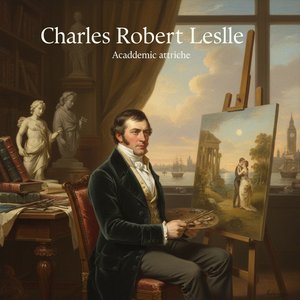
Charles Robert Leslie: Navigating Romantic Ideals & Academic Tradition
Explore the life & art of Charles Robert Leslie, a key figure bridging Romantic ideals with Victorian academic tradition. Discover his captivating portraits, literary scenes, and enduring legacy as Constable’s biographer.


Preguntas y respuestas
¿Dónde y cuándo nació Charles C. E. Lermond?
Charles C. E. Lermond nació en South Haven en 1858.
¿Dónde puedo ver la paleta cromática de la obra de Charles C. E. Lermond?
Consulte los colores que Charles C. E. Lermond utiliza con más frecuencia, analizados a través de sus obras.
¿Puedo visitar un museo virtual con las obras de Charles C. E. Lermond?
¿Puedo comprar una reproducción de una obra de Charles C. E. Lermond?
Sí. Consulte las reproducciones de las pinturas de Charles C. E. Lermond, disponibles tanto en óleos pintados a mano como en impresiones.
¿A qué periodo histórico pertenecía Charles C. E. Lermond?
Charles C. E. Lermond trabajó durante el periodo Siglo XIX. Este periodo sitúa la actividad del artista en su contexto histórico.
¿Dónde puedo ver las obras de Charles C. E. Lermond organizadas por atmósfera?
Mira las obras de Charles C. E. Lermond organizadas por estado de ánimo: cada pieza se clasifica según su atmósfera.
¿Cuáles son las pinturas más conocidas de Charles C. E. Lermond?
Vea las pinturas más famosas de Charles C. E. Lermond, clasificadas.
¿La obra de Charles C. E. Lermond es de dominio público?
Sí. Charles C. E. Lermond falleció en 1944 y sus obras pertenecen al dominio público.
¿Cuándo falleció Charles C. E. Lermond?
Charles C. E. Lermond falleció en 1944, aproximadamente a los 86 años.