El Arquitecto de la Luz Holandesa
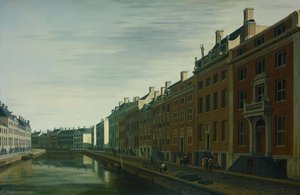
Gerrit Adriaenszoon Berckheyde se erige como una figura fundamental de la Edad Dorada holandesa, celebrado principalmente por sus impresionantes paisajes urbanos que capturan la esencia de Haarlem y Ámsterdam con una precisión y luminosidad sin parangón. A diferencia de muchos contemporáneos que preferían vistas dramáticas o paisajes idealizados, Berckheyde plasmó meticulosamente escenas urbanas —particularmente aquellas que presentaban edificios monumentales bañados por una luz solar difusa—, consolidándose como uno de los más destacados exponentes del clasicismo holandés. Su obra encarna un profundo respeto por la observación y la maestría técnica, reflejando los ideales artísticos de su época a través de un prisma de claridad y grandeza arquitectónica.
Nacido en Haarlem alrededor de 1638, los primeros años de Berckheyde permanecen envueltos en cierto misterio; historiadores como Arnold Houbraken tuvieron dificultades para precisar la profesión de su padre más allá de ser encuadernador, lo que sugiere una crianza modesta que, no obstante, fomentó un talento excepcional. Se formó como aprendiz bajo la tutela de su hermano mayor, Job Adriaenszoon Berckheyde, quien a su vez fue discípulo del legendario Frans Hals, una conexión que subraya las ricas tradiciones artísticas que moldearon los años formativos de Berckheyde. En la década de 1650, los hermanos emprendieron un viaje transformador hacia Alemania, sumergiéndose en el entorno artístico de Colonia, Bonn, Mannheim y Heidelberg, donde fueron galardonados con una medalla de oro por sus contribuciones al arte y al conocimiento.
Maestría de la Grandeza Urbana
A pesar de sus aspiraciones de obtener el mecenazgo cortesano y un estilo de vida aristocrático, el temperamento de Berckheyde resultó poco apto para las complejidades de la alta sociedad, lo que motivó su regreso a Haarlem. Al unirse al Gremio de San Lucas de Haarlem en 1660, su posición dentro de la comunidad artística se consolidó, marcando un periodo de producción prolífica e innovación. Su estudio se convirtió en un epicentro de creatividad, atrayendo a colegas como Oudendijck y fomentando un espíritu colaborativo que impulsó el éxito colectivo. Influenciado profundamente por la meticulosa precisión arquitectónica de Piere Saenredam, Berckheyde desarrolló un estilo distintivo caracterizado por vistas espaciosas y una exactitud casi matemática al representar los pilares estructurales de la ciudad.
Sus lienzos funcionan a menudo como ventanas hacia el corazón palpitante de los Países Bajos. En obras como La Grote Markt en Haarlem, retrata la vibrante vida urbana de la época, con la prominente iglesia de St. Bavokerk dominando el fondo. A través de su uso magistral de la luz, transforma la piedra y el ladrillo en entidades vivas, capturando la forma en que la luz del sol danza sobre los adoquines e ilumina las fachadas de los grandes edificios. Esta capacidad para casar la rigidez arquitectónica con la suavidad atmosférica es lo que define sus mayores logros.
El Legado de la Edad Dorada
La importancia histórica de Berckheyde reside en su habilidad para elevar el paisaje urbano de la mera documentación a una forma de arte superior. Sus pinturas, tales como Un grupo de caza cerca del Hofvijver en La Haya, demuestran cómo podía integrar la actividad humana y los elementos del paisaje en sus composiciones arquitectónicas sin perder la sensación de quietud monumental. Él no se limitaba a pintar edificios; pintaba la atmósfera de una era definida por la prosperidad, el orden y el orgullo cívico.
Como maestro del clasicismo holandés, Berckheyde dejó un legado que continúa fascinando tanto a historiadores del arte como a entusiastas. Su contribución al género de la pintura arquitectónica sigue siendo inigualable, proporcionando un registro luminoso de los paisajes urbanos más icónicos de la Edad Dorada holandesa. A través de sus ojos, contemplamos un mundo de belleza estructurada, donde cada sombra y cada rayo de sol contribuyen a una narrativa eterna de luz y piedra.