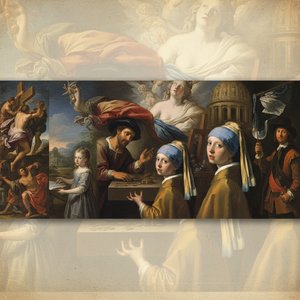
El maestro veneciano de la luz y el drama
En el vibrante esplendor rodeado de agua de la Venecia del siglo XVIII, pocos artistas capturaron la esencia teatral de los periodos tardío Barroco y Rococó con tanta fluidez como Giovanni Battista Pittoni. Nacido el 6 de junio de 1687, Pittoni emergió de una ciudad que era, en sí misma, un escenario para grandes espectáculos, aportando a su lienzo un sentido de movimiento y luminosidad que definiría una era. Si bien sus primeros años estuvieron arraigados en las tradiciones de su Venecia natal, su alma artística fue moldeada por una profunda conexión con los maestros que le precedieron. Formado bajo la guía de su tío, Francesco Pittante, heredó una comprensión fundamental de la escuela veneciana; sin embargo, poseía una visión única que le permitió trascender la mera imitación.
El desarrollo del estilo de Pittoni fue una exquisita evolución de la luz y la emoción. Se inspiró profundamente en el dramático claroscuro de Caravaggio y en la profundidad texturizada de Rembrandt, pero filtró estas pesadas influencias a través de un lente distintivamente veneciano. A medida que su carrera progresaba, su obra comenzó a reflejar las sensibilidades más ligeras y etéreas del Rococó, caracterizadas por una paleta brillante y una gracia elegante, casi ingrávida. Su pincelada se volvió cada vez más fluida, capaz de transmitir tanto la majestad divina de una aparición religiosa como la delicada intimidad de un encuentro mitológico. Esta capacidad para navegar entre lo profundo y lo lúdico lo convirtió en una figura central en la transición del drama denso del Barroco a la elegancia refinada del Rococó.
Un legado de teatralidad y gracia
La obra de Pittoni es una colección impresionante de narrativas religiosas y mitológicas, cada una diseñada para cautivar al espectador mediante composiciones dinámicas y figuras expresivas. Sus pinturas a menudo se sienten como momentos congelados de una gran ópera, donde cada gesto está impregnado de significado y cada sombra cuenta una historia. Ya sea representando la serena santidad de La Natividad o la tensión heroica en Venus entregando la armadura a Eneas, su trabajo posee una teatralidad inconfundible. Poseía un talento extraordinario para utilizar la luz no solo como una herramienta de visibilidad, sino como un protagonista espiritual, bañando a sus sujetos con un resplandor etéreo que sugiere la presencia de lo divino.
Más allá de los confines de los lienzos individuales, la influencia de Pittoni se extendió hasta la propia arquitectura del prestigio veneciano. Su maestría en la composición a gran escala le valió prestigiosos encargos para techos y paredes de grandes palacios e iglesias por toda Italia. Su trabajo en el Palazzo Labia y en diversas residencias milanesas demostró su capacidad para transformar espacios estructurales en mundos mitológicos inmersivos. Este periodo de creación prolífica consolidó su reputación como un pintor líder de su generación, capaz de decorar las instituciones cívicas y religiosas más significativas con una sofisticación sin igual.
Impacto institucional y trascendencia histórica
La importancia histórica de Giovanni Battista Pittoni se extiende mucho más allá de la belleza estética de sus pinturas; fue una piedra angular de la comunidad artística veneciana. Su compromiso con la formalización de la educación artística lo llevó a convertirse en uno de los miembros fundadores de la Academia de Bellas Artes de Venecia. Su liderazgo dentro de esta institución —sirviendo eventualmente como su segundo presidente tras el legendario Tiepolo— demuestra el inmenso respeto que inspiraba entre sus colegas y el impacto duradero que tuvo en la formación de las futuras generaciones de artistas italianos.
Aunque era conocido por recibir importantes encargos del extranjero, particularmente de Alemania, Pittoni permaneció profundamente ligado al paisaje veneciano. Fue un pintor que encontró la grandeza dentro de las fronteras de su hogar, enriqueciendo la cultura local con un estilo que era tanto internacionalmente relevante como íntimamente veneciano. Hoy en día, sus obras sirven como ventanas vitales al siglo XVIII, encarnando la transición del arte europeo desde la intensa emocionalidad del Barroco hacia el esplendor luminoso y decorativo del Rococó. Su legado perdura en los museos del mundo, donde sus lienzos continúan encantando a los espectadores con su elegancia atemporal y su brillantez dramática.
Preguntas y respuestas
¿Dónde puedo ver todas las obras de Giovanni Battista Pittoni?
Todas las obras de Giovanni Battista Pittoni en este sitio web pueden explorarse desde la página de Todas las obras del artista.
¿En qué ciudad y país nació Giovanni Battista Pittoni?
Giovanni Battista Pittoni nació en Venecia, en Italia.
¿Puedo ordenar las obras de Giovanni Battista Pittoni por color?
Las obras de Giovanni Battista Pittoni pueden explorarse por color en la página Índice Espectral del artista.
What aliases or alternate names does Giovanni Battista Pittoni have?
Giovanni Battista Pittoni appears under the alternate names Giambattista Pittoni.
¿Existe una cronología de las obras de Giovanni Battista Pittoni?
Las obras de Giovanni Battista Pittoni pueden verse en orden cronológico en la página de Cronología de obras del artista.
¿Cómo puedo encontrar todas las obras de Giovanni Battista Pittoni en una técnica determinada?
Para encontrar todas las obras de Giovanni Battista Pittoni en una técnica determinada, utilice la página de Todos los medios del artista.
¿En qué movimientos trabajó Giovanni Battista Pittoni?
Las obras de Giovanni Battista Pittoni pueden explorarse por movimiento en la página de Todos los movimientos del artista.
¿Dónde puedo encontrar estadísticas sobre las obras de Giovanni Battista Pittoni?
Existe una página de Estadísticas para Giovanni Battista Pittoni, que presenta estadísticas sobre las obras del artista en este sitio web.