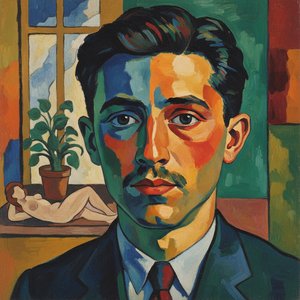
El espíritu radiante de Henri Charles Manguin
Bajo la luz dorada de principios del siglo XX, pocos artistas capturaron la joie de vivre de la Riviera Francesa con tanta vitalidad como Henri Charles Manguin. Nacido en París en 1874, en el seno de una familia donde la escultura y la tradición visual echaban raíces profundas, Manguin estaba destinado a una vida definida por el color y la forma. Su viaje al corazón de la vanguardia comenzó en la prestigiosa École des Beaux-Arts, bajo la tutela del legendario Gustave Moreau. Fue en este fértil entorno académico donde Manguin forjó vínculos de por vida con otros visionarios como Henri Matisse y Charles Camoin. Estas amistades fueron más que simples conexiones sociales; fueron el crisol en el que se forjó una nueva y rebelde forma de mirar. Juntos, estos jóvenes artistas pasaron horas en el Louvre, reproduciendo meticulosamente obras maestras del Renacimiento, un ejercicio que inculcó en Manguin un profundo respeto por la composición clásica, incluso mientras se preparaba para romper los límites tradicionales.
A medida que el siglo XIX cedía su lugar al XX, el pincel de Manguin comenzó a danzar con la luz del impresionismo. Se nutrió profundamente de las paleta luminosas de Monet y Renoir, pero buscaba algo más visceral y subjetivo. Esta evolución lo condujo directamente al corazón del fauvismo, un movimiento caracterizado por su uso "salvaje" del color. Cuando el crítico Louis Vauxcelles bautizó famosamente a este grupo de artistas como Les Fauves —las fieras— tras el Salón de Otoño de 1905, Manguin se situó a la vanguardia de esta revolución cromática. Su obra se alejó de las observaciones delicadas y fugaces de sus predecesores para avanzar hacia una aplicación del pigmento más audaz y emotiva. Utilizó amarillos brillantes, rojos intensos y pasteles suaves para evocar no solo la vista de un paisaje, sino el calor mismo y la atmósfera del sol mediterráneo.
Una musa mediterránea y el arte de la intimidad
La trayectoria de la carrera de Manguin se vio alterada irrevocablemente por su descubrimiento de Saint-Tropez. Invitado a este pueblo costero por el maestro puntillista Paul Signac en 1904, Manguin quedó hechizado por las aguas cristalinas y la trémula luz del Mediterráneo. Este paisaje se convirtió en su santuario y en su tema más perdurable. Aunque no adoptó el rígido puntillismo de Signac, abrazó la claridad luminosa de la costa, pintando escenas de bañistas bajo el sol y tranquilos paisajes marinos que parecían latir con vida. Fue este dominio de la luz y la atmósfera lo que le valió el evocador título de "el pintor voluptuoso" por parte del crítico Guillaume Apollinaire, un testimonio de la cualidad sensual y táctil de sus lienzos.
Más allá de los paisajes expansivos, la obra de Manguin poseía una dimensión profundamente personal e íntima. Su matrimonio en 1899 con Jeanne Carette aportó un profundo sentido de continuidad y ternura a su obra. Jeanne se convirtió en su modelo más frecuente y amada, apareciendo en numerosos retratos que capturaban la belleza tranquila y doméstica de su vida compartida. A través de estas pinturas, Manguin tendió un puente entre los grandes gestos experimentales del fauvismo y las profundidades emocionales e íntimas del retrato. Su capacidad para entrelazar la escala monumental del paisaje francés con los delicados matices de la conexión humana sigue siendo uno de sus logros artísticos más significativos.
El legado de un colorista
La importancia histórica de Henri Charles Manguin reside en su papel como puente entre eras. Navegó con éxito la transición de las tradiciones estructuradas de las Beaux-Arts hacia la libertad expresiva del modernismo. Su carrera estuvo marcada por un reconocimiento notable; el legendario empresario Ambroise Vollard compró famosamente más de cien de sus lienzos, señalando la importancia de Manguint para el mercado del arte contemporáneo de su época. Incluso mientras avanzaban las décadas y se establecía finalmente en Saint-Tropez, permaneció fiel a la visión vibrante y emotiva que había cultivado en su juventud.
Hoy en día, Manguin es recordado no solo como un participante de un movimiento, sino como un maestro de la luz y la emoción. Su legado se encuentra en:
- La Revolución Fauvista: Su contribución al desarrollo del uso del color expresivo y no naturalista.
- El Impresionismo Mediterráneo: Su capacidad única para traducir la atmósfera específica de la Riviera Francesa en un lenguaje universal de belleza.
- El Retrato Humanista: La integración perfecta de la intimidad personal y la gran experimentación estilística.
La obra de Manguin continúa resonando en los espectadores, ofreciendo una ventana a un período de inigualable valor artístico, donde el color ya no era solo una herramienta de descripción, sino un poderoso vehículo para el alma humana.
Preguntas y respuestas
¿En qué ciudad y país nació Henri Charles Manguin?
Henri Charles Manguin nació en París, Francia.
¿De dónde es Henri Charles Manguin?
Henri Charles Manguin nació en Francia.
¿Puedo explorar las obras de Henri Charles Manguin por estado de ánimo?
La página de Rincón de emociones del artista muestra las obras de Henri Charles Manguin organizadas según su atmósfera.