


 Eelvaade
 Saada
Saada Jaga
Jaga
 Teave teose kohta
 Juhend

 Laadi alla
 Sarnased teosed
 Röntgenuuring
 Slaidietendus
 Q&A
Q&A Statistika
not identified (26)


Vibrant Fauvist colors and expressive brushstrokes define this serene Matisse landscape of a solitary tree against a wall, offering a luminous piece of modern art history to elevate your personal collection.
 Loe lähemalt
Henri Matisse (1869–1954) – fovismi värvide meister! Avasta tema ikoonilisi maaliprojekte, lõike-paberikollaaže ja mõju modernismile. Prantsuse kunstniku looming on täis värvi, harmooniat ja rõõmu.
Käsitsi valmistatud õlimaalireproduktsioon
Meie kunstnike poolt tellimusel valmistatud käsitsi maalitud õli-kainaste teos teie soovitud suuruses ja raamis. ( Lülita trükkitoodetele Lülita digitaalse pildi juurde)




P118B €10

P118H €10

P118W €10

P438Z €10

P508JH €12

P508YH €12

P805H €10

P805Z €10

P919BZ €10

P919G €10

P919XJ €10

P959ZH €10

P968JZ €12

W106C €8

W218G €10

W218JH €8

W218Y €10

W307PJ €10

W316G €10

W316PJ €8

W316Y €10

W398PJ €8

W4111J €10

W500HY €15

W500JH €15

W692G €12

W849H €8

W940BG €15

W953PJ €8




Standardne suurus
kohandatud
CM
INCH
Vali meie eelmääratud suurused, mis vastavad teose algupärastele proportsioonidele.
Loading sizes...

laius
kõrgus
Sisestage vajalik laius ja kõrgus, et teos sobiks teie raamile või seinale. Kuna tegu on käsipainatud teosega, siis erineva kujuga suuruse korral võib kunstnik jätta pildi ümber veidi rohkem marginaali või lõigata osa ära — valik on teie. Enne maali alustamist saadame teile kinnitamiseks digitaalse näidisprojektsiooni. Sellel lehel näidatud pilt ei kajasta tegelikku tulemust — seda näitab ainult näidisprojektsioon.
Näited muudetavatest elementidest: asenda nägu kliendi fotoga; lisa lemmikloom (nt asenda kass koeraga); lisa taustale peidetud sõnum; muuda tausta maastikku või elemente.
Pärast tellimust saadab TopImpressionists.com meeskond kliendile e-posti juhised ning esitab eelvaate kavandi
Pärast tellimust saadab TopImpressionists.com meeskond kliendile e-posti juhised ning esitab eelvaate kavandi
Maailmline tarne 3–4 nädala jooksul tavalise 5 nädala asemel. (29 oktoober). Kvaliteedis kompromisse ei tehta.

Tasuta ekspresssaatmine üle maailma

Kõrgekvaliteediline lina-kangas

Täielik transpordikindlustus

Tollimaksude tagastamise garantii

Värvitoime täpsuse garantii

100 päeva tagastusõigus (ainult valmistusdefektide korral)

100% raha tagasi garantii

Hulgusoodustus
 Klaasivalik on saadaval ainult kuni 110 cm suuruses teostes

not identified (26)
Reproduktsiooni tehnika
Reproduktsiooni suurus
-


Koguhind
€ 237
A Singular Vision of Nature’s Harmony
In the quietude of "not identified (26)," we encounter a moment of profound stillness that belies the revolutionary spirit of its creator, Henri Matisse. At first glance, the painting presents a deceptively simple composition: a solitary tree standing sentinel against a structural wall. Yet, to look closer is to enter a world where botanical form meets pure emotion. This piece serves as a breathtaking testament to Matisse's ability to distill the complexities of the natural world into a singular, resonant expression of beauty. It is not merely an observation of a tree; it is an invitation to experience the rhythmic pulse of life through the lens of a master who saw beyond the surface of reality.
The painting breathes with the vibrant energy of Fauvism, the avant-garde movement that Matisse helped ignite in early 20th-century France. Moving away from the fleeting light studies of the Impressionists, Matisse embraced a palette that prioritized emotional truth over naturalistic accuracy. In this work, we see lush, pulsating shades of green and sun-drenched yellows that seem to radiate their own internal light. These colors do not simply sit upon the canvas; they vibrate against one another, creating a sense of joy and vitality that can transform the atmosphere of any room. For the collector or interior designer, this piece offers more than decoration; it provides a focal point of luminous energy that breathes life into modern living spaces.
Technique and the Art of Decoration
The technical mastery displayed in this work is nothing short of hypnotic. Matisse employs loose, expressive brushstrokes that imbue the scene with a palpable dynamism, ensuring that even a static subject feels alive with movement. By layering paint in delicate, thin washes, he allows the underlying pigments to emerge, creating a textured, multidimensional surface that rewards prolonged contemplation. This fluid approach creates a sense of depth, where the tree appears to grow organically from its architectural surroundings, blurring the line between the man-made and the natural.
Beyond the brushwork, there is a sophisticated layer of decorative artistry at play. Matisse skillfully integrates intricate patterns, particularly around the trunk of the tree, drawing inspiration from the rich textures of Islamic art and global textiles. These ornamental elements are far more than mere embellishments; they serve to anchor the composition and reinforce a meditative, harmonious quality. This marriage of organic form and structured pattern makes the artwork an exquisite choice for those seeking to blend contemporary elegance with classical decorative depth in high-end interior curation.
An Emotional Legacy for the Modern Collector
To possess a reproduction of such a significant Matisse era is to hold a piece of art history that speaks to the enduring power of optimism. The historical context of this work—rooted in a period where artists were redefining the very boundaries of sight—adds a layer of intellectual prestige to its visual charm. The composition, which suggests an urban sanctuary where nature and architecture coexist, offers a sense of peace and equilibrium that is increasingly sought after in the frantic pace of modern life.
Whether placed in a sunlit gallery, a sophisticated study, or a curated living area, this painting acts as a window into Matisse's soul. It captures that rare, elusive moment where color becomes language and simplicity becomes profound. For the discerning enthusiast, this work represents an opportunity to surround oneself with the transformative power of the Fauvist spirit, bringing a timeless sense of grace, light, and harmony into the home.
Korduvad küsimused
Kas teose "not identified (26)" kõrgekvaliteediline allalaadimine on saadaval?
Teose „not identified (26)“, autor Henri Matis digitaalse faili saamiseks tellige kõrge resolutsiooniga digitaalse pildi allalaadimine selle Digitaalne kunstiteos lehel.
Kust kohalt Henri Matis korduvad teemad teoses "not identified (26)" ilmumisel?
Henri Matis korduvad teemad hõlmavad bold color expression, nature’s harmonious balance, urban landscape vision, decorative art style, fauvist legacy impact; teos "not identified (26)" keskendub tree, wall, landscape, bench, color palette, urban setting, decorative art, fauvism.
Milleks on soovitatav kasutada teose "not identified (26)" trükistes?
Teose „not identified (26)“, autor Henri Matis soovituslik kasutusviis on Mood. Seda saab kasutada ka muudel eesmärkidel.
Kunstniku elulugu
Henri Matise: Värvi ja Harmoonia Meister
Henri Émile Benoît Matise, sündinud 31. detsembril 1869 Le Cateau-Cambrésis’s, Prantsusmaa põhjaosas, ei näinud algselt ennast pigem värvide ja vormidega seotud eluga. Pärast keskkooli otsustas ta Pariisis õigusõppijaks saada, kuid tema tee pöördas dramaatiliselt ümber 1889. aastal tekkinud apenditsiidihaigus. Raviprotsessi ajal avastas ta endas varjatud kire värvimise vastu, mis süttis lihtsa tegevuse – maalimisega, kui talle kingiti komplekt kunstivärke. See ei olnud pelgalt ajaviide; see oli ilmnemine – pöördepunkt, mis viis ta eemale õigusdokumentidest ja maailma, kus värvist sai tema keel ja lõuend tema valdus. Kasvatades end Bohain-en-Vermandoisis, teraviljade müüjate poja kasvatuses näis Matise esmapilgul olevat vähe seost boheemlasliku kunstniku eluga, kuid seemne oli külvatud, toetatud raviprotsessist ja õitsemas eluaegse pühendumisena. Ta astus Académie Juliani ning hiljem École Nationale des Beaux-Artsi, õppides William-Adolphe Bouguereau ja Gustave Moreau juures, omandades klassikalisi tehnikaid, mis said aluseks tema tulevastele innovatsioonidele. Tema varased tööd kajastasid seda akadeemilist koolitust, näidates pädevust, kuid puudusid eripära, mis peaagu defineeris teda.Fovismi Algus ja Julge Katsetamine
Põhipunkt saabus 1896. aastal Belle Île’i visiidil koos Austraalia kunstniku John Russelliga. See kohtumine osutus muutvaks. Russell tutvustas Matisele impressionismi elavat maailma ning olulisemalt öeldes Vincent van Goghi emotsionaalselt laetud lõuendeid. Mõju oli suur. Van Goghi väljendusrikas värvi kasutamine murdis Matise varem piiratud paletti, julgustades teda poolemurdva ja subjektiivsema lähenemisega. Ta hakkas liikuma eemald maapealseist toonidest, omaks võttes värve, mis resonisid tunnetega pigem kui range esitusega. See uurimine kulmineerus umbes 1905. aastal fovismi tekkimisega – liikumine, kus Matise sai juhtivaks tegijaks. Nime ise, mis tähendab „üllast looma”, anti algselt halvustavalt grupi šokeerivalt elavatele ja mitte-looduslikule maalidele, mida esitati Salon d'Automne’il. Matise, koos kunstnike nagu André Derain ja Maurice de Vlaminckiga, pooldasid intensiivset värvi kui iseseisvat väljendusvahendit, lihtsustades vorme selle mõju suurendamiseks. Maalid nagu *Viinapuu* (1905) näitavad seda stiili – punaste, rohelise ja kollase värvide reede, mida kantakse vabadusega, mis ignoreeris traditsioonilist perspektiivi ja jäljendamist. Peamiseks iseloomujuks olid intensiivselt küllastunud paletid, lihtsustatud kujud, väljendusrikkad pintslilöökide ja tahteline hüljamine konventsionaalsele esitusele emotsionaalse resonantsi kasuks.Järelikult Täpsustus ja Dekoratiivne Harmoonia
Fovismi algse ergastuse järel läks Matise stiili läbi peene, kuid olulise evolutsiooni. Kuigi ta ei hüljanud kunagi oma värvi armastust, sai tema töö täpsemaks, kaldudes dekoratiivsele esteetikale, mis rõhutas tasandatud kujusid ja keerulisi mustreid. Ta uuris puhkuse, koduelu ja inimfiguuride teemasid rahulikus keskkonnas, luues kompositsioone, mis tundusid nii harmoonilised kui ka emotsionaalselt resonantsed. 1917. aastal Prantsuse Riwiera Nice’i kolimine mõjutas seda muutust veelgi, andes tema tööle rahu ja klassikalise tasakaalu tunde. Ta hakkas keskenduma keskkondade loomisele – maalidele, skulptuuridele ja dekoratiivsetele esemetele –, mis ümbritsesid vaatajat ilu ja vaikse atmosfääri. Sel perioodil katsetas ta erinevate meediaga, sealhulgas keraamikaga ja tekstiilidega, laiendades oma kunstilist visiooni traditsioonilise lõuendi piiramine. Ta ei maalind pelgalt stseene; ta ehitas maailmu, mis olid mõeldud tekitama konkreetset emotsionaalset reaktsiooni.Hilisõhtud: Innovatsioon Piirangute Kaudu
Kuna kahanev tervis piiras Matise võimet maalida tavapärasel viisil, asus ta oma kunstilise tee uue erandliku peatüki juurde – lõigatud-paberikollaažide (*découpages*) loomine. Umbes 1947. aastal said need tööd alguse vajadusest. Vankriga piiratud võimekusel ei saanud ta füüsiliselt seista ja maalida, kuid tal oli võimalik paberit kääridega manipuleerida. See, mis algas praktilise lahendusena, arenes põhjalikuks kunstivõtteks. Ta värvis suurepärased värvilised pabertükkid, lõikas need seejärel kujudeks – orgaanilisteks vormideks, lehtedeks, figuurideks – ja paigutas need lõuendile, luues kompositsioone, mis olid nii dünaamilised kui ka petmisväärselt lihtsad. Need *découpages* ei olnud pelgalt maalimisega asendus; nad esindasid uut viisi värvi, vormi ja kompositsiooni mõtlemise kohta. Nad jätkasid tema eluaegset uurimistööd nende elementidega, näitudes kordumist kunstilise visiooniga isegi füüsikaliste piirangute silmaspidamisest.- Lõigatud-paberitehnika võimaldas tal saavutada vormi ja värvi puhtust, mida oli raske värviga saavutada.
- Need tööd viitasid sageli varemalt maalide varasematele teemadele ja motiividele, kuid esitleti uuel ja innovaatilisel moel.
- Nad näitasid tema võimet kohanduda ja areneda kunstnikuna kogu oma karjääri jooksul.
Püsiv Pärand: Matise Mõju Kaasaegsele Kunstile
Henri Matise suri 1954. aastal Nice’is, jättes maha teosekorpuse, mis jätkab maailmas publiku seas inspiratsiooni ja lummatust. Tema mõju kunstimaailmale on eitamatud; ta esitas konventsionaalsed esituse kontseptsioonid, pooldas värvi väljendusrikast jõudu ning rajas tee tulevastele kunstnike põlvedele. Sageli peetakse koos Pablo Picassoga 20. sajandi kunsti üks mõjukamaid tegelasi, Matise kujundas oluliselt modernismi. Tema pärand ulatub tema tööde taha – see hõlmab filosoofiat, mis tähistab rõõmu, ilu ja värvi muutvat potentsiaali. Ta ei maalind lihtsalt seda, mida ta nägi; ta lõi emotsionaalse kogemuse vaatajale, kutsudes teda jagama oma visiooni maailmast, mis on täis valgust ja elavaid toone. Matise mõju võib näha lugematutes teostes kunstnike poolt erinevates distsipliinides, kinnitades tema kohta kui tõelise kaasaegse kunsti meistri – maalija, kes julges näha maailma mitte nii nagu see on, vaid kuidas see võis olla, täis värvi, harmooniat ja piiramatut võimalikkust.
Henri Matis
1869 - 1954 , Prantsusmaa
Lühikest infot
- Artistic Movement Or Style: Fovismi
- Artists Or Movements Influenced By This Artist:
- Modernism
- Expressionism
- Artists Who Influenced This Artist:
- Van Gogh
- Chardin
- Russell
- Date Of Birth: 31 detsember 1869
- Date Of Death: 1954
- Full Name: Henri Émile Benoît Matisse
- Nationality: Prantsuse
- Notable Artworks:
- The Gourds
- Laurette in a White Turban
- Place Of Birth: Le Cateau-Cambrésis, Prantsusmaa
Sarnased artiklid

Henri Matisse: 25 meistriteost värviküllase kunsti maailmast | TopImpressionists
Avastage Henri Matisse 25 ikoonilist teost! Sukelduge värviküllase Fauvismi maailma, modernse kunsti ajaloosse ja inspireerige oma interjööri. Kvaliteetsed kunstireprodutsioonid TopImpressionists.com-is. Avasta kogu kollektsioon online!

Fauvism's Boldest Visions: 10 Masterpieces That Revolutionized Modern Art | TopImpressionists
Explore 10 Fauvist masterpieces by Matisse, Derain & Vlaminck that ignited Modern Art! Discover bold colors, expressionist landscapes & the history of this revolutionary movement. Find museum-quality prints at TopImpressionists.com.
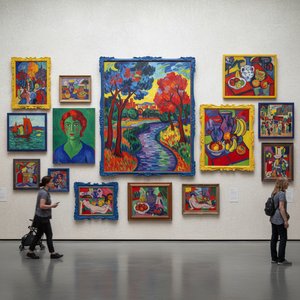
Fauvism'i 10 Meisterteost: Kunst, Värvid ja Sisekujunduse Inspiratsioon
Sukeldu fauvismi maailma! Avasta 10 meistriteost, mis defineerisid värviküllust ja ekspressionismi. Henri Matisse'i, André Deraini jt kunstnike teosed – kunstireproduktsioonid TopImpressionists.com-ist. Leia inspiratsioon interjööriks ja kaunista kodu! Uuri kogu kollektsiooni veebis.

Romantilise Maastikukunsti 10 Meisterteost: Kunstiteosed Koduks TopImpressionists.com'ist
Avastage 10 romantilise maastikukunsti meistriteost! Tutvuge Caspar David Friedrichi, J.M.W. Turneri ja teiste suurte kunstnike loominguga TopImpressionists.com-is. Leidke täiuslik õlimaal või reproduktsioon koduks – inspireeriv kollektsioon ootab!

John Constable: 25 Suurimat Teost Inglise Maastikumaali Tippu
Avastage John Constable'i 25 suurimat teost! Sukeldu inglise maastikumaali romantismisse, imetlege Dedham Vale ilu ja leia inspiratsiooni kodukaunistuseks. Kvaliteetsed kunstireprodutsioonid TopImpressionists.com-is. Vaata kohe!
Avastage teoseid, mis on koondatud teemade, stiilide ja omaduste kaupa.


