

Näidatud: · koos raamiga:
 Eelvaade
 Saada
Saada Jaga
Jaga
 Teave teose kohta
 Juhend

 Laadi alla
 Sarnased teosed
 Röntgenuuring
 Slaidietendus
 KÜSIMUSED JA VASTUSID
 Statistika
- 20.0 x 27.0 cm


€ 352
Käsitsi valmistatud õlimaalireproduktsioon
Meie kunstnike poolt tellimusel valmistatud käsitsi maalitud õli-kainaste teos teie soovitud suuruses ja raamis. ( Lülita trükkitoodetele Lülita digitaalse pildi juurde)
Suurus
·Standardne suurus
kohandatud
CM
INCH
Vali meie eelmääratud suurused, mis vastavad teose algupärastele proportsioonidele.
Suuruste laadimine...

laius
kõrgus
Sisestage vajalik laius ja kõrgus, et teos sobiks teie raamile või seinale. Kuna tegu on käsipainatud teosega, siis erineva kujuga suuruse korral võib kunstnik jätta pildi ümber veidi rohkem marginaali või lõigata osa ära — valik on teie. Enne maali alustamist saadame teile kinnitamiseks digitaalse näidisprojektsiooni. Sellel lehel näidatud pilt ei kajasta tegelikku tulemust — seda näitab ainult näidisprojektsioon.
 Loe lähemalt
Lõpuleviimine
·
Valge serv €1

häguse servaga lõppviimistlus €1

Laiendatud €1

P118B €10

P118H €10

P118W €10

P438Z €10

P508JH €12

P508YH €12

P805H €10

P805Z €10

P919BZ €10

P919G €10

P919XJ €10

P959ZH €10

P968JZ €12

W106C €8

W218G €10

W218JH €8

W218Y €10

W307PJ €10

W316G €10

W316PJ €8

W316Y €10

W398PJ €8

W4111J €10

W500HY €15

W500JH €15

W692G €12

W849H €8

W940BG €15

W953PJ €8

H24-GOLD €30

H24-SILVER €30

H36-GOLD €45

H36-SILVER €45
Saadetakse kaitsetorus, et te võiksite selle ise raamida.
Üle 105 cm suurust raami saadetakse komplektina professionaalse raamija jaoks — lugeege lisainfot.
Lisateenused
valikulineMida lisad sisaldavad?
Näited sellest, mida saab muuta: asendage nägu kliendi fotoga; lisage lemmikloom (nt asendage kass koega); lisage taustale peidetud sõnum; muutke tausta maastikku või elemente.
Pärast tellimust saadetab TopImpressionists.com meeskond klientile e-posti juhised ning esitab ette tasandatud eelvaate
Pärast tellimust saadetab TopImpressionists.com meeskond klientile e-posti juhised ning esitab ette tasandatud eelvaate
Maailmline tarne 3–4 nädala jooksul tavalise 5 nädala asemel. (5 november). Kvaliteedis kompromisse ei tehta.
Kaitsevärnitsus
Nimesildikiri
Graveeritud pronksplaadi üksikasjad
This elegant plaque features the artist's name and the title of the artwork, finely engraved for a timeless presentation.
It is made from bronze with a refined, elegant finish. The text is precisely laser-engraved for a sharp and permanent result. Measuring 9x2 cm, the plaque is compact yet easy to read. It's built to be durable and scratch-resistant, offering a professional, museum-quality look. Mounting is simple thanks to the included adhesive backing.
Läbipaistva akrüülplaadi üksikasjad
The plaque includes essential engraved details such as the artist's name, the title of the artwork, the date it was created, the type of media used-like oil on canvas or watercolor-a brief description of the piece, and a QR code that links to the complete artwork information.
It is crafted from clear acrylic, offering a sleek, modern appearance. The text is UV-engraved in black to ensure strong visual contrast. With a size of 10x15 cm, it ensures optimal readability. It comes equipped with two metal hooks for secure wall mounting. The plaque is designed to be weather-resistant, making it suitable for various environments, and it includes interactive features that work seamlessly with smartphone scanning.
Musta akrüülplaadiรายละเอียด (Note: The user provided "Musta akrüülplaadi detailid" as the current translation and asked for an improved version. Since "Musta akrüülplaadi
This elegant plaque includes engraved information such as the artist's name, the title of the artwork, the date it was created, the type of media used (like oil on canvas or watercolor), a short description of the artwork, and a QR code for quick access to more information.
The plaque itself is made from refined black acrylic with a premium finish. The text is laser-engraved in white for high contrast and readability. Its size is 10x15 cm, designed to be easy to read. It comes with two metal hooks for professional mounting. The design is sleek and fits any interior style. It is also weather-resistant and durable, with built-in digital integration for mobile compatibility.
Klaasivalik on saadaval ainult kuni 110 cm suuruses teostes
 Klaasivalik on saadaval ainult kuni 110 cm suuruses teostes
- Tasuta ekspresssaatmine üle maailma
- Kõrgekvaliteediline lina-kangas
- Täielik transpordikindlustus
- Tollimaksude tagastamise garantii
- Värvitoime täpsuse garantii
- 100 päeva tagastusõigus (ainult valmistusdefektide korral)
- 100% raha tagasi garantii
- Hulgusoodustus


Kogumisobjekti kirjeldus
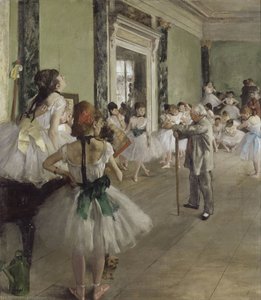
Vaadake Edgar De Gas’i "The Dancing Class" - balletitöökohtade kujutust dünaamilise liikumisega ja nostalgilise atmosfääriga. Impressionistliku realismuse meistriteos!
Kunstniku elulugu
Edgar Degas: Ülemaailmeline kunstnik tuntud oma balletrõngastel ja Pariisi elu kujundustel ning innovatsiooniliste tehnikute tõttu – pärismeister tänapäeva kunstile.
Teemal maalid
The Dancing Class: A Glimpse into Parisian Ballet Life
Edgar Degas’s “The Dancing Class,” painted around 1870, stands as a cornerstone of Impressionist art and offers an unparalleled insight into the world of ballet practice in Paris. This early work, predating Degas's privileged access to backstage areas at the Opéra Garnier – a feat that would solidify his reputation as one of the era’s most astute observers – captures a moment of transition and burgeoning modernity within Parisian society.
Subject Matter and Composition
The scene unfolds within a modestly furnished ballet studio, imbued with an atmosphere of quiet concentration. Walls adorned with mirrors reflect the dancers' movements, while tables hold props like pointe shoes and rosin—essential tools for achieving grace and precision. Approximately twenty ballerinas occupy the room, engaged in various activities: adjusting their costumes, stretching muscles before rehearsals, meticulously tying ribbons securing their hair, or simply observing the instructor’s guidance. Degas masterfully eschews theatrical staging; instead, he presents a snapshot of genuine life—a deliberate choice reflecting Impressionism's fascination with capturing fleeting instants and conveying emotion through subtle tonal variations.
Impressionistic Technique and Style
"The Dancing Class" exemplifies Degas’s evolving artistic style, foreshadowing his later mastery of pastel mediums while retaining the foundational principles of oil painting on canvas. The color palette is dominated by warm browns and ochres—muted hues that evoke the dim lighting of a rehearsal room and contribute to an overall feeling of nostalgia. Visible brushstrokes are deliberately loose and expressive, layering pigment onto the surface to build up form and texture without striving for photographic realism. Lines define shapes with fluidity rather than rigid precision, allowing for movement and conveying dynamism – characteristics central to Impressionist aesthetics.
Historical Context and Symbolism
Painted during a period of significant social upheaval in Paris—marked by industrialization and shifting cultural values—"The Dancing Class" transcends mere visual representation. Ballet was experiencing a revival as an art form and a symbol of Parisian elegance, attracting both performers and audiences alike. Degas’s decision to depict this world—not the grand spectacle of performances but the arduous training required for success—was innovative for his time, reflecting a desire to portray reality with honesty and nuance. The painting subtly explores themes of dedication, discipline, and perseverance – virtues embodied by the ballerinas themselves.
Emotional Impact and Legacy
"The Dancing Class" resonates deeply with viewers through its evocative portrayal of quiet intimacy and understated beauty. The muted color palette, combined with Degas’s masterful use of brushstrokes to convey movement and emotion, creates an atmosphere that transcends time. It serves as a poignant reminder of the pursuit of artistic excellence—a testament to Degas's ability to capture not just what he saw but also what he felt about his subject matter. As one of Degas’s earliest explorations of ballet, “The Dancing Class” established him as a pivotal figure in Impressionist art and continues to inspire admiration for its stylistic innovation and psychological depth.
Korduvad küsimused
Kust saan leida sarnaseid teoseid kui „The Dancing Class“, autor Hilaire Germain Edgar De Gas?
Teosed, mis sarnanevad teosega "The Dancing Class", on loetletud selle teose Sarnased teosed lehel.
Milline rahvuslik päritolu seisab teose "The Dancing Class" Impressionist Realism taga?
Teose "The Dancing Class" on loonud Prantsuse-s sündinud Hilaire Germain Edgar De Gas, tuginedes Impressionist Realism suunale. Kunstniku päritolu seob teose Impressionist Realism stiiliga, mida praktiseerivad Prantsuse kunstnikud.
Milline paigutus sobib teose „The Dancing Class“, autor Hilaire Germain Edgar De Gas formaadile?
Teose „The Dancing Class“, autor Hilaire Germain Edgar De Gas Horisontaalne suund formaat on soovitatav kasutada ruumis Elutuba. Formaat ja ruum aitavad koos otsustada reproduktsiooni paigutamise kohta.
Kiirinfo ja kunstiviktoriin
Info Hilaire Germain Edgar De Gas kohta

Hilaire Germain Edgar De Gas
1834 - 1917, Prantsuse
Kunstniku elulugu
Edgar Degas
Edgar Degas (sünninimi Hilaire-Germain-Edgar de Gas; 19. juuli 1834 Pariis – 27. september 1917 Pariis) oli prantsuse impressionistlik kunstnik ja skulptor. Edgar Degas leiutas niinimetatud märja pastelli. See on tehnika, milles peensusteni viimistletud pastelljoonistus kastetakse üle vee või piimaga. Selle tulemusena sulavad toonid kokku ja pilt tundub olevat maalitud.Elukäik ja Looming
Edgar Degas oli suur kunstnik, kes jäi maailmale hilisemas perioodis märkimiseks. Ta oli üks impressionismi tunnuseid kandvate kunstnike seas – Monet, Renoir ja teised kes revolutsiooni tõelise värvikirjaga maalilepingutesse lõi 1860-ndatel aastatel. Tema suurim saavutus oli balletti kujutamine, mis jäi tema kogu karjääril keskenduseks. Ta ei püsinud ainult maalimas ilusid balleti õpetajaid; ta tabas nende töö reaalse maailma raskusi – lõputult proovete, füüsilist survet ja vähese hetke ilu maailmas, kus toimub palju tööd. Tema kompositsioonid olid tavapäraselt uudsed, kujutades näitlejaid tänaval või õhtu klubis. Ta oli suur kunstnik, kes jäi hiljemalt maailmale märkimiseks. Ta oli üks impressionismi tunnuseid kandvate kunstnike seas – Monet, Renoir ja teised kes revolutsiooni tõelise värvikirjaga maalilepingutesse lõi 1860-ndatel aastatel. Tema suurim saavutus oli balletti kujutamine, mis jäi tema kogu karjääril keskenduseks. Ta ei püsinud ainult maalimas ilusid balleti õpetajaid; ta tabas nende töö reaalse maailma raskusi – lõputult proovete, füüsilist survet ja vähese hetke ilu maailmas, kus toimub palju tööd. Tema kompositsioonid olid tavapäraselt uudsed, kujutades näitlejaid tänaval või õhtu klubis. Ta oli suur kunstnik, kes jäi hiljemalt maailmale märkimiseks. Ta ei püsinud ainult maalimas ilusid balleti õpetajaid; ta tabas nende töö reaalse maailma raskusi – lõputult proovete, füüsilist survet ja vähese hetke ilu maailmas, kus toimub palju tööd. Tema kompositsioonid olid tavapäraselt uudsed, kujutades näitlejaid tänaval või õhtu klubis. Ta oli suur kunstnik, kes jäi hiljemalt maailmale märkimiseks. Tema kompositsioonid olid tavapäraselt uudsed, kujutades näitlejaid tänaval või õhtu klubis. Ta oli suur kunstnik, kes jäi hiljemalt maailmale märkimiseks. Tema kompositsioonid olid tavapäraselt uudsed, kujutades näitlejaid tänaval või õhtu klubis. Ta oli suur kunstnik, kes jäi hiljemalt maailmale märkimiseks. Tema kompositsioonid olid tavapäraselt uudsed, kujutades näitlejaid tänaval või õhtu klubis. Ta oli suur kunstnik, kes jäi hiljemalt maailmale märkimiseks. Tema kompositsioonid olid tavapäraselt uudsed, kujutades näitlejaid tänaval või õhtu klubis. Ta oli suur kunstnik, kes jäi hiljemalt maailmale märkimiseks. Tema kompositsioonid olid tavapäraselt uudsed, kujutades näitlejaid tänaval või õhtu klubis. Ta oli suur kunstnik, kes jäi hiljemalt maailmale märkimiseks. Tema kompositsioonid olid tavapäraselt uudsed, kujutades näitlejaid tänaval või õhtu klubis. Ta oli suur kunstnik, kes jäi hiljemalt maailmale märkimiseks. Tema kompositsioonid olid tavapäraselt uudsed, kujutades näitlejaid tänaval või õhtu klubis. Ta oli suur kunstnik, kes jäi hiljemalt maailmale märkimiseks. Tema kompositsioonid olid tavapäraselt uudsed, kujutades näitlejaid tänaval või õhtu klubis. Ta oli suur kunstnik, kes jäi hiljemalt maailmale märkimiseks. Tema kompositsioonid olid tavapäraselt uudsed, kujutades näitlejaid tänaval või õhtu klubis. Ta oli suur kunstnik, kes jäi hiljemalt maailmale märkimiseks. Tema kompositsioonid olid tavapäraselt uudsed, kujutades näitlejaid tänaval või õhtu klubis. Ta oli suur kunstnik, kes jäi hiljemalt maailmale märkimiseks. Tema kompositsioonid olid tavapäraselt uudsed, kujutades näitlejaid tänaval või õhtu klubis. Ta oli suur kunstnik, kes jäi hiljemalt maailmale märkimiseks. Tema kompositsioonid olid tavapäraselt uudsed, kujutades näitlejaid tänaval või õhtu klubis. Ta oli suur kunstnik, kes jäi hiljemalt maailmale märkimiseks. Tema kompositsioonid olid tavapäraselt uudsed, kujutades näitlejaid tänaval või õhtu klubis. Ta oli suur kunstnik, kes jäi hiljemalt maailmale märkimiseks. Tema kompositsioonid olid tavapäraselt uudsed, kujutades näitlejaid tänaval või õhtu klubis. Ta oli suur kunstnik, kes jäi hiljemalt maailmale märkimiseks. Tema kompositsioonid olid tavapäraselt uudsed, kujutades näitlejaid tänaval või õhtu klubis. Ta oli suur kunstnik, kes jäi hiljemalt maailmale märkimiseks. Tema kompositsioonid olid tavapäraselt uudsed, kujutades näitlejaid tänaval või õhtu klubis. Ta oli suur kunstnik, kes jäi hiljemalt maailmale märkimiseks. Tema kompositsioonid olid tavapäraselt uudsed, kujutades näitlejaid tänaval või õhtu klubis. Ta oli suur kunstnik, kes jäi hiljemalt maailmale märkimiseks. Tema kompositsioonid olid tavapäraselt uudsed, kujutades näitlejaid tänaval või õhtu klubis. Ta oli suur kunstnik, kes jäi hiljemalt maailmale märkimiseks. Tema kompositsioonid olid tavapäraselt uudsed, kujutades näitlejaid tänaval või õhtu klubis. Ta oli suur kunstnik, kes jäi hiljemalt maailmale märkimiseks. Tema kompositsioonid olid tavapäraselt uudsed, kujutades näitlejaid tänaval või õhtu klubis. Ta oli suur kunstnik, kes jäi hiljemalt maailmale märkimiseks. Tema kompositsioonid olid tavapäraselt uudsed, kujutades näitlejaid tänaval või õhtu klubis. Ta oli suur kunstnik, kes jäi hiljemalt maailmale märkimiseks. Tema kompositsioonid olid tavapäraselt uudsed, kujutades näitlejaid tänaval või õhtu klubis. Ta oli suur kunstnik, kes jäi hiljemalt maailmale märkimiseks. Tema kompositsioonid olid tavapäraselt uudsed, kujutades näitlejaid tänaval või õhtu klubis. Ta oli suur kunstnik, kes jäi hiljemalt maailmale märkimiseks. Tema kompositsioonid olid tavapäraselt uudsed, kujutades näitlejaid tänaval või õhtu klubis. Ta oli suur kunstnik, kes jäi hiljemalt maailmale märkimiseks. Tema kompositsioonid olid tavapäraselt uudsed, kujutades näitlejaid tänaval või õhtu klubis. Ta oli suur kunstnik, kes jäi hiljemalt maailmale märkimiseks. Tema kompositsioonid olid tavapäraselt uudsed, kujutades näitlejaid tänaval või õhtu klubis. Ta oli suur kunstnik, kes jäi hiljemalt maailmale märkimiseks. Tema kompositsioonid olid tavapäraselt uudsed, kujutades näitlejaid tänaval või õhtu klubis. Ta oli suur kunstnik, kes jäi hiljemalt maailmale märkimiseks. Tema kompositsioonid olid tavapäraselt uudsed, kujutades näitlejaid tänaval või õhtu klubis. Ta oli suur kunstnik, kes jäi hiljemalt maailmale märkimiseks. Tema kompositsioonid olid tavapäraselt uudsed, kujutades näitlejaid tänaval või õhtu klubis. Ta oli suur kunstnik, kes jäi hiljemalt maailmale märkimiseks. Tema kompositsioonid olid tavapäraselt uudsed, kujutades näitlejaid tänaval või õhtu klubis. TaKiirinfo Hilaire Germain Edgar De Gas kohta
- Artistic Movement Or Style: Impressionism, Realism
- Artists Or Movements Influenced By This Artist:
- Picasso
- Matisse
- Artists Who Influenced This Artist:
- Ingres
- Courbet
- Pissarro
- Date Of Birth: 1834
- Date Of Death: 1917
- Full Name: Hilaire Germain Edgar De Gas
- Nationality: Prantsuse
- Notable Artworks:
- Dancer ja Tambourine
- Ballett klass
- Degas õues
- Racehorse
- Naeratav nais
- Place Of Birth: Paris, France
Sarnased teosed




Avastage teoseid, mis on koondatud teemade, stiilide ja omaduste kaupa.


Hilaire Germain Edgar De Gas
The Dancing Class
() ·
koos raamiga: · Käsitööna õliga linale maaldud
Kokkuvõte