Atelier — Tasuta kohaletoimetamine üle maailma — Tarneaeg 2–6 nädalat
      Anton Dorph, 1831 – 1914

      5 kulubumatamatum Anton Dorph maalistikut, järjestatud

      Anton Dorph kõige armastatum teos on En bondepige (1854), mis rihang Statens Museum For Kunst-is, Kooberemaa. Lugejate poolest kõige paremini tuntud tablaga järnevad Småpiger som leger i klitterne på vej hjem fra skole (1863) ja Oil sketch for the Road to Emmaus (1878). Meie kataloogist löytyb 5 teost kunstnikult Anton Dorph: siin on 5 kõige kuulsamat, mille juures on märgitud aasta, muuseum ja info selle kohta, mis teeb teose meeldivaks.

      Reiting põhineb meie populaarsusindeksil, mis koondab iga teose otsingud, külastused ja tellimused. Uuendatud november 2026. Iga selle lehekülje maali saab tellida kas linatele kangale käsitsi maalatuna nagu õlimaalide reproduktsiooni või valitud suuruses fine art trükkina.

      Anton Dorph portree
      Anton Dorph · 1831 – 1914
      Sündinud · surnud
      1831 – 1914, Horsens
      Meie kataloogis olevad teosed
      5
      Kõige tuntud teosed
      En bondepige (1854)
      Enamasti teoseid on
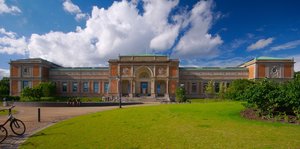
      Statens Museum For Kunst

      Anton Dorph top 10 maalist: tablood, mille kohta kõik teavad

      En bondepige (1854) (autor) Anton Dorph
      1

      En bondepige

      1854 · Oil On Canvas · Statens Museum For Kunst, Kooberemaa

      A young woman stands within the frame of a rustic doorway, her attention anchored to the delicate movement of needlework. The light enters from the upper right, brushing against the rough texture of a stone wall and the soft folds of her apron. To her side, white garlic hangs in silent clusters, a pale contrast to the deep greens of the climbing rose bush that winds around the entrance. At…

      Käsitööna maalitud õlireproduction alates $195 28 × 36 cm
      Catching Garfish. Early Morning (autor) Anton Dorph
      5

      Catching Garfish. Early Morning

      · Taanika Parlament, Koopenhagen

      The painting is a scene from the early morning in calm weather where a fisherman with outstretched arms is about the throw a stone to frighten the fish so that they swim into a drift net floating on the surface of the sea. The fisherman is also suggestive of a religious motif depicting a Christ figure. This was probably also the artist

      Käsitööna maalitud õlireproduction alates $195 38 × 26 cm Originaadi suurusega $713 156 × 109 cm Telli originaalkoguses →

      Kuna Anton Dorphi lamedad pildid rippuvad siin

      Kümne 2 muuseumi kollektsioonid, mis sisaldavad kõige rohkem sellel lehel esitatud teoseid.

      Muuseum Linn Anton Dorph teosed Selle nimekirja maalid
      Statens Museum For Kunst, KooberemaaStatens Museum For Kunst Kooberemaa 4 En bondepige, Småpiger som leger i klitterne på vej hjem fra skole, Oil sketch for the Road to Emmaus
      Taanika Parlament, KoopenhagenTaanika Parlament Koopenhagen 1 Catching Garfish. Early Morning

      Anton Dorph kõige armastatum lõenatav teos iga kümnendiga

      1. 1850s
        En bondepige (1854) (autor) Anton Dorph
        Reiting: 1 / 5

        En bondepige

        Vanus 19–28 · Statens Museum For Kunst

        A young woman stands within the frame of a rustic doorway, her attention anchored to the delicate movement of needlework. The light enters from the upper right, brushing…

      2. 1860s
      3. 1870s
      4. 1890s

      Anton Dorph tablidet: vastused teie küsimustele

      Mis on Anton Dorph kõige tuntum maaliamat?Loe vastust

      En bondepige (1854), Statens Museum For Kunst, Kooberemaa. Järgnevad Småpiger som leger i klitterne på vej hjem fra skole (1863) ja Oil sketch for the Road to Emmaus (1878).

      Kui vana Anton Dorph oli, kui teos En bondepige maalis?Loe vastust

      1831 aastal sündinud Anton Dorph oli 23 aastat vanus: En bondepige on pärinev aastast 1854.

      Kui palju teoseid Anton Dorph kokku kirjoonud on?Loe vastust

      Kataloogis on 5 teost kunstnikult Anton Dorph, kuupäevadelt 1854 kuni 1890.

      Kust saan näha Anton Dorph kõige kuulsamaid linateid?Loe vastust

      Peamiselt Statens Museum For Kunst (Kooberemaa) ja Taanika Parlament (Koopenhagen) asukohas; ülaltoetud nimekiri esitab kirja iga muuseumi ja selle tablood.

      Millised on Anton Dorph tuntud esimesed ja viimased tablood?Loe vastust

      Siin olevad kõige vanamad lamedad pildid on En bondepige (1854); kõige uuemad on Olieskitse til Jesus og Samaritanerinden ved brønden (1890).

      Millised Anton Dorph lamedad tablavid Statens Museum For Kunst muuseumis rihangad?Loe vastust

      Statens Museum For Kunst, Kooberemaa säilitab 4 sellel lehel olevat teost, seda hulka kuuluvad ka En bondepige, Småpiger som leger i klitterne på vej hjem fra skole ja Oil sketch for the Road to Emmaus.

      Kas ma saan osta Anton Dorph linate koos reproduktsiooni?Loe vastust

      Jah. Iga maali sellel lehel saab tellida oma lehelt kas käsitsi maalatuna õli-reproductionina või suurepärase kunstiprentina valitud suuruses.

      Anton Dorph: elu värvides

      The Painter of Fishermen’s Souls

      Anton Laurids Johannes Dorph, born on February 15th, 1831, in the Danish town of Horsens, remains one of the most evocative voices in nineteenth-century Scandinavian art. The son of Professor Niels Vinding Dorph and Louise Amalie Bloch, he was destined for a life steeped in culture, yet his heart found its true resonance not in the halls of academia, but amidst the salt spray and rugged simplicity of the Danish coast. Dorph possessed a rare, empathetic vision that allowed him to transcend mere documentation; he did not simply paint scenes of maritime labor, but rather captured the very essence of the human spirit struggling and thriving against the elemental forces of nature.

      His artistic journey began in earnest at the Royal Academy of Art in Copenhagen, where he entered in 1845. Under the rigorous guidance of masters such as Christoffer Wilhelm Eckersberg, Dorph mastered the foundational principles of composition and light that would define his career. However, it was his subsequent period of study with Wilhelm Marstrand between 1849 and 1850 that breathed life into his technique. Marstrand introduced him to a more fluid, atmospheric approach, teaching him how to capture the fleeting nuances of light—a skill that became vital when depicting the misty mornings and shifting tides of the Zealand coast. This period of refinement culminated in the Academy's silver medal in 1849, an achievement that signaled his arrival as a significant talent in the Danish art scene.

      A Legacy of Light and Devotion

      Dorph’s oeuvre is characterized by a profound duality, oscillating between the gritty realism of genre painting and the transcendent solemnity of religious art. He gained widespread acclaim for his series of works depicting the fishermen of Zealand, paintings that resonated deeply with the Danish public. In these works, such as Hornfiskefangst med drivvod, tidlig morgen, one can sense the quiet tension of the sea and the rhythmic toil of the coastal communities. His ability to imbue a simple scene of fishing with a sense of monumental dignity made his work a staple in many Danish homes, where reproductions of his maritime scenes hung as symbols of national identity and pastoral beauty.

      Parallel to his fascination with rural life was Dorph’s significant contribution to ecclesiastical art. He became a sought-after creator of altarpieces, utilizing his mastery of light to evoke the divine. Works like Kristus velsigner disciplene demonstrate his ability to marry the human element with the sacred, creating compositions that feel both physically present and spiritually elevated. This religious devotion was not merely a stylistic choice but an extension of his broader interest in the profound, often unseen, emotional depths of his subjects. Whether portraying a weary fisherman or a biblical figure, Dorph sought the underlying truth of the soul.

      Recognition and Historical Resonance

      The trajectory of Dorph’s career was marked by several prestigious milestones that cemented his reputation among his contemporaries. His portrait of the actor C.N. Rosenkilde in 1856, displayed at the Royal Danish Theatre, served as a pivotal moment of public recognition. Furthermore, his talent for capturing character was honored with the Neuhausen Prize in 1857 following his portrait of the sculptor Evens. These accolades were complemented by his travels to Italy between 1859 and 1861, funded by an Academy stipend, which allowed him to absorb the warmth of Mediterranean light and integrate new, vibrant textures into his repertoire.

      Though he may not have reached the international heights of some of his contemporaries, Dorph’s historical significance lies in his role as a chronicler of a vanishing way of life. He captured the transition of Denmark from a traditional, agrarian, and maritime society toward a more modern era. Through his brush, the salt-stained hands of the fisherman and the quiet reverence of the church altar are preserved forever. His work remains a testament to the power of realism to touch upon the eternal, leaving behind a legacy that continues to resonate with anyone moved by the intersection of nature, labor, and faith.