Atelier — Tasuta kohaletoimetamine üle maailma — Tarneaeg 2–6 nädalat
      Azteekide Impearium, 1300 – 1521

      Azteekide Impearium kõige kuulsam 70 maalist

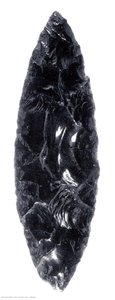
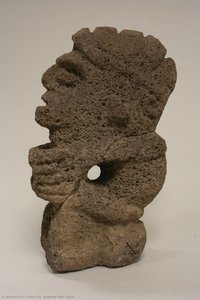
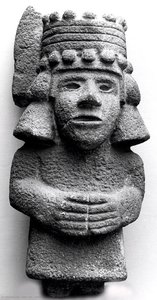
      Mosaic of a Double-headed Serpent (1521) on teos, millega Azteekide Impearium on kõige tuntum; see kuulub museumi British Museum, London. Head from a Figure, Xochipilli Macuilxochitl (1521) ja Figure (1521) täiendavad kõige armastatumate tablodeid moodustavat triooti. Meie kataloogis on 70 teost kunstnikult Azteekide Impearium. Siin on 70 kõige kuulsamat koos aasta, muuseumi ja iga linate veebilehe loo kohta.

      Reiting põhineb meie populaarsusindeksil, mis koondab iga teose otsingud, külastused ja tellimused. Uuendatud oktoober 2026. Iga selle lehekülje maali saab tellida kas linatele kangale käsitsi maalatuna nagu õlimaalide reproduktsiooni või valitud suuruses fine art trükkina.

      Azteekide Impearium portree
      Azteekide Impearium · 1300 – 1521
      Sündinud · surnud
      1300 – 1521, Tenochtitlan
      Meie kataloogis olevad teosed
      70
      Kõige tuntud
      Mosaic of a Double-headed Serpent (1521)
      Enamasti teoseid on
      Metropolitan Museum of Art

      Azteekide Impearium populaarseimad kümneks teost

      Mosaic of a Double-headed Serpent (1521) autor Azteekide Impearium
      1

      Mosaic of a Double-headed Serpent

      1521 · Mosaic · British Museum, London

      To gaze upon this mosaic of a double-headed serpent is to step directly into the vibrant, myth-laden heart of the Aztec Empire. It is not merely an object of decoration; it is a captured echo of profound belief, a testament to a civilization whose artistry wove the sacred into the very fabric of daily existence. The serpentine form dominates the composition, its sinuous body rendered in breathtaking detail across countless…

      Head from a Figure, Xochipilli Macuilxochitl (1521) autor Azteekide Impearium
      2

      Head from a Figure, Xochipilli Macuilxochitl

      1521 · Sculpture · Metropolitan Museum of Art, New York

      The obsidian head before us—a dark, almost brooding presence—isn’t merely a sculpture; it's a portal into the vibrant and complex world of the Aztec Empire. Carved in the early 16th century, just decades before the arrival of the Spanish conquistadors, this intimate portrait of Xochipilli Macuilxochitl offers a rare and compelling glimpse into the beliefs, artistry, and ultimately, the fleeting beauty of a vanished civilization. The piece speaks not only…

      Figure (1521) autor Azteekide Impearium
      3

      Figure

      1521 · Stone · Metropolitan Museum of Art, New York

      Before you stands an echo from a civilization whose very name whispers tales of empire and profound spiritual depth: the magnificent "Figure" sculpture. Carved from enduring stone, this piece is not merely an object of antiquity; it is a frozen moment of sacred contemplation. The overall impression is one of solemn power, a tangible connection to the sophisticated worldview of the Aztec people who flourished in the heart of Mesoamerica.…

      Kneeling Male Figure (1521) autor Azteekide Impearium
      4

      Kneeling Male Figure

      1521 · Stone · Metropolitan Museum of Art, New York

      To gaze upon this fragment is to reach across the vast chasm of five centuries, touching the solemn breath of an empire long dissolved into myth and archaeological wonder. This kneeling male figure, carved from a dark, porous stone—perhaps basalt itself—is more than mere sculpture; it is a captured moment of profound spiritual engagement. The very texture of the material speaks of time, bearing the patina of ritual smoke and…

      Serpent Labret with Articulated Tongue autor Azteekide Impearium
      5

      Serpent Labret with Articulated Tongue

      Acrylic On Canvas · Metropolitan Museum of Art, New York

      Serpent Labret with Articulated Tongue The Serpent Labret with Articulated Tongue stands as a testament to the unparalleled artistry of the Aztec Empire—a singular achievement in goldwork that embodies both exquisite craftsmanship and profound symbolic meaning. Discovered in 1937, this remarkable ornament now resides at the Metropolitan Museum of Art (New York City), where it continues to captivate visitors with its mesmerizing beauty and intricate detail. Its provenance is traced…

      Pendent in the Shape of a Warrior (1350) autor Azteekide Impearium
      6

      Pendent in the Shape of a Warrior

      1350 · Metalwork · Cleveland Museum of Art, Cleveland

      To hold this piece in your mind is to encounter the quiet strength of the Post-classic period. This small, metallic figure, likely worn close to the body, captures a warrior in a moment of poised readiness. The figure is rendered with a striking sense of presence, characterized by a prominent nose, wide eyes, and a slightly protruding mouth that gives the face a distinct, human character. There is a certain…

      Figure (1521) autor Azteekide Impearium
      7

      Figure

      1521 · Stone · Metropolitan Museum of Art, New York

      This monochrome photograph captures an ancient Aztec sculpture titled Figure. The piece presents a stylized representation of a human figure, likely a deity or important individual within the Aztec culture. Set against a dark background that emphasizes its intricate details, the sculpture is positioned slightly off-center towards the right of the frame.

      Vulture Vessel (1521) autor Azteekide Impearium
      8

      Vulture Vessel

      1521 · Ceramic · Metropolitan Museum of Art, New York

      This ceramic vessel, produced around 1521 by Aztec artists, takes the shape of a stylized vulture. The object is constructed from earthenware with a robust, cylindrical body. Four curved legs support the structure, positioned to suggest a sense of movement or a bird prepared to perch. The surface is primarily covered in a reddish-brown hue, likely derived from iron oxide pigments. Black glaze defines specific areas, creating bands that outline…

      Standard Bearer (1521) autor Azteekide Impearium
      9

      Standard Bearer

      1521 · Stone · Metropolitan Museum of Art, New York

      The Aztec sculpture titled "Standard Bearer," a remarkable testament to the artistry and symbolic depth of the pre-Columbian civilization, stands as more than just a carved stone figure. It’s a window into a complex society—a warrior, a leader, a conduit between the earthly realm and the divine. Dating back to approximately 1450-1521 CE, this piece, originating from the region of Veracruz, offers a tangible connection to a world both familiar…

      Crested Figure (Macuilxochitl) (1521) autor Azteekide Impearium
      10

      Crested Figure (Macuilxochitl)

      1521 · Metropolitan Museum of Art, New York

      Crested Figure (Macuilxochitl): Echoes of Aztec Cosmology The photograph presents a striking depiction of an Aztec sculpture titled “Crested Figure (Macuilxochitl),” originating from the 15th–early 16th century during the height of the Mexica Empire. This artwork embodies the artistic spirit of Mesoamerica, reflecting profound religious beliefs and political authority—a testament to the enduring legacy of a civilization that captivated imaginations for centuries. Overall Impression: The image captures a sculpture crafted…

      Azteekide Impearium: lõeneksad, reitingi 11 kuni 70 koht

      Seated Male Deity (1521) autor Azteekide Impearium
      #12

      Seated Male Deity

      1521 · Metropolitan Museum of Art

      In the quiet presence of the Seated Male Deity, one does not merely observe a sculpture; one encounters a profound fragment of a lost cosmos. Carved during the…

      Kneeling Female Figure (1521) autor Azteekide Impearium
      #13

      Kneeling Female Figure

      1521 · Metropolitan Museum of Art

      In the quiet halls of art history, few objects command as much silent reverence as the Kneeling Female Figure. Carved from the dark, enduring strength of basalt, this…

      Labret, Eagle Head (1521) autor Azteekide Impearium
      #14

      Labret, Eagle Head

      1521 · Metropolitan Museum of Art

      To gaze upon this artifact is to be transported across the vast expanse of time, directly into the heart of the mighty Aztec Empire. This exquisite labret, fashioned…

      Tooge see valguse koos koju →
      Miniature Bowl (1521) autor Azteekide Impearium
      #15

      Miniature Bowl

      1521 · Metropolitan Museum of Art

      To gaze upon this miniature bowl is to hold a fragment of deep time in one's hands. It is not merely an object, but a tangible whisper from…

      Fragment of An Anthropomorphic Brazier (1300) autor Azteekide Impearium
      #16

      Fragment of An Anthropomorphic Brazier

      1300

      This ceramic fragment presents a vertical arrangement of human-like faces. The central feature is a large, sculpted head, upon which smaller faces are positioned in a stacked, layered…

      Ear Spool (1521) autor Azteekide Impearium
      #18

      Ear Spool

      1521 · Metropolitan Museum of Art

      Before us lies a fragment of a vanished world, a tangible link to the ingenuity and ritualistic practices of the Aztec Empire. This meticulously crafted ear spool, fashioned…

      Tellinime käsitsi maaldetud →
      Seated Female Deity (1521) autor Azteekide Impearium
      #19

      Seated Female Deity

      1521 · Metropolitan Museum of Art

      In the quiet shadows of history, certain objects possess the power to bridge the gap between the mortal realm and the eternal. The Seated Female Deity, a profound…

      Aztec Sun Stone (Calendar Stone) (1427) autor Azteekide Impearium
      #20

      Aztec Sun Stone (Calendar Stone)

      1427

      The Aztec Sun Stone (Calendar Stone) is a significant work attributed to the Aztec Empire. Carved by the Mexica at the end of the Mesoamerican Postclassic Period, this…

      Mictlantecuhtl (1480) autor Azteekide Impearium
      #21

      Mictlantecuhtl

      1480

      A weathered, pale-grey statue of a child figure emerges from a void of absolute black. The surface is heavily eroded, marked by deep cracks and fissures that trace…

      Eagle Warrior (1469) autor Azteekide Impearium
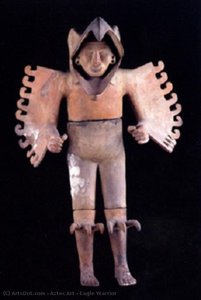
      #22

      Eagle Warrior

      1469

      The artwork titled Eagle Warrior is a terracotta sculpture created by the Aztec Empire. This piece dates to about 1469. The subject of the work is an Aztec…

      Coyote (1500) autor Azteekide Impearium
      #23

      Coyote

      1500

      This work, titled Coyote, is a significant piece attributed to the Aztec Empire. It represents a stylized depiction of the coyote, a figure deeply embedded in the mythology…

      Warrior's Teponaztli (1500) autor Azteekide Impearium
      #24

      Warrior's Teponaztli

      1500

      The object is a carved wooden instrument, a slit drum known as a teponaztli, dating to 1500. It is composed of a hollowed hardwood log, presenting an elongated…

      Macuilxochitl Teponaztli Votive (1500) autor Azteekide Impearium
      #25

      Macuilxochitl Teponaztli Votive

      1500

      The Macuilxochitl Teponaztli Votive is a stone artifact created by the Aztec Empire. This object emerged around 1500, a period when the Mexica people shaped the spiritual landscape…

      Xiuhmolpilli (1 Death) (1500) autor Azteekide Impearium
      #26

      Xiuhmolpilli (1 Death)

      1500

      The stone feels heavy with the gravity of an era long gone. A cylindrical form, carved from volcanic rock, rests in the dim light, its surface a landscape…

      Hunchback (1500) autor Azteekide Impearium
      #27

      Hunchback

      1500

      The sculpture titled Hunchback is an artifact attributed to the Aztec Empire. Created about 1500, this terracotta work captures a single human figure frozen in a moment of…

      Dead Warrior Brazier (1500) autor Azteekide Impearium
      #28

      Dead Warrior Brazier

      1500

      The Dead Warrior Brazier is a cylindrical ceramic sculpture dating to approximately 1500. The object features a stylized human figure positioned in a seated or kneeling posture with…

      Crested figure (Macuilxochitl) (1521) autor Azteekide Impearium
      #29

      Crested figure (Macuilxochitl)

      1521

      The stone face stares out from the shadows of history, known to us as Crested figure (Macuilxochitl). Created by the Aztec Empire, this sculpture emerges from the heavy,…

      Stamp, Feline Profile (1521) autor Azteekide Impearium
      #30

      Stamp, Feline Profile

      1521

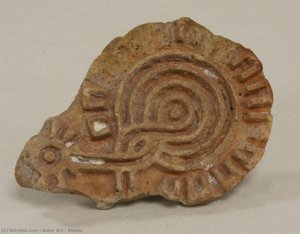
      This ceramic stamp presents a circular profile of a feline, likely a jaguar, rendered in relief. The object is composed of clay or stone, displaying a surface marked…

      Seated Male Deity (1521) autor Azteekide Impearium
      #31

      Seated Male Deity

      1521 · Metropolitan Museum of Art

      Before us stands a testament to the profound artistry and spiritual depth of the Aztec Empire – a weathered stone sculpture known as the “Seated Male Deity,” or…

      Bell (1521) autor Azteekide Impearium
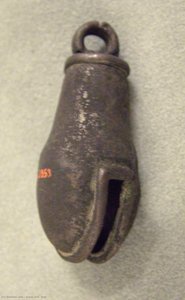
      #32

      Bell

      1521 · Metropolitan Museum of Art

      Imagine holding a piece of history – not just an artifact, but a tangible echo of a vanished empire. This bronze bell, unearthed from the ruins of Tenochtitlan…

      Tooge see valguse koos koju →
      Spider Monkey (1521) autor Azteekide Impearium
      #33

      Spider Monkey

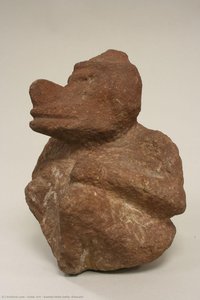
      1521 · Rhode Island School of Design Museum of Art

      This exceptional hand-painted reproduction captures a pivotal moment in Aztec artistic expression – the creation of a remarkably detailed sculpture depicting a spider monkey, dating back to 1521.…

      Cihuateotl (1521) autor Azteekide Impearium
      #34

      Cihuateotl

      1521 · Metropolitan Museum of Art

      The stone sculpture known as “Cihuateotl,” a formidable figure emerging from the heart of the Aztec Empire, offers more than just a visual representation; it’s a window into…

      Tellinime käsitsi maaldetud →
      Stamp (1521) autor Azteekide Impearium
      #35

      Stamp

      1521 · Metropolitan Museum of Art

      Before us lies a terracotta fragment, not merely an artifact but a window into the heart of the Aztec Empire. Designated simply as “Stamp,” this weathered ceramic seal…

      Tooge see valguse koos koju →
      Feathered Serpent Ornament (1521) autor Azteekide Impearium
      #36

      Feathered Serpent Ornament

      1521 · Metropolitan Museum of Art

      In the quiet, hallowed halls of the Metropolitan Museum of Art, there exists a treasure that transcends the boundaries of time and geography. The Feathered Serpent Ornament is…

      Relief (1521) autor Azteekide Impearium
      #37

      Relief

      1521 · Metropolitan Museum of Art

      “Relief,” a meticulously crafted stone carving from the heart of the Aztec Empire, stands as more than just an artistic object; it's a window into a vanished world.…

      Tooge see valguse koos koju →
      Eagle Head Ornament autor Azteekide Impearium
      #38

      Eagle Head Ornament

      Metropolitan Museum of Art

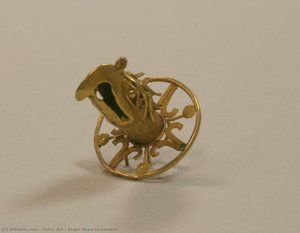
      Before us lies a captivating artifact – an Aztec Eagle Head Ornament, a tangible link to one of Mesoamerica's most formidable empires. More than just a decorative object,…

      Tooge see valguse koos koju →
      Skull Pendant autor Azteekide Impearium
      #39

      Skull Pendant

      Metropolitan Museum of Art

      Gazing upon this black and white photograph, one is immediately drawn to the stark simplicity and profound symbolism of the Aztec skull pendant. More than a mere decorative…

      Telli see lühend →
      Stamp (1521) autor Azteekide Impearium
      #40

      Stamp

      1521 · Metropolitan Museum of Art

      Within the realm of ancient Mesoamerica lies a deceptively simple object – a terracotta stamp, often referred to as a “stamp” in modern parlance. Yet, this unassuming artifact…

      Telli see lühend →
      Female Deity autor Azteekide Impearium
      #41

      Female Deity

      Metropolitan Museum of Art

      The photograph before you offers an arresting window into the heart of Aztec spirituality – a sculpted representation of a female deity, rendered with a profound sense of…

      Tellinime käsitsi maaldetud →
      Tripod Bowl autor Azteekide Impearium
      #42

      Tripod Bowl

      Metropolitan Museum of Art

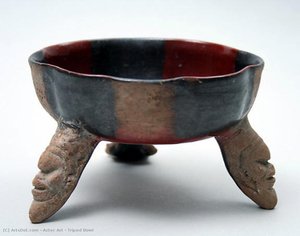
      To gaze upon this Tripod Bowl is to reach across the vast expanse of time, directly into the vibrant heart of the Aztec Empire. It is not merely…

      Maize Deity (Chicomecoatl) autor Azteekide Impearium
      #43

      Maize Deity (Chicomecoatl)

      Metropolitan Museum of Art

      Carved from basalt, this sculpture represents Chicomecoatl, the Mexica goddess of maize. The figure is rendered in a frontal, upright posture with arms raised in a gesture of…

      Seated Female Deity autor Azteekide Impearium
      #44

      Seated Female Deity

      Metropolitan Museum of Art

      Seated Female Deity: A Reflection of Aztec Spirituality The image presents a grayscale photograph of an Aztec sculpture depicting a seated female deity. The sculpture is rendered in…

      Kneeling Male Figure autor Azteekide Impearium
      #45

      Kneeling Male Figure

      Metropolitan Museum of Art

      To gaze upon the Kneeling Male Figure is to reach across the vast chasm of five centuries, touching the solemn breath of an empire long dissolved into myth…

      Seated Male autor Azteekide Impearium
      #46

      Seated Male

      Metropolitan Museum of Art

      is a stone sculpture created by the Aztec Empire. Originating from Mexico, Mesoamerica, the work belongs to the Mexica (Aztec) culture. It dates to the 15th–early 16th century.

      Ritual Stone (pulidor) (1521) autor Azteekide Impearium
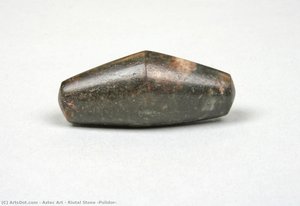
      #47

      Ritual Stone (pulidor)

      1521 · Metropolitan Museum of Art

      Ritual Stone (Pulidor): Echoes of Aztec Majesty The image presents a captivating glimpse into the artistic heritage of the Aztec Empire—specifically, a meticulously crafted green stone artifact known…

      Telli see lühend →
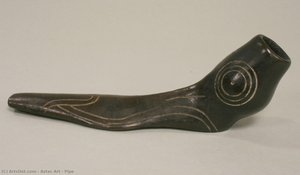
      Pipe (1521) autor Azteekide Impearium
      #50

      Pipe

      1521 · Metropolitan Museum of Art
      Seated Male Deity autor Azteekide Impearium
      #51

      Seated Male Deity

      Metropolitan Museum of Art

      The Aztec Empire, a civilization that flourished in Mesoamerica for centuries, left behind a legacy of breathtaking artistry and profound spiritual belief. Among its most compelling creations stands…

      Tellinime käsitsi maaldetud →
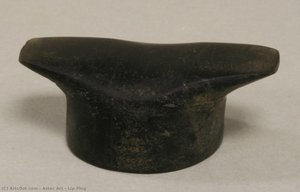
      Lip Plug autor Azteekide Impearium
      #52

      Lip Plug

      Metropolitan Museum of Art

      To gaze upon this artifact is to reach across the vast expanse of time, touching the cool, dark permanence of an ancient civilization. This piece, an Aztec Lip…

      Tellinime käsitsi maaldetud →
      Uilacapitztli (Pottery Flute) autor Azteekide Impearium
      #54

      Uilacapitztli (Pottery Flute)

      Metropolitan Museum of Art

      To gaze upon the Uilacapitztli is not merely to observe an artifact; it is to reach across the vast expanse of centuries and touch the very breath of…

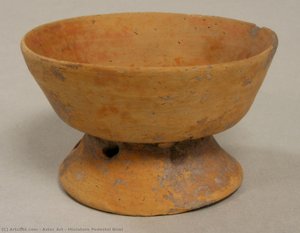
      Miniature Pedestal Bowl autor Azteekide Impearium
      #55

      Miniature Pedestal Bowl

      Metropolitan Museum of Art

      To gaze upon this miniature pedestal bowl is to reach across the vast expanse of time, to hold in one's hands a tangible whisper from the heart of…

      Standard-Bearer (1519) autor Azteekide Impearium
      #57

      Standard-Bearer

      1519

      This stark figure displays the minimalism and monumentality of Aztec stone sculpture. The rigid pose resembles the block of stone from which it was carved. In contrast, the…

      Tellinime käsitsi maaldetud →
      Drum (Teponaztli) autor Azteekide Impearium
      #58

      Drum (Teponaztli)

      Metropolitan Museum of Art

      To gaze upon this representation of an Aztec Teponaztli is not merely to observe an artifact; it is to listen for a silence that holds echoes. This magnificent…

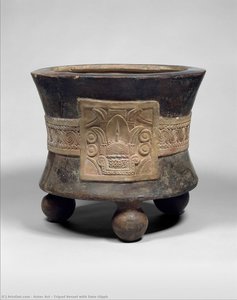
      Tripod Vessel with Date Glyph autor Azteekide Impearium
      #59

      Tripod Vessel with Date Glyph

      Metropolitan Museum of Art

      The image before us presents more than just a ceramic object; it’s a tangible fragment of the Aztec Empire, a silent chronicle etched in clay and imbued with…

      Bowl autor Azteekide Impearium
      #60

      Bowl

      Metropolitan Museum of Art

      Gazing upon this meticulously rendered reproduction of an Aztec bowl is akin to stepping back in time, directly into the heart of Tenochtitlan, the magnificent capital city of…

      Telli see lühend →
      Maize Deity (Chicomecoatl) autor Azteekide Impearium
      #61

      Maize Deity (Chicomecoatl)

      Metropolitan Museum of Art

      Standing before this weathered stone sculpture, one is immediately transported to the heart of ancient Mexico – a realm where the divine intertwined seamlessly with the rhythms of…

      Stamp, Butterfly autor Azteekide Impearium
      #62

      Stamp, Butterfly

      Metropolitan Museum of Art

      Stamp, Butterfly - A Fragment of Aztec Cosmology The image presents a captivating glimpse into the artistic heritage of the Aztec Empire—specifically, a ceramic stamp depicting a butterfly…

      Tooge see valguse koos koju →
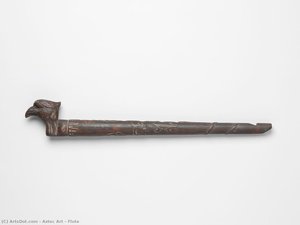
      Flute autor Azteekide Impearium
      #63

      Flute

      Metropolitan Museum of Art

      Within the vast tapestry of Aztec artistry lies a deceptively simple instrument – the flute, often referred to as *uilacapitztli* (meaning “flute-head”). More than just a musical device,…

      Telli see lühend →
      Miniature Pedestal Bowl autor Azteekide Impearium
      #64

      Miniature Pedestal Bowl

      Metropolitan Museum of Art

      Gazing upon this exquisite miniature pedestal bowl offers more than just an appreciation of its delicate form; it’s a portal into the heart of the Aztec Empire, a…

      Ear Ornament autor Azteekide Impearium
      #65

      Ear Ornament

      Metropolitan Museum of Art

      To hold an object from the heart of the Aztec Empire is to touch the very pulse of Mesoamerican history. This exquisite ear ornament, a masterwork of the…

      Miniature Tripod Vase autor Azteekide Impearium
      #66

      Miniature Tripod Vase

      Metropolitan Museum of Art

      The world of ancient Mesoamerica pulses with an undeniable energy – a vibrant blend of ritual, conquest, and breathtaking artistry. Within this rich tapestry, the miniature tripod vase…

      Tellinime käsitsi maaldetud →
      Stamp, Monkey autor Azteekide Impearium
      #67

      Stamp, Monkey

      Metropolitan Museum of Art

      Imagine holding a tangible piece of history – a small, unassuming ceramic stamp from the heart of the Aztec Empire. This particular artifact, depicting a stylized monkey in…

      Tooge see valguse koos koju →
      Bowl autor Azteekide Impearium
      #68

      Bowl

      Metropolitan Museum of Art

      In the quiet presence of this ancient Aztec bowl, one can almost hear the rhythmic pulse of a civilization that once commanded the heart of Mesoamerica. This ceramic…

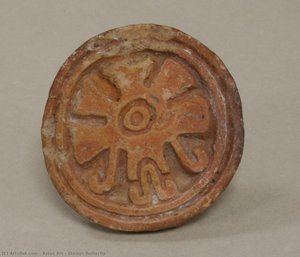
      Flat Stamp with Geometric Flower autor Azteekide Impearium
      #69

      Flat Stamp with Geometric Flower

      Metropolitan Museum of Art

      This striking ceramic stamp, a relic of the Aztec Empire, isn’t merely an artifact; it's a portal to a civilization brimming with intricate symbolism and profound artistic skill.…

      Azteekide Impearium lõikud perioodide kaupa

      Mida Azteekide Impearium kõige rohkem maalis

      Neli teemat, mis esinevad neil lätistes kõige sagedamini, koos nende kõige armastatumate näidetega.

      Kuna Azteekide Impeariumi lamedad pildid rippuvad siin

      Kümne 5 muuseumi kollektsioonid, mis sisaldavad kõige rohkem sellel lehel esitatud teoseid.

      Muuseumid Linn Azteekide Impearium teosid Selle nimekirja maalid
      Metropolitan Museum of Art, New YorkMetropolitan Museum of Art New York 51 Head from a Figure, Xochipilli Macuilxochitl, Figure, Kneeling Male Figure
      British Museum, LondonBritish Museum London 1 Mosaic of a Double-headed Serpent
      Cleveland Museum of Art, ClevelandCleveland Museum of Art Cleveland 1 Pendent in the Shape of a Warrior
      Rhode Island School of Design Museum of Art, ProvidenceRhode Island School of Design Museum of Art Providence 1 Spider Monkey
      Dumbarton Oaks Research Library and Collection, Washington, D.C.Dumbarton Oaks Research Library and Collection Washington, D.C. 1 Tlazolteotl (Birthing Figure)

      Azteekide Impearium kõige kuulsam linate, aastak decade aastak

      1. 1350s
        Pendent in the Shape of a Warrior (1350) autor Azteekide Impearium
        Reiting: 6 / 70

        Pendent in the Shape of a Warrior

        Vanus 50–59 · Cleveland Museum of Art

        To hold this piece in your mind is to encounter the quiet strength of the Post-classic period. This small, metallic figure, likely worn close to the body, captures…

      2. 1420s
        Aztec Sun Stone (Calendar Stone) (1427) autor Azteekide Impearium
        Reiting: 20 / 70

        Aztec Sun Stone (Calendar Stone)

        Vanus 120–129

        The Aztec Sun Stone (Calendar Stone) is a significant work attributed to the Aztec Empire. Carved by the Mexica at the end of the Mesoamerican Postclassic Period, this…

      3. 1460s
        Eagle Warrior (1469) autor Azteekide Impearium
        22 / 70

        Eagle Warrior

        Vanus 160–169

        The artwork titled Eagle Warrior is a terracotta sculpture created by the Aztec Empire. This piece dates to about 1469. The subject of the work is an Aztec…

      4. 1480s
        Mictlantecuhtl (1480) autor Azteekide Impearium
        21 / 70

        Mictlantecuhtl

        Vanus 180–189

        A weathered, pale-grey statue of a child figure emerges from a void of absolute black. The surface is heavily eroded, marked by deep cracks and fissures that trace…

      5. 1500s
        Coyote (1500) autor Azteekide Impearium
        Lentik 23 / 70

        Coyote

        Vanus 200–209

        This work, titled Coyote, is a significant piece attributed to the Aztec Empire. It represents a stylized depiction of the coyote, a figure deeply embedded in the mythology…

      6. 1510s
        Standard-Bearer (1519) autor Azteekide Impearium
        Lentik 57 / 70

        Standard-Bearer

        Vanus 210–219

        This stark figure displays the minimalism and monumentality of Aztec stone sculpture. The rigid pose resembles the block of stone from which it was carved. In contrast, the…

      7. 1520s
        Mosaic of a Double-headed Serpent (1521) autor Azteekide Impearium
        Reiting: 1 / 70

        Mosaic of a Double-headed Serpent

        Vanus 220–221 · British Museum

        To gaze upon this mosaic of a double-headed serpent is to step directly into the vibrant, myth-laden heart of the Aztec Empire. It is not merely an object…

      Azteekide Impearium puuvangad, küsimus küsimusel

      Millist maalatist Azteekide Impearium kõige rohkem mäletatakse?Loe vastust

      Mosaic of a Double-headed Serpent (1521), British Museum, London. Järgnevad Head from a Figure, Xochipilli Macuilxochitl (1521) ja Figure (1521).

      Mosaic of a Double-headed Serpent: kui vana oli Azteekide Impearium, kui see maalisiti?Loe vastust

      1300 aastal sündinud Azteekide Impearium oli 221 aastat vanus: Mosaic of a Double-headed Serpent on pärinev aastast 1521.

      Millised on Azteekide Impearium kümneks kuulsamat maalatud lakan?Loe vastust

      Mosaic of a Double-headed Serpent, Head from a Figure, Xochipilli Macuilxochitl, Figure, Kneeling Male Figure, Serpent Labret with Articulated Tongue, Pendent in the Shape of a Warrior, Figure, Vulture Vessel, Standard Bearer ja Crested Figure (Macuilxochitl). Iga teos ülal toodud reitingus on märgitud koos aasta ja muuseumiga.

      Kui palju maali Azteekide Impearium lõi?Loe vastust

      Kataloogis on 70 teost kunstnikult Azteekide Impearium, kuupäevadelt 1350 kuni 1521.

      Kuhu on Azteekide Impearium kõige kuulsamad tablood täna jäetud?Loe vastust

      Peamiselt Metropolitan Museum of Art (New York), British Museum (London) ja Cleveland Museum of Art (Cleveland) asukohas; ülaltoetud nimekiri esitab kirja iga muuseumi ja selle tablood.

      Millal maalas Azteekide Impearium oma kuulsamad linateid?Loe vastust

      1520s perioodil, mis sisaldas 29 kogu selle lehe 70 teosest, oli nende hulgas Mosaic of a Double-headed Serpent.

      Milline kuvaleht Azteekide Impearium on kõige vanem ja milline kõige uuem?Loe vastust

      Siin olevad kõige vanamad lamedad pildid on Pendent in the Shape of a Warrior (1350); kõige uuemad on Mosaic of a Double-headed Serpent (1521).

      Mille teemadele Azteekide Impearium kõige rohkem pühendus?Loe vastust

      Mesoamerica (21), Sculpture (17) ja Aztec (16), kogu selle lehekülje 70 teose kohta.

      Milline tehnika esineb kõige rohkem Azteekide Impearium maalides?Loe vastust

      Stone, mida on kasutatud 19 kuni 70 teoseks sellel lehel.

      Millised Azteekide Impearium teosed on Metropolitan Museum of Art kogumuses?Loe vastust

      Metropolitan Museum of Art, New York säilitab 51 sellel lehel olevat teost, seda hulka kuuluvad ka Head from a Figure, Xochipilli Macuilxochitl, Figure ja Kneeling Male Figure.

      Kust saan osta Azteekide Impearium maali reproduktsiooni?Loe vastust

      Jah. Iga maali sellel lehel saab tellida oma lehelt kas käsitsi maalatuna õli-reproductionina või suurepärase kunstiprentina valitud suuruses.

      Tutvuge kunstnikuga: Azteekide Impearium

      Kivastuskivade: Azteklasteemi kunst ja päranduse uurimine

      Nimi "Aztek" – tüvest Nahuatl sõnast *ātl-ce-tlācati–tlān*, mis tähendab "palju vorme inimesi" – kutsub mõtteile hiiglaslikku, keerulist impeeriumi, mis domineeris Mesoamerikas ihedal sadade. Aztekid olid aga rohkem kui vaid sõdamehed ja võitjad; nad olid sügavalt kunstlikud inimesed, kes neil elukorras ilusat käsitsi teostatust, alates monumentaalset arhitektuurist kuni delikaatseni tuulikostotööst, pühaid rituaale ploonika esemetele. Nende kunst ei olnud lihtsalt dekoratiivne; see oli elav keele, mis edastas usundusnaineit, poliitilist võimu, ajaloolisi narratiive ja sotsiaalset hierarhia ühiskonnas, mis oli nii tihedalt struktureeritud kui ka hädavajalikult uuenduslik.

      Sünnud saades 14. sajabiku alguses Tenochtitlanis, Azteklasteemi südames, olid aztekide kunstiline traditsioon sügavalt juurdunud varasemates Mesoamerika tsivilisationede pärandates. Olmecid, oma kolossaalsete peadega ja keeruliste kalendri süsteemidega; Teotihuacanlased, tuntud oma massiivsete pyramidite ja linnaplaneerimise poolest; ning Toltekid, metallitööstuse ja skulptuurile mestrid, kõik sisaldasid rikast kunstiliktapet, mida aztekid pärandaks saades. Kuid aztekid ei olnud lihtsalt imiteerivad; nad süendasid neid mõjuvaid oma unikaalse estetiilise tundlikkusega, arendades erdisteliku stiili, mis on iseloomulik valget toone, keeruliste geometriliste mustrite ja sümboolsete esinduste poolest.

      Võimu palett: Materjalid ja tehnika

      Aztekide kunst oli hädavajalikult mitmekülgne, kasutades hämmastavalt laia materjalide ja tehnika vahemikku. Kivikujundus oli olulises kohas, näiteks monumentaalsete skulptuuridega, mis esitasid jumalusi, valdade ja müüthisid luosse. Massiivne Päikesteen (Kalendristeen), leidnud 1946. aastal, on tõestus nende mestripesust selle keskkonna suhtes – keeruline, kiitlaste kivirelief, mis ühendas kalenderlikku teavet kosmogoonilise sümboolikaga. Täpised käsitsi tööjad tegelesid ka puu, savi, tuulikostotööstega – eriti elavates quetzal-tuulikostotööstega – jade, turkoosi, obsidiaani ja kullaga, mis peegeldas nii rikkust kui ka staatusset.

      Tuulikostotöö oli ehk visuaalselt kõige silmapaistvam aspekt aztekide kunstis. Keerult käsitsi valmistatud väärapääd, kaardid, kiidud ja teised dekoratiivsed esemed loodi tuste hoolikalt paigutatud tuulikostotega – protsess, mis nõudis immast oskust ja kannatust. Need objektid olid mitte ainult ilusad; nad nägusid kui võimelised sümboolid autoriteetist, usundusdevotsioonist ja sotsiaalset staatusi. Väbed sisaldasid end ise spetsiifiliste tähendustega: sinine esitas taevast, roheline symboliseeris vellindust, punane sõjalikkust ning kelgiroheline päikest.

      Lisaks olid aztekide kunstnikud mestrid mosaiikitööstuses, luues hämmastavalt dekoratiivseid paneele väikeste, täpselt lõigatud kiviplattega. Need mosaiikid koristasid templeid, palatsiväärdeme ja isiklikkuse elamiskohad, lisades ehitatud keskkonnale visuaalset rikkust. Nende keramiika oli samuti imeliseks, esitades keerulisi geometrilisi disainkontureid ning elvaate ja jumaluste kujutusi.

      Sümbolite keel: Teemad ja motiivid

      Aztekide kunst on täis sümboolika, kus iga pild kantab mitmekordseid tähendusi, mida nõudli ette hoolikalt tõlgendamist pühaid, kirjutajaid ja valdade. Keskne jumalus, Huitzilopochtli, sõja- ja päikejumal, kuvati sageli keerulistes väärapäädides, mis olid koristatud tuulikostotega ja väärtussete kividega. Quetzalcoatl, tuulikasobserpentjumal, assotsieative teadmisega, viisusega ja loomusega, oli nende panteoonis oluline koht ning ilmneses mitmes kunstlikutes esindustel.

      Kalendrisüsteem – hädavajalikult keerukas kombinatsioon päikese- ja rituaaltsükli – oli veel üks korduv motiiv. Kalendrite, glifi ja astronomiliste sümbolite pildid sisestati skulptuuridesse, mosaiikidesse ja kodiksse (illustreeritud raamatutesse), peegeldades aztekide sügavat mõistlust ajast ja kosmogooniast. Maise esindused, nende toitumise põhikasv, symboliseerisid elust ja vellindust. Loomade kujutused – eriti jaguaarid, lõvikud, meeste ja hummlaised linnud – kantesid sümboolset tähendust võimu, julgeuse ja jumalikuga seoses.

      Pärandad fragmentides: Kunst ja ajalooline tähtsus

      Aztekide impeeriumi äkillne kollaps Hispaania kolonistide käest 1521. aastal põhjustas Mesoamerika kultuurile katastrofoolise kaotuse. Kahvila olmas, et nende kunstiline pärand oli suure osa hävitatud kolonnast – templeid ragutati, skulptuureid lõhkuti ja kodikseid põletati. Kuid hoolimata neist kaotustest elavad tänapäeval aztekide kunsti fragmendid, pakkudes onhäärt väärtuslikke ülevaate selle hädavajalikule tsivilisatsioonile.

      Märktavates näidetes kuuluvad Päikesteen, monumentaalne skulptuur, mis näitab aztekide ed Kxaast teadust astronomias ja matematika; keerulsed tuulikostotööstega väärapääd ja kaardid, säilitatud maailma muuseumides; ning eluvõimased kodiksid – käsin kirjutatud raamatud, mis sisaldavad ajaloolisi kontoone, usundusnaineit ja kalendrite teavet. Mehiikossa asub Colección Andrés Blaisten, mis hoiustab olulise kolooniaall-amerika kunstikogu, sealhulgas näidusi, mis valotavad aztekide kunstiline traditsioonid.

      Aztekide impeeriumi kunstilise pärandi mõju on tänapäeval veel nähtav, inspireerides samuti kontemporane kunstnike ja disainerite. Nende uuenduslikud tehnika, sümboolne kuvustus ja sügav side loodusega jätkavad resoneerima üle maailma publikutega. Aztekide kunsti uurimine ei ole lihtsalt ajalooline hindamise harjutus; see on reis keerulise ja võotavate tsivilisatsiooni südames – tõestame inimliku loovuse, iitseolulise ja andva sügavuse.

      Et uurida rohkem kunstteoseid aztekide impearium ja teiste märkimisväärsete kunstnikute kaelest, külastage TopImpressionists.com.

      Kõik 70 teost Azteekide Impearium →