

Esitetty: · Kehyksineen:
 Esikatselu
 Jaa teos
 Jaa
Jaa
 Tiedot
 Opas
Opas

 Lataa kuva
 Samanlaisia kohteita
 Röntgenkuvaus
 Diaesitys
 Kysymykset ja vastaukset
 Tilastot
- 20.0 x 27.0 cm


€ 350
Käsinmaalattu öljyvärinen jäljennös
Käsinmaalattu öljyväri kankaalle haluamassasi koossa ja kehyksissä, taiteilijoidemme valmistamana tilauksesta. ( Vaihda tulosteeseen Siirry digitaaliseen kuvaan)
Koko
·Vakiokoko
räätälöity
CM
INCH
Valitse valmiista mitoistamme sellaiset, jotka vastaavat teoksen alkuperäisiä mittasuhteita.
Koot ladataan...

leveys
korkeus
Kirjoita tarvitsemasi leveys ja korkeus, jotta teos sopii kehyksiisi tai seinällesi. Koska kyseessä on käsinmaalattu teos, taiteilija voi maalata hieman enemmän kuvan ympärille tai rajata sitä hieman, jos haluat eri muotoisen koon — valinta on sinun. Lähetämme sinulle digitaalisen mallikuvan hyväksyttäväksi ennen kuin maalaus alkaa. Tällä sivulla näkyvä kuva ei vastaa lopullista tulosta — vain mallikuva näyttää sen.
 Lue lisää
Viimeistely
·
Valkoinen reuna €1

pehmennetty reuna €1

Jatkuva reuna €1

P118B €10

P118H €10

P118W €10

P438Z €10

P508JH €12

P508YH €12

P805H €10

P805Z €10

P919BZ €10

P919G €10

P919XJ €10

P959ZH €10

P968JZ €12

W106C €8

W218G €10

W218JH €8

W218Y €10

W307PJ €10

W316G €10

W316PJ €8

W316Y €10

W398PJ €8

W4111J €10

W500HY €15

W500JH €15

W692G €12

W849H €8

W940BG €15

W953PJ €8

H24-GOLD €30

H24-SILVER €30

H36-GOLD €45

H36-SILVER €45
Toimitetaan suojaputkessa, valmiina kehystettäväksi omassa kehyksessäsi.
Yli 105 cm kokoiset kehykset toimitetaan osasarjana ammattilaiskehystäjälle — lue lisätiedot.
Lisäpalvelut
valinnainenMitä lisämateriaalit sisältävät?
Esimerkkejä muutettavista asioista: Vaihda kasvot asiakkaan valokuvaan; Lisää lemmikki (esim. vaihda kissa koiraksi); Lisää piilotettu viesti taustalle; Vaihda taustan maisemaa tai elementtejä.
Tilauksen jälkeen TopImpressionists.com -tiimi lähettää asiakkaalle sähköpostia ohjeita varten ja toimittaa luonnoksen esikatselun
Tilauksen jälkeen TopImpressionists.com -tiimi lähettää asiakkaalle sähköpostia ohjeita varten ja toimittaa luonnoksen esikatselun
Maailmanlaajuinen toimitus () 3–4 viikossa tavallisen 5 viikon sijaan. (4 marraskuu). Laadusta ei tingitä.
Suojalakkaus
Nimilaatta
Kaiverretun pronssilaatan tiedot
This elegant plaque features the artist's name and the title of the artwork, finely engraved for a timeless presentation.
It is made from bronze with a refined, elegant finish. The text is precisely laser-engraved for a sharp and permanent result. Measuring 9x2 cm, the plaque is compact yet easy to read. It's built to be durable and scratch-resistant, offering a professional, museum-quality look. Mounting is simple thanks to the included adhesive backing.
Läpinäkyvän akryylilaatan tiedot
The plaque includes essential engraved details such as the artist's name, the title of the artwork, the date it was created, the type of media used-like oil on canvas or watercolor-a brief description of the piece, and a QR code that links to the complete artwork information.
It is crafted from clear acrylic, offering a sleek, modern appearance. The text is UV-engraved in black to ensure strong visual contrast. With a size of 10x15 cm, it ensures optimal readability. It comes equipped with two metal hooks for secure wall mounting. The plaque is designed to be weather-resistant, making it suitable for various environments, and it includes interactive features that work seamlessly with smartphone scanning.
Mustan akryylilaatan tiedot
This elegant plaque includes engraved information such as the artist's name, the title of the artwork, the date it was created, the type of media used (like oil on canvas or watercolor), a short description of the artwork, and a QR code for quick access to more information.
The plaque itself is made from refined black acrylic with a premium finish. The text is laser-engraved in white for high contrast and readability. Its size is 10x15 cm, designed to be easy to read. It comes with two metal hooks for professional mounting. The design is sleek and fits any interior style. It is also weather-resistant and durable, with built-in digital integration for mobile compatibility.
Lasivaihtoehto on saatavilla vain alle 110 cm kokoisille teoksille
 Lasivaihtoehto on saatavilla vain alle 110 cm kokoisille teoksille
- Ilmainen pikatoimitus ympäri maailman
- Korkealaatuinen pellavakangas
- Kattava kuljetusvakuutus
- Tulliveron palautustakuu
- Takuu täydellisestä värien vastaavuudesta
- 100 päivän palautusoikeus (vain valmistusvirheet)
- 100% rahat takaisin -takuu
- Määräalennus tarjolla


Keräilykohteen kuvaus
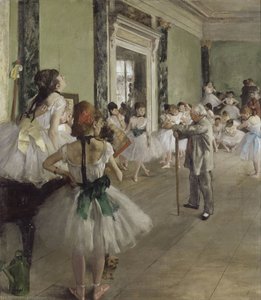
Tutustu Degasin "The Dancing Class" - maalaukseen, joka vangitsee baletin harjoittelun liikkeen dynamiikan ja nostalgisen tunnelman. Täydellinen impressionistiselle realismille!
Taiteilijan elämäkerta
Edgar Degas: Upea ranskalainen taiteilija, tunnettu balettitanssijoiden maalauksistaan ja modernin Pariisin elämästä. Innovatiivinen ja vaikutusvaltainen taiteilija!
Tietoa maalauksesta
Edgar Degas: ”The Dancing Class” – A Snapshot of Parisian Ballet
Edgar Degas’s “The Dancing Class,” completed around 1870, stands as a cornerstone of Impressionist art and offers an unparalleled glimpse into the world of ballet practice during Paris’s vibrant Belle Époque. More than just a depiction of dancers; it's a carefully crafted tableau that encapsulates a specific moment in time—a quiet rehearsal session within Degas’s studio—and speaks volumes about his artistic vision.
Subject Matter and Composition: Capturing Fleeting Movement
The painting portrays approximately two dozen ballerinas engaged in various activities – tying their shoes, stretching, meticulously rehearsing steps, or simply observing. Unlike grand theatrical productions, Degas eschewed staged poses, opting instead for a candid snapshot that reflects the Impressionist preoccupation with capturing fleeting moments of everyday life. The studio setting itself—characterized by simple furniture like chairs and tables—contributes to this sense of realism, grounding the scene in an authentic environment.
Impressionistic Technique: Texture and Light as Key Elements
Degas’s masterful technique exemplifies Impressionism's core principles. He employed loose brushstrokes – visible and textured – to convey movement and luminosity. The color palette is dominated by warm browns and ochres, creating a muted atmosphere reminiscent of the dim lighting found in rehearsal rooms. Careful layering of paint builds up form without striving for photographic accuracy; instead, Degas prioritized capturing the subtle nuances of light and shadow, mirroring the Impressionists’ fascination with optical perception.
Historical Context: Ballet's Rise to Prominence and Artistic Innovation
Painted during a period of significant social transformation in Paris, “The Dancing Class” coincided with ballet’s resurgence as both an art form and a symbol of Parisian elegance. Degas’s decision to depict the preparatory stages of performance—the quiet dedication required for mastering technique—represented a bold departure from traditional academic painting, which favored idealized representations. This focus on realism aligns with broader artistic trends of the era, reflecting a desire to portray life as it truly is.
Symbolism and Emotional Impact: Dedication and Artistic Pursuit
"The Dancing Class" transcends mere visual representation; it embodies themes of perseverance, discipline, and the unwavering pursuit of artistic excellence. Degas’s portrayal captures not only the physical activity involved in ballet training but also the psychological state of young women striving for success—a poignant reflection on ambition and aspiration. Ultimately, the painting evokes a feeling of quiet intimacy and nostalgic charm, inviting viewers to contemplate the beauty found within everyday moments and celebrating the transformative power of art.
Kysymykset ja vastaukset
Mistä voin löytää teoksia, jotka muistuttavat teosta Hilaire-Germain-Edgar Degas:n "The Dancing Class"?
Teokset, jotka muistuttavat teosta "The Dancing Class", löytyvät sen Samankaltaisia teoksia -sivulta.
Mistä kansallisuudesta "The Dancing Class"-teoksen Impressionist Realism kumpuaa?
The Dancing Class on Hilaire-Germain-Edgar Degas tekemä teos, joka on syntynyt Impressionist Realism-suuntauksen vaikutuksesta; taiteilija on kotoisin Ranska. Taiteilijan alkuperä yhdistää teoksen Impressionist Realism-tyyliin, jota Ranska-maasta kotoisin olevat taiteilijat edustavat.
Mikä sijoittelu sopii teoksen Hilaire-Germain-Edgar Degas:n "The Dancing Class" formaattiin?
Hilaire-Germain-Edgar Degas:n "The Dancing Class"-teoksen Vaaka-asento-muoto on suositeltava Olohuone-tilaan. Muoto ja tila ohjaavat yhdessä reproduktion sijoittelua.
Pikaopas ja taidevisailu
Tietoa artistista Hilaire-Germain-Edgar Degas

Hilaire-Germain-Edgar Degas
1834 - 1917, Ranska
Taiteilijan elämäkerta
A Life Immersed in Movement
Edgar Degas, syntynyt Hilaire-Germain-Edgar De Gas vuonna 1834 Pariisissa, oli taiteilijaelämä, joka täynnä vastakohtia. Vaikka hänet usein luokitellaan Impressionistien pariin – Monet’n, Renoir’n ja muiden, jotka mullistivat maalaustekniikkaa 1800-luvun lopulla – hän itse vastusti tätä nimitystä, identifioiden itsensä realistiksi. Tämä sitoutuminen perustui hänen tarkkaan havaintoonsa maailmasta ja omistautumiseensa sen kuvaamiseen rehellisesti. Degasin varhainen elämä oli mukava bourgeois-elämä; isänsä oli pankki, ja äitinsä perhe oli kreikkiläinen New Orleansista. Tämä tausta tarjosi hänelle pääsyn koulutukseen ja taidekoulutukseen, vaikka hän usein vastusti akateemisia rajoitteita. Hän ilmoittautui alun perin Lycée Louis-le-Grandiin, mutta hänen todellinen koulutuksensa alkoi, kun hän alkoi kopioida teoksia Louvressa, hioen taitojaan ja sytyttäen elinikäisen intohimon klassiseen taiteeseen. Kuitenkin Degasin tie ei ollut pelkkää perinteiden noudattamista; se oli merkitty jatkuvalla kyseenalaistamisella ja taiteellisten normien uudelleenarvioinnilla. Hänellä oli itsenäinen henki, joka määrittelisi koko uransa.Impressionismista Poikkeava Taiteellinen Visio
Vaikka hänen ikäisensä, kuten Monet, tavoittelivat valon hetkellisiä vaikutuksia ulkona, Degas työskenteli pääasiassa studioissaan, rakentaen tarkasti kohtauksia havaintojen ja muistojen pohjalta. Hänen aiheensa olivat selvästi moderneja – poikkeus historiallisten tai mytologisten teemojen suhteen, joita suosivat monet akateemiset maalarit. Hän löysi inspiraatiota Pariisin tavallisten ihmisten elämään: pesimiehet, kabaree-laulajat, hattujen tekijät ja, mikä tärkeintä, tanssijat. Tämä tanssiin liittyvä intohimo määrittelee hänen teoksiaan suurelta osin. Degas ei maalannut vain kauniita balettitanssijoita; hän vangitsi heidän työn raskaan todellisuuden – loputtomat harjoitukset, fyysinen rasitus, ohikiitävät hetket eleganssin keskellä vaikeaa työtä. Hänen kompositiot ovat usein epätavallisia, esittäen hahmoja odottamattomilla tavoilla ja käyttämällä epäsymmetrisiä järjestelyjä luomaan dynaamisuuden ja välittömyyden tunnetta. Hän oli mestari vangitsemaan liikettä, ei sumeiden linjojen tai hämärän efektien kautta, vaan tarkkaan havaintojen ja muotojen huolellisen esittämisen avulla. *Tanssija tamburiinin kanssa*, *Baletttiluokka* ja *Degas vihreässä kaulahuivissa* ovat hyviä esimerkkejä tästä omistautumisesta ihmisfiguuren kuvaamiseen liikkeessä ja modernin elämän monimutkaisuuksien paljastamisessa. Hän ei ollut kiinnostunut pinnallisesta kauneudesta; hän etsi totuutta pinnan alla.Vaikutukset ja Taiteellinen Kehitys
Degasin taiteellinen matka muotoutui monipuolisten vaikutteiden pohjalta. Varhaiset koulutuksensa korosti klassisia periaatteita, erityisesti Jean-Auguste-Dominique Ingresin työtä, jonka linjakkuuden ja tarkkaan esitettyjen periaatteiden painotus jätti pysyvän jälkivaikutuksen. Kuitenkin Degas ihaillut myös Realisteja, kuten Gustave Courbetia, jotka haastoivat akateemisia normeja ja edustivat nykyelämän kuvaamista. Merkittävä hetki hänen kehityksessään oli hänen yhteytensä Camille Pissarro’hun, johtavaan Impressionistiin, joka esitteli hänet muiden taiteilijoiden pariin ja rohkaisi häntä kokeilemaan uusia tekniikoita. Hän oli lumoutunut japanilaisten painokuvien vaikutuksesta – Ukiyo-e – jotka vaikuttivat hänen epäsymmetristen komposiittien käyttöön, tasoitetuihin näkökulmiin ja rohkeisiin kuvioihin. Hän omaksui myös valokuvausta, tunnistaen sen potentiaalin liikkeen tutkimisessa ja ohikiitävien hetkien vangitsemisessa. Tämä halukkuus sisällyttää erilaisia vaikutteita teoksiinsa on se, mikä erottaa Degasin ja edistää hänen taiteensa ainutlaatuista luonnetta. Hän ei pelännyt lainata eri lähteitä, yhdistäen ne johonkin täysin uuteen.Saavutukset ja Perinnön Jättö
Edgar Degas kuoli Pariisissa vuonna 1917, jättäen jälkeensä teosten kokoelman, joka vangitsee edelleen yleisön huomion. Hänen innovatiivinen lähestymistapansa komposiittien luomiseen, hänen mestarillinen draftsaamisen taitonsa ja ihmisten elämän rehellinen kuvaus ovat vaikuttaneet taiteen historian kulkuun syvästi. Hän avasi tietä tuleville sukupolville taiteilijoille, jotka halusivat irtautua perinteisistä normeista ja tutkia uusia tapoja maailman esittämiseen. Hänen vaikutuksensa voidaan nähdä Pablo Picasson ja Henri Matissen teoksissa sekä monissa muissa. Teokset säilytetään laajalti museoissa ympäri maailmaa – Musée d’Orsayssa ja Musée de l’Orangeriessa Pariisissa – varmistaen, että hänen perintönsä kestää sukupolvien ajan. Degas ei ollut pelkästään tanssijoiden tai ratsastajien maalari; hän oli tarkkanäköinen havaintoeläjä, muotojen ja liikkeen mestari ja todellinen innovaattori, joka uudensi taiteen mahdollisuuksia.Pikaaakkaukset taiteilijasta Hilaire-Germain-Edgar Degas
- Artistic Movement Or Style: Impressionismi, Realismi
- Artists Or Movements Influenced By This Artist:
- Picasso
- Matisse
- Artists Who Influenced This Artist:
- Ingres
- Courbet
- Pissarro
- Date Of Birth: 1834
- Date Of Death: 1917
- Full Name: Hilaire-Germain-Edgar De Gas
- Nationality: Ranskalainen
- Notable Artworks:
- Tanssijoita siivissä 1
- Kilpahevosten Pariisilainen Lähtö
- Balettin harjoitus
- Place Of Birth: Pariisi, Ranska
Samankaltaisia teoksia




Tutustu teoksiin, jotka on järjestetty aiheiden, tyylien ja ominaisuuksien mukaan.


Hilaire-Germain-Edgar Degas
The Dancing Class
() ·
Kehyksineen: · Käsinmaalattu öljyväreillä pellavalle
Yhteensä