Atelier — Ilmainen toimitus ympäri maailman — Toimitusaika 2–6 viikkoa
      Emanuel De Witte, 1617 – 1692

      Emanuel De Witte: 98 tunnetuinta maalausta

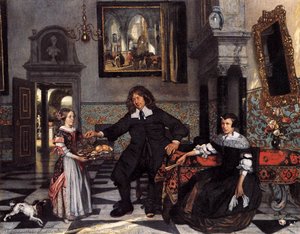
      Kaikista Emanuel De Witte's teoksista Portrait of a Family in an Interior (detail) (1678) on tunnetuin; se on esillä Alte Pinakothek -museossa, kaupungissa München. Heti perässä tulevat The Interior of a Dutch Church (1680) ja Interior of the Nieuwe Kerk in Delft (1664). Emanuel De Wittein 99 teoksen joukosta nämä 98 ovat kuuluisimpia; jokaisesta on esitetty päivämäärä, museo ja tarina.

      Sijoitus perustuu suosiotulokseemme, joka yhdistää kunkin teoksen hakuja, vierailuja ja tilauksia. Päivitetty lokakuu 2026. Jokainen tämän sivun maalauksista on tilattavissa joko käsin maalatun öljyreproduktiona pellavalle tai valitun kokoisena taideprinttinä.

      Emanuel De Witte muotokuva
      Emanuel De Witte · 1617 – 1692
      Syntynyt · kuollut
      1617 – 1692, Alkmaar
      Taidesuuntaus
      Dutch golden age
      Teokset valikoimassamme
      99
      Tunnetuimmat
      Portrait of a Family in an Interior (detail) (1678)
      Eniten teoksia kohteessa
      Museum Boijmans Van Beuningen

      Emanuel De Witten 10 kuuluisinta maalausta

      Portrait of a Family in an Interior (detail) (1678) tekijä Emanuel De Witte
      1

      Portrait of a Family in an Interior (detail)

      1678 · Oil On Canvas · Alte Pinakothek, München

      Emanuel de Witte's “Portrait of a Family in an Interior” (1678) isn’t merely a depiction of a wealthy household; it’s a carefully constructed tableau vivant, a frozen moment brimming with quiet dignity and subtle narrative. Painted during the height of the Dutch Golden Age, this oil on canvas offers a rare glimpse into the lives of a prosperous family within their richly appointed home—a space designed to project status, comfort,…

      Käsinmaalattu öljyreprosentio alkaen $203 29 × 35 cm
      The Interior of a Dutch Church (1680) tekijä Emanuel De Witte
      2

      The Interior of a Dutch Church

      1680 · Oil On Canvas · Scottish National Gallery, Edinburgh

      The Interior of a Dutch Church is an oil on canvas by Emanuel de Witte. Created about 1680, the work reflects the artist's specialization in the architectural spaces of the Netherlands. De Witte, who was born in Alkmaar, Netherlands, spent much of his career capturing the specific atmosphere and light within these sacred environments.

      Käsinmaalattu öljyreprosentio alkaen $178 29 × 34 cm Alkuperäisen kokoinen $1072 162 × 190 cm Tilaa alkuperäisen kokoisena →
      Interior of the Nieuwe Kerk in Delft (1664) tekijä Emanuel De Witte
      3

      Interior of the Nieuwe Kerk in Delft

      1664 · Oil On Canvas · Residenzgalerie, Salzburg

      To stand before an interior scene like this depiction of the Nieuwe Kerk in Delft is to step across a threshold, leaving the clamor of the outside world behind. The artwork does not merely show us a church; it envelops us within its monumental silence. Emanuel de Witte masterfully captures that unique atmosphere found only in grand, aged sacred architecture—a place where history seems palpable in the very dust motes…

      Käsinmaalattu öljyreprosentio alkaen $203 29 × 34 cm Alkuperäisen kokoinen $334 67 × 79 cm Tilaa alkuperäisen kokoisena →
      Rest During the Flight (1654) tekijä Emanuel De Witte
      4

      Rest During the Flight

      1654 · Oil · Bavarian State Painting Collections, München

      The oil painting titled Rest During the Flight by Emanuel de Witte depicts a specific narrative from religious history. Created about 1654, the work presents a scene likely representing the Flight into Egypt. This biblical event is rendered through a composition centered on a nocturnal landscape where light and shadow define the primary figures.

      Käsinmaalattu öljyreprosentio alkaen $203 30 × 34 cm Alkuperäisen kokoinen $316 65 × 73 cm Tilaa alkuperäisen kokoisena →
      The Interior of the Oude Kerk, Amsterdam, during a Sermon (1658) tekijä Emanuel De Witte
      5

      The Interior of the Oude Kerk, Amsterdam, during a Sermon

      1658 · Oil On Canvas · National Gallery, Lontoo

      To stand before this depiction of The Interior of the Oude Kerk in Amsterdam is to step across the threshold of time itself. This painting, executed in 1658 by Emanuel de Witte, is far more than a mere record of an architectural space; it is a meticulously crafted meditation on faith, community, and the sublime interplay between human life and divine structure. The high-angle perspective immediately envelops the viewer, drawing…

      Käsinmaalattu öljyreprosentio alkaen $303 28 × 36 cm Alkuperäisen kokoinen $424 63 × 79 cm Tilaa alkuperäisen kokoisena →
      Portrait of a woman (1648) tekijä Emanuel De Witte
      6

      Portrait of a woman

      1648 · Oil On Canvas · Museum Boijmans Van Beuningen, Rotterdam

      A single female figure occupies the center of this oval vignette, presented in a bust-length view. She wears a dark garment, accented by a prominent white collar with scalloped edges and a small black bow. The composition draws the eye directly to her face, where a calm and composed expression suggests a dignified emotional tone. Light originates from the upper left, casting gentle shadows across the right side of her…

      Käsinmaalattu öljyreprosentio alkaen $178 30 × 34 cm Alkuperäisen kokoinen $223 46 × 54 cm Tilaa alkuperäisen kokoisena →
      Portrait of a man (1648) tekijä Emanuel De Witte
      7

      Portrait of a man

      1648 · Oil · Museum Boijmans Van Beuningen, Rotterdam

      is an oil painting by the Dutch artist Emanuel de Witte. Executed about 1648, the work represents a significant example of the artist's early engagement with portraiture before his later specialization in church interiors. The sitter is presented in a bust-length composition, positioned slightly off-center to create a sense of depth and presence.

      Käsinmaalattu öljyreprosentio alkaen $178 29 × 34 cm Alkuperäisen kokoinen $223 46 × 54 cm Tilaa alkuperäisen kokoisena →
      Interior of a Protestant Gothic Church (1669) tekijä Emanuel De Witte
      8

      Interior of a Protestant Gothic Church

      1669 · Oil On Canvas · Rijksmuseum, Amsterdam

      Emanuel de Witte's "Interior of a Protestant Gothic Church," painted in 1669, isn’t merely a depiction of a sacred space; it’s an immersive experience. This remarkable work transcends the simple act of recording architecture, instead capturing the very *feeling* of being within a grand, dimly lit cathedral – a testament to de Witte's unique artistic vision. Unlike his contemporary Pieter Saenredam, who meticulously documented architectural details with photographic precision, de…

      Käsinmaalattu öljyreprosentio alkaen $228 28 × 35 cm Alkuperäisen kokoinen $244 34 × 45 cm Tilaa alkuperäisen kokoisena →
      Danaë and the Shower of Gold (1641) tekijä Emanuel De Witte
      9

      Danaë and the Shower of Gold

      1641 · Oil On Panel

      The air in the chamber feels heavy, thick with the scent of warm linen and the sudden, electric presence of the divine. A woman reclines upon a bed of white fabric, her body catching a sudden, brilliant light that seems to emanate from the very heavens. She is Danaë, caught in a moment of profound transformation. Above her, the darkness of the room is pierced by a descent of sparkling…

      Käsinmaalattu öljyreprosentio alkaen $203 42 × 24 cm Alkuperäisen kokoinen $240 54 × 41 cm Tilaa alkuperäisen kokoisena →
      Vertumnus and Pomona (1644) tekijä Emanuel De Witte
      10

      Vertumnus and Pomona

      1644 · Oil On Panel · Museum Boijmans Van Beuningen, Rotterdam

      In Vertumnus and Pomona, Emanuel de Witte explores the subtle complexities of desire through a classical mythological lens. The work centers on the god of the seasons, Vertumnus, and his persistent efforts to court the nymph Pomona. Rather than a straightforward encounter, the artist presents a scene of strategic transformation. Vertumnus employs a clever ruse, appearing first in the guise of an old woman to sing praises of love and…

      Käsinmaalattu öljyreprosentio alkaen $203 42 × 24 cm Alkuperäisen kokoinen $262 63 × 46 cm Tilaa alkuperäisen kokoisena →

      Emanuel De Witte -teokset sijoilla 11–98

      Mitä Emanuel De Witte maalasi eniten

      Nämä neljä aihetta toistuvat näissä maalauksissa useimmin, ja jokaisesta on esitetty suosituin esimerkki.

      Missä Emanuel De Witten kankaat riippuvat

      Tämän sivun teoksista eniten sisältävät 8 museota.

      Museo Kaupunki Emanuel De Witte teokset Tämän listan maalaukset
      Museum Boijmans Van Beuningen, RotterdamMuseum Boijmans Van Beuningen Rotterdam 11 Portrait of a woman, Portrait of a man, Vertumnus and Pomona
      Rijksmuseum, AmsterdamRijksmuseum Amsterdam 8 Interior of a Protestant Gothic Church, Interior of a Protestant Gothic Church, Interior of the Portuguese Synagogue in Amsterdam
      National Gallery, LontooNational Gallery Lontoo 4 The Interior of the Oude Kerk, Amsterdam, during a Sermon, The Interior of the Oude Kerk, Amsterdam, The Interior of the Oude Kerk, Amsterdam, during a Sermon
      Amsterdam Museum, AmsterdamAmsterdam Museum Amsterdam 3 Interior of the Oude Kerk in Amsterdam, Interior of the Oude Kerk in Amsterdam, Interior of the Oude Kerk in Amsterdam
      Hermitage-museo, PietariHermitage-museo Pietari 3 Square in front of the Palace in an Italian Town, Old Church in Delft, Interior of a Church
      Metropolitan Museum of Art, New YorkMetropolitan Museum of Art New York 3 Interior of the Oude Kerk, Delft, Interior of the Oude Kerk, Delft (detail), Interior of the Oude Kerk, Delft
      Detroit Institute of Arts, DetroitDetroit Institute of Arts Detroit 3 The Nieuwe Kerk at Delft with the Tomb of Willem the Silent, Interior of a Protestant Church, Interior of the Oude Kerk in Amsterdam
      Alte Pinakothek, MünchenAlte Pinakothek München 2 Portrait of a Family in an Interior (detail), Portrait of a Family in an Interior

      Vuosikymmen vuodelta: Emanuel De Witte'n kuuluisimmat kankaat

      1. 1640s
        Portrait of a woman (1648) tekijä Emanuel De Witte
        Kangas 6 / 98

        Portrait of a woman

        Ikä 23–32 · Museum Boijmans Van Beuningen

        A single female figure occupies the center of this oval vignette, presented in a bust-length view. She wears a dark garment, accented by a prominent white collar with…

      2. 1650s
        Rest During the Flight (1654) tekijä Emanuel De Witte
        Kangas 4 / 98

        Rest During the Flight

        Ikä 33–42 · Bavarian State Painting Collections

        The oil painting titled Rest During the Flight by Emanuel de Witte depicts a specific narrative from religious history. Created about 1654, the work presents a scene likely…

      3. 1660s
        Interior of the Nieuwe Kerk in Delft (1664) tekijä Emanuel De Witte
        3 / 98

        Interior of the Nieuwe Kerk in Delft

        Ikä 43–52 · Residenzgalerie

        To stand before an interior scene like this depiction of the Nieuwe Kerk in Delft is to step across a threshold, leaving the clamor of the outside world…

      4. 1670s
        Portrait of a Family in an Interior (detail) (1678) tekijä Emanuel De Witte
        Sijoitus 1 / 98

        Portrait of a Family in an Interior (detail)

        Ikä 53–62 · Alte Pinakothek

        Emanuel de Witte's “Portrait of a Family in an Interior” (1678) isn’t merely a depiction of a wealthy household; it’s a carefully constructed tableau vivant, a frozen moment…

      5. 1680s
        The Interior of a Dutch Church (1680) tekijä Emanuel De Witte
        Kangas 2 / 98

        The Interior of a Dutch Church

        Ikä 63–72 · Scottish National Gallery

        The Interior of a Dutch Church is an oil on canvas by Emanuel de Witte. Created about 1680, the work reflects the artist's specialization in the architectural spaces…

      6. 1690s

      Vastaukset kysymyksiisi Emanuel De Witte'n maalauksista

      Mikä on Emanuel De Witte kuuluisin maalaus?Lue vastaus

      Portrait of a Family in an Interior (detail) (1678), Alte Pinakothek, München. Seuraavina ovat The Interior of a Dutch Church (1680) ja Interior of the Nieuwe Kerk in Delft (1664).

      Kuinka vanha Emanuel De Witte oli teoksen Portrait of a Family in an Interior (detail) aikaan?Lue vastaus

      Emanuel De Witte, syntynyt vuonna 1617, oli 61 vuotta vanha: Portrait of a Family in an Interior (detail) on peräisin vuodelta 1678.

      Mistä kymmenestä maalauksesta Emanuel De Witte on eniten tunnettu?Lue vastaus

      Portrait of a Family in an Interior (detail), The Interior of a Dutch Church, Interior of the Nieuwe Kerk in Delft, Rest During the Flight, The Interior of the Oude Kerk, Amsterdam, during a Sermon, Portrait of a woman, Portrait of a man, Interior of a Protestant Gothic Church, Danaë and the Shower of Gold ja Vertumnus and Pomona. Jokaisessa yllä olevassa sijoituksessa olevassa kankaassa on ilmoitettu sen vuosi ja museo.

      Kuinka monta Emanuel De Witte -taiteilijan teosta tunnetaan?Lue vastaus

      Luettelossamme on 99 teosta taiteilijalta Emanuel De Witte, aikaväliltä 1641–1692.

      Missä museoissa on esillä Emanuel De Witte'n tunnetuimmat maalaukset?Lue vastaus

      Pääasiassa kohteissa Museum Boijmans Van Beuningen (Rotterdam), Rijksmuseum (Amsterdam) ja National Gallery (Lontoo); yllä oleva lista nimeää jokaisen museon ja sen teokset.

      Minä vuosina Emanuel De Witte maalasi kuuluisimmat teoksensa?Lue vastaus

      Aikakaudella 1650s, jolta on 27 tästä sivusta löytyvää 98 teoksesta, joukossa on Rest During the Flight.

      Mitkä ovat Emanuel De Witte'n kuuluisimpien taulujen ensimmäinen ja viimeinen?Lue vastaus

      Varhaisin tässä kokoelmassa oleva kangas on Danaë and the Shower of Gold (1641); uusin on The Nieuwe Vismarkt (New Fish Market) in Amsterdam, Emanuel de Witte, 1655 - 1692 (1692).

      Mitkä aiheet toistuvat useimmin Emanuel De Witte'n maalauksissa?Lue vastaus

      Church interior (16), 17th century (10) ja Architecture (10), yhteensä 98 teosta tällä sivulla.

      Mitä Emanuel De Witte yleensä käytti maalaamiseen?Lue vastaus

      Oil On Canvas, käytetty 22 teoksessa sivun 98 teoksesta.

      Mihin taidesuuntaukseen Emanuel De Witte kuuluu?Lue vastaus

      Dutch golden age ja Baroque, kuten tämän sivun teokset osoittavat.

      Mitä voin nähdä taiteilijalta Emanuel De Witte museossa Museum Boijmans Van Beuningen?Lue vastaus

      Museum Boijmans Van Beuningen, Rotterdam -museossa on 11 tämän sivun teoksista, mukaan lukien Portrait of a woman, Portrait of a man ja Vertumnus and Pomona.

      Voinko tilata käsinmaalatun kopion Emanuel De Witte maalauksesta?Lue vastaus

      Kyllä. Jokainen tämän sivun maalauksista voidaan tilata omalta sivultaan joko käsin maalatun öljyreprodusktion tai taideprintinina valitsemassasi koossa.

      Emanuel De Witte: taiteilijan tarina

      A Life in Perspective: The World of Emanuel de Witte

      Emanuel de Witte, nimi joka ei välttämättä ole yhtä tunnettu kuin joistakin 1600-luvun Alankomaiden mestareista, on silti merkittävä ja kiehtova hahmo taiteen historiassa. Syntynyt Alkmaarissa vuonna 1617, De Witten taiteellinen matka oli täynnä sekä huomattavaa lahjakkuutta että merkittävää henkilökohtaista kamppailua – dualismi, joka näemme hienovaraisesti heijastuvan hänen maalauksensa tunnelmaan. Hän ei ollut motivoitunut tarkkaan arkkitehtoniseen dokumentointiin kuten Pieter Saenredam; pikemminkin hän pyrki vangitsemaan tilan *tunteen*, valon laadun ja hiljaisen draaman, joka leimasi uskonnollisia sisätiloja. Hänen maalinsa eivät ole vain kirkkojen esityksiä; ne ovat uppoutumiskokemuksia, kutsuen katsojan rauhaan, pohdiskeluun ja hengelliseen resonanssiin.

      Delftin Koulutus ja Amsterdamin Otte

      De Witten varhaiset elinvaiheet tarjosivat vankan perustan taiteellisille pyrkimyksilleen. Hänen isänsä, koulumestari, opetti hänelle oppimisen arvostusta ja älyllistä uteliaisuutta – piirteitä, jotka myöhemmin ilmeni hänen huolellisena havaintoinaan perspektiivin ja valon suhteen. Hän aloitti uransa taiteessa liittymällä St Luke -veljeskuntaan Alkmaarissa vuonna 1636, mutta hänen seuraava työnsä Evert van Aelstin opastuksella Delftissä osoittautui erityisen muokkaavaksi. Van Aelst, tunnettu still-life -maalari, antoi De Wittelle terävän silmän yksityiskohtiin ja mestarillisen hallinnan valon ja varjon suhteen – taitoja, jotka tulivat hänen kypsän tyylinsä kulmakiviä. Aluksi De Witte kokeili erilaisia genrejä – portreita, myyttisiä kohtauksia, uskonnollisia tarinoita – mutta siirtyminen Amsterdamissa vuonna 1651 merkitsi todellista löytymistä. Kaupungin rikkaus upeissa kirkoissa tarjosi loputtoman inspiraationlähteen, ja hän alkoi erikoistua näiden hämmästyttävien sisätilojen kuvaamiseen.
      Tunnelman Mestari ja Kuvitteelliset Tilat

      Amsterdam osoittautui ratkaisevaksi De Witten taiteelliselle kehitykselle. Hän ei vain kopioinut olemassa olevia kirkkotiloja; pikemminkin hän yhdisteli taitavasti eri rakennusten elementtejä luoden idealisoituja sisätiloja, jotka tuntuvat samalla tutuilta ja hieman muinaisilta. Oude Kerk Amsterdamista tuli usein aihe hänen maalauksissaan eri näkökulmista. Mutta nämä eivät olleet suoria esityksiä; De Witte manipuloi perspektiiviä, leikki valon ja varjon kanssa ja sijoitti tiloihin huolellisesti järjestettyjä hahmoja luomaan tietynlaisen tunnelman tai tunnelman. Kuten Walter Liedtke totesi, hänen ensisijainen kiinnostuksensa ei ollut arkkitehtuuri itsessään, vaan "tila itse – sen valo, väri, laajuus ja tunnelma." Tämä painotus atmosfäärin luomiseen erottaa hänet aikakauden tarkemmin dokumentoivista maalarista. Hän ei ollut huolissaan tarkasta tarkkuudesta; hän oli kiinnostunut luomaan *tunteen* majesteettisuudesta, kunnioituksesta ja hengellisestä syvyydestä.

      Henkilökohtainen Kamppailu Taiteen Rinnalla

      Amsterdamin vaikutus De Witten taiteelliseen kehitykseen oli merkittävä. Hän ei vain maalannut kirkkoja; hän myös tutki niiden historiaa ja uskonnollisia merkityksiä. Hänen maalauksissaan näkyy usein uskonnollisia symboleita, kuten ristiä, enkeleitä ja pyhimyksiä. De Witten taiteellinen tyyli kehittyi ajan myötä, ja hänen varhaisissa arkkitehtuuria kuvaavissaan teoksissaan näkyy vaikutteita Houckgeestiltä. Hän kuitenkin pian kehitti oman tyylinsä ja maalaustekniikkansa. De Witte keskittyi erityisesti luonnollisen valon kuvaamiseen. Hänen kuvaamissaan tiloissa on ihmisiä ja usein myös eläimiä. Maalaukset ovat suuria ja niitä hallitsee voimakas perspektiivi. Väripaletti on usein lähes monokromaattinen. De Witten henkilökohtainen elämä oli kuitenkin täynnä vaikeuksia. Hänen ensimmäisen vaimonsa kuolema toi syvän surun, ja myöhemmät oikeudelliset ongelmat hänen toisen vaimonsa ja tyttärensä kanssa varjostivat hänen myöhempää elämäänsä. Taloudelliset vaikeudet johtivat hänet nöyryyttävään asemaan, kun hän joutui palvelusmiehen asemaan taiteilijalle Joris de Wijsille. Tämä tilanne rikkoi lopulta sopimuksen, mikä johti lisäongelmiin. Aikaansaikaisten kertomusten mukaan De Witte kärsi voimakkaasta masennusjaksoista koko elämänsä ajan ja teki lopulta itsemurhan talvella 1691–1692 Amsterdamissa. Se oli synkkä loppu miehelle, joka omisti elämänsa pyhien tilojen kauneuden ja rauhan vangitsemiseen.

      Perintö ja Kestävä Vaikutus

      Emanuel de Witte seisoo tärkeänä hahmona 1600-luvun arkkitehtuurimaalauksen viimeisessä vaiheessa, yhdistäen tarkkaa dokumentointia ja tunnelman tulkintaa. Hänen innovatiivinen valon ja perspektiivin käytönsä vaikutti myöhemmän sukupolven taiteilijoihin, ja hänen maalauksensa tarjoavat edelleen arvokkaita näkemyksiä 1600-luvun hollantilaisesta uskonnollisesta elämästä ja sosiaalisista tavoista. Hän muistuttaa meitä siitä, että taide ei ole vain sitä, mitä näemme, vaan miten *tuntee*, kun katselemme sitä.
