Atelier — Ilmainen toimitus ympäri maailman — Toimitusaika 2–6 viikkoa
      Azteekivaltakunta, 1300 – 1521

      Azteekivaltakuntan 70 tunnetuinta maalausta

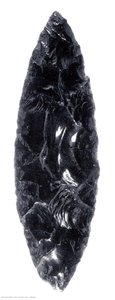
      Mosaic of a Double-headed Serpent (1521) on teos, josta Azteekivaltakunta tunnetaan parhaiten; se kuuluu museoon British Museum, kaupungissa Lontoo. Head from a Figure, Xochipilli Macuilxochitl (1521) ja Figure (1521) täydentävät suosituimpien taideteosten kolmikon. Katalogissamme on 70 teosta taiteilijalta Azteekivaltakunta. Tässä ovat 70 tunnetuinta teosta vuosiluvun, museon ja jokaisen maalauksen tarinan kera.

      Sijoitus perustuu suosiotulokseemme, joka yhdistää kunkin teoksen hakuja, vierailuja ja tilauksia. Päivitetty lokakuu 2026. Jokainen tämän sivun maalauksista on tilattavissa joko käsin maalatun öljyreproduktiona pellavalle tai valitun kokoisena taideprinttinä.

      Azteekivaltakunta muotokuva
      Azteekivaltakunta · 1300 – 1521
      Syntynyt · kuollut
      1300 – 1521, Tenochtitlan
      Teokset valikoimassamme
      70
      Tunnetuimmat
      Mosaic of a Double-headed Serpent (1521)
      Eniten teoksia kohteessa
      Metropolitan Museum of Art

      Azteekivaltakunta -taiteilijan kymmenen rakastetuinta maalausta

      Mosaic of a Double-headed Serpent (1521) tekijä Azteekivaltakunta
      1

      Mosaic of a Double-headed Serpent

      1521 · Mosaic · British Museum, Lontoo

      To gaze upon this mosaic of a double-headed serpent is to step directly into the vibrant, myth-laden heart of the Aztec Empire. It is not merely an object of decoration; it is a captured echo of profound belief, a testament to a civilization whose artistry wove the sacred into the very fabric of daily existence. The serpentine form dominates the composition, its sinuous body rendered in breathtaking detail across countless…

      Head from a Figure, Xochipilli Macuilxochitl (1521) tekijä Azteekivaltakunta
      2

      Head from a Figure, Xochipilli Macuilxochitl

      1521 · Sculpture · Metropolitan Museum of Art, New York

      The obsidian head before us—a dark, almost brooding presence—isn’t merely a sculpture; it's a portal into the vibrant and complex world of the Aztec Empire. Carved in the early 16th century, just decades before the arrival of the Spanish conquistadors, this intimate portrait of Xochipilli Macuilxochitl offers a rare and compelling glimpse into the beliefs, artistry, and ultimately, the fleeting beauty of a vanished civilization. The piece speaks not only…

      Figure (1521) tekijä Azteekivaltakunta
      3

      Figure

      1521 · Stone · Metropolitan Museum of Art, New York

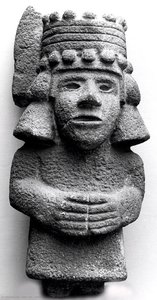
      Before you stands an echo from a civilization whose very name whispers tales of empire and profound spiritual depth: the magnificent "Figure" sculpture. Carved from enduring stone, this piece is not merely an object of antiquity; it is a frozen moment of sacred contemplation. The overall impression is one of solemn power, a tangible connection to the sophisticated worldview of the Aztec people who flourished in the heart of Mesoamerica.…

      Kneeling Male Figure (1521) tekijä Azteekivaltakunta
      4

      Kneeling Male Figure

      1521 · Stone · Metropolitan Museum of Art, New York

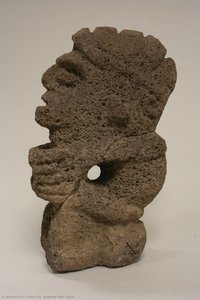
      To gaze upon this fragment is to reach across the vast chasm of five centuries, touching the solemn breath of an empire long dissolved into myth and archaeological wonder. This kneeling male figure, carved from a dark, porous stone—perhaps basalt itself—is more than mere sculpture; it is a captured moment of profound spiritual engagement. The very texture of the material speaks of time, bearing the patina of ritual smoke and…

      Serpent Labretin Korupakkaus tekijä Azteekivaltakunta
      5

      Serpent Labretin Korupakkaus

      Akryyli kankaalle · Metropolitan Museum of Art, New York

      De Serpent Labret met Articulated Tongue is een prachtige gouden Aztec lip plug uit het midden van de tweede millennium AD. Het stuk werd geplaatst door een piercing onder de onderste lip, en beeldt een gebiedeerde slang uit die klaar staat om aan te vallen, met een bifurcatie tong die vanaf zijn mond hangt. De tong zou heen en weer bewegen met bewegingen van de drager, wat een teken was…

      Pendent in the Shape of a Warrior (1350) tekijä Azteekivaltakunta
      6

      Pendent in the Shape of a Warrior

      1350 · Metalwork · Clevelandin taidemuseo, Cleveland

      To hold this piece in your mind is to encounter the quiet strength of the Post-classic period. This small, metallic figure, likely worn close to the body, captures a warrior in a moment of poised readiness. The figure is rendered with a striking sense of presence, characterized by a prominent nose, wide eyes, and a slightly protruding mouth that gives the face a distinct, human character. There is a certain…

      Figure (1521) tekijä Azteekivaltakunta
      7

      Figure

      1521 · Stone · Metropolitan Museum of Art, New York

      This monochrome photograph captures an ancient Aztec sculpture titled Figure. The piece presents a stylized representation of a human figure, likely a deity or important individual within the Aztec culture. Set against a dark background that emphasizes its intricate details, the sculpture is positioned slightly off-center towards the right of the frame.

      Vulture Vessel (1521) tekijä Azteekivaltakunta
      8

      Vulture Vessel

      1521 · Ceramic · Metropolitan Museum of Art, New York

      This ceramic vessel, produced around 1521 by Aztec artists, takes the shape of a stylized vulture. The object is constructed from earthenware with a robust, cylindrical body. Four curved legs support the structure, positioned to suggest a sense of movement or a bird prepared to perch. The surface is primarily covered in a reddish-brown hue, likely derived from iron oxide pigments. Black glaze defines specific areas, creating bands that outline…

      Standard Bearer (1521) tekijä Azteekivaltakunta
      9

      Standard Bearer

      1521 · Stone · Metropolitan Museum of Art, New York

      The Aztec sculpture titled "Standard Bearer," a remarkable testament to the artistry and symbolic depth of the pre-Columbian civilization, stands as more than just a carved stone figure. It’s a window into a complex society—a warrior, a leader, a conduit between the earthly realm and the divine. Dating back to approximately 1450-1521 CE, this piece, originating from the region of Veracruz, offers a tangible connection to a world both familiar…

      Crested Figure (Macuilxochitl) (1521) tekijä Azteekivaltakunta
      10

      Crested Figure (Macuilxochitl)

      1521 · Metropolitan Museum of Art, New York

      Crested Figure (Macuilxochitl): Echoes of Aztec Cosmology The photograph presents a striking depiction of an Aztec sculpture titled “Crested Figure (Macuilxochitl),” originating from the 15th–early 16th century during the height of the Mexica Empire. This artwork embodies the artistic spirit of Mesoamerica, reflecting profound religious beliefs and political authority—a testament to the enduring legacy of a civilization that captivated imaginations for centuries. Overall Impression: The image captures a sculpture crafted…

      Azteekivaltakunta: kankaat, sijoitukset 11–70

      Seated Male Deity (Ehecatl) (1521) tekijä Azteekivaltakunta
      #11

      Seated Male Deity (Ehecatl)

      1521 · Metropolitan Museum of Art

      Standing before this remarkable sculpture, carved from volcanic stone or terracotta nearly six centuries ago, is akin to stepping back in time – directly into the heart of…

      Saatko käsinmaalattuna →
      Seated Male Deity (1521) tekijä Azteekivaltakunta
      #12

      Seated Male Deity

      1521 · Metropolitan Museum of Art

      In the quiet presence of the Seated Male Deity, one does not merely observe a sculpture; one encounters a profound fragment of a lost cosmos. Carved during the…

      Kneeling Female Figure (1521) tekijä Azteekivaltakunta
      #13

      Kneeling Female Figure

      1521 · Metropolitan Museum of Art

      In the quiet halls of art history, few objects command as much silent reverence as the Kneeling Female Figure. Carved from the dark, enduring strength of basalt, this…

      Labret, Eagle Head (1521) tekijä Azteekivaltakunta
      #14

      Labret, Eagle Head

      1521 · Metropolitan Museum of Art

      To gaze upon this artifact is to be transported across the vast expanse of time, directly into the heart of the mighty Aztec Empire. This exquisite labret, fashioned…

      Tuo tämä valo kotiisi →
      Miniature Bowl (1521) tekijä Azteekivaltakunta
      #15

      Miniature Bowl

      1521 · Metropolitan Museum of Art

      To gaze upon this miniature bowl is to hold a fragment of deep time in one's hands. It is not merely an object, but a tangible whisper from…

      Fragment of An Anthropomorphic Brazier (1300) tekijä Azteekivaltakunta
      #16

      Fragment of An Anthropomorphic Brazier

      1300

      This ceramic fragment presents a vertical arrangement of human-like faces. The central feature is a large, sculpted head, upon which smaller faces are positioned in a stacked, layered…

      Riutal Stone (Pulidor) (1521) tekijä Azteekivaltakunta
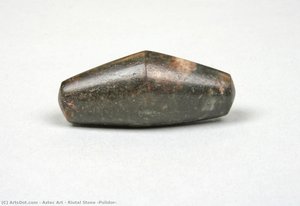
      #17

      Riutal Stone (Pulidor)

      1521 · Metropolitan Museum of Art

      To gaze upon this Riutal Stone (Pulidor) is not merely to observe an artifact; it is to touch the deep, resonant silence of a vanished civilization. This piece,…

      Saatko käsinmaalattuna →
      Ear Spool (1521) tekijä Azteekivaltakunta
      #18

      Ear Spool

      1521 · Metropolitan Museum of Art

      Before us lies a fragment of a vanished world, a tangible link to the ingenuity and ritualistic practices of the Aztec Empire. This meticulously crafted ear spool, fashioned…

      Saatko käsinmaalattuna →
      Seated Female Deity (1521) tekijä Azteekivaltakunta
      #19

      Seated Female Deity

      1521 · Metropolitan Museum of Art

      In the quiet shadows of history, certain objects possess the power to bridge the gap between the mortal realm and the eternal. The Seated Female Deity, a profound…

      Aztec Sun Stone (Calendar Stone) (1427) tekijä Azteekivaltakunta
      #20

      Aztec Sun Stone (Calendar Stone)

      1427

      The Aztec Sun Stone (Calendar Stone) is a significant work attributed to the Aztec Empire. Carved by the Mexica at the end of the Mesoamerican Postclassic Period, this…

      Seated Male Deity (1521) tekijä Azteekivaltakunta
      #31

      Seated Male Deity

      1521 · Metropolitan Museum of Art

      Before us stands a testament to the profound artistry and spiritual depth of the Aztec Empire – a weathered stone sculpture known as the “Seated Male Deity,” or…

      Bell (1521) tekijä Azteekivaltakunta
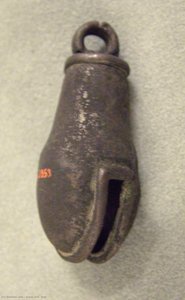
      #32

      Bell

      1521 · Metropolitan Museum of Art

      Imagine holding a piece of history – not just an artifact, but a tangible echo of a vanished empire. This bronze bell, unearthed from the ruins of Tenochtitlan…

      Tuo tämä valo kotiisi →
      Spider Monkey (1521) tekijä Azteekivaltakunta
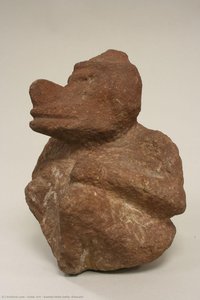
      #33

      Spider Monkey

      1521 · Rhode Island School of Design Museum of Art

      This exceptional hand-painted reproduction captures a pivotal moment in Aztec artistic expression – the creation of a remarkably detailed sculpture depicting a spider monkey, dating back to 1521.…

      Cihuateotl (1521) tekijä Azteekivaltakunta
      #34

      Cihuateotl

      1521 · Metropolitan Museum of Art

      The stone sculpture known as “Cihuateotl,” a formidable figure emerging from the heart of the Aztec Empire, offers more than just a visual representation; it’s a window into…

      Saatko käsinmaalattuna →
      Stamp (1521) tekijä Azteekivaltakunta
      #35

      Stamp

      1521 · Metropolitan Museum of Art

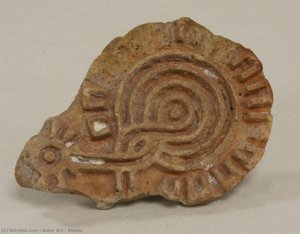
      Before us lies a terracotta fragment, not merely an artifact but a window into the heart of the Aztec Empire. Designated simply as “Stamp,” this weathered ceramic seal…

      Tuo tämä valo kotiisi →
      Feathered Serpent Ornament (1521) tekijä Azteekivaltakunta
      #36

      Feathered Serpent Ornament

      1521 · Metropolitan Museum of Art

      In the quiet, hallowed halls of the Metropolitan Museum of Art, there exists a treasure that transcends the boundaries of time and geography. The Feathered Serpent Ornament is…

      Relief (1521) tekijä Azteekivaltakunta
      #37

      Relief

      1521 · Metropolitan Museum of Art

      “Relief,” a meticulously crafted stone carving from the heart of the Aztec Empire, stands as more than just an artistic object; it's a window into a vanished world.…

      Tuo tämä valo kotiisi →
      Eagle Head Ornament tekijä Azteekivaltakunta
      #38

      Eagle Head Ornament

      Metropolitan Museum of Art

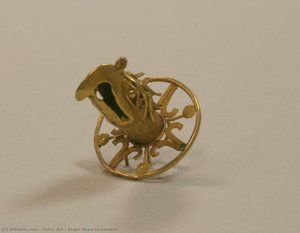
      Before us lies a captivating artifact – an Aztec Eagle Head Ornament, a tangible link to one of Mesoamerica's most formidable empires. More than just a decorative object,…

      Tuo tämä valo kotiisi →
      Skull Pendant tekijä Azteekivaltakunta
      #39

      Skull Pendant

      Metropolitan Museum of Art

      Gazing upon this black and white photograph, one is immediately drawn to the stark simplicity and profound symbolism of the Aztec skull pendant. More than a mere decorative…

      Tilaa tämä kangas →
      Stamp (1521) tekijä Azteekivaltakunta
      #40

      Stamp

      1521 · Metropolitan Museum of Art

      Within the realm of ancient Mesoamerica lies a deceptively simple object – a terracotta stamp, often referred to as a “stamp” in modern parlance. Yet, this unassuming artifact…

      Tilaa tämä kangas →
      Female Deity tekijä Azteekivaltakunta
      #41

      Female Deity

      Metropolitan Museum of Art

      The photograph before you offers an arresting window into the heart of Aztec spirituality – a sculpted representation of a female deity, rendered with a profound sense of…

      Saatko käsinmaalattuna →
      Tripod Bowl tekijä Azteekivaltakunta
      #42

      Tripod Bowl

      Metropolitan Museum of Art

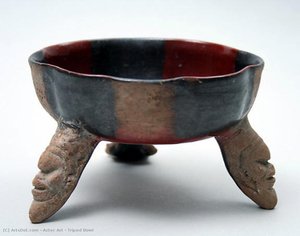
      To gaze upon this Tripod Bowl is to reach across the vast expanse of time, directly into the vibrant heart of the Aztec Empire. It is not merely…

      Maize Deity (Chicomecoatl) tekijä Azteekivaltakunta
      #43

      Maize Deity (Chicomecoatl)

      Metropolitan Museum of Art

      Carved from basalt, this sculpture represents Chicomecoatl, the Mexica goddess of maize. The figure is rendered in a frontal, upright posture with arms raised in a gesture of…

      Seated Female Deity tekijä Azteekivaltakunta
      #44

      Seated Female Deity

      Metropolitan Museum of Art

      Seated Female Deity: A Reflection of Aztec Spirituality The image presents a grayscale photograph of an Aztec sculpture depicting a seated female deity. The sculpture is rendered in…

      Kneeling Male Figure tekijä Azteekivaltakunta
      #45

      Kneeling Male Figure

      Metropolitan Museum of Art

      To gaze upon the Kneeling Male Figure is to reach across the vast chasm of five centuries, touching the solemn breath of an empire long dissolved into myth…

      Seated Male tekijä Azteekivaltakunta
      #46

      Seated Male

      Metropolitan Museum of Art

      is a stone sculpture created by the Aztec Empire. Originating from Mexico, Mesoamerica, the work belongs to the Mexica (Aztec) culture. It dates to the 15th–early 16th century.

      Rituaalinen kivipala (1521) tekijä Azteekivaltakunta
      #47

      Rituaalinen kivipala

      1521 · Metropolitan Museum of Art

      The “Ritual Stone,” known as *pulidor* in Nahuatl – meaning “polisher” or “cleaner” – stands as a poignant testament to the artistic prowess and spiritual beliefs of the…

      Tilaa tämä kangas →
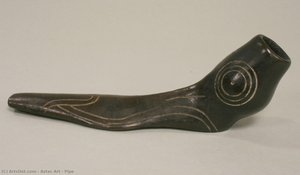
      Pipe (1521) tekijä Azteekivaltakunta
      #50

      Pipe

      1521 · Metropolitan Museum of Art
      Seated Male Deity tekijä Azteekivaltakunta
      #51

      Seated Male Deity

      Metropolitan Museum of Art

      The Aztec Empire, a civilization that flourished in Mesoamerica for centuries, left behind a legacy of breathtaking artistry and profound spiritual belief. Among its most compelling creations stands…

      Saatko käsinmaalattuna →
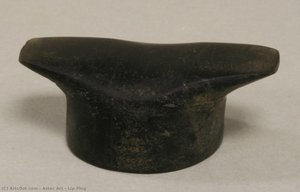
      Lip Plug tekijä Azteekivaltakunta
      #52

      Lip Plug

      Metropolitan Museum of Art

      To gaze upon this artifact is to reach across the vast expanse of time, touching the cool, dark permanence of an ancient civilization. This piece, an Aztec Lip…

      Saatko käsinmaalattuna →
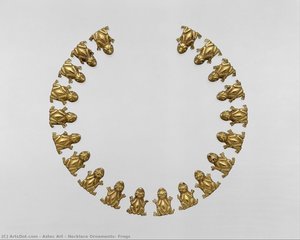
      Necklace Ornaments, Frogs tekijä Azteekivaltakunta
      #53

      Necklace Ornaments, Frogs

      Metropolitan Museum of Art

      To gaze upon these meticulously crafted golden frog ornaments is to step directly into the vibrant heart of the ancient Aztec world. They are not merely decorative beads;…

      Tuo tämä valo kotiisi →
      Uilacapitztli (Pottery Flute) tekijä Azteekivaltakunta
      #54

      Uilacapitztli (Pottery Flute)

      Metropolitan Museum of Art

      To gaze upon the Uilacapitztli is not merely to observe an artifact; it is to reach across the vast expanse of centuries and touch the very breath of…

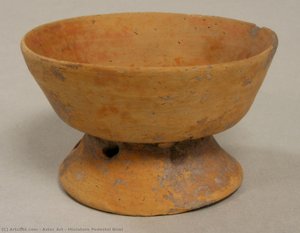
      Miniature Pedestal Bowl tekijä Azteekivaltakunta
      #55

      Miniature Pedestal Bowl

      Metropolitan Museum of Art

      To gaze upon this miniature pedestal bowl is to reach across the vast expanse of time, to hold in one's hands a tangible whisper from the heart of…

      Standard-Bearer (1519) tekijä Azteekivaltakunta
      #57

      Standard-Bearer

      1519

      This stark figure displays the minimalism and monumentality of Aztec stone sculpture. The rigid pose resembles the block of stone from which it was carved. In contrast, the…

      Saatko käsinmaalattuna →
      Drum (Teponaztli) tekijä Azteekivaltakunta
      #58

      Drum (Teponaztli)

      Metropolitan Museum of Art

      To gaze upon this representation of an Aztec Teponaztli is not merely to observe an artifact; it is to listen for a silence that holds echoes. This magnificent…

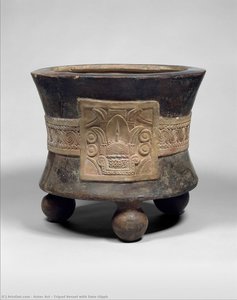
      Tripod Vessel with Date Glyph tekijä Azteekivaltakunta
      #59

      Tripod Vessel with Date Glyph

      Metropolitan Museum of Art

      The image before us presents more than just a ceramic object; it’s a tangible fragment of the Aztec Empire, a silent chronicle etched in clay and imbued with…

      Bowl tekijä Azteekivaltakunta
      #60

      Bowl

      Metropolitan Museum of Art

      Gazing upon this meticulously rendered reproduction of an Aztec bowl is akin to stepping back in time, directly into the heart of Tenochtitlan, the magnificent capital city of…

      Tilaa tämä kangas →
      Maize Deity (Chicomecoatl) tekijä Azteekivaltakunta
      #61

      Maize Deity (Chicomecoatl)

      Metropolitan Museum of Art

      Standing before this weathered stone sculpture, one is immediately transported to the heart of ancient Mexico – a realm where the divine intertwined seamlessly with the rhythms of…

      Stamp, Butterfly tekijä Azteekivaltakunta
      #62

      Stamp, Butterfly

      Metropolitan Museum of Art

      Stamp, Butterfly - A Fragment of Aztec Cosmology The image presents a captivating glimpse into the artistic heritage of the Aztec Empire—specifically, a ceramic stamp depicting a butterfly…

      Tuo tämä valo kotiisi →
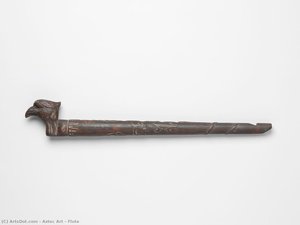
      Flute tekijä Azteekivaltakunta
      #63

      Flute

      Metropolitan Museum of Art

      Within the vast tapestry of Aztec artistry lies a deceptively simple instrument – the flute, often referred to as *uilacapitztli* (meaning “flute-head”). More than just a musical device,…

      Tilaa tämä kangas →
      Miniature Pedestal Bowl tekijä Azteekivaltakunta
      #64

      Miniature Pedestal Bowl

      Metropolitan Museum of Art

      Gazing upon this exquisite miniature pedestal bowl offers more than just an appreciation of its delicate form; it’s a portal into the heart of the Aztec Empire, a…

      Ear Ornament tekijä Azteekivaltakunta
      #65

      Ear Ornament

      Metropolitan Museum of Art

      To hold an object from the heart of the Aztec Empire is to touch the very pulse of Mesoamerican history. This exquisite ear ornament, a masterwork of the…

      Miniature Tripod Vase tekijä Azteekivaltakunta
      #66

      Miniature Tripod Vase

      Metropolitan Museum of Art

      The world of ancient Mesoamerica pulses with an undeniable energy – a vibrant blend of ritual, conquest, and breathtaking artistry. Within this rich tapestry, the miniature tripod vase…

      Saatko käsinmaalattuna →
      Stamp, Monkey tekijä Azteekivaltakunta
      #67

      Stamp, Monkey

      Metropolitan Museum of Art

      Imagine holding a tangible piece of history – a small, unassuming ceramic stamp from the heart of the Aztec Empire. This particular artifact, depicting a stylized monkey in…

      Tuo tämä valo kotiisi →
      Bowl tekijä Azteekivaltakunta
      #68

      Bowl

      Metropolitan Museum of Art

      In the quiet presence of this ancient Aztec bowl, one can almost hear the rhythmic pulse of a civilization that once commanded the heart of Mesoamerica. This ceramic…

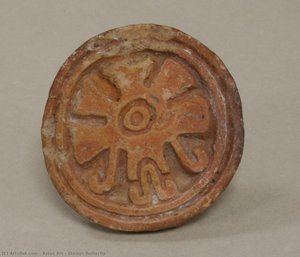
      Flat Stamp with Geometric Flower tekijä Azteekivaltakunta
      #69

      Flat Stamp with Geometric Flower

      Metropolitan Museum of Art

      This striking ceramic stamp, a relic of the Aztec Empire, isn’t merely an artifact; it's a portal to a civilization brimming with intricate symbolism and profound artistic skill.…

      Azteekivaltakunta’n kankaat aikakausittain

      Mitä Azteekivaltakunta maalasi eniten

      Nämä neljä aihetta toistuvat näissä maalauksissa useimmin, ja jokaisesta on esitetty suosituin esimerkki.

      Missä Azteekivaltakuntan kankaat riippuvat

      Tämän sivun teoksista eniten sisältävät 5 museota.

      Museo Kaupunki Azteekivaltakunta teokset Tämän listan maalaukset
      Metropolitan Museum of Art, New YorkMetropolitan Museum of Art New York 51 Head from a Figure, Xochipilli Macuilxochitl, Figure, Kneeling Male Figure
      British Museum, LontooBritish Museum Lontoo 1 Mosaic of a Double-headed Serpent
      Clevelandin taidemuseo, ClevelandClevelandin taidemuseo Cleveland 1 Pendent in the Shape of a Warrior
      Rhode Island School of Design Museum of Art, ProvidenceRhode Island School of Design Museum of Art Providence 1 Spider Monkey
      Dumbarton Oaks Research Library and Collection, Washington, D.C.Dumbarton Oaks Research Library and Collection Washington, D.C. 1 Tlazolteotl (Birthing Figure)

      Azteekivaltakuntan kuuluisin kangas, vuosikymmenestä toiseen

      1. 1350s
        Pendent in the Shape of a Warrior (1350) tekijä Azteekivaltakunta
        Sijoitus 6 / 70

        Pendent in the Shape of a Warrior

        Ikä 50–59 · Clevelandin taidemuseo

        To hold this piece in your mind is to encounter the quiet strength of the Post-classic period. This small, metallic figure, likely worn close to the body, captures…

      2. 1420s
        Aztec Sun Stone (Calendar Stone) (1427) tekijä Azteekivaltakunta
        Sijoitus 20 / 70

        Aztec Sun Stone (Calendar Stone)

        Ikä 120–129

        The Aztec Sun Stone (Calendar Stone) is a significant work attributed to the Aztec Empire. Carved by the Mexica at the end of the Mesoamerican Postclassic Period, this…

      3. 1460s
      4. 1480s
      5. 1500s
        Coyote (1500) tekijä Azteekivaltakunta
        Kangas 23 / 70

        Coyote

        Ikä 200–209
      6. 1510s
        Standard-Bearer (1519) tekijä Azteekivaltakunta
        Kangas 57 / 70

        Standard-Bearer

        Ikä 210–219

        This stark figure displays the minimalism and monumentality of Aztec stone sculpture. The rigid pose resembles the block of stone from which it was carved. In contrast, the…

      7. 1520s
        Mosaic of a Double-headed Serpent (1521) tekijä Azteekivaltakunta
        Sijoitus 1 / 70

        Mosaic of a Double-headed Serpent

        Ikä 220–221 · British Museum

        To gaze upon this mosaic of a double-headed serpent is to step directly into the vibrant, myth-laden heart of the Aztec Empire. It is not merely an object…

      Azteekivaltakuntan kankaat, kysymys kerrallaan

      Mistä maalauksesta Azteekivaltakunta tunnetaan parhaiten?Lue vastaus

      Mosaic of a Double-headed Serpent (1521), British Museum, Lontoo. Seuraavina ovat Head from a Figure, Xochipilli Macuilxochitl (1521) ja Figure (1521).

      Mosaic of a Double-headed Serpent: kuinka vanha Azteekivaltakunta oli teoksen maalauksen aikaan?Lue vastaus

      Azteekivaltakunta, syntynyt vuonna 1300, oli 221 vuotta vanha: Mosaic of a Double-headed Serpent on peräisin vuodelta 1521.

      Mitkä ovat Azteekivaltakunta'n kymmenen kuuluisinta taulua?Lue vastaus

      Mosaic of a Double-headed Serpent, Head from a Figure, Xochipilli Macuilxochitl, Figure, Kneeling Male Figure, Serpent Labretin Korupakkaus, Pendent in the Shape of a Warrior, Figure, Vulture Vessel, Standard Bearer ja Crested Figure (Macuilxochitl). Jokaisessa yllä olevassa sijoituksessa olevassa kankaassa on ilmoitettu sen vuosi ja museo.

      Kuinka monta maalausta Azteekivaltakunta loi?Lue vastaus

      Luettelossamme on 70 teosta taiteilijalta Azteekivaltakunta, aikaväliltä 1350–1521.

      Missä Azteekivaltakunta'n kuuluisimmat kankaat riippuvat nykyään?Lue vastaus

      Pääasiassa kohteissa Metropolitan Museum of Art (New York), British Museum (Lontoo) ja Clevelandin taidemuseo (Cleveland); yllä oleva lista nimeää jokaisen museon ja sen teokset.

      Milloin Azteekivaltakunta maalasi kuuluisimmat teoksensa?Lue vastaus

      Aikakaudella 1520s, jolta on 29 tästä sivusta löytyvää 70 teoksesta, joukossa on Mosaic of a Double-headed Serpent.

      Mikä kuuluisa Azteekivaltakunta -maalaus on tehty ensin ja mikä viimeisenä?Lue vastaus

      Varhaisin tässä kokoelmassa oleva kangas on Pendent in the Shape of a Warrior (1350); uusin on Mosaic of a Double-headed Serpent (1521).

      Mitä aiheita Azteekivaltakunta maalasi eniten?Lue vastaus

      Mesoamerica (20), Aztec (16) ja Sculpture (13), yhteensä 70 teosta tällä sivulla.

      Mitä tekniikkaa Azteekivaltakunta käyttää eniten maalauksissaan?Lue vastaus

      Stone, käytetty 15 teoksessa sivun 70 teoksesta.

      Mitkä Azteekivaltakunta -taiteilijan teokset kuuluvat Metropolitan Museum of Art -museon kokoelmiin?Lue vastaus

      Metropolitan Museum of Art, New York -museossa on 51 tämän sivun teoksista, mukaan lukien Head from a Figure, Xochipilli Macuilxochitl, Figure ja Kneeling Male Figure.

      Mistä voin ostaa Azteekivaltakunta -taiteilijan maalauksen reproduktiota?Lue vastaus

      Kyllä. Jokainen tämän sivun maalauksista voidaan tilata omalta sivultaan joko käsin maalatun öljyreprodusktion tai taideprintinina valitsemassasi koossa.

      Tapaa taiteilija: Azteekivaltakunta

      Kiven kaiut: Tutkimassa Azteekkimperiumin taidetta ja perintöä

      Nimi ”azteekki” – joka juontaa juurensa nahuatlin kielen sanasta ātl-ce-tlācati–tlān, tarkoittaen ”monimuotoista kansaa” – herättää mielikuvia valtavasta ja monimutkaisesta valtakunnasta, joka hallitsi Mesoamerikkaa vuosisatojen ajan. Enemmän kuin pelkkiä sotureita ja valloittajia, azteekit olivat syvällisen taiteellisia yksilöitä, jotka kutoutivat monimutkaista kauneutta elämänsä jokaiseen osa-alueeseen – monumentaalisesta arkkitehtuurista herkkiin höyhentöihin, pyhistä rituaaleista arkisiin esineisiin. Heidän taiteensa ei ollut pelkästään koristeellista; se oli elävä kieli, joka välitti uskonnollisia uskomuksia, poliittista valtaa, historiallisia kertomuksia ja sosiaalisia hierarkioita yhteiskunnassa, joka oli yhtä aikaa tiukasti rakenteellinen ja hämmästyttävän innovatiivinen.

      Azteekkien taideperinteet syntyivät 1300-luvun alussa Tenochtitlanissa, Azteekkimperiumin sydämessä, ja ne olivat syvällä juurtuneet aiempia mesoamerikkalaisia sivilisaatioita edeltävien kulttuurien perintöön. Olmeekit valtavine pääineen ja kehittyneine kalenterijärjestelmineen, Teotihuacanin massiivisine pyramideineen ja kaupunkisuunnittelun mestareineen sekä Tolteekit metallityön ja kuvanveiston huippuosaajina loivat kaiken sen rikkaan taiteellisen kudoksen, jonka azteekit perivät. Azteekit eivät kuitenkaan olleet pelkkiä jäljittelijöitä; he yhdistivät nämä vaikutteet omaan ainutlaatuiseen esteettiseen herkkyyteensä kehittäen tyylin, jolle olivat ominaisia rohkeat värit, monimutkaiset geometriset kuviot ja symboliset esitystavat.

      Vallan paletti: Materiaalit ja tekniikat

      Azteekkien taide oli hämmästyttävän monipuolista, hyödyntäen valtavaa kirjoa materiaaleja ja tekniikoita. Kiviveisto oli keskeisessä asemassa, mitä ilmentävät jumaluuksia, hallitsijoita ja mytologisia olentoja esittävät monumentaaliset veistokset. Massiivinen Aurinkokivi (Kalenterikivi), joka löydettiin vuonna 194amp;46, seisoo todisteena heidän mestaruudestaan – se on monimutkainen, kerroksellinen kivireliefi, joka yhdistää kalenteritiedot kosmologiseen symboliikkaan. Taitavat käsityöläiset työskentelivät myös puun, saven, höyhenten – erityisesti kirkkaiden kvetsaalilintujen sulkien – jadeksen, turkoosin, obsidiaanin ja kullan parissa, heijastaen sekä varallisuutta että sosiaalista asemaa.

      Höyhentyöt olivat kenties visuaalisesti pysäyttävin osa azteekkien taidetta. Monimutkaisesti valmistetut päähineet, viitat, kilvet ja muut koriste-esineet luotiin tuhansista huolellisesti asetetuista sulista – prosessi, joka vaati valtavaa taitoa ja kärsivällisyyttä. Nämä esineet eivät olleet vain kauniita; ne toimivat vallan, uskonnollisen omistautumisen ja yhteiskunnallisen arvon voimakkaina symboleina. Itse väreillä oli omat merkityksensä: sininen edusti taivasta, vihreä hedelmällisyyttä, punainen sotaa ja keltainen aurinkoa.

      Lisäksi azteekkitaiteilijat olivat mosaiikkityön mestareita, luoden upeita koristeellisia paneeleja pienistä, tarkasti leikatuista kivilaatoista. Nämä mosaiikit koristivat temppeleitä, palatseja ja yksityisiä asuintaloja tuoden visuaalista rikkautta rakennettuun ympäristöön. Heidän keramiikkansa oli yhtä vaikuttavaa, sisältäen monimutkaisia geometrisia kuvioita sekä eläinten ja jumaluuksien esityksiä.

      Symbolien kieli: Teemat ja motiivit

      Azteekkien taide on täynnä symboliikkaa, jossa jokainen kuva kantaa kerroksellisia merkityksiä, jotka vaativat papien, kirjureiden ja hallitsijoiden tarkkaa tulkintaa. Keskeinen jumaluus, Huitzilopochtli, sodan ja auringon jumala, esitettiin usein näyttävissä päähineissä, jotka oli koristeltu sulilla ja jalokivillä. Quetzalcoatl, sulkakäärme-jumala, joka liittyi tietoon, viisauteen ja luomiseen, piti merkittävän paikan heidän panteonissaan ja esiintyi lukuisissa taiteellisissa teoksissa.

      ottava

      Kalenterijärjestelmä – aurinkoisen ja rituaalisen syklin hämmästyttävä yhdistelmä – oli toinen toistuva motiivi. Kalenterien kuvat, glyfit ja tähtitieteelliset symbolit olivat osa veistoksia, mosaiikkeja ja kodekseja (kuvitettuja kirjoja), heijastaen aztekkejen syvää ymmärrystä ajasta ja kosmologiasta. Maissin, heidän ravintonsa perusravinnon, esitykset symboloivat eloonjäämistä ja hedelmällisyyttä. Eläinkuvasto – erityisesti jaguarit, kotkat, käärmeet ja kolibrit – kantoi voimaan, rohkeuteen ja jumaluuteen liittyvää symbolista merkitystä.

      Perintö sirpaleina: Taide ja historiallinen merkitys

      Azteekkimperiumin äkillinen romahdus espanjalaisten valloittajien käsissä vuonna 1521 aiheutti tuhoisan menetyksen mesoamerikkalaiselle kulttuurille. Traagisesti suuri osa heidän taiteellisesta perinnöstään tuhoutui valloituksen aikana – temppeleitä raivattiin, veistoksia särkimiin ja kodekseja poltettiin. Tästä huolimatta azteekkien taiteen sirpaleet säilyvät tänä päivänä tarjoten korvaamattomia näkymiä tähän upeaan sivilisaatioon.

      Tunnettuja esimerkkejä ovat Aurinkokivi, monumentaalinen veistos, joka osoittaa aztekkejen edistyneen tähtitieteen ja matematiikan tiedon; maailman museoissa säilytetyt monimutkaiset höyhentyöt ja päähineet; sekä säilyneet kodeksit – käsin kirjoitetut kirjat, jotka sisältävät historiallisia kertomuksia, uskonnollisia uskomuksia ja kalenteritietoja. Meksikossa sijaitseva Colección Andrés Blaisten kätkee sisäänsä merkittävän kokoelman latinalaisamerikkalaista taidetta, mukaan lukien esimerkkejä, jotka valaisevat aztekkejen taideperinteitä.

      Azteekkimperiumin taiteellisen perinnön vaikutus on nähtävissä vielä tänäkin päivänä, inspiroiden niin nykytaiteilijoita kuin suunnittelijoitakin. Heidän innovatiiviset tekniikkansa, symbolinen kuvastonsa ja syvä yhteytensä luontoon jatkavat resonointiaan yleisöjen keskuudessa ympäri maailmaa. Azteekkien taiteen tutkiminen ei ole pelkkä historiallinen harjoitus; se on matka monimutkaisen ja lumoavan sivilisaation sydämeen – todistus ihmisen luovuudesta, kekseliäisyydestä ja henkisestä syvyydestä.

      Tutustuaksesi lisää Azteekkimperiumin taideteoksiin ja muihin merkittäviin taiteilijoihin, vieraile osoitteessa TopImpressionists.com.

      Kaikki 70 teosta taiteilijalta Azteekivaltakunta →