Atelier — Ilmainen toimitus ympäri maailman — Toimitusaika 2–6 viikkoa
      Frédéric Bazille, 1841 – 1870

      88 kuuluisinta Frédéric Bazille -maalausta, järjestettynä

      Frédéric Bazille suosituin maalaus on Nainen ja mies kylässä (1869), joka sijaitsee kohteessa Fogg Art Museum, Cambridge. Seuraavina listalla ovat Perhekohtous (1867) ja The Pink Dress (1864), jotka ovat lukijoiden tunnetuimpia teoksia. Katalogissamme on 88 teosta taiteilijalta Frédéric Bazille: tässä ovat 88 kuuluisinta, jokaisesta on ilmoitettu vuosi, museo sekä se, mikä tekee teoksesta erityisen.

      Sijoitus perustuu suosiotulokseemme, joka yhdistää kunkin teoksen hakuja, vierailuja ja tilauksia. Päivitetty lokakuu 2026. Jokainen tämän sivun maalauksista on tilattavissa joko käsin maalatun öljyreproduktiona pellavalle tai valitun kokoisena taideprinttinä.

      Frédéric Bazille muotokuva
      Frédéric Bazille · 1841 – 1870
      Syntynyt · kuollut
      1841 – 1870, Montpellier
      Taidesuuntaus
      Impressionist landscape
      Teokset valikoimassamme
      88
      Tunnetuimmat
      Nainen ja mies kylässä (1869)
      Eniten teoksia kohteessa
      Musée Fabre

      Frédéric Bazille parhaat 10 maalausta: teokset, jotka kaikki tuntevat

      Nainen ja mies kylässä (1869) tekijä Frédéric Bazille
      1

      Nainen ja mies kylässä

      1869 · Öljyväri kankaalle · Fogg Art Museum, Cambridge

      Jean Frédéric Bazille: Nuorten Energian Hymni – ”Bathers (Summer Scene)” Jean Frédéric Bazillen vuoden 1869 mestariteos ”Nuoret kylpijät” on lumoava ilmaus Impressionismin kasvavaa henkeä. Tämä kirkkaanvärinen kangas tuo katsojat aurinkoiselle metsäiselle uintialueelle, jossa nuoret miehet nauttivat huolettomia aktiviteetteja – uimista, kamppailua ja yksinkertaisesti auringon lämpöä. Tämä työ ei ole pelkästään vedenalaisen maailman kuvaus vaan rohkea taiteellinen ilmaisema ja nuoruuden energian juhla. Impressionistiset Tekniikat Ja Taiteellinen Innovaatio Bazille käyttää mestarillisesti impressionistisia…

      Perhekohtous (1867) tekijä Frédéric Bazille
      2

      Perhekohtous

      1867 · Öljyväri kankaalle · Musée d'Orsay, Pariisi

      Jean Frédéric Bazillinin maalauksessa ”Family Reunion” (1867) näkyy eläväinen ja yksityiskohtainen kuva ulkoilmassa tapahtuvan sosiaalisen kokoontumisen. Tämä teos vangitsee vilkkaan kohtauksen suuren puun alla, jossa ihmiset ovat keskustelemassa ja nauttimassa vapaa-ajasta. Kompositio on rikas yksityiskohtien suhteen, ja se tuo kohtauksen eloon monimutkaisilla kuvioilla ja tekstuureilla. Maalauksessa yhdistyy impressionistinen tyyli, joka korostaa värejä, valoa ja huolellisia tekstuureja. Bazillin tekniikka on erittäin tarkka, erityisesti hahmojen vaatteiden ja luonnon elementtien esittämisessä. Kirkkaat värit…

      The Pink Dress (1864) tekijä Frédéric Bazille
      3

      The Pink Dress

      1864 · Acrylic On Canvas · Musée d'Orsay, Pariisi

      Marilyn Monroe’s “Pink Dress,” designed by William Travilla for Howard Hawks’ 1953 film *Gentlemen Prefer Blondes*, transcends mere costume; it embodies an enduring symbol of glamour, ambition, and the seductive allure of Hollywood. The dress itself—a shocking pink silk satin gown adorned with black satin lining and a large bow—represents more than just fabric and embellishments; it encapsulates a pivotal moment in cinematic history and continues to fascinate audiences today.

      La Toilette (1870) tekijä Frédéric Bazille
      4

      La Toilette

      1870 · Acrylic On Canvas · Musée Fabre, Montpellier

      The Painting's Significance and Context La Toilette, an oil-on-canvas painting by Jean Frédéric Bazille, is a remarkable work of art that showcases the artist's skill in capturing intimate moments. Created in 1869-1870, this painting is one of Bazille's last works before his untimely death in the Franco-Prussian War. Composition and Symbolism The painting depicts three women in a room, with one woman lying on a bed while the other two…

      Landscape on the Shore of Lez (1870) tekijä Frédéric Bazille
      5

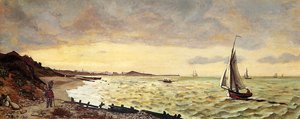
      Landscape on the Shore of Lez

      1870 · Oil

      Landscape on the Shore of Lez is a significant work by Frédéric Bazille, an artist whose life was marked by a brief but intense period of creativity. Born in 1841, Bazille’s career was tragically cut short when he died in 1870. This particular painting, completed in June 1870, represents one of his final artistic statements. It is a large landscape that the artist himself described as an eclogue, a term…

      The Family Gathering (1867) tekijä Frédéric Bazille
      6

      The Family Gathering

      1867 · Oil On Canvas · Musée d'Orsay, Pariisi

      To stand before The Family Gathering is to step directly into a sun-dappled afternoon of pure, unscripted joy. This painting by Jean Frédéric Bazille captures more than just a social assembly; it arrests the very essence of conviviality. One feels the gentle warmth emanating from the canvas, as if the viewer has stumbled upon this private moment in time. The composition is masterfully arranged beneath the generous canopy of a…

      Portrait of an Unknown Sitter as a Troubadour (1875) tekijä Frédéric Bazille
      10

      Portrait of an Unknown Sitter as a Troubadour

      1875 · Oil On Canvas · Dallasin taidemuseo, Dallas

      In this intimate oil portrait, we find ourselves drawn into a quiet, private moment with a young man. The composition is a close-up, bust-length study that pushes the subject toward the viewer through a dramatic use of chiaroscuro. A deep, nearly black background provides a void from which the sitter emerges, illuminated by a highly directional light source. This light catches the contours of his face, leaving the other side…

      Lisää Frédéric Bazille -kangasmaalauksia, 11–88

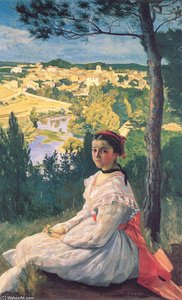
      View of the Village (1868) tekijä Frédéric Bazille
      #18

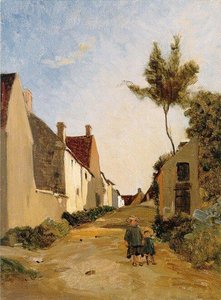
      View of the Village

      1868 · Musée Fabre

      Jean Frédéric Bazille’s “View of the Village,” painted in 1868, stands as a quintessential example of the Impressionist spirit—a movement that sought to capture fleeting impressions of light…

      Saatko käsinmaalattuna →
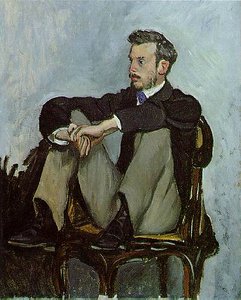
      Portrait of Renoir (1867) tekijä Frédéric Bazille
      #20

      Portrait of Renoir

      1867 · Musée d'Orsay

      Jean Frédéric Bazille's “Portrait of Renoir” stands as a testament to the burgeoning Impressionist movement, capturing not merely an likeness but also a palpable sense of contemplative emotion.…

      Tuo tämä valo kotiisi →
      The Studio on the Rue La Condamine (1870) tekijä Frédéric Bazille
      #21

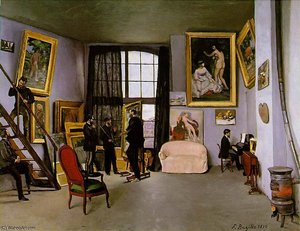
      The Studio on the Rue La Condamine

      1870 · Musée d'Orsay

      Jean Frédéric Bazille’s “The Studio on the Rue La Condamine” isn't merely a snapshot of a Parisian artist’s workspace; it’s a vibrant tableau brimming with intellectual energy, artistic…

      Tilaa tämä kangas →
      Portrait of Edmond Maitre (1869) tekijä Frédéric Bazille
      #22

      Portrait of Edmond Maitre

      1869 · National Gallery of Art

      In the quiet corners of art history, certain works possess the power to halt time, offering a window into a moment of profound stillness. Jean Frédéric Bazille’s “Portrait…

      Saatko käsinmaalattuna →
      Reclining Nude (1864) tekijä Frédéric Bazille
      #23

      Reclining Nude

      1864 · Musée Fabre

      Jean Frédéric Bazille's 'Reclining Nude,' painted in 1864, is more than just a depiction of the human form; it’s a carefully constructed evocation of serenity and sensual grace,…

      Tilaa tämä kangas →
      Fontainebleau forest (1865) tekijä Frédéric Bazille
      #24

      Fontainebleau forest

      1865 · Musée d'Orsay

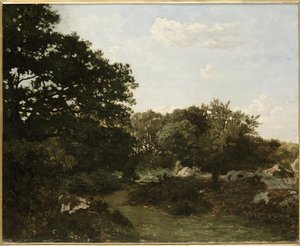
      In this 1865 oil on canvas, we find ourselves standing at the edge of the Fontainebleau forest. The composition is asymmetrical, drawing the eye toward a dense, dark…

      Tilaa tämä kangas →
      Portrait of Edouard Blau (1866) tekijä Frédéric Bazille
      #25

      Portrait of Edouard Blau

      1866 · National Gallery of Art

      “Portrait of Édouard Blau,” painted by Jean Frédéric Bazille in 1866, stands as a testament to the burgeoning Impressionist movement's fascination with capturing fleeting moments of light and…

      Tilaa tämä kangas →
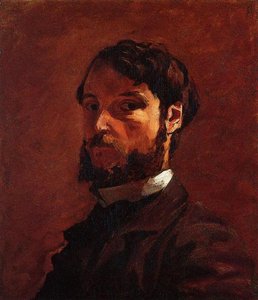
      Self Portrait (1870) tekijä Frédéric Bazille
      #26

      Self Portrait

      1870

      In this poignant Self Portrait, painted in 1870, we encounter Frédéric Bazille not merely as a painter, but as a man caught in the delicate transition between youthful…

      Tilaa tämä kangas →
      Self-Portrait (1867) tekijä Frédéric Bazille
      #28

      Self-Portrait

      1867 · Minneapolis Institute of Art

      Self-Portrait is an oil on canvas painting by the artist Frédéric Bazille. Created in France, this work belongs to the Impressionism movement. The subject of the painting is…

      Tilaa tämä kangas →
      Queens Gate at Aigues-Mortes (1867) tekijä Frédéric Bazille
      #63

      Queens Gate at Aigues-Mortes

      1867 · Metropolitan Museum of Art

      Jean Frédéric Bazille's "Queens Gate at Aigues-Mortes," painted in 1867, isn’t merely a depiction of a medieval fortification; it’s an exquisite distillation of Impressionist philosophy and a poignant…

      Tilaa tämä kangas →
      Landscape at Chailly (1865) tekijä Frédéric Bazille
      #65

      Landscape at Chailly

      1865 · Art Institute of Chicago

      Jean Frédéric Bazille’s “Landscape at Chailly,” painted in 1865, isn't merely a depiction of a Swiss hillside; it’s a distilled essence of Impressionist philosophy—a fleeting capture of light,…

      Saatko käsinmaalattuna →
      Toilet (1870) tekijä Frédéric Bazille
      #70

      Toilet

      1870 · Musée Fabre

      Painted in 1870, tragically just months before Jean Frédéric Bazille's untimely death at the age of twenty-nine, *Toilet* (La Toilette) is a pivotal work within the burgeoning Impressionist…

      Saatko käsinmaalattuna →
      The Fisherman with a Net (1868) tekijä Frédéric Bazille
      #71

      The Fisherman with a Net

      1868 · Arp Museum Bahnhof Rolandseck

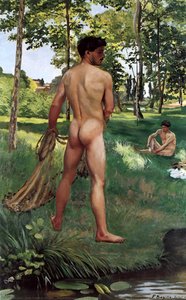
      The painting The Fisherman with a Net by Jean Frederic Bazille, created in 1868, is an exemplary work of the Impressionist movement. This oil on canvas piece showcases…

      Tuo tämä valo kotiisi →
      Summer Scene (Bathers) tekijä Frédéric Bazille
      #72

      Summer Scene (Bathers)

      Fogg Museum

      Jean Frédéric Bazille's “Summer Scene (Bathers)” captures a quintessential moment of leisure and joy, transporting the viewer to the sun-drenched landscapes of Provence. Painted in 1873, just months…

      Tuo tämä valo kotiisi →
      Self Portrait with Palette (1865) tekijä Frédéric Bazille
      #80

      Self Portrait with Palette

      1865 · Art Institute of Chicago

      Jean Frédéric Bazille's "Self Portrait with Palette," painted in 1865, is more than just a depiction of an artist; it’s a poignant snapshot of ambition, vulnerability, and the…

      Tuo tämä valo kotiisi →
      Portrait of Renoir (1867) tekijä Frédéric Bazille
      #82

      Portrait of Renoir

      1867 · Clevelandin taidemuseo

      The Portrait of Renoir is an oil on canvas figure portrait created by the artist Frédéric Bazille. Executed in 1867, this work depicts Pierre-Auguste Renoir, who was a…

      Saatko käsinmaalattuna →
      Edouard Blau (1869) tekijä Frédéric Bazille
      #83

      Edouard Blau

      1869 · National Gallery of Art

      This oil on canvas work, titled Edouard Blau, was executed by the French artist Frédéric Bazille. It offers a quiet study of the sitter, a French dramatist, critic,…

      Saatko käsinmaalattuna →
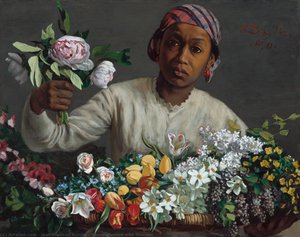
      Young Woman with Peonies (1870) tekijä Frédéric Bazille
      #88

      Young Woman with Peonies

      1870 · National Gallery of Art

      Holding a bunch of peonies in one hand, a woman with brown skin leans forward, toward us from behind a large basket holding dozens of flowers in this…

      Tilaa tämä kangas →

      Frédéric Bazille’n kankaat aikakausittain

      Mitä Frédéric Bazille maalasi eniten

      Nämä neljä aihetta toistuvat näissä maalauksissa useimmin, ja jokaisesta on esitetty suosituin esimerkki.

      Missä Frédéric Bazillen kankaat riippuvat

      Tämän sivun teoksista eniten sisältävät 8 museota.

      Museo Kaupunki Frédéric Bazille teokset Tämän listan maalaukset
      Musée Fabre, MontpellierMusée Fabre Montpellier 23 La Toilette, The Scoter, Petite Italienne chanteuse des rues
      Musée d'Orsay, PariisiMusée d'Orsay Pariisi 8 Perhekohtous, The Pink Dress, The Family Gathering
      National Gallery of Art, WashingtonNational Gallery of Art Washington 6 Portrait of Edmond Maitre, Portrait of Edouard Blau, Edmond Maître
      Minneapolis Institute of Art, MinneapolisMinneapolis Institute of Art Minneapolis 2 Self-Portrait, The Banks of the Lez
      Art Institute of Chicago, ChicagoArt Institute of Chicago Chicago 2 Landscape at Chailly, Self Portrait with Palette
      Fogg Art Museum, CambridgeFogg Art Museum Cambridge 1 Nainen ja mies kylässä
      Museum of Fine Arts, HoustonMuseum of Fine Arts Houston 1 Le petit jardinier, ca Museum of Fine Arts,
      Dallasin taidemuseo, DallasDallasin taidemuseo Dallas 1 Portrait of an Unknown Sitter as a Troubadour

      Frédéric Bazillen rakastetuin kangas vuosikymmeneltä jokaiselta

      1. 1850s
      2. 1860s
        Nainen ja mies kylässä (1869) tekijä Frédéric Bazille
        1 / 88

        Nainen ja mies kylässä

        Ikä 19–28 · Fogg Art Museum

        Jean Frédéric Bazille: Nuorten Energian Hymni – ”Bathers (Summer Scene)” Jean Frédéric Bazillen vuoden 1869 mestariteos ”Nuoret kylpijät” on lumoava ilmaus Impressionismin kasvavaa henkeä. Tämä kirkkaanvärinen kangas tuo…

      3. 1870s
        La Toilette (1870) tekijä Frédéric Bazille
        Kangas 4 / 88

        La Toilette

        Ikä 29 vuotta · Musée Fabre

        The Painting's Significance and Context La Toilette, an oil-on-canvas painting by Jean Frédéric Bazille, is a remarkable work of art that showcases the artist's skill in capturing intimate…

      Tietoa Frédéric Bazille -taiteilijan kankaista: vastauksia kysymyksiisi

      Mikä on Frédéric Bazille tunnetuin maalaus?Lue vastaus

      Nainen ja mies kylässä (1869), Fogg Art Museum, Cambridge. Seuraavina ovat Perhekohtous (1867) ja The Pink Dress (1864).

      Kuinka vanha Frédéric Bazille oli, kun Nainen ja mies kylässä maalattiin?Lue vastaus

      Frédéric Bazille, syntynyt vuonna 1841, oli 28 vuotta vanha: Nainen ja mies kylässä on peräisin vuodelta 1869.

      Mitkä ovat Frédéric Bazille 10 kuuluisinta maalausta?Lue vastaus

      Nainen ja mies kylässä, Perhekohtous, The Pink Dress, La Toilette, Landscape on the Shore of Lez, The Family Gathering, The Scoter, Le petit jardinier, ca Museum of Fine Arts,, Saint-Saveur ja Portrait of an Unknown Sitter as a Troubadour. Jokaisessa yllä olevassa sijoituksessa olevassa kankaassa on ilmoitettu sen vuosi ja museo.

      Kuinka monta teosta Frédéric Bazille maalasi yhteensä?Lue vastaus

      Luettelossamme on 88 teosta taiteilijalta Frédéric Bazille, aikaväliltä 1859–1870.

      Mistä voin nähdä Frédéric Bazille'n kuuluisimmat kankaat?Lue vastaus

      Pääasiassa kohteissa Musée Fabre (Montpellier), Musée d'Orsay (Pariisi) ja National Gallery of Art (Washington); yllä oleva lista nimeää jokaisen museon ja sen teokset.

      Milloin Frédéric Bazille maalasi rakastetuimmat teoksensa?Lue vastaus

      Aikakaudella 1860s, jolta on 54 tästä sivusta löytyvää 88 teoksesta, joukossa on Nainen ja mies kylässä.

      Mitkä ovat Frédéric Bazille's varhaisimmat ja viimeisimmät kuuluisat maalaukset?Lue vastaus

      Varhaisin tässä kokoelmassa oleva kangas on Mystic marriage of Saint Catherine (1859); uusin on La Toilette (1870).

      Mitä Frédéric Bazille maalasi useimmiten?Lue vastaus

      Portraits (6), Men (6) ja French painting (5), yhteensä 88 teosta tällä sivulla.

      Mitä tekniikkaa Frédéric Bazille käytti useimmiten?Lue vastaus

      Oil On Canvas, käytetty 22 teoksessa sivun 88 teoksesta.

      Mihin taidesuuntaukseen Frédéric Bazille's maalaus kuuluu?Lue vastaus

      Impressionist landscape, kuten tämän sivun teokset osoittavat.

      Mitä Frédéric Bazille -teoksia Musée Fabre -museossa on esillä?Lue vastaus

      Musée Fabre, Montpellier -museossa on 23 tämän sivun teoksista, mukaan lukien La Toilette, The Scoter ja Petite Italienne chanteuse des rues.

      Voinko ostaa Frédéric Bazille -teoksen reproduktioita kankaalle?Lue vastaus

      Kyllä. Jokainen tämän sivun maalauksista voidaan tilata omalta sivultaan joko käsin maalatun öljyreprodusktion tai taideprintinina valitsemassasi koossa.

      Frédéric Bazille: elämä maalauksessa

      Jean Frédéric Bazille: A Fleeting Radiance in the Dawn of Impressionism

      Jean Frédéric Bazille’s story is one of breathtaking promise, tragically cut short before it could fully blossom – a brief but intensely vibrant chapter in the history of art. Born in Montpellier, France, on December 6th, 1841, into a prosperous Protestant family deeply rooted in the wine trade, Bazille initially seemed destined for a life far removed from the world of artistic creation. His parents, while supportive of his creative inclinations, recognized the practicalities of their social standing and encouraged him to pursue a career in medicine alongside his passion for painting – a compromise reflecting the societal expectations of the time and their desire for his financial security. This dual pursuit shaped his early years, dividing his attention between the rigorous study of anatomy and the captivating allure of color, light, and fleeting moments. However, it was within the bustling heart of Paris, where he relocated in 1862 to continue his medical training, that Bazille’s artistic path truly began to ignite with purpose.

      Forging a Path Amongst Artistic Giants

      Paris proved to be an extraordinary crucible for young Bazille. He quickly immersed himself in a vibrant circle of artists who would become synonymous with the burgeoning Impressionist movement: Claude Monet, Pierre-Auguste Renoir, and Alfred Sisley. These kindred spirits shared a radical vision – a desire to break free from the rigid conventions of academic art and capture the essence of modern life as they truly *saw* it. Studying under Charles Gleyre provided him with invaluable formal training, but it was the intense discussions, collaborative experimentation, and mutual encouragement exchanged amongst these friends that truly fueled Bazille’s artistic evolution. His family's financial stability – a fortunate contrast to the often precarious existence of his companions – allowed him to generously support them, providing studio space, materials, and unwavering belief in their collective potential. He became a vital hub for this emerging group, fostering an environment of fearless innovation and shared ambition. Early works like *The Pink Dress* (c. 1864) already demonstrate a remarkable sensitivity to the interplay of light and color, foreshadowing the Impressionist style he would help define. Crucially, Bazille wasn’t simply mimicking established styles; he was actively participating in the creation of something entirely new – a revolutionary approach to painting that prioritized capturing the ephemeral beauty of the world around him.

      A Style Defined by Light, Friendship, and a Touch of Realism

      Bazille's artistic style possessed a unique character within the broader Impressionist aesthetic, distinguished by a subtle yet significant balance between innovation and tradition. While wholeheartedly embracing *plein air* painting – working directly outdoors to capture the nuances of natural light – his compositions often retained a more structured quality than those of Monet or Renoir. He frequently combined figure painting with landscape, meticulously arranging his subjects within their environment, as powerfully evidenced in masterpieces such as *Family Reunion* (1867-1868). This work transcends mere depiction; it’s an evocative exploration of light filtering through the branches of trees, animating the scene and imbuing it with a palpable sense of warmth and intimacy. Bazille's paintings weren’t merely representations of what he *saw*; they were expressions of how he *felt* – capturing the emotional resonance evoked by color, form, and light. He was profoundly influenced by Eugène Delacroix, whose vibrant use of color resonated deeply with his own artistic sensibilities, yet he moved beyond academic conventions to embrace a more modern, liberated approach. Interestingly, Bazille’s work often retained elements of Realism, particularly in the careful rendering of figures and details, creating a harmonious blend of observation and innovation.

      A Life Tragically Cut Short: Legacy and Remembrance

      The blossoming career of Jean Frédéric Bazille was brutally interrupted by the Franco-Prussian War in 1870. Driven by a profound sense of patriotic duty, he enlisted in a Zouave regiment just months after the conflict erupted. Tragically, he was killed in action on November 28th, 1870, at the young age of 28, near Beaune-la-Rolande. His untimely death sent shockwaves through the artistic community, robbing them of a talented friend and generous benefactor. For many years, Bazille’s work remained relatively unknown, overshadowed by the more established reputations of his contemporaries. However, in recent decades, there has been a growing recognition and appreciation for his significant contributions to Impressionism. Today, his paintings are proudly displayed in prestigious museums such as the Musée d'Orsay in Paris, and reproductions allow art lovers worldwide to experience the beauty and innovation of his vision. Bazille’s legacy extends far beyond his artistic output; he embodies the spirit of youthful idealism, unwavering dedication, and the enduring power of friendship – qualities that defined the early days of Impressionism. He remains a poignant reminder of the potential lost, yet also a testament to the lasting impact of a brief but brilliant career.

      Key Works

      * **The Pink Dress (c. 1864):** A quintessential example of Bazille’s early style, capturing a fleeting moment of domestic tranquility with remarkable sensitivity to light and color. * **Family Reunion (1867-1868):** Demonstrates his ability to integrate figures seamlessly into the landscape, creating a harmonious composition that evokes warmth and intimacy. * **Studio in Rue de Furstenberg (c. 1867):** A glimpse into the vibrant social life of Parisian artists, showcasing Bazille’s skill in capturing human interaction and atmosphere. * **Bathers (Summer Scene) (c. 1869):** A study in light and movement, reflecting Bazille's fascination with capturing the ephemeral beauty of nature.

      Kaikki 88 teosta taiteilijalta Frédéric Bazille →