Atelier — Livraison offerte dans le monde entier — Livraison sous 2 à 6 semaines
Transformer une photo en peinture Ma liste de souhaits Panier
Aperçu en situationAperçu en situation Visualiser en RAVisualiser en RA Commander l'impression Commander l'impressionTélécharger l'image haute résolution Télécharger l'image haute résolution EnvoyerEnvoyer
Détails de l'œuvreDétails de l'œuvre Ajouter aux favoris Ajouter aux favoris TéléchargerTélécharger Articles similairesArticles similaires RadiographieRadiographie DiaporamaDiaporama

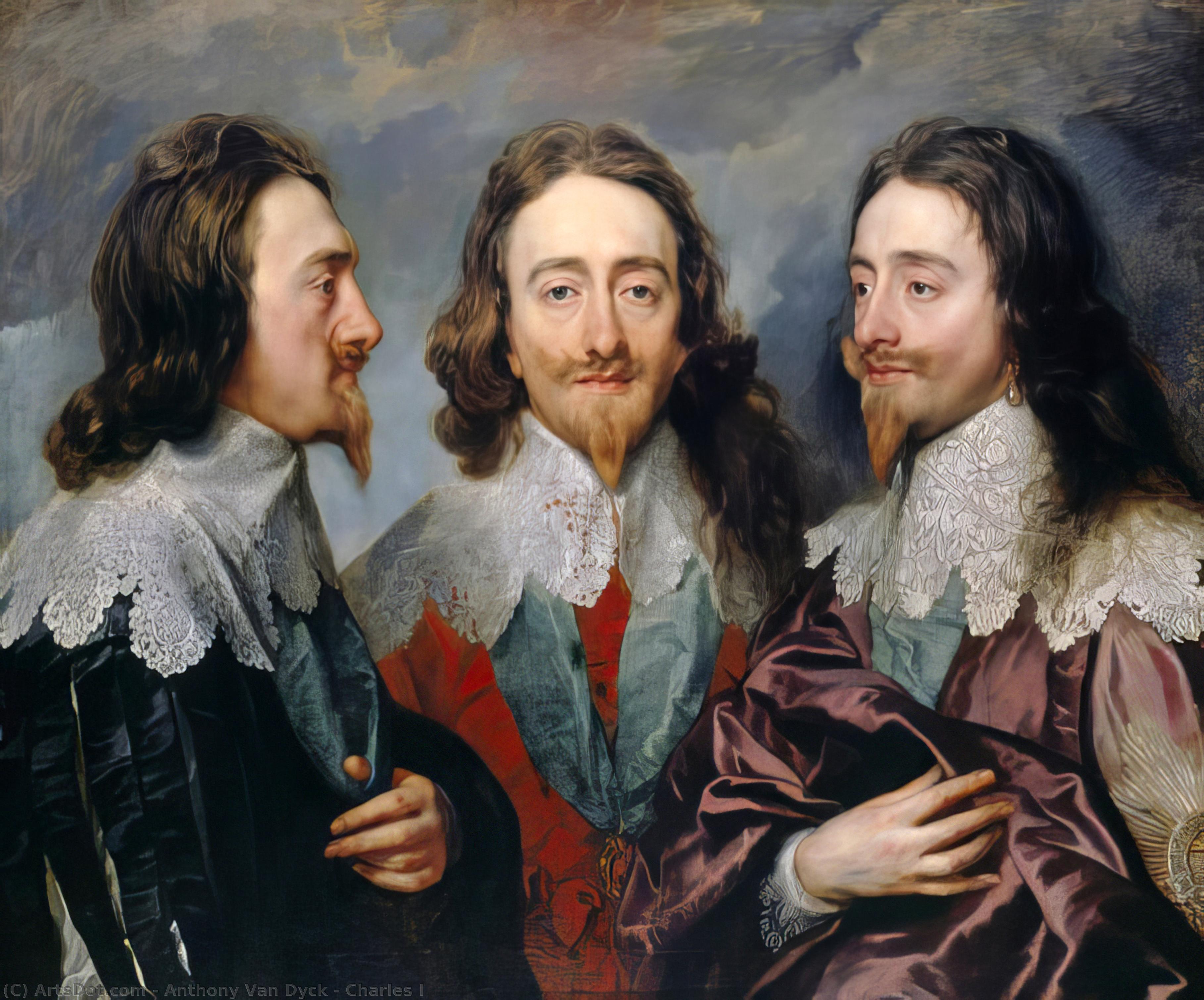
Charles I en Trois Positions

Expérimentez Anthony van Dyck's 'Charles I en Trois Positions'! Une chef-d'œuvre baroque présentant la peinture de portrait royal et une composition dynamique. Explorez l'histoire et le charme intemporel de cette œuvre iconique.

Sir Anthony van Dyck (1599-1641): Maître peintre baroque flamand renommé pour ses portraits élégants d'aristocratie européenne et du règne de Charles Ier. Influence majeur dans l'art anglais, connu pour ses tableaux religieux et son style innovant.

Reproduction à l'huile faite à la main

Huile sur toile peinte à la main, avec cadre et dimensions personnalisés, réalisée sur commande par nos artistes. (Commander l'impression Commander l'impressionTélécharger l'image haute résolution Télécharger l'image haute résolution)

P118B $10
P118H $10
P118W $10
P438Z $10
P508JH $12
P508YH $12
P805H $10
P805Z $10
P919BZ $10
P919G $10
P919XJ $10
P959ZH $10
P968JZ $12
W106C $8
W218G $10
W218JH $8
W218Y $10
W307PJ $10
W316G $10
W316PJ $8
W316Y $10
W398PJ $8
W4111J $10
W500HY $15
W500JH $15
W692G $12
W849H $8
W940BG $15
W953PJ $8

Standard
custom
CM
INCH

Choisissez parmi nos formats prédéfinis qui respectent les proportions originales de l’œuvre.

largeur
hauteur

Vous pouvez saisir vos propres dimensions pour l'adapter à un cadre ou à un espace spécifique. Si la taille sélectionnée ne correspond pas aux proportions de l'image d'origine, nous recadrerons l'œuvre ou prolongerons la peinture avec des éléments peints à la main supplémentaires. Une maquette numérique vous sera envoyée pour approbation avant le début de la production.
Veuillez noter que l'aperçu à l'écran ne reflète pas le recadrage ou l'extension réels. Seule la maquette montrera fidèlement la composition finale.
Bien que des tailles personnalisées soient disponibles, nous vous recommandons de sélectionner une dimension dans la liste prédéfinie afin de préserver les proportions d'origine.

Exemples de personnalisation possibles : remplacer un visage par la photo du client ; ajouter un animal de compagnie (par exemple, remplacer un chat par un chien) ; inclure un message caché en arrière-plan ; modifier le paysage ou les éléments de l'arrière-plan.
Après la commande, l’équipe TopImpressionists.com contactera le client par e-mail pour recueillir ses instructions et lui fournira une maquette d’aperçu

Livraison dans le monde entier () en 3 à 4 semaines au lieu des 5 semaines habituelles. (18 août). Aucun compromis sur la qualité.

why_choose_icon
Livraison express gratuite dans le monde entier
why_choose_icon
Toile de lin de qualité supérieure
why_choose_icon
Assurance transport complète
why_choose_icon
Garantie de remboursement des droits de douane
why_choose_icon
Garantie de fidélité des couleurs
why_choose_icon
Politique de retour de 60 jours (uniquement en cas de défaut)
why_choose_icon
Garantie de remboursement à 100%
why_choose_icon
Offre de tarifs dégressifs

Prix total

$ 319

reproduction

Charles I en Trois Positions

Technique de reproduction

Format de la reproduction

-

Prix total

$ 319

Informations clés

  • influences:
    • Lorenzo Lotto's Triple Portrait of a Goldsmith (c. 1530)
    • Influenced Philippe de Champaigne's Triple portrait of Cardinal de Richelieu (c. 1642)
  • medium: Oil on canvas
  • notable_elements:
    • Triple portrait of Charles I from three viewpoints: left full profile, face on, and right three-quarter profile.
    • Different colors of costumes and patterns of lace collars in each portrait.
    • Blue riband of the Order of the Garter present in all three portraits.
  • artist: Anthony van Dyck
  • movement: Baroque
  • location: Windsor Castle, King's Drawing Room
  • year: 1635–1636

Quiz d'art

Chaque question ne comporte qu'une seule bonne réponse.

Question 1:
Who is the artist of 'Charles I in Three Positions'?
Question 2:
In which year was 'Charles I in Three Positions' painted?
Question 3:
What is the primary subject of 'Charles I in Three Positions'?
Question 4:
For what purpose was 'Charles I in Three Positions' primarily created?
Question 5:
Which artistic movement does 'Charles I in Three Positions' belong to?

Description de l'œuvre

Le Chef-d'œuvre : Une Triomphe de la Peinture Portrait Baroque

"Charles I dans Trois Positions" est un exemple remarquable du génie d’Anthony van Dyck en matière de peinture portrait baroque. Peint entre 1635 et 1636, ce tableau à l’huile sur toile est une œuvre magistrale qui met en valeur le talent exceptionnel de l’artiste flamand et son influence profonde sur l’art européen. Le tableau fait partie de la prestigieuse Collection Royale et est actuellement exposé dans la Salle du Roi au château de Windsor.

Sujet et Composition

L'œuvre présente trois portraits distincts de Charles I, chacun sous un angle différent : profil complet à gauche, face vers l’avant et profil trois-quarts à droite. Cette composition innovante permet aux spectateurs d’apprécier la ressemblance du roi sous différents angles. Les figures sont disposées dans une formation triangulaire, créant ainsi une structure équilibrée mais dynamique qui attire le regard sur toute la toile.

Style et Technique

Le style baroque de Van Dyck se caractérise par son souci du détail, son utilisation dramatique de la lumière et de l’ombre (chiaroscuro) et sa représentation réaliste des formes humaines. Le tableau illustre sa technique, avec des coups de pinceau superposés qui construisent la texture et la profondeur, en particulier dans le rendu des tissus et des tons de peau. La palette de couleurs riche est composée de tons terreux complétés par des accents vibrants, le roi étant vêtu de couleurs sombres et austères contrastées par des teintes plus claires de cols et de manières.

Contexte Historique

Le tableau a été créé comme référence pour le sculpteur italien Gian Lorenzo Bernini afin de réaliser un buste en marbre de Charles I. Cette collaboration entre deux des plus grands artistes d’Europe souligne les échanges culturels et l’innovation artistique du baroque. Le buste, envoyé par le pape Urbain VIII à la reine Henriette Marie, visait à favoriser la réconciliation entre l'Église catholique et l'Église anglicane.

Symbolisme et Impact Émotionnel

La tenue vestimentaire formelle et l’attitude posée de Charles I symbolisent le statut, le pouvoir et la sophistication. Les légères variations dans ses expressions sur les trois portraits suggèrent différentes personnalités ou humeurs, ajoutant ainsi un élément d'intrigue et d'humanité à l'image royale. Cette profondeur émotionnelle, combinée à la prouesse technique de Van Dyck, fait de "Charles I dans Trois Positions" une œuvre captivante qui résonne auprès des spectateurs.

Pourquoi les Collectionneurs et les Designers l’Adorent

"Charles I dans Trois Positions" est un incontournable pour les amateurs d'art, les collectionneurs et les designers d'intérieur à la recherche d'une touche de grandeur historique et d'excellence artistique pour leurs espaces. Son attrait intemporel et ses détails complexes en font un point focal dans tout environnement, des grandes propriétés aux galeries modernes. Une reproduction de haute qualité de ce chef-d’œuvre ne renforcera pas seulement votre collection mais suscitera également des conversations et de l’admiration pendant des générations.


Biographie de l'artiste

A Flemish Master at the Courts of Europe

Sir Anthony van Dyck, born in Antwerp in 1599, emerged as one of the most celebrated and influential portraitists of the Baroque era. His life, though tragically cut short at just forty-two years old, was a whirlwind of artistic exploration and prestigious commissions that took him from his native Flanders to Italy and ultimately to the heart of the English court. From an early age, van Dyck displayed remarkable talent, entering Hendrick van Balen’s workshop as a young apprentice and quickly absorbing the prevailing styles of the time. However, it was his association with Peter Paul Rubens – not merely as a student but as a collaborator – that truly shaped his artistic foundation. He learned from Rubens' dynamic compositions, rich color palettes, and masterful handling of light and shadow, yet van Dyck soon began to forge his own distinct path, one characterized by an elegance and refinement that would become his signature.

Italian Sojourns and the Birth of a Style

The years van Dyck spent in Italy, beginning around 1621, proved pivotal in his artistic development. He resided primarily in Genoa, where he found favor among the city’s aristocratic families. It was here that he began to cultivate the sophisticated style for which he would become renowned – a style marked by graceful poses, luxurious fabrics, and an almost palpable sense of nobility. Unlike the robust energy often found in Rubens' work, van Dyck’s Italian portraits exude a refined composure, capturing not just physical likeness but also the inner character and social standing of his sitters. During this period, he also embarked on his *Iconography*, a series of meticulously rendered portrait etchings featuring prominent figures of his time – artists, scholars, and rulers alike. This project showcased his exceptional technical skill and established him as a leading printmaker. These etchings weren’t simply records; they were carefully constructed images designed to immortalize the subjects and convey their status and intellect. He studied Titian’s techniques, particularly his use of color and light, which profoundly influenced his own artistic vision.

The King's Painter: Van Dyck in England

In 1632, van Dyck received an invitation that would forever alter his career trajectory – a summons from Charles I of England to become the court painter. This appointment marked a turning point, not only for van Dyck but also for English portraiture. He arrived in London with a considerable reputation and quickly became indispensable to the king, tasked with creating images that projected an aura of power, majesty, and divine right. Van Dyck’s portraits of Charles I are particularly noteworthy; he moved away from the stiff, formal representations favored by earlier artists, instead portraying the king as a dynamic, charismatic leader. He employed innovative techniques – dramatic lighting, sweeping gestures, and carefully chosen backgrounds – to create images that were both visually stunning and politically charged. His influence extended beyond the royal family, shaping the visual culture of the English aristocracy for generations to come. He revolutionized portrait painting by introducing a new level of psychological realism and capturing the subtleties of emotion—a departure from the idealized depictions prevalent before his time.

Legacy and Enduring Influence

Van Dyck’s untimely death in 1641 robbed the art world of a prodigious talent, but his legacy endures to this day. His impact on English portraiture is immeasurable; he established a standard of elegance and sophistication that subsequent artists would strive to emulate. He was recognized as one of the foremost painters of his era, admired for his mastery of technique and his ability to convey profound emotion in his works. His influence can still be seen today in fashion, photography, and contemporary portraiture—a testament to the timeless appeal of his art. His portraits continue to fascinate audiences with their beauty, elegance, and enduring psychological depth. He remains one of the most celebrated artists of the Baroque period, remembered for his contribution to artistic innovation and his role as a pivotal figure in shaping European visual culture.

Sir Anthony van Dyck

Sir Anthony van Dyck

1599 - 1641 , Belgique

L'essentiel de l'artiste

  • Artistic Movement Or Style: Baroque
  • Artists Who Influenced This Artist: ['Peter Paul Rubens']
  • Date Of Birth: March 22, 1599
  • Full Name: Sir Anthony van Dyck
  • Nationality: Flemish
  • Notable Artworks:
    • Portrait of a Woman
    • Charles I in Three Positions
  • Place Of Birth: Antwerp, Belgium
Explorez des œuvres d'art classées par thèmes, styles et caractéristiques.
© TopImpressionists.com — Tous droits réservés  ·  100% Peint à la main · Satisfaction garantie · Livraison gratuite dans le monde entier

VISA MASTERCARD