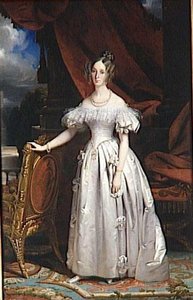
Claude-Marie Paul Dubufe: The Last Echo of David’s Legacy
Claude-Marie Paul Dubufe (1790–1864) stands as a poignant figure in French art history—the final bastion of Jacques-Louis David's artistic lineage, marking the twilight years of Neoclassicism and ushering in a new era of Romanticism. Born in Paris amidst the burgeoning intellectual fervor of his time, Dubufe’s formative years were steeped in the ideals championed by David himself, whose monumental canvases had redefined artistic expression with their austere grandeur and moral seriousness. This early influence profoundly shaped Dubufe's stylistic trajectory, initially favoring classical subjects—mythological narratives and biblical scenes—reflecting a desire to honor tradition while simultaneously injecting subtle emotional nuance into his compositions.
Early Training & Influences: Dubufe’s formal education commenced under David’s tutelage at the École Royale Supérieure des Beaux-Arts, where he absorbed not only technical mastery but also a deep appreciation for artistic idealism. The emphasis on anatomical precision and dramatic storytelling—hallmarks of David's oeuvre—became indelible components of Dubufe’s artistic vocabulary. He internalized David’s unwavering commitment to portraying virtue and heroism with unflinching realism, shaping his approach to painting and sculpting alike. This formative period instilled in him a profound respect for classical aesthetics and a conviction that art should serve as a moral compass.
Genre Painting & Portraiture: While firmly rooted in classical principles, Dubufe swiftly transitioned to genre painting and portraiture, capturing the vibrancy of Parisian life and portraying individuals with remarkable sensitivity. Unlike David’s monumental canvases focused on heroic narratives—grand spectacles designed to inspire patriotism and elevate the human spirit—Dubufe's subjects were often ordinary people—aristocrats, artists, musicians—presented with an intimacy that belied their social status. He skillfully rendered scenes of daily life—marketplaces bustling with activity, salons filled with intellectual discourse—capturing the nuances of human emotion and interaction. His portraits, in particular, distinguished themselves by their psychological depth, revealing not merely physical likenesses but also glimpses into the inner lives of his subjects.
Dubufe’s Artistic Output & Style: Dubufe produced over 300 paintings during his prolific career, demonstrating an extraordinary versatility and dedication to his craft. His meticulous attention to detail—particularly in capturing facial expressions and subtle gestures—elevated portraiture to a new level of realism and emotional resonance. Works like “La lettre de Wagram,” depicting Napoleon’s triumphant return from Austria, exemplify this commitment to portraying historical events with remarkable accuracy and conveying the atmosphere of the time. He skillfully blended classical techniques with emerging Romantic sensibilities, creating paintings that resonated with both intellectual rigor and expressive emotion. His palette remained restrained—often favoring muted tones—reflecting a desire for understated elegance and moral seriousness.
Legacy & Influence: Dubufe’s enduring fame rests primarily on his portraits, which are celebrated for their psychological insight and artistic finesse. He was recognized as a master of capturing the essence of his subjects—their character, temperament, and inner life—transforming mere likenesses into evocative representations of human experience. As the last representative of David's school, Dubufe skillfully navigated the shifting artistic landscape of his time, preserving classical traditions while embracing new expressive possibilities. His unwavering belief in the transformative power of art ensured that David’s legacy endured into the Victorian era—a testament to the profound impact of a singular artistic genius and the enduring beauty of Neoclassical ideals.