Early Life and Career
Ricardo Borrero Álvarez, a luminary of Colombian art, emerged from the serene landscapes of Aipe in 1874. His formative years instilled within him an unwavering fascination for the natural world—a passion that would become the cornerstone of his artistic vision. While biographical details remain somewhat sparse, archival records indicate he pursued formal artistic training initially in Bogotá, absorbing influences from European academic traditions prevalent at the time. This initial exposure proved pivotal in shaping his stylistic sensibilities and establishing a foundation for his subsequent explorations into landscape painting.
Artistic Style and Success
Borrero’s distinctive approach to art distinguished him from contemporaries. Rather than delving into portraiture or figurative representations, he steadfastly adhered to the genre of landscape painting—a bold decision that resonated deeply with the intellectual elite of Colombia. His canvases weren't merely depictions of scenery; they were imbued with a palpable sense of atmosphere and emotion, capturing the essence of Colombian culture through meticulous observation and skillful execution. This dedication to portraying external vistas earned him considerable acclaim and cemented his reputation as a visionary artist. He favored the wood medium—a technique known for its ability to convey subtle tonal variations—allowing him to achieve remarkable realism while simultaneously conveying an intangible quality that captivated viewers.
Notable Works and Collections
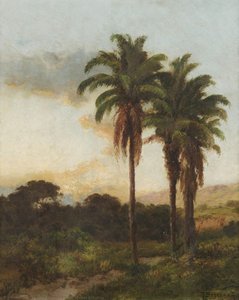
Among Borrero’s most celebrated creations is “Palms of Tolima,” a masterpiece housed in the National Museum of Colombia in Bogotá. This painting exemplifies his signature style, utilizing the wood medium to capture the grandeur of Tolima's palm groves with breathtaking precision. The artwork’s composition—characterized by balanced lines and harmonious color palettes—reflects Borrero’s profound understanding of artistic principles. Furthermore, Borrero’s work aligns with a broader movement within Colombian art—one that championed natural beauty as a source of inspiration and intellectual contemplation. Alongside Alejandro Obregón and Eduardo Cano de la Peña, Borrero contributed to the vibrant cultural landscape of Colombia, each artist forging their own path while upholding shared values of artistic integrity and aesthetic excellence.
Museums and Collections
“Palms of Tolima” resides prominently within the National Museum of Colombia’s collection—a testament to its enduring significance as a symbol of Colombian identity. Visitors can experience firsthand Borrero's masterful technique and emotive portrayal of the Colombian countryside. Similarly, the Museo de Arte Contemporáneo Bogotá showcases other notable artworks by Colombian artists, furthering the legacy of artistic innovation within the nation.
Legacy and Impact
Ricardo Borrero Álvarez’s unwavering commitment to landscape painting irrevocably altered the trajectory of Colombian art history. His pioneering style served as a catalyst for subsequent generations of artists—inspiring them to prioritize observation and emotion in their creative endeavors. By elevating the depiction of natural landscapes to the forefront of artistic discourse, Borrero solidified its importance within Colombian culture—a legacy that continues to inspire admiration and scholarly inquiry today. He remains an undisputed icon of Colombian art, embodying both technical virtuosity and profound aesthetic sensitivity.